What’s Hiding in Your Winter Air Filter and What It Means for Your Heart
July 23, 2026

When you pull out your air filter, you probably see the obvious stuff: dust, lint, pet hair.
But what you can’t see may matter even more.
Your filter also traps microscopic particles small enough to enter your lungs… and even your bloodstream. And during winter when we seal up our homes and spend more time indoors, those particles can build up fast.
Let’s talk about what’s really in your air, how it affects your heart, and one simple upgrade that can make a real difference.
Why Winter Air Can Be Hard on Your Health
In winter, we close windows, seal doors, and crank up the heat. That keeps us warm — but it also traps pollutants indoors.
And surprisingly, indoor air can become more polluted than outdoor air during colder months.
Here’s where those particles come from:
Cooking: Frying, sautéing, and even toasting release tiny oil and food particles into the air.
Candles & Fireplaces: Burning wax or wood produces soot and fine smoke.
Cleaning Sprays: Aerosols release microscopic droplets and chemical particles.
Outdoor Pollution: Traffic and industrial pollution can still seep inside.
These particles don’t just disappear. They float in the air and cycle through your home again and again.
That’s where your HVAC system and your filter comes in.
Meet PM2.5: The Tiny Particle With a Big Impact
You may have heard the term PM2.5.
It stands for “particulate matter 2.5 micrometers or smaller.” To put that in perspective:
It’s about 30 times smaller than a human hair.
It’s small enough to travel deep into your lungs.
It can even enter your bloodstream.
Once in your system, these particles can trigger inflammation and stress throughout the body.
And that’s where heart health enters the picture.
The Air–Heart Connection
Research has linked long-term exposure to fine particles like PM2.5 with:
Increased inflammation
Stress on blood vessels
Higher risk of heart disease
Worsening symptoms in people with existing cardiovascular conditions
Your heart and lungs work closely together. When your lungs are exposed to polluted air, your cardiovascular system feels it too.
During winter, this matters even more:
We spend more time indoors.
Heating systems run constantly.
Seasonal illnesses can already stress the body.
Cleaner air isn’t just about breathing easier; it’s about supporting your entire system.
Your HVAC Filter: Your First Line of Defense for Heart Health
Every time your HVAC system runs, air cycles through the filter. That filter’s job is simple:
Capture particles before they keep circulating through your home.
But not all filters are created equal.
What Filter is Best?
Filter efficiency is measured using a rating called MERV (Minimum Efficiency Reporting Value). It ranges from 1 to 20: the higher the number, the smaller the particles it can trap.
Here’s what that means for you:
MERV 8: Captures larger particles like dust and pollen but not most PM2.5.
MERV 11: Traps smaller particles, including some fine particulate matter.
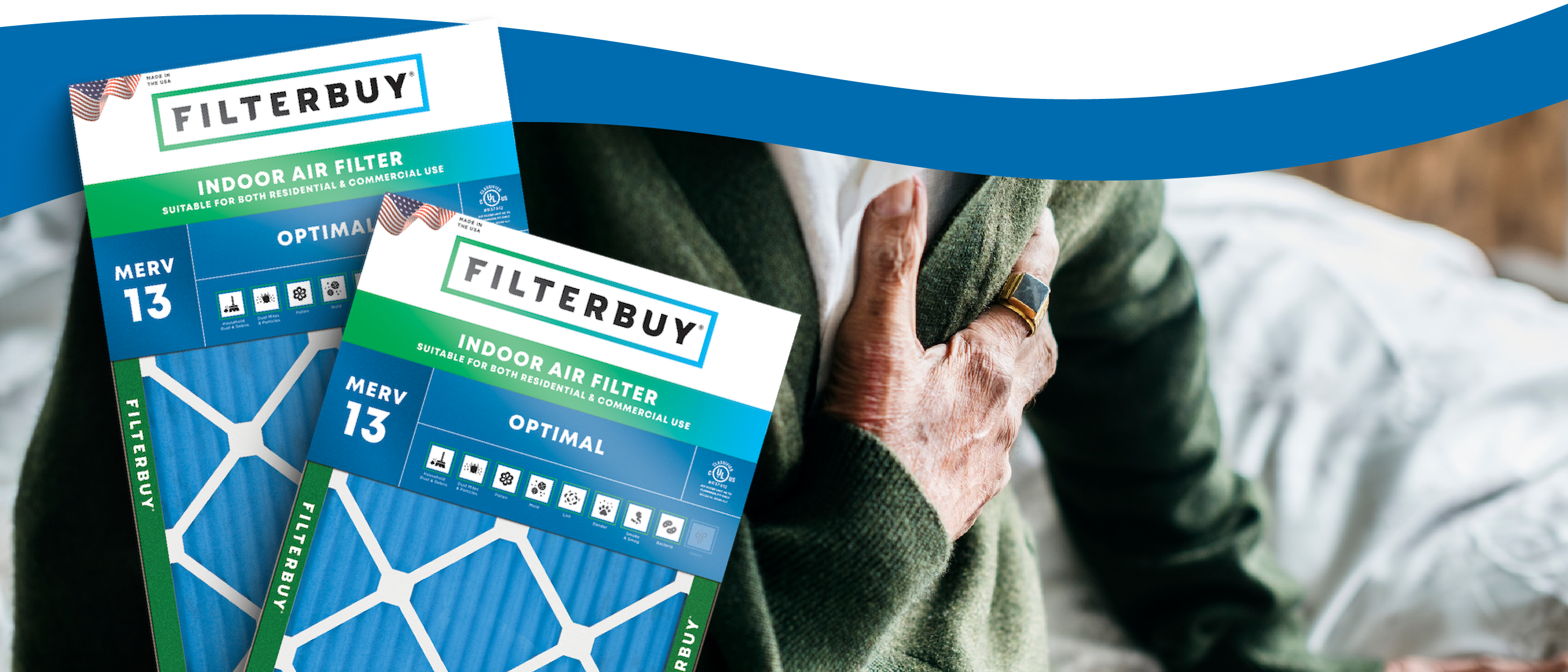
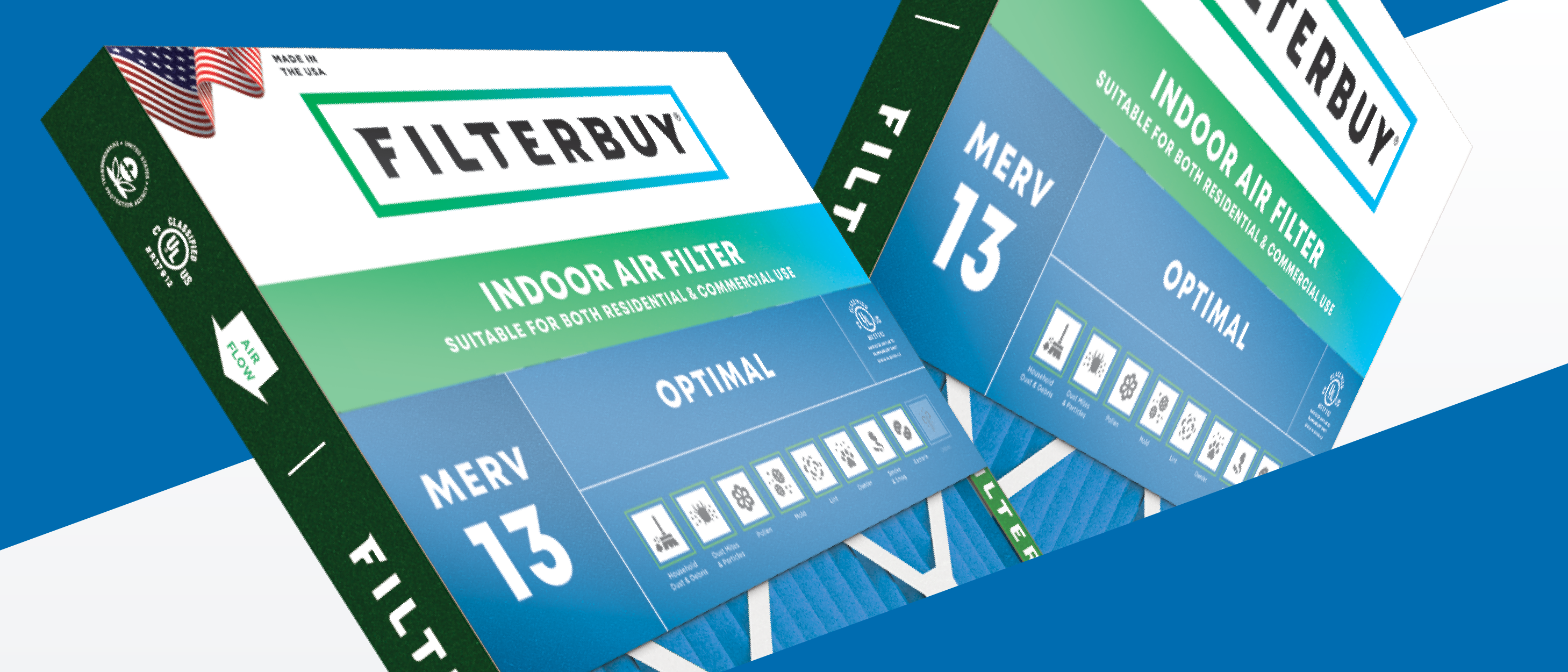
MERV 13: Highly effective at capturing fine particles like smoke, bacteria, and most PM2.5. The EPA recommends MERV 13 or higher for improved air quality protection.
Before upgrading, check your HVAC system manual or consult a professional to ensure your system can handle a higher-rated filter without restricting airflow.
4 Simple Steps to Cleaner Winter Indoor Air
You don’t need complicated equipment to improve your air quality. Start here:
1. Check Your Current Filter
Look at the edge of your filter frame to find the MERV rating.
2. Upgrade If You Can
Switching from MERV 8 to MERV 11 or 13 can significantly reduce fine particles circulating in your home. Be sure to check your HVAC system’s requirements before upgrading to MERV 11 or 13.
3. Replace Filters Regularly
A clogged filter can’t do its job well. Replace it every 1–3 months and more often during winter when your system runs more frequently.
4. Make It Automatic
Set up auto-delivery so you never forget a replacement. Fresh filters = consistent protection.
A Small Change With Big Impact
We often think about diet and exercise when it comes to heart health. But the air you breathe every day matters too.
Your HVAC filter works quietly in the background protecting your home from particles you can’t even see.
Upgrading your filter is one of the simplest ways to support:
Cleaner indoor air
Reduced exposure to fine pollutants
A healthier home environment year-round
Sometimes protecting your heart starts with something as small as a better filter.
If you’re ready to improve your indoor air quality, upgrading your filter is an easy first step and your future self may thank you for it.