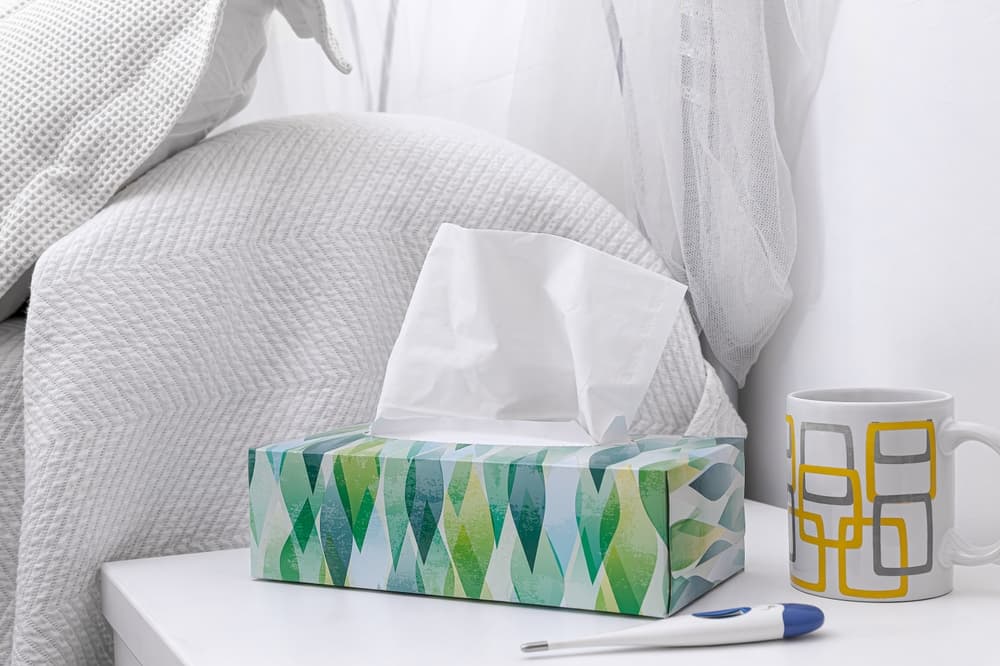
Getting your home ready for cold and flu season takes more than a box of tissues. A solid plan covers HVAC filter maintenance, ventilation, humidity, cleaning routines, sick-day supplies, and vaccinations. This checklist walks U.S. homeowners through 12 practical steps, plus a maintenance schedule and a sick-room setup guide, to help your household get through fall and winter with less stress.
This article provides general home preparation and indoor air quality information. It is not a substitute for professional medical advice. Consult a qualified healthcare professional about flu symptoms, vaccination, treatment, or individual health concerns.
Your Cold & Flu Season Home Checklist at a Glance
| # | Task | When to Do It |
|---|
| 1 | Check and replace your HVAC air filter | Check monthly; replace every 1 to 3 months or per manufacturer guidance |
| 2 | Bring in fresh outdoor air | A few minutes daily, weather permitting |
| 3 | Monitor and adjust indoor humidity | Daily during heating season |
| 4 | Clean frequently touched surfaces | 2 to 3 times per week, daily if someone is sick |
| 5 | Stock up on cold and flu essentials | Early fall, before the season starts |
| 6 | Prepare a recovery space | Before anyone gets sick |
| 7 | Practice handwashing and respiratory hygiene | Daily, year-round |
| 8 | Get your annual flu vaccine | September or October, ideally |
| 9 | Check your medicine cabinet and emergency contacts | Early fall, then monthly during flu season |
| 10 | Plan ahead for sick days | Before the season starts |
| 11 | Consider a portable HEPA air cleaner | As needed for frequently used rooms |
| 12 | Review HVAC fan settings and airflow paths | Once at the start of the season |
12 Ways to Prepare Your Home for Cold and Flu Season
1
Check Your HVAC Air Filter
A clogged air filter makes your HVAC system work harder and reduces airflow throughout the house. Most residential filters need replacing every 1 to 3 months, depending on the filter type, the size of your household, and whether you have pets.
Higher-efficiency filtration can be one part of a broader plan for better indoor air, but it helps to be realistic about what a filter can do. A clean, properly rated filter keeps air moving and captures airborne particles as they pass through your system. It cannot prevent colds, flu, or RSV on its own, and it is no substitute for vaccination, handwashing, or medical care.
If you are due for a replacement, Filterbuy offers MERV 8, MERV 11, and MERV 13 filters sized for most residential systems. MERV 13 filters capture smaller particles than lower-rated options, but they also create more airflow resistance. Check your HVAC system specifications or ask a technician before moving up to a higher MERV rating, especially if your system is older.
2
Improve Ventilation Without Making Your Home Uncomfortable
Ventilation and filtration solve different problems. Filtration cleans the air already inside your home, while ventilation brings in fresh outdoor air to dilute indoor pollutants and particles. Opening windows briefly when the weather allows and running bathroom and kitchen exhaust fans are two easy ways to increase air exchange.
You do not need to leave windows open all day to see a benefit. Even 10 to 15 minutes of cross-ventilation on a milder afternoon can refresh your indoor air without sending your heating bill through the roof.
3
Keep Indoor Humidity at a Comfortable Level
Heating systems dry out indoor air in winter, which can leave your skin, sinuses, and throat feeling irritated. The EPA recommends keeping indoor relative humidity between 30% and 50%. This range keeps your home comfortable, helps prevent mold and dust mites, and protects wood furniture and flooring from drying out or cracking.
A hygrometer, which many smart thermostats have built in, makes it easy to track humidity. If your home regularly drops below 30%, a humidifier can help. If it climbs above 50%, improve ventilation or run a dehumidifier, since excess moisture can lead to mold. Clean your humidifier regularly so it does not release bacteria or mold into the air.
4
Clean Frequently Touched Surfaces
Doorknobs, light switches, remote controls, and faucet handles get touched by everyone in the house, many times a day. Flu viruses can survive on hard surfaces for up to 48 hours, so these spots deserve extra attention.
Wipe them down a few times a week during cold and flu season, and daily if someone at home is sick. Cleaning works best alongside good hand hygiene, not in place of it.
5
Stock Up on Everyday Cold and Flu Essentials
Running out of tissues or fever reducers at 2 a.m. is a uniquely frustrating experience. Before the season gets going, consider stocking:
- Tissues, hand soap, and hand sanitizer
- A thermometer (and spare batteries)
- Over-the-counter fever reducers and pain relievers, including children's versions if you have kids
- Cough drops or throat lozenges
- Electrolyte drinks or packets
- A replacement humidifier filter or wick, if your model uses one
A note on medication: never give aspirin to children or teenagers with flu symptoms, since it is linked to Reye syndrome, a rare but serious condition. Check with a pharmacist or pediatrician if you are unsure which products are safe for your kids.
Keeping everything in one dedicated bin or shelf means you will not be searching the whole house while someone is miserable on the couch.
6
Prepare a Recovery Space Before Anyone Gets Sick
Setting up a recovery area ahead of time, rather than scrambling once someone is already sick, makes the whole experience smoother for everyone.
Ideally, this is a room the sick person can stay in, away from the rest of the household. If space is tight, choose the most separate spot you can, such as a guest bed or a corner of a less-used room, and stock it with extra blankets, a water pitcher, tissues, and a lined trash can.
7
Practice Better Handwashing and Respiratory Hygiene
This one is simple but easy to let slide. Washing your hands with soap and water for at least 20 seconds remains one of the best ways to reduce the spread of respiratory illness at home. Covering coughs and sneezes with a tissue or your elbow and avoiding touching your face round out good respiratory hygiene.
Keep hand sanitizer with at least 60% alcohol near entryways and in high-traffic spots like the kitchen to make the habit easier to keep.
8
Stay Current With Your Annual Flu Vaccine
The CDC recommends a yearly flu vaccine for nearly everyone 6 months and older. Getting vaccinated in September or October gives your body time to build protection before flu activity typically peaks, though getting it later in the season still helps.
Vaccination is especially important for people at higher risk of complications, including young children, adults 65 and older, pregnant people, and those with chronic health conditions. Recommendations can change from year to year, so check with your healthcare provider or pharmacy for current guidance for your household.
9
Expired medication will not do much good when someone is running a fever. Take a few minutes to check expiration dates on fever reducers, cold medicines, and any prescriptions for chronic conditions that illness might affect.
While you are at it, make sure key contacts are posted somewhere visible or saved in a shared household spot, not just buried in one person's phone. Include your pediatrician, primary care provider, nearest urgent care, and Poison Control (1-800-222-1222).
10
Plan Ahead for Sick Days
Illness rarely waits for a convenient week, so think through the logistics now. Who can work from home if a child has to stay home from school? Is there a backup plan for childcare? Does your pantry have a few easy meals, like soup, crackers, or frozen dinners, set aside for days when cooking is not realistic?
A little planning here saves a lot of stress later.
11
Consider a Portable HEPA Air Cleaner for Frequently Used Rooms
In the rooms where your household spends the most time, like bedrooms, home offices, and playrooms, a portable HEPA air cleaner can supplement your HVAC system filtration. Portable air cleaners can reduce airborne particles in a single room, which is especially useful in spaces with weaker central airflow or in a room where someone is recovering.
Like an HVAC filter, a portable air cleaner is one piece of your indoor air quality plan, not a guaranteed shield against illness.
12
Review HVAC Fan Settings and Keep Airflow Paths Clear
Check whether your thermostat fan is set to Auto or On. Auto runs the fan only when your system is heating or cooling. On runs it continuously, so air passes through your filter more often throughout the day. Neither setting is right for every home. The best choice depends on your comfort, your filter, and your energy costs.
Then do a quick walk-through to make sure furniture, curtains, or boxes are not blocking vents and return air grilles. Blocked airflow lowers your system efficiency and can leave some rooms warmer or colder than others.
What Should You Do If Someone in Your Home Gets the Flu?
Set Up the Sick Room
If possible, give the sick person their own room, ideally with a separate bathroom. Keep tissues, a lined trash can, water, and any needed medications within reach so they do not have to wander the house.
Protect Other Household Members
The sick person should stay home and keep their distance from others until they have gone at least 24 hours with improving symptoms and no fever, without the help of fever-reducing medication. For the next five days after that, extra precautions like frequent handwashing and keeping some distance from others still help. Caregivers should wash their hands often, and shared surfaces should be cleaned daily.
Know When to Seek Medical Advice
Most people recover from the flu with rest, fluids, and time. If someone in your home is at higher risk of complications, call their doctor early, since antiviral medication works best when started within 48 hours of symptoms. Seek medical care right away for warning signs like trouble breathing, chest pain or pressure, confusion, severe weakness, a high fever that will not come down, or symptoms that improve and then come back worse. In young children, also watch for fast breathing, bluish lips, signs of dehydration, or unusual irritability.
Your Cold and Flu Season Home Maintenance Schedule
| Frequency | Tasks |
|---|
| Daily | Wash hands often; check humidity levels; ventilate briefly when weather allows; wipe down kitchen and bathroom counters |
|---|
| 2 to 3 Times a Week | Clean high-touch surfaces like doorknobs, light switches, and remotes |
|---|
| Monthly | Check HVAC filter condition; review medicine cabinet expiration dates |
|---|
| As Needed | Replace HVAC filter (every 1 to 3 months); clean and refill humidifier; restock sick-day supplies |
|---|
| When Someone Is Sick | Set up the sick room; clean high-touch surfaces daily; keep the sick person separated; monitor symptoms |
|---|
Post this schedule on the fridge or add it to a shared calendar app so it is easier to stay consistent once the season gets busy.
Common Cold and Flu Season Preparation Mistakes to Avoid
| Common Mistake | Better Approach |
|---|
| ✗Waiting until someone is sick to buy supplies | ✓Stock cold and flu essentials in early fall |
| ✗Assuming a dirty air filter only affects comfort | ✓Replace filters on schedule to keep airflow and filtration consistent |
| ✗Keeping windows sealed all winter | ✓Ventilate briefly on milder days to refresh indoor air |
| ✗Running a humidifier without monitoring levels | ✓Track humidity with a hygrometer and aim for 30% to 50% |
| ✗Relying on disinfecting alone | ✓Pair cleaning with handwashing and good respiratory hygiene |
| ✗Upgrading to a MERV 13 filter without checking compatibility | ✓Confirm your HVAC system can handle a higher MERV rating first |
A Healthier Home Starts With Simple Preparation
None of these steps requires a renovation or a big budget. Most of it comes down to small, steady habits: wiping down the surfaces people touch most, keeping an eye on humidity, cracking a window when the weather cooperates, and making sure there is soup in the pantry before anyone needs it.
Start with your HVAC system before the season picks up. If it has been a few months since you last checked your air filter, now is a good time. Filterbuy MERV 8, MERV 11, and MERV 13 filters fit most standard residential systems, so it is easy to find a replacement that suits your home. Just check your system specifications before you move up to a higher MERV rating.
Shop Air Filters
Frequently Asked Questions
How do I prepare my home for cold and flu season?
Start with the basics: check your HVAC air filter, monitor indoor humidity, ventilate when the weather allows, and stock up on supplies before the season begins. Setting up a recovery space and reviewing emergency contacts ahead of time also helps your household respond quickly if someone gets sick.
Can an HVAC air filter help during flu season?
A clean, properly rated HVAC air filter supports good airflow and captures airborne particles as part of a broader indoor air quality plan. However, no air filter can prevent colds, flu, or RSV, and it does not replace vaccination or medical care.
Should I open my windows during flu season?
Yes, briefly. Opening windows on milder days swaps stale indoor air for fresh outdoor air. You do not need to keep them open all day, since even 10 to 15 minutes of cross-ventilation helps.
What humidity level is best for a home during winter?
The EPA recommends keeping indoor relative humidity between 30% and 50%. This range keeps your home comfortable and helps prevent mold and dust mites. Some studies suggest flu viruses survive longer in very dry air, but humidity control alone is not a proven way to prevent the flu.
What should I do if someone in my home has the flu?
Set up a dedicated recovery space, keep the sick person separated from others as much as possible, step up handwashing and surface cleaning, and watch for warning signs that need medical attention, such as trouble breathing or chest pain. If they are at higher risk of complications, contact their doctor early.
Is disinfecting the house enough to prevent flu?
No. Cleaning high-touch surfaces helps, but it works best as part of a routine that also includes handwashing, ventilation, humidity control, and an annual flu vaccine.
Sources: