
How Cheap Filters Can Cost You More Over Time
October 30, 2025

Everyone loves a good deal. Whether it's finding a discount on a new pair of shoes or saving a few dollars on groceries, cutting costs feels good. But when it comes to the air filters for your home's HVAC system, a lower price tag upfront can lead to much higher costs down the road.
This might sound counterintuitive, but the cheapest filters often end up being the most expensive choice. In this guide, we'll explain how those budget-friendly fiberglass filters can negatively affect your home's air quality, your HVAC system's performance, and your energy bills. We’ll also show why pleated filters, specifically MERV 8–13 options from Filterbuy, represent the sweet spot between affordability and long-term value.
Key Takeaways
Cheap, flat-panel filters often clog quickly, forcing your HVAC system to work harder and less efficiently.
This extra strain can lead to higher energy bills and a shorter lifespan for your heating and cooling system.
Pleated MERV 8–13 filters from Filterbuy provide a superior balance of cost, filtration efficiency, and protection for your home's air quality.
The Real Cost of Cheap Air Filters
The most common cheap air filters are the flat, blue fiberglass ones you see at the hardware store for just a few dollars. While their low price is tempting, their construction tells a different story. They have a very short lifespan and are designed to capture only the largest dust and lint particles.
Because they are less effective, smaller particles like dust, pet dander, and pollen can easily pass through. This dust doesn't just disappear; it builds up inside your ductwork and on your HVAC system's sensitive components, like the evaporator and condenser coils. As an HVAC technician might tell you, "Clogged coils are one of the most common causes of system breakdowns. A cheap filter is often the culprit." This buildup forces your system to work harder to push air through, leading to:
Higher maintenance costs: You'll need more frequent professional cleanings to remove the accumulated grime.
More frequent repairs: The extra strain on the system's motor and other parts can cause them to fail prematurely.
Reduced system lifespan: An overworked HVAC system simply won't last as long as one that's properly maintained with a quality filter.
Think of it like using the cheapest oil in your car—you might save a few dollars at first, but you risk expensive engine damage over time.
How Cheap Filters Impact Indoor Air Quality
Your family's health is invaluable, and your air filter plays a crucial role in protecting it. According to the U.S. Environmental Protection Agency (EPA), the concentration of some pollutants is often two to five times higher indoors than outdoors. A low-quality filter allows many of these pollutants to circulate freely throughout your home.
Cheap fiberglass filters do little to stop common indoor allergens and irritants, such as:
Pollen
Pet dander
Mold spores
Dust mites
If anyone in your home suffers from allergies, asthma, or other respiratory issues, a cheap filter can make their symptoms worse. The very particles that trigger coughing, sneezing, and irritation are the ones that sail right through these basic filters. Investing in a better filter is a direct investment in your family's well-being.
Why Pleated Filters Are a Better Investment
This is where pleated vs non-pleated air filters come into the picture. Unlike the flat surface of a cheap fiberglass filter, a pleated filter has a folded design that dramatically increases its surface area. This means it can trap a much larger volume of particles without restricting airflow.
Filterbuy’s pleated filters, all proudly manufactured in the USA, are made from high-quality materials that effectively capture smaller particles that cheaper filters miss. This increased filtration provides several benefits:
Better Airflow: The pleated design allows air to move more freely, even as the filter collects dust and debris.
Longer Lifespan: Because they have more surface area, pleated filters can hold more particles and last up to three months, compared to the 30-day lifespan of most cheap fiberglass filters.
Superior Protection: They do a much better job of protecting both your HVAC system and your indoor air quality from harmful contaminants.
The Science Behind MERV Ratings
To understand filter performance, you need to know about MERV, or Minimum Efficiency Reporting Value. This rating, which ranges from 1 to 20, indicates how effectively a filter captures airborne particles. A higher MERV rating means better filtration.
For most homes, the ideal range is MERV 8–13. This range offers a great balance of filtration efficiency and healthy airflow, making it one of the top MERV 8–13 filters benefits. Here’s a quick breakdown:
MERV 8: Captures large particles like dust, pollen, and lint. An excellent choice for standard household use.
MERV 11: Traps smaller particles, including pet dander and mold spores, making it ideal for homes with pets or family members with mild allergies.
MERV 13: Provides superior residential protection by capturing even smaller particles like bacteria, smoke, and some virus carriers. This is a great option for those with significant allergies or asthma.
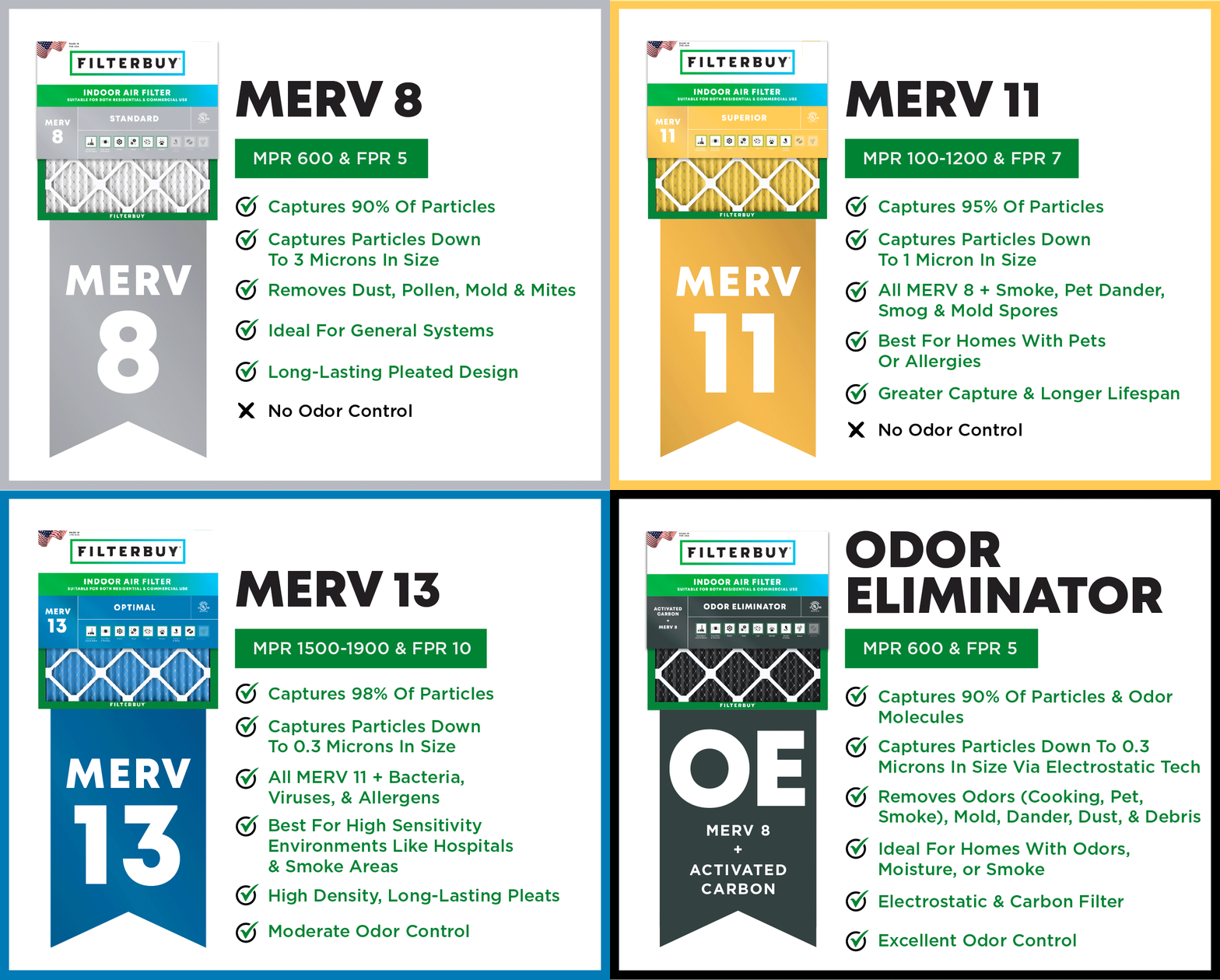
Cheap fiberglass filters typically have a MERV rating of 4 or less, highlighting their inability to provide adequate protection.
Cheap vs. Expensive Air Filters: The HVAC Difference
This principle of quality over initial cost isn't limited to just filters in general. When you compare cheap vs. expensive HVAC air filters, the same logic applies. A cheap, low-quality HVAC filter can restrict airflow, making your system work harder and reducing its efficiency.
Similarly, a low-quality filter will fail to effectively block pollutants from circulating throughout your home, affecting the air quality you breathe. In both cases, paying a little more upfront for a quality HVAC filter saves you money on energy bills and potential system repairs, while providing a healthier indoor environment. The theme holds true: investing more initially in quality saves you much more over time.
How to Choose the Right Air Filter for Your Home
Selecting the right high-quality air filter for your home HVAC system doesn't have to be complicated. Here’s a simple guide to help you decide:
For general households: A MERV 8 filter provides excellent protection against common dust and pollen.
For allergy sufferers or homes with pets: A MERV 11 filter is a significant upgrade, capturing pet dander and mold spores.
For maximum protection: A MERV 13 filter is the optimal choice for capturing the widest range of airborne particles.
At Filterbuy, we offer pleated filters in all three of these MERV ratings. With our easy-to-use online store, you can find the exact size you need—including custom dimensions—and have it delivered right to your door for free.
Smart Choices With Filterbuy Saves You Money Long-Term
While a cheap air filter might seem like a smart way to save a few dollars, the hidden costs quickly add up. From higher energy bills and expensive HVAC repairs to poor indoor air quality that can affect your family's health, a cheap filter is a purchase you'll pay for again and again.
Investing in a high-quality pleated filter from Filterbuy's MERV 8–13 range is one of the simplest and most effective ways to protect your HVAC system, improve your home's air, and ultimately, save money. Stop wasting money on cheap filters. Upgrade your home’s air quality with Filterbuy’s pleated filters today.
Frequently Asked Questions
What happens if I use cheap air filters in my home HVAC system?
Cheap filters allow dust and debris to build up in your HVAC system, forcing it to work harder. This can lead to increased energy consumption, more frequent repairs, and a shorter system lifespan.
How often do cheap filters need to be replaced?
Cheap fiberglass filters typically need to be replaced every 30 days, whereas high-quality pleated filters can last up to 90 days.
Are expensive air filters really worth it?
Yes. While they cost more upfront, high-quality filters save you money in the long run by protecting your HVAC system from costly damage, lowering energy bills, and improving indoor air quality.
What’s the difference between pleated and non-pleated filters?
Pleated filters have a larger surface area due to their folded design, allowing them to capture more particles without restricting airflow. Non-pleated (flat) filters have less surface area and are less efficient.
How do cheap filters affect my energy bills?
When a cheap filter clogs quickly or allows dust to build up in your system, your HVAC unit has to run longer and harder to heat or cool your home, leading to higher energy consumption and bigger bills.
Can low-quality filters damage my HVAC system?
Absolutely. By allowing dirt and debris to accumulate on sensitive components like coils and motors, low-quality filters can cause significant wear and tear, leading to premature system failure.
What MERV rating should I choose for my home?
For most homes, a MERV 8 filter is a great starting point. If you have pets or allergies, consider a MERV 11. For maximum residential protection, a MERV 13 is ideal.
How do pleated MERV 8–13 filters improve indoor air quality?
These filters are effective at capturing a wide range of airborne particles, including dust, pollen, pet dander, mold spores, and even some bacteria, which helps keep the air inside your home cleaner and healthier.
Do cheap filters protect against allergens or mold?
Generally, no. Cheap fiberglass filters are not dense enough to capture small particles like mold spores and most common allergens.
Where can I buy high-quality pleated filters online?
You can find a wide range of high-quality, USA-made pleated air filters in standard and custom sizes at Filterbuy.com, with fast, free shipping on all orders.