
Best MERV 16 Furnace & HVAC Air Filter: Do You Really Need It?
September 17, 2025
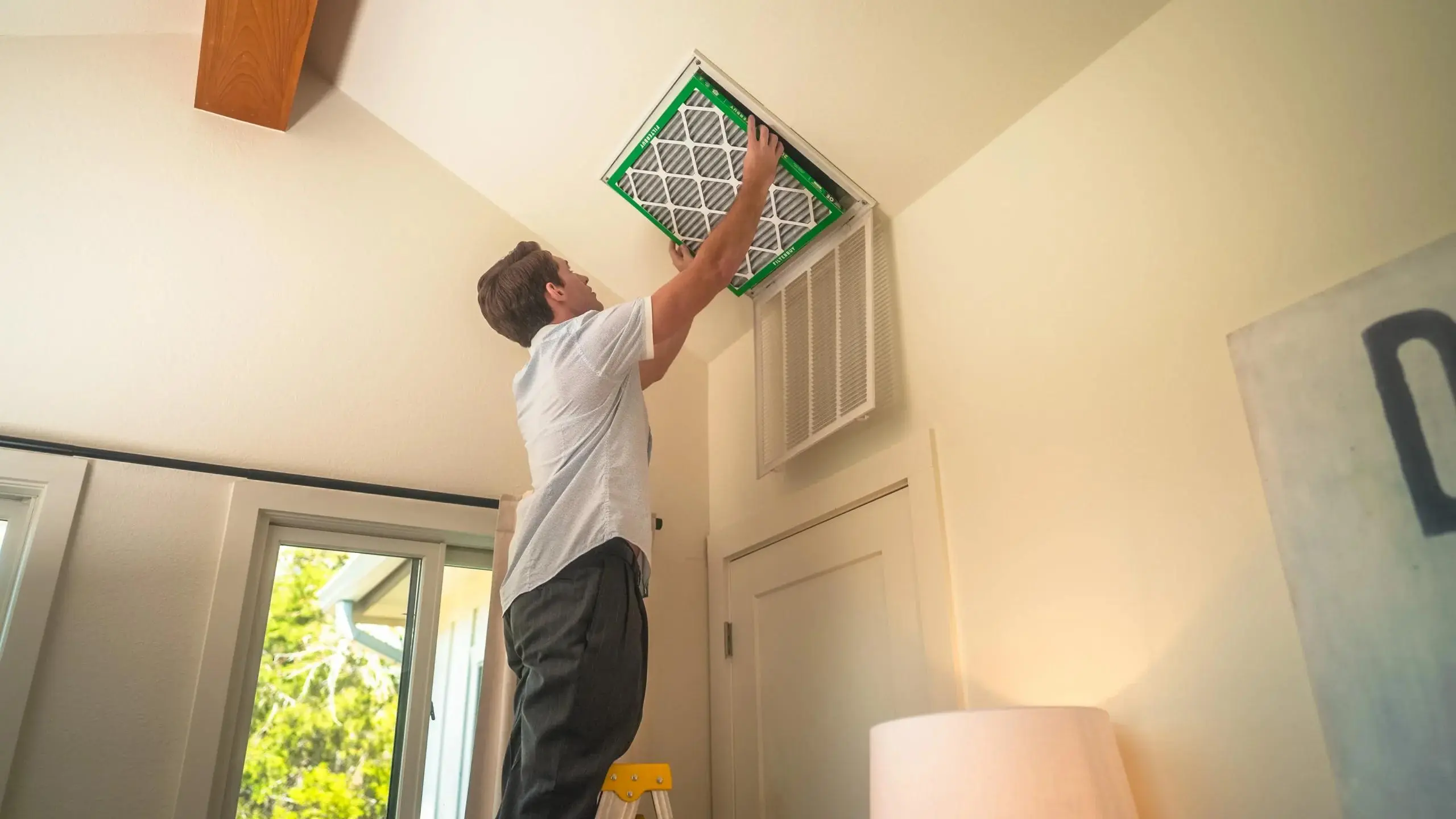
Looking for the best MERV 16 furnace filter? These high-performance filters are designed to capture ultra-fine particles, making them ideal for specialized environments like hospitals and clean rooms.
However, they may not be the best choice for most homes. Residential HVAC systems typically function more efficiently with MERV 8-13 pleated filters, which offer excellent air quality while protecting your equipment, maintaining airflow, and avoiding unnecessary strain.
Before investing in an expensive MERV 16 filter, it’s important to consider whether your home truly requires this level of filtration. For most households, a MERV 8-13 filter from Filterbuy provides a practical balance of air purification and system performance. Let’s explore whether this more practical option can meet your needs without over-complicating your HVAC setup.
Key Takeaways
MERV 16 captures ultra-fine particles, providing superior filtration for allergens and pollutants, but many home HVAC systems aren't designed for it; airflow can suffer, potentially straining your system.
For most households, MERV 8–13 pleated filters balance clean air and system health, offering effective filtration for dust, pollen, and other particles without reducing airflow—Filterbuy has the sizes and quality to fit right for your home.
Costs & upkeep: MERV 16 media filters cost more and may have longer change intervals, but real-world life varies by usage, meaning how often you need to replace them depends on factors like indoor air quality and HVAC runtime.
MERV Ratings 101 (What They Mean & How They Affect Airflow)
What is MERV?
MERV stands for Minimum Efficiency Reporting Value—a standardized rating system that measures how effectively air filters capture particles. The scale runs from 1 to 16, with higher numbers indicating finer filtration capabilities.
Think of MERV ratings like a strainer: MERV 8 is like a pasta strainer that catches larger debris, while MERV 16 is more like an espresso filter that blocks nearly everything. Both have their place, but you wouldn't use an espresso filter to drain spaghetti.
Quick Comparison: MERV 8 vs 11 vs 13 vs 16
| MERV Rating | Filtration Level | System Demand | Best Fit Environment |
|---|---|---|---|
| MERV 8 | Large particles like dust and pollen | Low strain on HVAC | Apartments, older systems, basic needs |
| MERV 11 | Smaller allergens and pet-related particles | Moderate system load | Homes with pets or allergy sensitivity |
| MERV 13 | Fine particles including smoke and bacteria | Higher airflow resistance | Health-conscious households, urban areas |
| MERV 16 | Near-HEPA level capture of micro-particles | Very high system demand | Medical facilities, controlled environments |
Who Actually Needs MERV 16?
MERV 16 filters excel in specialized environments where ultra-clean air is critical:
Medical facilities requiring sterile air
Homes with severe respiratory conditions under medical supervision
Properties with dedicated 4-5" media cabinets designed for high-efficiency filtration
Areas with extreme air quality challenges like heavy wildfire smoke exposure
However, the EPA suggests upgrading to MERV-13 or the highest your system can handle for most homes. Jumping straight to MERV 16 often creates more problems than it solves in residential settings.
Can My HVAC Handle MERV 16?
Many residential systems struggle with MERV 16 filters due to static pressure and airflow restrictions. Here's why compatibility matters:
1" Filter Slots vs. 4-5" Media Cabinets
Standard 1" residential filter slots aren't designed for MERV 16 efficiency. These ultra-high filters work best in thick media cabinets that provide more surface area for air to pass through.
Static Pressure Concerns
MERV 16 filters create significant airflow resistance. If your system wasn't engineered for this level of filtration, you risk:
Reduced comfort and uneven temperatures
Higher energy bills from overworked equipment
Potential equipment damage from strain
The Safe Approach
Check your HVAC manual for the maximum recommended MERV rating. Most residential systems handle MERV 13 safely, while MERV 16 requires specialized equipment or professional consultation.
Sizes & Fitment of Different Filters
MERV 16 filters typically come in thick media formats rather than standard 1" pleated designs:
Common MERV 16 Media Sizes:
20x25x5 (popular Lennox/Aprilaire size)
16x25x5
20x20x5
Brand-specific housing dimensions
Measuring Matters
Always measure your actual filter slot, not just the old filter. Nominal sizes (like "20x25x5") may differ from actual dimensions by up to 1/4". A filter that doesn't fit properly allows unfiltered air to bypass the media entirely.
For precise sizing guidance and easy measurement tips, check your system specifications or consult with an HVAC professional.
Prices & Maintenance of MERV Filters
MERV 16 media filters command premium prices compared to standard pleated filters:
Cost Considerations:
MERV 16 media filters: $25-60+ each
MERV 8-13 pleated filters: $5-20 each
Replacement frequency: Media filters claim 6-12 months; actual life varies
Real-World Replacement Schedule
While manufacturers market MERV 16 media filters for extended use, actual lifespan depends on:
Indoor air quality and dust levels
System runtime and airflow
Seasonal factors like pollen or construction nearby
Many homeowners find they need replacement every 6-8 months rather than the claimed 12 months.
Comparing MERV 16 vs HEPA Filters
HEPA (High-Efficiency Particulate Air) filters use a different standard entirely and generally exceed MERV 16 performance:
Key Differences:
HEPA Standard: Removes 99.97% of 0.3-micron particles
MERV 16: Captures 95%+ of particles in the same range
HVAC Compatibility: HEPA filters rarely work in standard central air systems without major modifications
For central HVAC applications, MERV ratings provide the practical standard. HEPA filters shine in standalone air purifiers and specialized commercial systems.
Why You Should Buy MERV 8–13 Pleated Filters from Filterbuy
Here's why MERV 8-13 pleated filters hit the sweet spot for most homeowners:
Perfect Balance
These ratings provide excellent air cleaning without overwhelming your HVAC system. You get cleaner air, better equipment longevity, and lower operating costs.
Convenient Replacement
Unlike bulky media filters, pleated filters are:
Easy to find and install
Available for quick delivery
Competitively priced for regular replacement
Precise Sizing
Filterbuy offers exact sizing for hundreds of dimensions, ensuring a proper fit that maximizes filtration efficiency.
Quick Pick Guide
MERV 8: Everyday dust & HVAC protection
Perfect for basic homes without special air quality needs. Captures lint, dust, and pollen while maintaining excellent airflow.
MERV 11: Pets & pollen
Ideal upgrade for pet owners or mild allergy sufferers. Traps pet dander, dust mites, and smaller pollen particles.
MERV 13: Allergies/smoke (if your system supports)
Best choice for severe allergies, smoke sensitivity, or health-conscious households. Captures bacteria, fine smoke particles, and most allergens.
How to Replace Your Furnace Filter
Turn off your HVAC system at the thermostat and breaker for safety
Verify the correct size by measuring your filter slot dimensions
Check the airflow arrow direction—it should point toward your blower unit
Seat the filter snugly in the slot with no gaps around the edges
Set a reminder for your next replacement date (typically 1-3 months)
Filterbuy Is The Smart Choice for Most Homes
MERV 16 filters serve specialized purposes, but they're overkill for typical residential use. MERV 8-13 pleated filters from Filterbuy deliver the air quality most families need while protecting your HVAC investment.
Choose the highest MERV rating your system supports comfortably, replace filters on schedule, and enjoy cleaner air without the complications of over-filtration.
Ready to find your perfect filter? Filterbuy offers American-made filters in every size with fast, free shipping and expert guidance to help you breathe easier.
Frequently Asked Questions
What is the MERV 16 filter good for?
Capturing very fine particles (including smoke and some bacteria) in systems designed for high-efficiency media; it's often used in specialized or upgraded residential setups and commercial settings. For many homes, EPA suggests MERV-13 or the highest your system supports.
Can my HVAC handle MERV 16?
Only if it's engineered for high-MERV media (typically 4-5" cabinets) and maintains safe static pressure; many standard 1" residential setups are not. Always check your manual or consult an HVAC pro first.
Which MERV rating is best for a furnace?
For most homes, MERV 8-13 balances clean air and system health; choose the highest your system supports without compromising airflow.
Is MERV 16 as good as HEPA?
No—HEPA uses a different standard and exceeds the MERV scale used for home HVAC (generally beyond MERV 16).
Is MERV 16 too restrictive?
It can be in many standard systems, raising static pressure and reducing airflow if the system isn't designed for it—leading to poor comfort and potential equipment strain.
Does the MERV 16 filter help with smoke?
Yes—high-MERV filters capture fine smoke particles, though EPA typically recommends MERV 13 or higher where the system allows.
Which is better, MERV 11 or 16?
MERV 16 filters finer particles, but MERV 11 often offers better airflow and compatibility in standard home systems; pick based on what your equipment supports and your air-quality needs.
How often should I change my MERV 16 filter?
Many 4-5" media filters are marketed for up to 12 months, but replacement frequency depends on use, air quality, and system runtime—inspect regularly.
What MERV rating is best for allergies?
Start with MERV 11-13 if your system supports it; higher capture rates for pollen, pet dander, and fine particles can help sensitive households.