
Lubbock, TX Live Wildfire Smoke Map
Get Alerts For Wildfires In Your Area
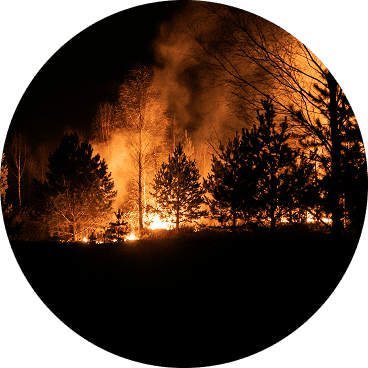
The moment a wildfire starts near you, you'll get an instant alert and simple tips to reduce your smoke exposure.
What's In The Smoke
30xSmaller than a human hair
Fine enough to reach deep into the lungs. A MERV 13 is built to capture it.
How Far It Travels


It Doesn't Stay Local
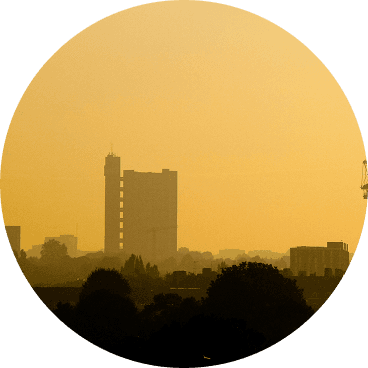
Smoke rides the wind far downwind — you can get smoky air with no fire nearby.
What To Do During A Smoke Event
Simple steps to reduce indoor exposure.
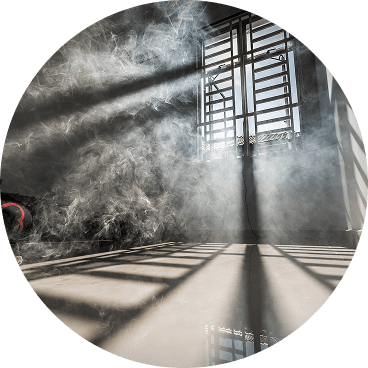
- Stay In, Close UpShut windows and doors to keep smoke out.
- Set Fan To "On"Keeps air cycling through your filter, not just when heating or cooling.
- Recirculate AirSwitch off fresh-air intake so you're not pulling smoke in.
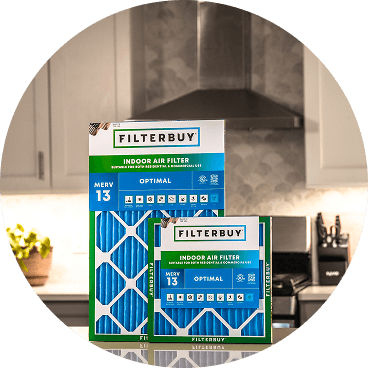
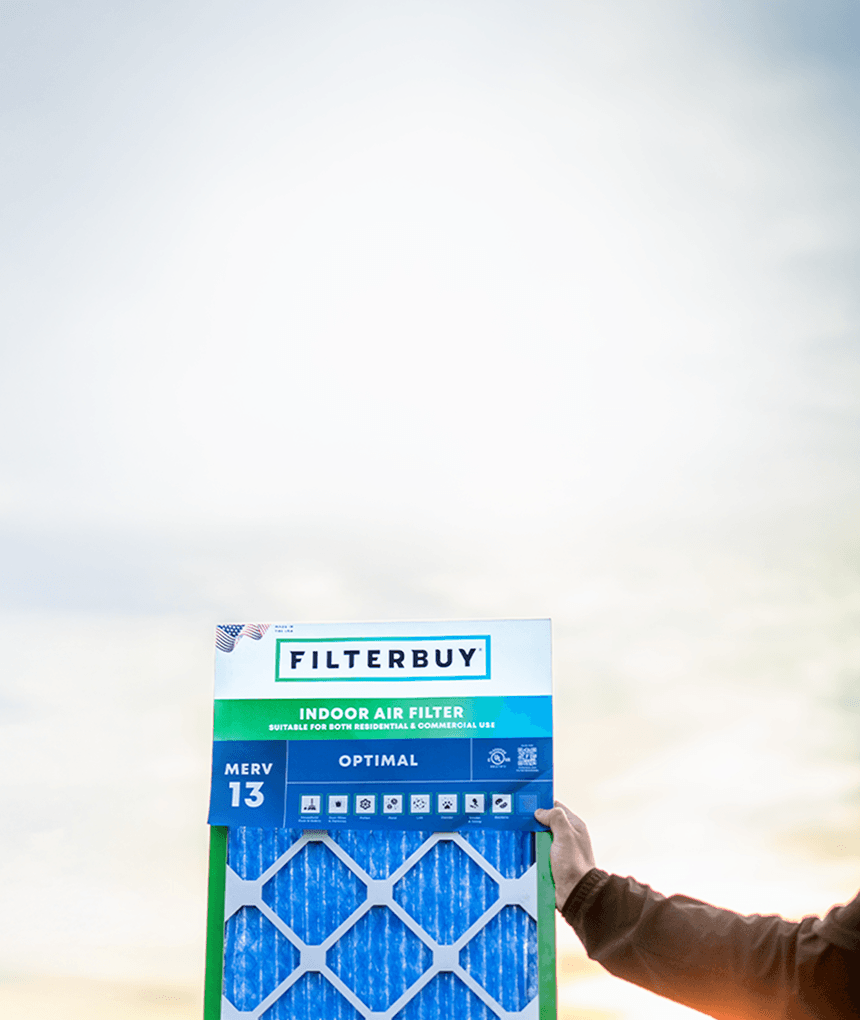
- Run A MERV 13Built to capture the fine PM2.5 in smoke.
- Add A PurifierExtra filtration for the room you use most.
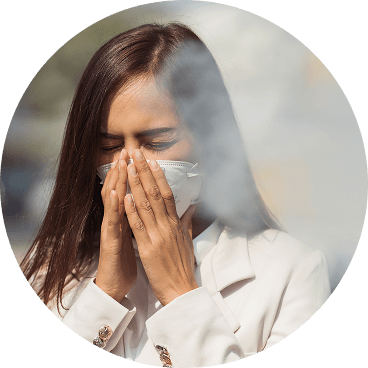
- Wear an N95 if OutsideFits snug to block fine particles — a cloth mask won't.


The Best Air Filter For Wildfire Smoke
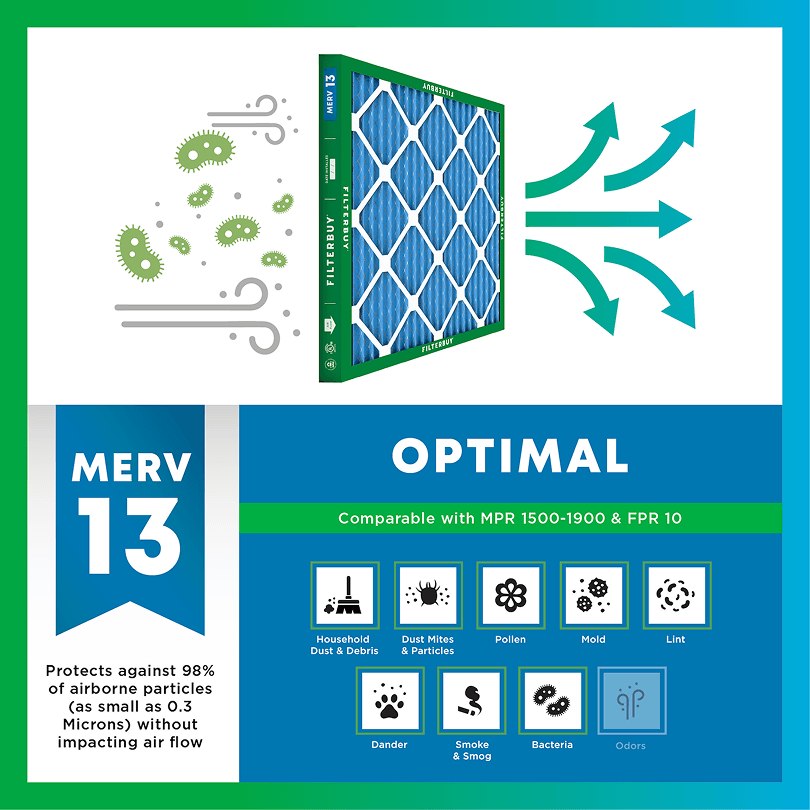
During smoke events, the EPA recommends upgrading to a MERV 13 filter — or the highest-rated filter your system can handle — to help reduce the fine particles smoke brings indoors. MERV 13 is the level most home HVAC systems can run while still capturing PM2.5, the fine particulate that makes up the bulk of wildfire smoke.
- Captures PM2.5 particles
- Blocks ash, soot, and smoke odor
- Keeps your indoor air safe—even when the outdoor air is dangerous
- Meets the EPA's recommended rating for filtering fine wildfire smoke particles.

Wildfire Smoke FAQs
Facts About Wildfires
Over 70,000 wildfires burn in the U.S. every year.
Wildfire smoke can travel 1,000+ miles, affecting states that aren't even near the blaze.
Exposure to wildfire smoke can worsen asthma, trigger heart issues, and lead to ER visits.
Indoor air can hold more fine particles during wildfire events unless it's properly filtered.
The EPA advises using MERV 13 filters or portable HEPA air cleaners during wildfire smoke events.
Don't Wait Until The Smoke's Inside.
Use the live wildfire smoke tracker and upgrade your air filters today to protect your lungs and your home.
Shop Filters For Smoke Protection
Live Lubbock, TX Forest Wildfire & Smoke Map Today: Local Air Quality Tracking & Indoor Protection Solutions from Filterbuy.com's Air Obsessed Experts
By Michelle Wan, Brand Manager & Air Quality Writer
Reviewed By: David Clark, Licensed HVAC Technician
Published: August 9, 2026 | Updated: August 9, 2026
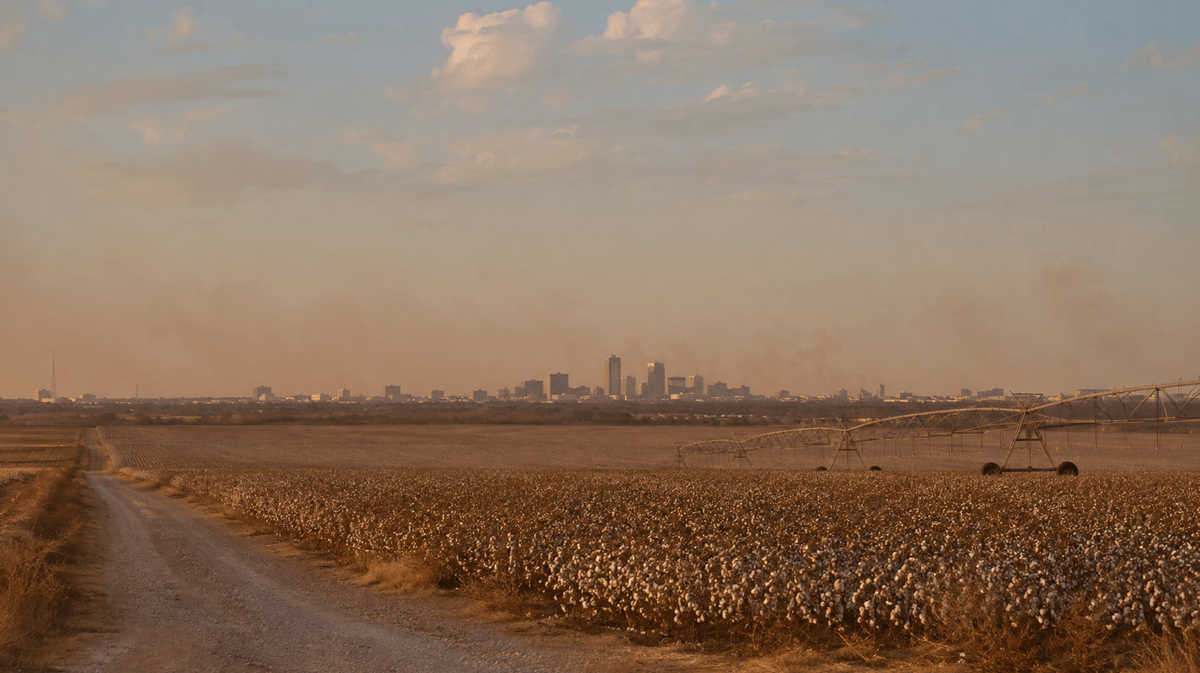
On the South Plains, the same wind that pushes a grass fire across twenty miles of open country also lifts red dirt off a bare cotton field, and either one reaches your house through the return vents before you see it. The particles that matter are invisible from the porch.
TL;DR
The live map above shows fire detections and satellite smoke plumes affecting Lubbock, Texas right now. Lubbock sits on treeless shortgrass prairie, so the local threat is wind-driven grass fire and blowing dust rather than forest fire. When the Air Quality Index passes 100, close the house, set the thermostat fan to ON, and run a MERV 13 filter until conditions clear.
Key Takeaways
Lubbock has no forest. The Llano Estacado is grassland, and the fuel is cured grass, Conservation Reserve Program stands, and crop residue.
Peak fire danger falls February through April, not the summer months national coverage assumes.
Blowing dust is Lubbock's most frequent particulate event, and it registers as coarse PM10 rather than the PM2.5 a smoke map weights most heavily.
A MERV 13 filter with the fan set to ON is the fastest indoor protection during a smoke or dust event.
How To Read The Live Lubbock Wildfire And Smoke Map Today
Red points are satellite heat detections, gray shading is smoke seen from orbit, and the colored dial is the reading from the nearest air monitor. A red point is a heat signature, not a confirmed threat to any structure, and gray shading may sit aloft without reaching ground level. Check the monitor closest to your address rather than the county color.
The map has two blind spots. The federal fire feed behind those red points carries prescribed and controlled burns alongside wildfire, so a detection near Lubbock may be a planned rangeland burn. The dial is weighted toward PM2.5, so a dust day dominated by coarse PM10 can read Moderate while the dust outside is obvious. On a dust day, the sky is the better guide, though your monitor band still sets what you should do indoors.
The map is built by the U.S. Environmental Protection Agency and the U.S. Forest Service. Verify evacuation information through official Lubbock County channels rather than social media.
Why Lubbock Has No Forest Fires And What Actually Burns Here
Lubbock has no forest inside its fire weather region. The Llano Estacado, the tableland the city sits on, has been grassland throughout the Quaternary, so fire here carries through cured grass, Conservation Reserve Program stands, and crop residue. A South Plains fire spreads fast and wide rather than climbing into a canopy.
Texas A&M Forest Service classifies the fuel from Amarillo to Lubbock as pure grass stands, much of it cropland, and CRP grasses carry a heavier load than grazed rangeland. The agency tracks these events as a Southern Plains Wildfire Outbreak, comparable to the Santa Ana wind events of southern California. Since 2005, those fires have made up 3 percent of reported Texas wildfires and 49 percent of the acres burned.
National wildfire coverage does not make this distinction, so a household following advice written for forest country prepares for a threat that is not coming while the smoke actually overhead moves through the return vents.
Smoke Or Dust? How To Tell What You Are Breathing In Lubbock
Color and smell separate them, and both call for the same response, which is closing the house and filtering the indoor air. Smoke is dominated by fine PM2.5, dust by coarse PM10. Dust is the more frequent event here, and coarse-particle monitoring across West Texas is sparse.
Table 1. Smoke versus dust diagnostic
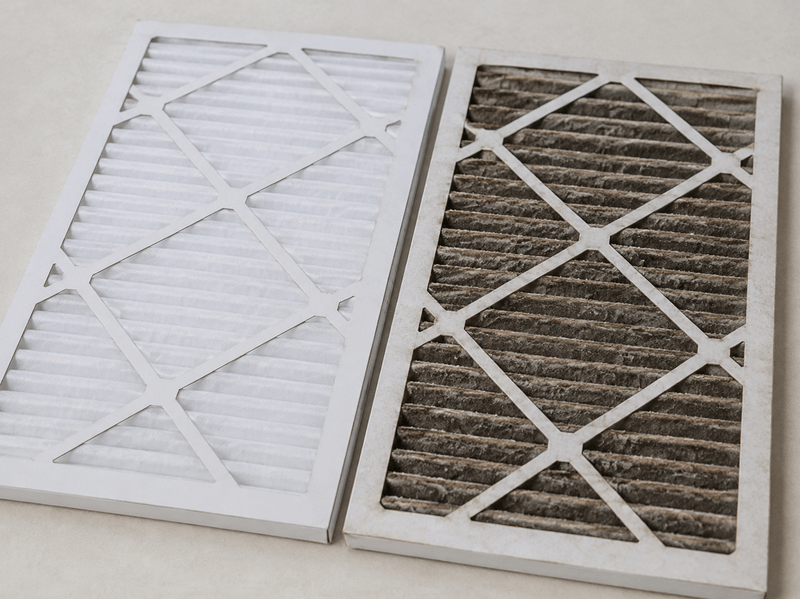
Filterbuy has manufactured pleated filters in the United States since 2013. Coarse dust cakes on the upstream face of the media while fine smoke particles load into its depth, which is why the same filter reads differently after each kind of event.
When Fire Danger Peaks On The South Plains
South Plains fire danger peaks from roughly February through April, not midsummer. The driver is dormant grass. Once the growing season ends and grass cures, a dry cold front delivers the low humidity and wind that turns a spark into a fast-moving fire.
The National Weather Service office in Lubbock issues Red Flag Warnings when that combination arrives, and a warning for Lubbock County is notice that a smoke event is possible within hours. The Texas Commission on Environmental Quality publishes a daily statewide forecast naming the Lubbock area, giving about a day of lead time to change a filter.
What Today's AQI Reading Means Inside Your Lubbock Home
An AQI reading translates into an indoor decision. The table maps each band to its usual Lubbock cause and the action to take today.
Table 2. AQI band to household action
Sensitive groups in Lubbock include children, adults over 65, anyone pregnant, and anyone with asthma, COPD, or heart disease. Lubbock County also runs on outdoor work, so cotton ground, feedyards, oilfield service, and construction put people outside through the spring peak.
Which Filter To Run During A Lubbock Smoke Or Dust Event
Run a MERV 13 filter with the thermostat fan set to ON rather than AUTO. That is the fastest protection most Lubbock households can put in place today, and MERV 13 is the rating the EPA recommends during wildfire smoke events. On AUTO, the blower runs only when the system calls for heating or cooling, leaving the filter idle while a plume passes overhead.
Dust changes the replacement math, and Filterbuy sees it change harder than smoke does. Coarse particulate loads a filter far faster, so a ninety-day filter can lose airflow within weeks. Inspect every one to two weeks from February through April, and a two-inch or four-inch pleated filter holds up better than a one-inch panel.
Filterbuy makes more than 600 sizes, including custom dimensions. The Filterbuy guide to MERV 13 versus HEPA for wildfire smoke covers system compatibility, and the live Texas wildfire and smoke map shows conditions statewide.
After manufacturing filters for over a decade and serving more than two million households, we have learned that the people who get hurt are usually not the ones near the fire. They are two hundred miles downwind, and they never closed the windows because the sky looked fine. On the South Plains you get both problems on one wind, smoke off a Panhandle grass fire and dirt off a field ten miles out. The bedroom air tonight is the part you actually control.
David Heacock, Founder and CEO, Filterbuy
Essential Resources
Filterbuy selected these from federal agencies, state authorities, and health nonprofits.
Using AirNow During Wildfire Smoke Events. Reading the Fire and Smoke Map.
NWS Lubbock Fire Weather Briefing. Red Flag Warnings and fire danger outlooks.
Texas Daily Air Quality Forecast. TCEQ forecast naming the Lubbock area.
EPA Research On Do-It-Yourself Air Cleaners. Low-cost box fan and MERV 13 designs.
CDC Wildfire Safety Guidance. Federal guidance on smoke and ash.
American Lung Association Guidance On Wildfire Smoke. Clean room setup and lung health.
Supporting Statistics
Wildfire Smoke Hits Lungs Harder Than Ordinary Pollution
A 2021 Nature Communications study found a 10 microgram per cubic meter rise in wildfire-specific PM2.5 raised respiratory hospitalizations by 1.3 to 10 percent, against 0.67 to 1.3 percent for the same rise from other sources (Aguilera and colleagues on wildfire smoke and respiratory health).
Nearly Nine In Ten U.S. Wildfires Start With People
Human-caused fires accounted for 88 percent of U.S. wildfires on the ten-year average as of 2023. On the South Plains, equipment sparks, roadside ignition, escaped debris burns, and downed power lines drive most starts (National Interagency Fire Center wildfire investigation data).
Fine Particles Plus Heat Raise Cardiac Risk
A 2023 Circulation study of more than 202,000 heart attack deaths in one Chinese province found fatal risk roughly doubled during four-day heat waves with fine particulate above 37.5 micrograms per cubic meter. Lubbock summers supply the heat (American Heart Association research on heat and fine particulate pollution).
Frequently Asked Questions
What You Need To Do Today
The worst air days here do not always look like it, so the setup work belongs before the February peak rather than during it. Check the live map and your nearest monitor today. Find the size printed on your current filter and order a MERV 13 to match. Set the thermostat fan to ON the moment the map shows a plume or the sky turns tan, and if dust season means changing filters more often, put the replacements on a schedule.
About This Page
Written by Michelle Wan, Brand Manager and Air Quality Writer at Filterbuy. Technically reviewed by David Clark, Licensed HVAC Technician. Updated August 5, 2026.
Filterbuy is an American air filter manufacturer in Talladega, Alabama, making pleated filters in more than 600 sizes.
Glossary
PM2.5 and PM10. Fine particulate 2.5 micrometers or smaller, the main component of wildfire smoke, and coarse particulate 10 micrometers or smaller, the main component of blowing dust.
MERV. Minimum Efficiency Reporting Value, the scale rating how well an HVAC filter captures airborne particles. The residential range runs 1 through 16.
Llano Estacado. The Southern High Plains tableland covering the Texas South Plains and eastern New Mexico. Flat, treeless grassland with no forest cover.
Prescribed burn. A fire set deliberately under controlled conditions. Federal fire feeds report prescribed burns alongside wildfires, so a live-map detection is not always an emergency.
Subscribe to wildfire smoke alerts for Lubbock, TX, to get a heads-up before the next event reaches your area.