
Portland, OR Live Wildfire Smoke Map
Get Alerts For Wildfires In Your Area
The moment a wildfire starts near you, you'll get an instant alert and simple tips to reduce your smoke exposure.
What's In The Smoke
30xSmaller than a human hair
Fine enough to reach deep into the lungs. A MERV 13 is built to capture it.
How Far It Travels


It Doesn't Stay Local
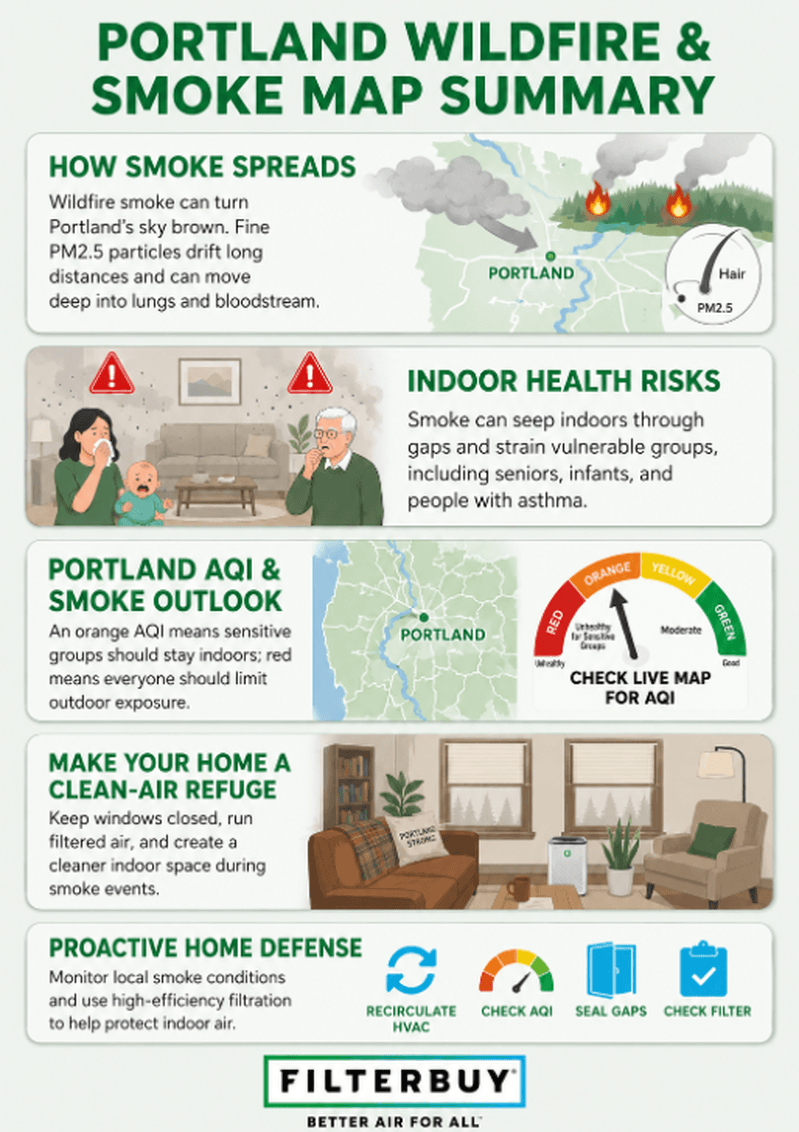
Smoke rides the wind far downwind — you can get smoky air with no fire nearby.
What To Do During A Smoke Event
Simple steps to reduce indoor exposure.
- Stay In, Close UpShut windows and doors to keep smoke out.
- Set Fan To "On"Keeps air cycling through your filter, not just when heating or cooling.
- Recirculate AirSwitch off fresh-air intake so you're not pulling smoke in.
- Run A MERV 13Built to capture the fine PM2.5 in smoke.
- Add A PurifierExtra filtration for the room you use most.
- Wear an N95 if OutsideFits snug to block fine particles — a cloth mask won't.


The Best Air Filter For Wildfire Smoke
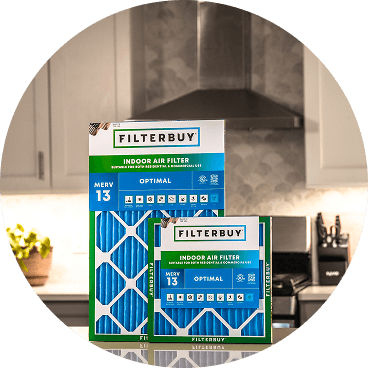
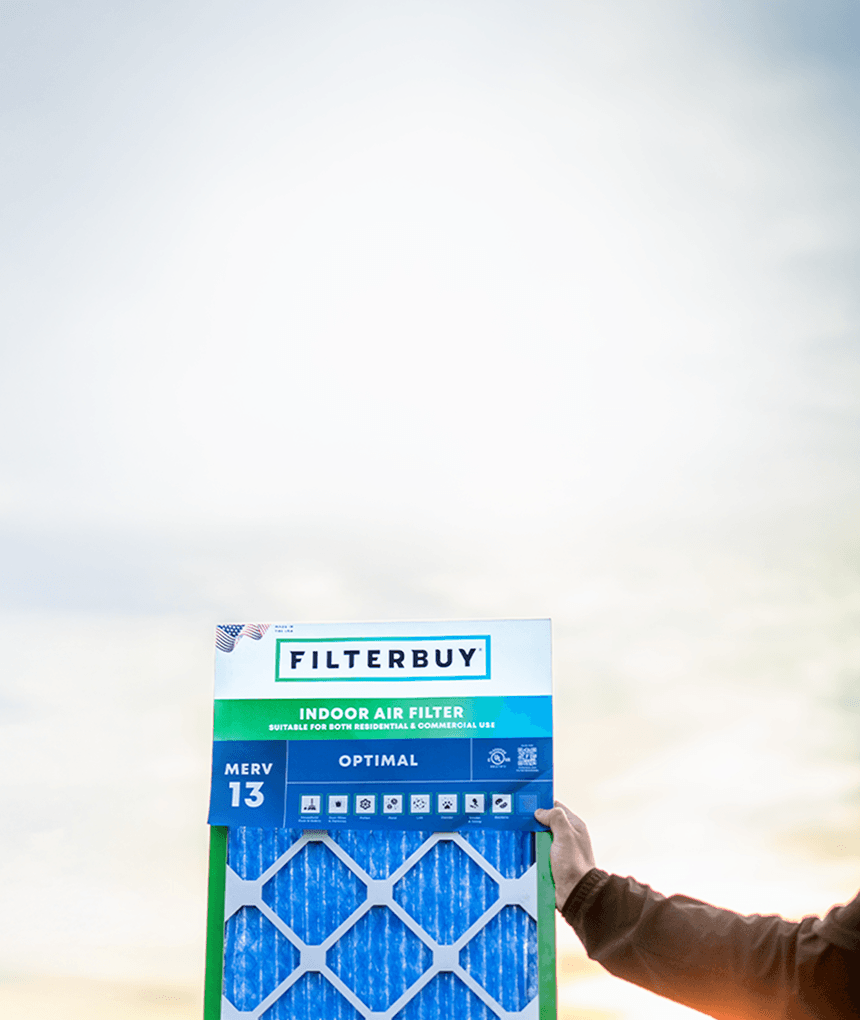
During smoke events, the EPA recommends upgrading to a MERV 13 filter — or the highest-rated filter your system can handle — to help reduce the fine particles smoke brings indoors. MERV 13 is the level most home HVAC systems can run while still capturing PM2.5, the fine particulate that makes up the bulk of wildfire smoke.
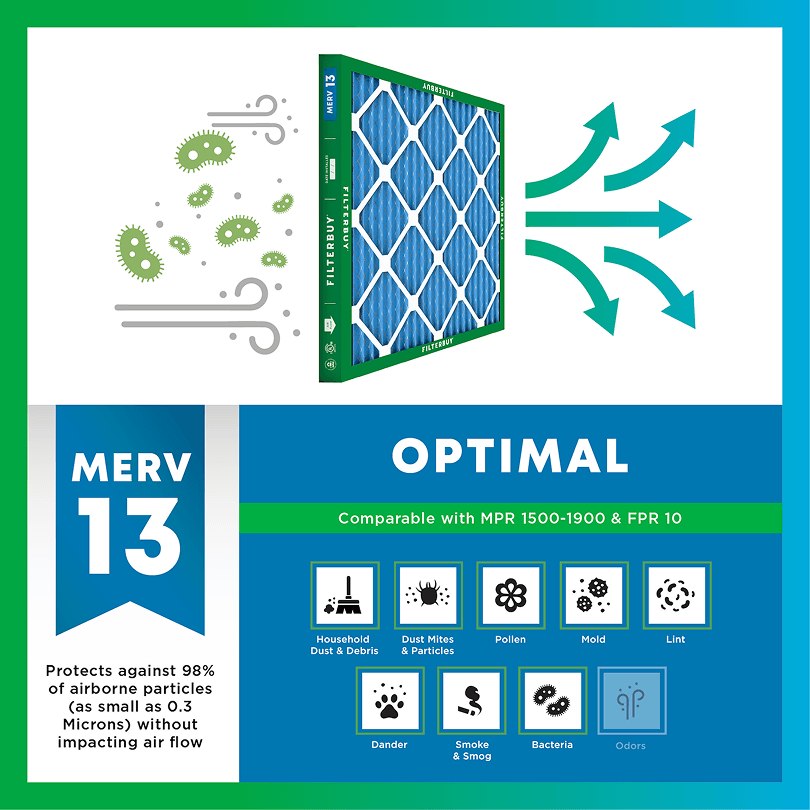
- Captures PM2.5 particles
- Blocks ash, soot, and smoke odor
- Keeps your indoor air safe—even when the outdoor air is dangerous
- Meets the EPA's recommended rating for filtering fine wildfire smoke particles.

Wildfire Smoke FAQs
Facts About Wildfires
Over 70,000 wildfires burn in the U.S. every year.
Wildfire smoke can travel 1,000+ miles, affecting states that aren't even near the blaze.
Exposure to wildfire smoke can worsen asthma, trigger heart issues, and lead to ER visits.
Indoor air can hold more fine particles during wildfire events unless it's properly filtered.
The EPA advises using MERV 13 filters or portable HEPA air cleaners during wildfire smoke events.
Don't Wait Until The Smoke's Inside.
Use the live wildfire smoke tracker and upgrade your air filters today to protect your lungs and your home.
Shop Filters For Smoke Protection
Current Live Portland, OR Forest Wildfire & Smoke Map Conditions Today
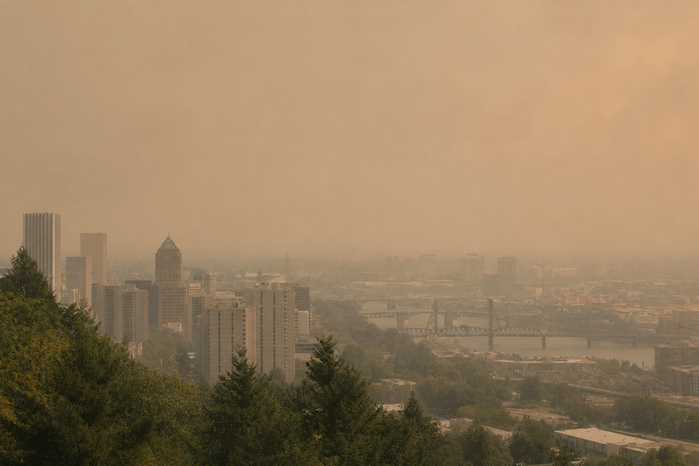
Smoke can turn Portland's sky the color of weak coffee while the nearest flames burn three states away. That gap between what you see and what you breathe is the real trouble with wildfire smoke, and closing it is the whole point of this page. The live map below pulls active fires, drifting smoke plumes, and real-time Portland air quality into one view, so you can tell in seconds whether today is a stay-inside day.
We're air-obsessed at Filterbuy, and we built this around one belief: you can't protect your family from something you can't see. So we make the invisible visible. Read today's conditions here, then take the handful of steps that keep your home a clean-air refuge until the haze clears.
TL;DR Quick Answers
Current Live Forest Wildfire & Smoke Map Today In Portland, OR
The quickest read on Portland's wildfire and smoke conditions today is the live map at the top of this page. It shows active fires, smoke plumes, and real-time air quality from sensors near you. Find the colored dot closest to your neighborhood and read it like a traffic light. Green or yellow means you're clear to head out, orange is a warning for sensitive groups, and red or worse means everyone stays inside with the windows shut and a filter running. One thing we tell every Portland customer: smoke can roll in even when no fire is burning near the metro, so check the map before you make outdoor plans and again before bed.
Top 5 Takeaways
Start with the live map. It shows active fires, smoke plumes, and Portland's air quality minute by minute.
Read the color near you. Orange tells sensitive groups to ease up outdoors, and red or higher tells everyone to get inside.
The danger is the part you can't see. PM2.5 is fine enough to slip deep into the lungs and reach the bloodstream.
Far-off fires still hit Portland. Smoke drifts in from the Cascades, California, Washington, and British Columbia.
Make your home a clean-air refuge. Close the windows, switch the system to recirculate, and run a filter that actually catches fine smoke.
How To Use The Live Portland Wildfire And Smoke Map
The map does the heavy lifting. Knowing what each marker means turns it from a pretty picture into a real decision tool. Here is the quick read:
Fire icons mark active or freshly reported wildfires, and bigger symbols mean bigger fires.
Shaded plumes show smoke drifting overhead, which can hang high in the sky or sink to where you breathe.
Colored sensor dots report ground-level air quality, and that is the number that tells you what is actually in your lungs.
Tap the dot nearest your neighborhood for the current reading and how it has moved over the past few hours.
Conditions shift all day, so treat the map as something you check more than once. The air that looks fine over morning coffee can turn on you by the evening commute.
What Today's Portland Air Quality Numbers Mean
The Air Quality Index, or AQI, boils a messy mix of pollutants down to one number between zero and 500. When smoke is the problem, that number is tracking fine particulate matter, or PM2.5. Here is what each band means in plain terms:
0 to 50 (Green): Good. Breathe easy and make your outdoor plans.
51 to 100 (Yellow): Moderate. A few unusually sensitive folks might feel it.
101 to 150 (Orange): Unhealthy for sensitive groups, which includes kids, older adults, and anyone with asthma or a heart condition.
151 to 200 (Red): Unhealthy. Everyone should dial back time outside.
201 and up (Purple to Maroon): Very unhealthy to hazardous. Stay in and keep your indoor air clean.
One detail a lot of older guides still get wrong. On May 6, 2024, the EPA tightened its PM2.5 breakpoints and dropped the concentration at the top of the Good range to 9.0 micrograms per cubic meter. If a map or article still cites the old 12.0 figure, it is behind the times.
Why Smoke Reaches Portland When The Fire Is Far Away
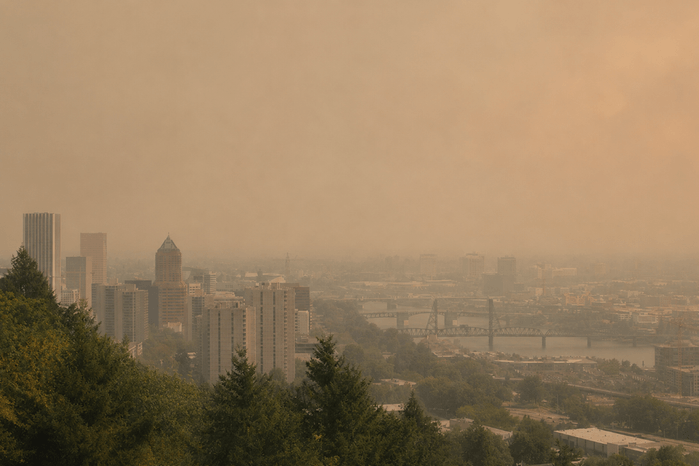
What surprises people most is how far smoke travels. You can wake up to gray skies over Portland with no flames anywhere near the metro. Wind picks up the fine particles and carries them across state lines and national borders, so a fire in southern Oregon, California, or British Columbia can foul the air in the Willamette Valley. We get into how far wildfire smoke can travel in a separate guide, and the short answer is that PM2.5 stays light enough to hang in the air for days and ride high-altitude winds for hundreds of miles. It is also why a clear-looking sky can still be bad for you. The particles doing the damage are far too small to spot.
How To Protect Your Home When Smoke Settles Over Portland
This is where you get to be the hero of your household. When smoke settles in, a few deliberate moves keep your indoor air far cleaner than the air outside:
Shut the windows and doors, and block the obvious gaps where outside air sneaks in.
Set your HVAC system or window AC to recirculate so it quits pulling smoky air indoors.
Run a filter built to trap fine particles. Our MERV 13 air filters grab the tiny PM2.5 that cheaper filters wave right through, which is exactly what a smoke day calls for.
Put a portable HEPA purifier in the room where your family spends the most time, or rig a box-fan filter if money is tight.
Hold off on anything that fouls indoor air, like burning candles, frying, or vacuuming.
Keep an eye out for coughing, chest tightness, or a sudden headache, and call a doctor if they worsen.
Wildfire Basics Every Portland Resident Should Know
Oregon's fire season keeps starting earlier and dragging later, so smoke days are now part of a Pacific Northwest summer. Getting a feel for how wildfires start and spread helps you see smoke coming, whether it rides dry east winds through the Columbia Gorge or starts with a lightning strike deep in the Cascades. The better you understand how fire behaves around here, the easier it is to plan and keep your family comfortable.
After manufacturing filters for over a decade and serving more than two million households, we've learned that the smoke you can't see is the part that reaches your lungs. When the Portland map turns orange, the most effective thing a family can do indoors is seal the home and run a true fine-particle filter.
Filterbuy Indoor Air Quality Team
Essential Resources
When the smoke rolls in, the live map up top tells you what the air is doing right now, but a smoke event raises bigger questions: Where exactly is the fire? Is my neighborhood under an advisory? Should my kids stay home from practice? We pulled together the seven resources we lean on most during smoke season, each from a trusted government or health authority, so you can track active fires, check official air quality, read the fire-weather forecast, and protect your family's lungs without wading through guesswork. Bookmark the ones that fit your routine, and you'll be ready before the next hazy morning.
See Every Active Fire And Smoke Plume On One Live Map
The EPA and U.S. Forest Service built the gold-standard live view, pulling fire locations, smoke plumes, and PM2.5 sensor data into one national map you can zoom right to Portland. It is the same kind of feed driving the map up top.
Source: AirNow Fire and Smoke Map
Track Real-Time Air Quality At Monitors Across Oregon
Oregon DEQ pulls readings from more than 37 state monitors and feeds the free OregonAir app, so Portland residents get a local, official read on the smoke right around them.
Source: Oregon DEQ Air Quality Index
Get The National Wildfire Picture Updated Daily
The National Interagency Fire Center posts a daily national fire report covering active large fires, acres burned, and where crews and equipment are committed across the country.
Source: National Fire News
Find Incident-Specific Details For Fires Near You
The U.S. Forest Service points you to InciWeb and other incident systems, where you can pull maps, evacuation notices, and containment numbers for a specific fire.
Source: U.S. Forest Service Fire Information
Understand How Smoke Affects Your Body
The CDC spells out who faces the highest risk from wildfire smoke and which symptoms to watch, which helps you tell when caution turns into action.
Source: CDC Wildfire Smoke Guidance
Decode Fire Weather Watches And Red Flag Warnings
The National Weather Service breaks down fire-weather watches, red flag warnings, and the moves to make before a fire reaches you, and it pairs with the local forecasts your Portland office issues for the Willamette Valley and Columbia Gorge.
Source: National Weather Service Wildfire Safety
Build A Lung-Safe Plan For Your Household
The American Lung Association walks you through protecting your lungs before, during, and after a smoke event, right down to setting up a clean room at home.
Source: American Lung Association Wildfire Guidance
Supporting Statistics
The Live Map Runs On Real Monitoring Data
The map you are using rests on serious infrastructure. The AirNow Fire and Smoke Map draws continuous PM2.5 readings from more than 1,700 regulatory air quality monitors nationwide, which is why the numbers near Portland reflect real conditions instead of guesswork.
Source: EPA AirNow Monitoring Network
Wildfire Smoke Now Drives One In Four Unhealthy-Ozone Days
Smoke has become a main driver of bad-air days, not a rare event. A NOAA-supported look at 600 monitoring stations from 2018 to 2023 found that wildfire smoke caused 25 percent of all days with unhealthy ozone levels across the United States.
Source: NOAA-supported Air Quality Study
Smoke Particles Hit The Lungs Harder Than Everyday Pollution
The fine particles in smoke are more damaging to the body than ordinary pollution. Research funded by the National Institutes of Health found that respiratory hospitalizations climbed between 1.3 and 10 percent for every 10-microgram-per-cubic-meter increase in wildfire-specific PM2.5, steeper than the same rise from other sources. We see the practical side of that gap every smoke season, and it is the reason we tell families to step up to a higher-grade filter rather than ride it out on a basic one.
Source: National Institutes of Health Research
Final Thoughts And Opinion
Portland crossed a line that a lot of longtime residents still do not want to admit. Smoke season is part of summer now. The good news is you are far from helpless. A live map turns an invisible hazard into something you can actually see and plan around, and a few smart moves indoors keep your home a refuge while the sky sorts itself out.
Here is our honest opinion after years of making filters and talking with families through one smoke event after another. Most people wait until the haze is already thick to think about indoor air, and by then, the good filters are gone. The households that come through the smoke season best are the ones that set up before the first bad day, not during it. Treat your filter the way you treat your smoke detector. You check it ahead of time, not in the middle of the emergency.
Three moves worth making before the next smoke day:
Bookmark this map so today's conditions are always a tap away.
Stock a fine-particle filter now, while the shelves are full.
Pick your clean room, the one space you will seal off and keep filtered when the AQI climbs.
Next Steps
Today's reading only helps if you act on it. Here's your plan:
Bookmark this page. Check it before outings and before bed.
Read the dot nearest you. Match the color to the AQI bands above.
Seal the house when the air turns. Shut windows, block gaps, and set HVAC to recirculate.
Install a MERV 13 filter early. It catches the fine PM2.5 that cheaper filters miss. Keep a spare.
Set up a clean room. Pick your main room. Run a HEPA purifier or box-fan filter.
Protect those most at risk. Watch kids, older adults, and anyone with asthma or a heart condition. Call a doctor if symptoms worsen.
Frequently Asked Questions
Check The Map And Get Smoke-Ready Today
Bookmark this live Portland wildfire and smoke map so today's conditions are always one tap away, and check it before you head out. Then get a fine-particle filter in place at home, because the smartest time to prepare for smoke season is before the first hazy morning.
Subscribe to wildfire smoke alerts for Portland, OR, to get a heads-up before the next event reaches your area.