
Yakima Real-Time AQI Tracker

Get Alerts For Unhealthy AQI In Your Area
When air quality in your area reaches unhealthy levels, we'll send you a quick alert, along with expert tips on how to reduce your exposure.
What's Actually In Yakima Air Today?
What High AQI Means for Your Lungs in Yakima
How to Read AQI
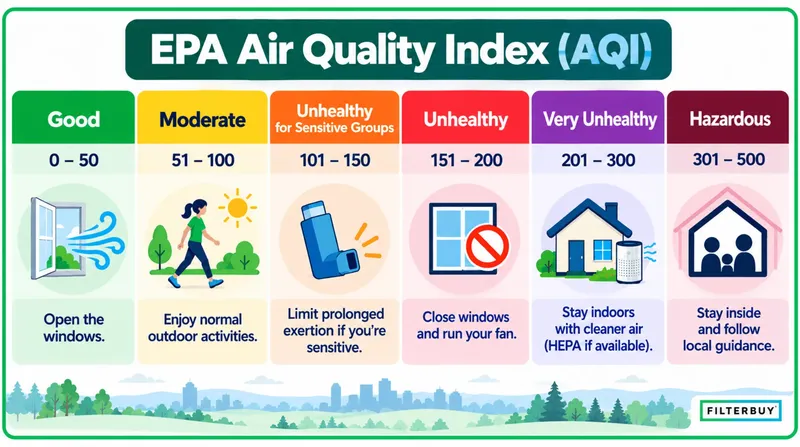
The Air Quality Index (AQI) measures how polluted the air is and how it may affect your health.
0–50 (Good): Air quality is satisfactory.
51–100 (Moderate): Acceptable, but some pollutants may pose minor concerns.
101–150 (Unhealthy for Sensitive Groups)
151–200 (Unhealthy)
201–300 (Very Unhealthy)
301+ (Hazardous)
Moderate
Still okay for most, but if you have asthma or allergies, take it easy and avoid long outdoor workouts.
Shop MERV 11 filters→What's the Right Filter for Your AQI Level?
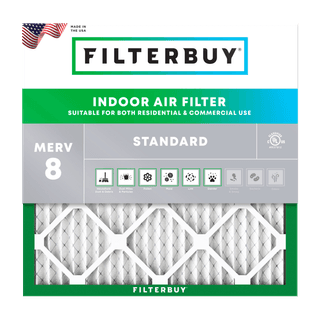
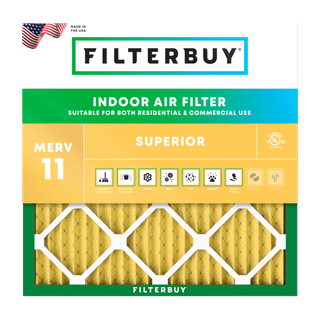
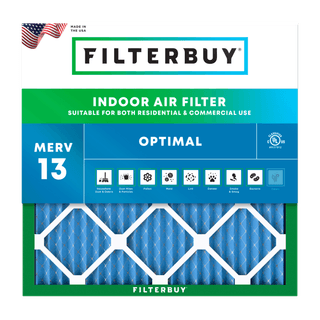

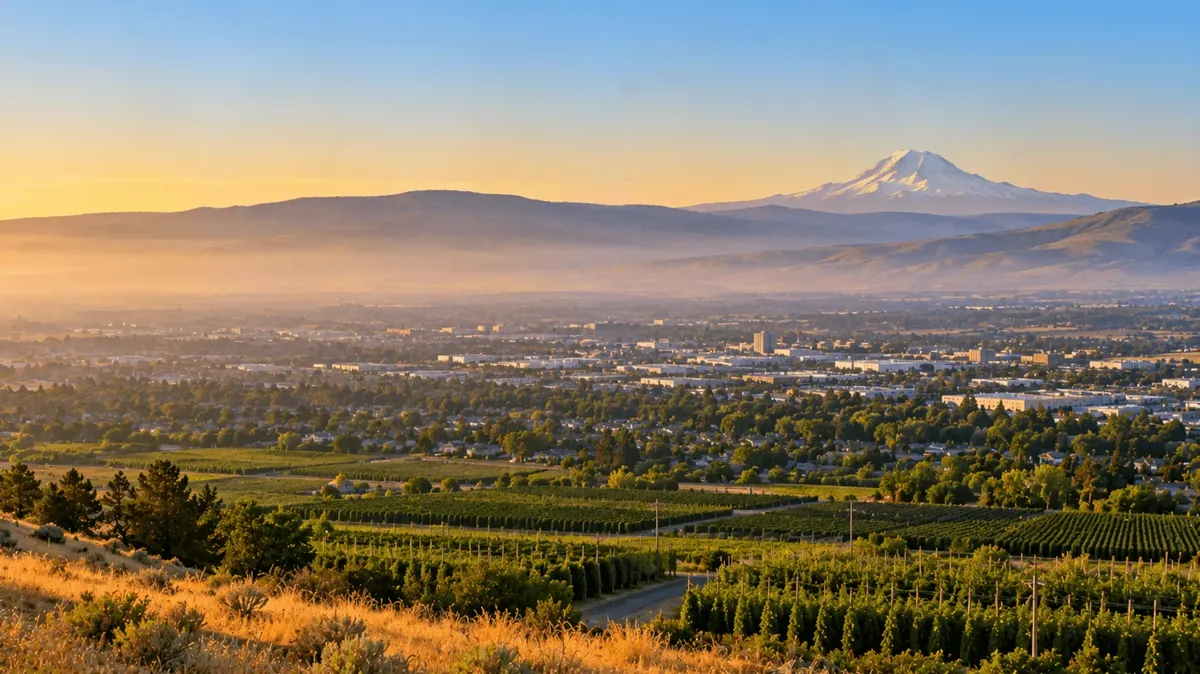
Check Today's Live Real Time Air Quality Index AQI Map in Yakima, WA Now
The live map above shows current air quality in Yakima in real time: the Air Quality Index (AQI), its color category, and the pollutant behind the number, usually fine particulate matter (PM2.5), the tiny particles in smoke and soot. Filterbuy has built air filters in the U.S. for over a decade, so we read every Yakima AQI number with one more question: how much is getting inside?
TL;DR
The Yakima AQI runs from 0 to 500; lower is cleaner. Most bad-air days come from PM2.5 trapped by winter inversions or carried in by summer wildfire smoke. Check official alerts first. At AQI 100, Filterbuy's action line, use a MERV 13 filter in your HVAC plus a portable HEPA air cleaner in each occupied room.
Key Takeaways
Winter inversions trap smoke in the Yakima Valley and trigger Yakima Regional Clean Air Agency (YRCAA) burn bans.
Yakima improved from 8th to 24th worst for short-term particle pollution in the American Lung Association's 2026 "State of the Air" report.
At AQI 100, Filterbuy recommends a MERV 13 filter, the fan set to On, a portable HEPA air cleaner in each occupied room, and a closed-up house.
How to Read the Yakima Air Quality Map Right Now
Each dot on the Yakima air quality map is a monitor or sensor showing the worst pollutant at that spot, not an average.
Many of those readings come from the Washington State Department of Ecology, which publishes them on its Washington Air Quality Map. Ecology added PM2.5 sensors in the Moxee Valley in 2024 and in East Yakima and Union Gap in 2025, according to its 2025 overburdened-communities report.
Most maps use the EPA's NowCast method, so a fast smoke surge can take an hour or two to appear. Filterbuy's rule of thumb: if you smell smoke indoors, act before the map turns orange.
What Each AQI Level Means for Your Day in Yakima
Sensitive groups include children, adults over 65, pregnant people, outdoor workers, and anyone with asthma, COPD, or heart disease, who should follow their doctor's plan. The PM2.5 ranges below follow the EPA's 2024 AQI update, which lowered the top of the Good range from 12.0 to 9.0 micrograms per cubic meter (µg/m³).
Categories and PM2.5 ranges: U.S. EPA, 2024 AQI update. Actions: Filterbuy recommendations; official guidance comes first.
For more on the scale, see Filterbuy's guides to what a good AQI is and how the AQI is calculated.
Is the Air Quality Bad in Yakima Today?
Yakima's air pollution today is a problem when the live map reads above 100 (unhealthy for sensitive groups) or above 150 (unhealthy for everyone).
Check AirNow and YRCAA alerts first and follow any advice to stay in or relocate. Filterbuy's action line is AQI 100, one point before the orange category begins. At that number, switch to a MERV 13 filter, set the fan to On, run a portable HEPA air cleaner in each occupied room, and close the house up.
For outdoor workers, 101 is also a legal line. Under Washington's wildfire smoke rule, employers must make N95 respirators available, including to orchard workers, once wildfire smoke pushes the PM2.5 AQI to 101.
Where to Check Yakima Air Quality Forecasts and Alerts
Four sources show what is coming next:
Yakima Regional Clean Air Agency (YRCAA): declares Yakima County burn bans, posts their status at yakimacleanair.org, and sends burn ban email alerts.
Washington Smoke Blog: a multi-agency site tracking where wildfire smoke is coming from and heading.
National Weather Service (NWS) Pendleton: issues Air Stagnation Advisories and relays Air Quality Alerts for the Yakima area.
AirNow Fire and Smoke Map: the EPA and U.S. Forest Service map of active fires, smoke plumes, and PM2.5 readings.
What's Actually in the Yakima Valley's Air?
Ecology names home heating, traffic, and wildfires as key local PM2.5 sources. During Ecology's Yakima Valley listening sessions, residents also flagged agricultural burning, landfills, and dairies.
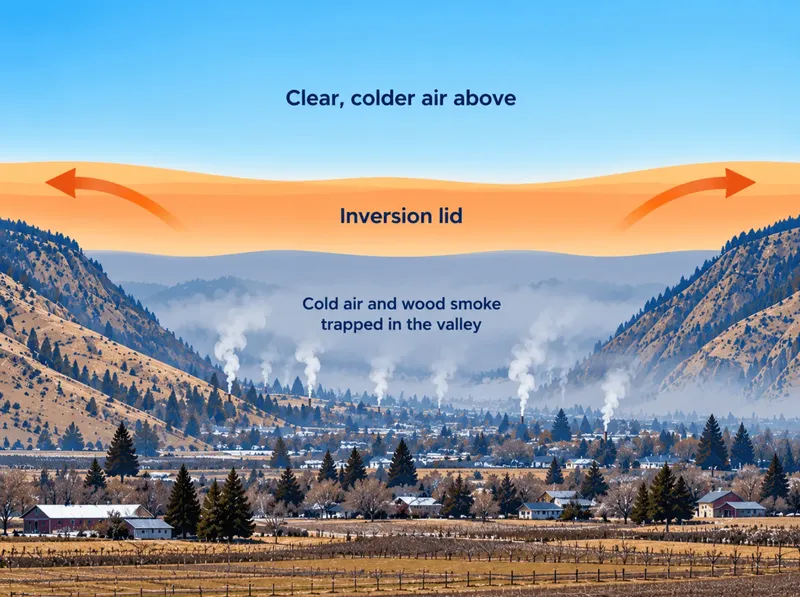
Why Winter Inversions Trap Smoke in Yakima
Yakima sits in a basin ringed by ridges. On cold, calm days, warmer air settles over the cold valley floor like a lid, so chimney and tailpipe smoke builds up instead of drifting away.
YRCAA controls that buildup with two levels of burn ban, per its Burn Ban Fact Sheet:
Source: Yakima Regional Clean Air Agency (YRCAA) Burn Ban Fact Sheet.
Check YRCAA's burn ban status before lighting a fire on a still, foggy day, since violations carry civil penalties. YRCAA's wood stove replacement program pays rebates toward a cleaner stove.
How Wildfire Smoke Season Hits Yakima
On July 25, 2024, smoke from the Retreat Fire near Rimrock Lake pushed Yakima's AQI as high as 205, according to the Yakima Herald-Republic. Smoke from distant fires can arrive too, so follow Filterbuy's Washington wildfire and smoke map.
Yakima's Air Quality Calendar: When to Expect Bad Air
Filterbuy built this planning calendar from YRCAA burn ban history and Washington Smoke Blog seasons.
Sources: YRCAA and Washington Smoke Blog. Filter timing is Filterbuy's recommendation.
How Yakima's Air Compares With Other U.S. Cities
The American Lung Association ranked the metro 8th worst for short-term particle pollution in its 2025 "State of the Air" report and 24th in its 2026 report, as Yakima County's unhealthy days fell from 13.8 to 5.8 a year.
Ecology's 2025 East Yakima community report shows unhealthy-for-sensitive-groups days there fell from 11 a year to 2.7 between its 2023 and 2025 reports. For statewide context, see Filterbuy's Washington air quality map.
Filterbuy's Take: Keeping Yakima's Smoke and Soot Out of Your Home
After a decade of building filters, Filterbuy sees two air seasons here. Winter wood smoke comes from nearby chimneys, and YRCAA, citing Ecology, notes it can reach 70% of outdoor levels inside homes that burn no wood. Summer wildfire smoke comes from fires no one here can switch off.
Follow official guidance first. At AQI 100, Filterbuy recommends four steps, in order:
Put a MERV 13 filter in your HVAC. It covers the whole house, because the central system moves far more air than any portable unit.
Set the thermostat fan to On. Auto only filters while heating or cooling. On filters all day.
Run a portable HEPA air cleaner in each occupied room, bedrooms first. EPA's sizing rule is a smoke CADR of at least two-thirds of the room's square footage, so a 300 sq ft bedroom calls for a smoke CADR near 200. EPA also advises against ozone-producing air cleaners, so skip ionizers.
Close the house up. Shut windows and doors, avoid swamp coolers, and skip candles, frying, smoking, and vacuuming without a sealed unit.
EPA's clean room guidance covers one room. Filterbuy goes further and recommends every occupied room. No central HVAC? Then portable HEPA air cleaners are your primary defense, not a backup.
Check your filter often during smoke and replace it when it looks dark brown or black, which EPA notes can be well before the usual interval. Keep spares on hand. For the full smoke playbook, see Filterbuy's guide to the best MERV filter for wildfire smoke.
Set up your MERV 13 filter and air cleaners in June, not mid-August.
Filterbuy Indoor Air Quality Team
Which Air Filter the Yakima AQI Calls For
For wildfire and wood smoke, Filterbuy recommends MERV 13. EPA recommends a central-system filter rated MERV 13 or higher during smoky periods, and it notes that most furnaces and HVAC systems can use one without equipment problems, provided the filter is replaced often.
Check your filter size first, the same fit check as any filter.
When you are ready, find a MERV 13 filter in your size. Filterbuy makes filters in the USA in 600+ standard and custom sizes, with free shipping and auto-delivery, so spares arrive before smoke season.
Supporting Statistics Behind This Page
Yakima's main monitor met federal PM2.5 standards in 2024.
24-hour design value (EPA's three-year compliance statistic): 27 µg/m³ (limit: 35).
Annual design value: 8.4 µg/m³ (limit: 9.0).
Source: Washington State Department of Ecology, East Yakima Community Report
Old wood stoves pollute far more than newer heat sources.
One uncertified stove emits as much PM10 as 10 EPA-certified stoves or 3,000 gas furnaces making the same heat.
Source: Yakima Regional Clean Air Agency, Woodstove Information
Unhealthy smoke days now reach more Americans.
145.0 million people had at least one Unhealthy-or-worse particle day in 2022–2024, up from 133.4 million.
Yakima Air Quality FAQs
What Is the Air Quality in Yakima Today?
The live map shows Yakima's current AQI, color category, and main pollutant.
What MERV Rating Do I Need for Wildfire Smoke in Yakima?
MERV 13, which Filterbuy recommends switching to when Yakima's AQI reaches 100, alongside a portable HEPA air cleaner in each occupied room.
What Is Yakima's PM2.5 Level Today?
The live map shows Yakima's PM2.5 today as part of the current AQI.
Does Yakima Have Burn Bans?
Yes. YRCAA calls Stage 1 and Stage 2 burn bans when inversions trap smoke, most often from November through February.
When Is Wildfire Smoke Season in Yakima?
Usually July through October, when smoke drifts in from fires in the Cascades and British Columbia. Get a MERV 13 filter in by early July.
Yakima Air Quality Glossary
Air Quality Index (AQI): A 0–500 scale that turns pollutant levels into six color-coded health categories. The EPA sets it.
PM2.5: Fine particles 2.5 microns or smaller, found in wood and wildfire smoke and small enough to reach deep into the lungs.
MERV: Minimum Efficiency Reporting Value, a 1–16 rating of how well an HVAC filter captures particles.
HEPA: High-efficiency particulate air, a filter standard that captures at least 99.97% of 0.3-micron particles. It is used in portable air cleaners, not home HVAC systems; see Filterbuy's HEPA vs. MERV chart.