
Midland Real-Time AQI Tracker


Get Alerts For Unhealthy AQI In Your Area
When air quality in your area reaches unhealthy levels, we'll send you a quick alert, along with expert tips on how to reduce your exposure.
What's Actually In Midland Air Today?
What High AQI Means for Your Lungs in Midland
How to Read AQI
The Air Quality Index (AQI) measures how polluted the air is and how it may affect your health.
0–50 (Good): Air quality is satisfactory.
51–100 (Moderate): Acceptable, but some pollutants may pose minor concerns.
101–150 (Unhealthy for Sensitive Groups)
151–200 (Unhealthy)
201–300 (Very Unhealthy)
301+ (Hazardous)
Moderate
Still okay for most, but if you have asthma or allergies, take it easy and avoid long outdoor workouts.
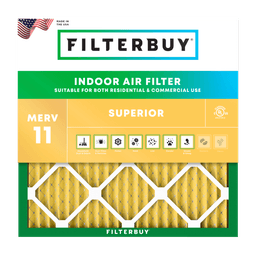
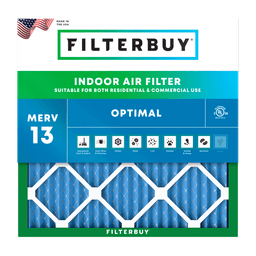
Shop MERV 11 filters→What's the Right Filter for Your AQI Level?



Check Today's Live Real Time Air Quality Index AQI Map in Midland, TX Now
By Michelle Wan, Brand Manager and Air Quality Writer. Technically reviewed by David Clark, Licensed HVAC Technician. Published September 7, 2026. Updated September 7, 2026.
TL;DR
Midland sits in the Permian Basin, where three forces shape outdoor air: wind driven mineral dust, ground level ozone, and fine particles from regional industry or distant smoke. The city meets every federal air standard, yet the live AQI map still reaches Moderate on hot and windy days. That map describes outdoor air. Indoor air is the part you control.
Key Takeaways
The U.S. Air Quality Index runs from 0 to 500, and any value above 100 is unhealthy for at least some people.
Midland and Odessa hold federal attainment status, meeting national standards for ozone, particulate matter, and sulfur dioxide.
The Texas Commission on Environmental Quality runs continuous monitors on Avalon Drive in Midland, plus stations in Odessa, Goldsmith, and Big Spring.
Ozone is invisible, so the worst ozone days look like the clearest ones.
EPA recommends a filter rated MERV 13 or higher in a central system during smoke events.
Filterbuy's action line is AQI 100. That is where we tell Midland customers to move to MERV 13, not where EPA changes category.
Midland's live air quality index comes from federal, state, and local agencies, and the map above refreshes hourly. Most readings land between Good and Moderate, climbing on hot sunny afternoons in ozone season and on windy days when dust lifts off dry ground. Check the current reading before you exercise outdoors, then set your indoor filtration to match.
What Is Actually In Midland Air Today
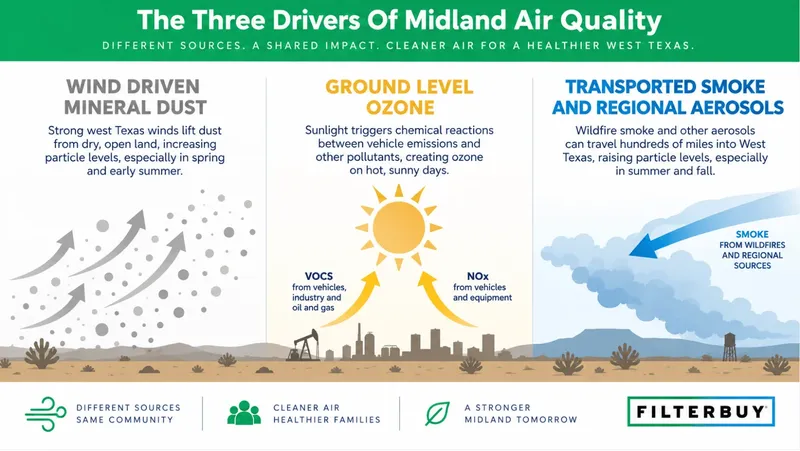
Most air quality pages stop at the number. In Midland the number matters least, because Filterbuy tracks three separate local forces behind it and each one leaves a different pollutant dominant. Wind lifts mineral dust. Sunlight cooks regional emissions into ozone. Distant fires send fine particles with no local weather to explain them. Once you know which driver is running, the number starts to mean something.
Seasonality reflects typical Permian Basin patterns.
How To Tell Which Driver Is Active Right Now
Look outside before you trust the number.
Brown horizon, wind you can hear, grit on the car. That is dust.
Flat white haze, still air, no wind to explain it. That is transported smoke.
Clear sky, hot, calm, late afternoon. That is ozone, and ozone is invisible.
The worst ozone days in Midland look like the nicest days of the year.
Dust is what separates Midland from the wetter Texas metros. Sandy soil, thin vegetation, and flat open ground give the wind plenty to lift, and across the semi arid Permian Basin it does not take much wind. The National Weather Service office in Midland issues the advisories that run ahead of these events.
Ozone is a secondary pollutant, which means nothing emits it directly. Ozone forms in the air itself, when sunlight reacts with nitrogen oxides and volatile organic compounds that are already there. Give Midland warm temperatures, strong sun, and light winds, and ozone climbs toward Moderate.
Why Midland Passes Federal Air Standards And Still Has Moderate Days
Midland is a federal attainment area, which means the metro meets National Ambient Air Quality Standards for ozone, particulates, and sulfur dioxide. Attainment is a multi year judgment built on averaged design values, while the live AQI is a short term reading of a single day. A city can clear the long term standard and still post Moderate readings on individual afternoons.
Those two measures answer different questions. Attainment asks whether the metro's air, averaged across years, stays inside federal limits. The daily index asks something simpler: whether today's air will bother you. That gap is why a search for Midland air pollution turns up a clean regulatory record sitting next to a yellow map.
How To Read The AQI Number On The Midland Map
The U.S. Air Quality Index folds pollutant concentrations into a single number from 0 to 500, split across six color coded categories. For any given pollutant, an AQI of 100 sits roughly at the short term national standard set to protect public health. Anything at or below that is broadly satisfactory. Above it, the air turns unhealthy for sensitive groups first and then for everyone.
Category names, ranges, and colors are the EPA official values. Text colors here follow the Filterbuy CMS palette for legibility.
Real time values run on a weighted NowCast calculation rather than a full day average, which is why the map can move a whole category inside an hour. At AQI 100 the Filterbuy guidance is MERV 13 in the system, the thermostat fan set to On, and a portable HEPA air cleaner in each occupied room.
The Dust Gap Between The Number And What You Breathe
The headline AQI for Midland and Odessa usually tracks ozone or PM2.5, meaning fine particles 2.5 micrometers and smaller. Blowing dust loads the air with something coarser, particles between 2.5 and 10 micrometers, and where that coarse fraction goes unreported at the nearest station the number can sit lower than the afternoon feels in your throat and eyes.
Coarse dust settles in the nose, throat, and upper airway, which is where the gritty feeling during a wind event comes from. Fine particles travel further, deep into lung tissue. Both rise during a dust storm, and both are worth filtering once they are inside the house.
Filterbuy's position is that in Midland your eyes outrank the map. When the horizon turns brown, close the windows and run the fan, whatever the index happens to read.
What High AQI Means For Your Lungs In Midland
A high AQI reaches sensitive groups first. Children, adults over 65, pregnant people, and anyone living with asthma, COPD, or heart disease react at concentrations others barely notice. Ozone irritates and inflames airway tissue. Particulate matter settles in the lungs, and the finest fraction of it passes into the bloodstream.
Midland's outdoor workforce raises the stakes further. Oilfield, construction, and highway crews are out for full shifts on exactly the days readings climb highest, which makes the air waiting for them at home matter more.
None of this replaces medical advice. Anyone managing a respiratory or cardiac condition should follow the plan their clinician has set.
What To Do Indoors On Each Kind Of Midland Air Day
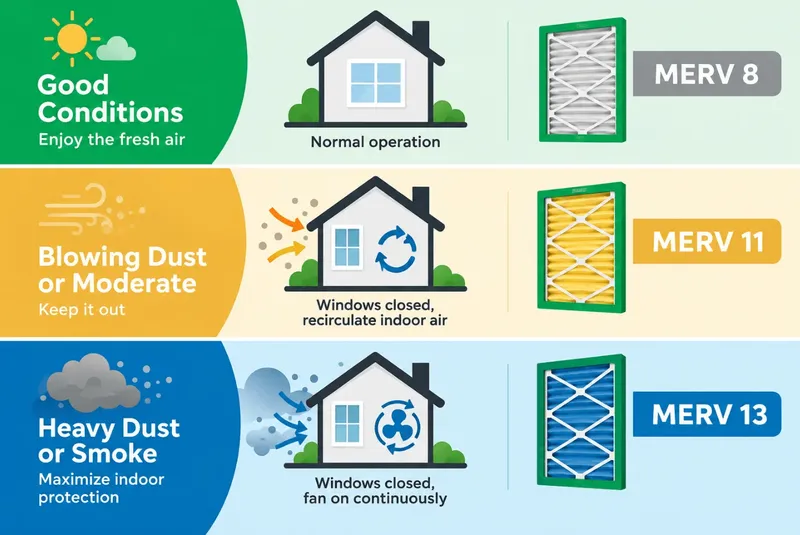
Outdoor air is not something a household controls. Indoor air is. Filterbuy's action line is AQI 100, and at that reading four steps apply: switch the HVAC to MERV 13, set the thermostat fan to On, put a portable HEPA air cleaner in each occupied room, and close the house up. Below 100 the job is getting filters in early and keeping spares.
AQI 100 is the Filterbuy action line. EPA recommends MERV 13 or higher in a central system during smoke events, and sets no AQI threshold of its own.
Filterbuy is a family-owned American manufacturer rather than a reseller, and cuts every filter to order in its own US plants. One detail from that plant floor matters more in Midland than in most places. Every filter is cut slightly under its nominal size so it seats tight in the slot, because air slipping around a loose filter is never filtered at all. On a dust afternoon that bypass decides whether the system is working or just making noise.
The four steps do different jobs. MERV 13 in the central system is the whole home layer, because that system moves far more air than any portable unit. A portable HEPA air cleaner treats one room harder than the central system can, so it is a second layer rather than an alternative. EPA sizes a clean room by smoke CADR at two thirds of the room's square footage, which puts a 300 square foot bedroom at roughly 200. Apartments, window units, and older homes without ductwork have no whole home layer, so for those readers portable cleaners are the primary defense.
Set the thermostat fan to On rather than Auto, since Auto only filters while the system is heating or cooling. Close any fresh air intake, or switch the system to recirculate. During a dust or smoke event check the filter rather than the calendar, and replace it sooner than the calendar suggests when it looks dark brown or black. Keep spares on hand.
Most furnaces and HVAC systems accommodate MERV 13 without equipment problems, provided the filter is replaced often, per EPA's guide to air cleaners in the home Check the fit the same way you would confirm a size, and see the full MERV rating guide for the whole ladder. Homes with non standard openings can order custom size air filters built to the dimensions the housing needs, and households who would rather not track dates can set an automatic filter replacement schedule.
When Midland readings reach 201 and above, AirNow and local air agency guidance come first, and filtration is one layer rather than the answer. The Texas air quality index map covers the rest of the state on the same live feed. For Midland itself, Filterbuy stocks MERV 8 pleated air filters and MERV 11 pleated air filters below the action line, and MERV 13 pleated air filters from AQI 100 upward.
A Note From The Author
I don’t want anyone to feel like they need an HVAC license just to pick the right filter. My job is to give you the straight answer, explain why it matters, and let you get back to your day.
Michelle Wan, Brand Manager and Air Quality Writer, Filterbuy
Supporting Statistics
5,474,038 Texas children breathe unhealthy air.
Only California exposes more.
The Permian Basin produced 6.0 million barrels of crude oil per day in December 2025.
That is 44% of U.S. output.
Midland sits at the basin center.
Windblown dust caused 232 U.S. deaths from 2007 to 2017.
The official record counted 10.
Fatalities cluster in the Southwest.
Frequently Asked Questions About Midland Air Quality
Glossary Of Midland Air Quality Terms
AQI (Air Quality Index): The EPA scale from 0 to 500 reporting daily outdoor air quality across six categories.
Attainment area: An area meeting a federal National Ambient Air Quality Standard. Midland and Odessa hold attainment status.
MERV (Minimum Efficiency Reporting Value): The ASHRAE Standard 52.2 scale describing how efficiently an HVAC filter captures airborne particles.
NowCast: The weighted calculation EPA uses to turn recent hourly readings into a real time AQI.
Ozone (O3): A pollutant formed when sunlight reacts with nitrogen oxides and volatile organic compounds. Ground level ozone irritates the lungs.
Permian Basin: The oil and gas producing region of West Texas and southeastern New Mexico surrounding Midland.
PM2.5: Fine particulate matter 2.5 micrometers and smaller, able to reach deep lung tissue.
PM10: Inhalable particulate matter 10 micrometers and smaller, holding most wind blown dust.