
Knoxville Real-Time AQI Tracker


Get Alerts For Unhealthy AQI In Your Area
When air quality in your area reaches unhealthy levels, we'll send you a quick alert, along with expert tips on how to reduce your exposure.
What's Actually In Knoxville Air Today?
What High AQI Means for Your Lungs in Knoxville
How to Read AQI
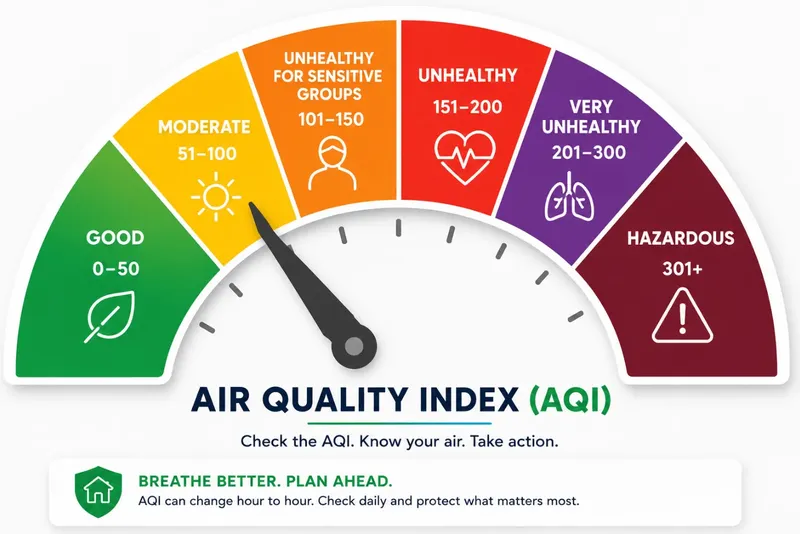
The Air Quality Index (AQI) measures how polluted the air is and how it may affect your health.
0–50 (Good): Air quality is satisfactory.
51–100 (Moderate): Acceptable, but some pollutants may pose minor concerns.
101–150 (Unhealthy for Sensitive Groups)
151–200 (Unhealthy)
201–300 (Very Unhealthy)
301+ (Hazardous)
Moderate
Still okay for most, but if you have asthma or allergies, take it easy and avoid long outdoor workouts.
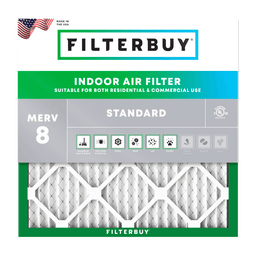
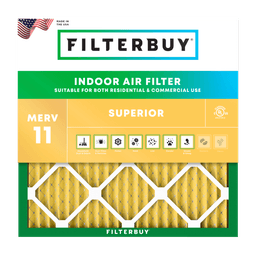
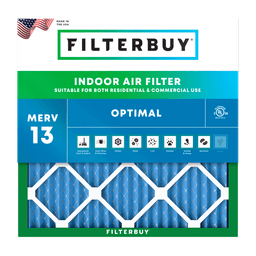
Shop MERV 11 filters→What's the Right Filter for Your AQI Level?


Check Today's Live Real Time Air Quality Index AQI Map in Knoxville, TN Now
Author: Michelle Wan · Reviewer: David Clark, Licensed HVAC Technician · Publish Date: July 21, 2026 · Updated Date: July 21, 2026
TL;DR
Knoxville's air quality shifts throughout the day based on traffic, seasonal ozone, and wildfire smoke drifting in from the Great Smoky Mountains. Check the live tracker above for today's exact reading. When the number climbs into Unhealthy for Sensitive Groups or higher, upgrading to a MERV 13 filter and limiting outdoor exertion are the two most effective ways to protect your family right now.
Key Takeaways
Knoxville's Ridge-and-Valley terrain can trap pollutants, so the AQI here can shift faster than in flatter cities.
Wildfire smoke from East Tennessee and the Smoky Mountains is a documented, recurring driver of high-AQI days in Knoxville.
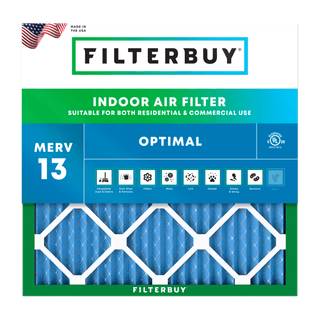
A MERV 13 filter captures fine particulate matter (PM2.5) that a MERV 8 filter lets through.
Knox County is home to over 506,700 residents who share a small number of official air monitors across the county.
The EPA's national AQI scale runs from 0 (Good) to 301+ (Hazardous) across six color-coded categories.
Check Knoxville's Live AQI Right Now
The live tracker above updates automatically with Knoxville's current AQI, color category, and primary pollutant.
What Knoxville's AQI Category Means Today
The table below breaks down what each AQI range means and who should take precautions.
Source: AirNow.gov AQI Basics. Ranges reflect the EPA's national AQI scale, not a Knoxville-specific standard.
PM2.5 And Pollutant Breakdown
Knoxville's AQI tracks five EPA-regulated pollutants, broken down below.
Source: EPA.gov Criteria Air Pollutants and AirNow.gov local monitoring data.
Why Knoxville's Air Quality Changes
Knoxville sits in a Ridge-and-Valley landscape at the base of the Great Smoky Mountains, and that terrain can trap ozone and particulate matter during still, hot afternoons. East Tennessee also has a documented history of wildfire smoke events, including fires near Rocky Top and the broader Smokies region, that have pushed Knoxville's AQI into the Unhealthy range within hours. That combination of terrain and regional wildfire risk is why the number here can swing faster than in flatter, less fire-prone parts of the country.
How This Data Is Sourced And Updated
The live tracker on this page pulls from the same monitoring network referenced in the Essential Resources section below, including AirNow.gov and Knox County's own air quality alerts. We update the surrounding guidance on this page as EPA filtration recommendations and local health guidance change, and we link every statistic back to its original source rather than restating a number without attribution.
Health Guidance By AQI Level
On Good and Moderate days, normal outdoor activity is fine for almost everyone. Once Knoxville's AQI reaches Unhealthy for Sensitive Groups, people with asthma, heart or lung disease, older adults, and children should shorten outdoor workouts and watch for symptoms. At Unhealthy and above, everyone should scale back prolonged outdoor exertion, and sensitive groups should stay indoors when possible with windows closed and HVAC set to recirculate.
Protecting Your Indoor Air Today
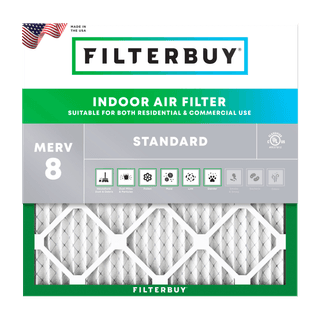
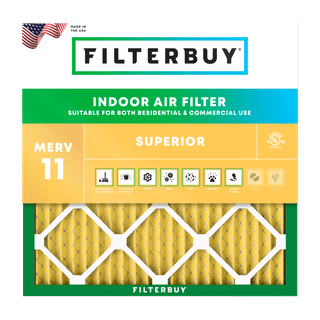
We're air-obsessed for a reason: the air inside your home matters just as much as the number outside. On Good to Moderate days, a MERV 8 filter handles everyday dust and pollen. Once Knoxville's AQI reaches Unhealthy for Sensitive Groups, a MERV 11 filter catches finer particles like pet dander and light smoke. During wildfire smoke events or Unhealthy-and-above days, the EPA's own guidance points to a MERV 13 filter as the strongest home defense against fine particulate matter.
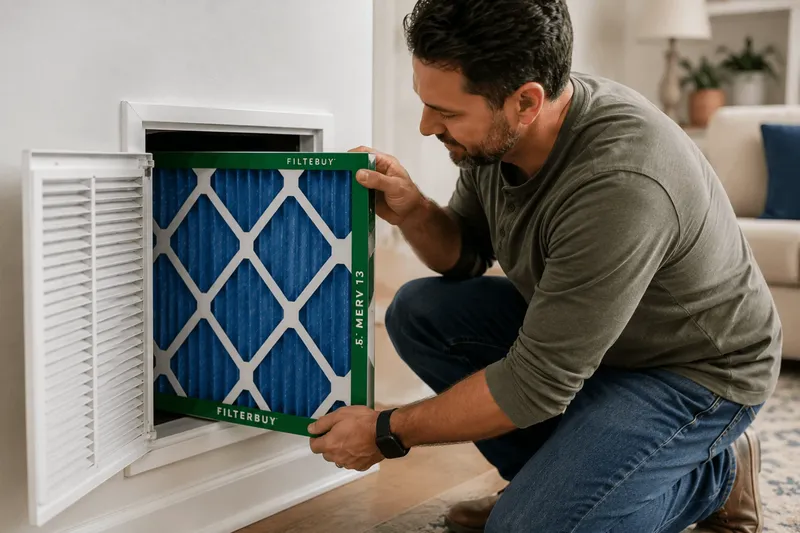
In twenty years of servicing HVAC systems across East Tennessee, I’ve watched a clean filter go visibly gray within days once smoke rolls in from the Smokies. These numbers match exactly what I see on service calls, which is why I don’t wait for a ‘Very Unhealthy’ reading before telling a homeowner to upgrade their filter.
David Clark, Licensed HVAC Technician, Page Reviewer for Filterbuy.com
Quick reference: match your filter to today's AQI band.
Source: EPA.gov guidance on air filtration during wildfire smoke and high particulate pollution events.
Looking Ahead: Knoxville's AQI Forecast
Wind direction is the biggest factor in whether tomorrow looks better or worse than today, since it decides whether smoke and ozone move toward Knoxville or away from it. Check the live tracker above each morning rather than relying on yesterday's reading, especially during wildfire season.
Frequently Asked Questions
7 Resources To Help You Protect Your Family's Air In Knoxville
Decode Your AQI Number In Seconds
We're obsessed with what's actually floating in your air, and AirNow.gov's AQI Basics page turns that invisible number into a color and a plan you can act on today.
Know Exactly How Air Quality Affects Your Family
This CDC guide to air quality connects your AQI reading to real health outcomes, so you know precisely when to protect the people in your home who are most sensitive.
Protect Your Indoor Air When Smoke Rolls In
The EPA's own wildfire guidance confirms what we tell every Knoxville family: a MERV 13 filter and the right HVAC settings are your strongest defense once smoke moves in.
See How Knoxville's Air Stacks Up Nationally
The American Lung Association's State of the Air report tracks how Knoxville's air has trended year over year, straight from the nation's leading lung health authority.
Get Local Alerts Built For Knoxville Families
Your local health department built this page specifically for East Tennessee homes, with real answers for real Knoxville air days.
Watch The Wind That Moves Knoxville's Smoke
Wind direction decides where smoke goes next, and the National Weather Service's Morristown office tracks it hour by hour for Knoxville and the Tri-Cities.
Build A Wildfire-Ready Home Before Smoke Arrives
A little preparation protects a lot. Ready.gov's wildfire guide helps your household get ready before smoke ever reaches your doorstep.
3 Statistics That Show Why Knoxville's Air Deserves Your Attention
At Filterbuy, we've spent over a decade testing filters against exactly the kind of particles these numbers describe, and the data lines up with what we see in the field.
1. Wildfire Smoke Hits Harder. A 10 μg per cubic meter rise in wildfire-specific PM2.5 raises respiratory hospitalizations 1.3–10 percent. Ordinary PM2.5 raises them only 0.67–1.3 percent. Source: National Institutes of Health (Aguilera et al., 2021).
2. This Affects A Lot Of People. Knox County is home to over 506,700 residents, all breathing the air this page tracks. Source: U.S. Census Bureau, 2024 estimate.
3. East Tennessee's Wildfire Risk Is Real. Tennessee wildfires burned 12,642 acres across 842 separate fires in 2025. Source: National Interagency Fire Center, 2025 annual report.
What These Numbers Mean For Your Home
None of these three sources connects these numbers to your street. This page does. Knox County's half a million residents share a small handful of official air monitors across a county that size, which means the reading on your phone often describes conditions several miles from your actual street. Layer in wildfire-specific PM2.5's outsized health impact, and the gap between “my app says Moderate” and “my street smells like smoke” becomes the exact window where an unprotected home is most at risk. National data cannot close that gap, and neither can a local app. It is why Filterbuy built the filter guidance on this page around AQI bands instead of a single daily number.
Glossary
AQI (Air Quality Index): The EPA's 0-to-500+ scale for reporting how clean or polluted outdoor air is, divided into six color-coded health categories.
PM2.5: Fine particulate matter smaller than 2.5 microns that can travel deep into the lungs, commonly linked to wildfire smoke and vehicle exhaust.
Ozone (O3): A gas formed when vehicle and industrial emissions react with sunlight, most concentrated during hot, still summer afternoons.
NowCast: The EPA's method for calculating a real-time AQI value using recent hourly air quality readings rather than a full-day average.
MERV (Minimum Efficiency Reporting Value): The ASHRAE rating scale for how effectively an air filter captures airborne particles, ranging from 1 to 16 for residential systems.
Wildfire Smoke: A mixture of gases and fine particles produced by burning vegetation that can travel hundreds of miles and affect air quality far from the fire itself.