
New Orleans Real-Time AQI Tracker


Get Alerts For Unhealthy AQI In Your Area
When air quality in your area reaches unhealthy levels, we'll send you a quick alert, along with expert tips on how to reduce your exposure.
What's Actually In New Orleans Air Today?
What High AQI Means for Your Lungs in New Orleans
How to Read AQI
The Air Quality Index (AQI) measures how polluted the air is and how it may affect your health.
0–50 (Good): Air quality is satisfactory.
51–100 (Moderate): Acceptable, but some pollutants may pose minor concerns.
101–150 (Unhealthy for Sensitive Groups)
151–200 (Unhealthy)
201–300 (Very Unhealthy)
301+ (Hazardous)
Moderate
Still okay for most, but if you have asthma or allergies, take it easy and avoid long outdoor workouts.
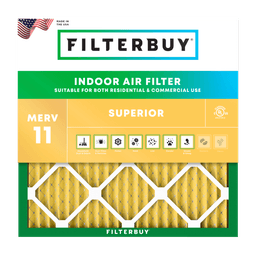
Shop MERV 11 filters→What's the Right Filter for Your AQI Level?



Check Today's Live Real Time Air Quality Index AQI Map in New Orleans, LA Now
By Michelle Wan, Brand Manager & Air Quality Writer | Filterbuy. Reviewed by David Clark, Licensed HVAC Technician. Published July 6, 2026. Updated July 6, 2026.
The air over New Orleans can look perfectly clear and still carry fine particles small enough to slip past your lungs' defenses. On a hot, still afternoon along the Mississippi, ground-level ozone climbs while you feel nothing but the heat. Today's air quality index turns that invisible risk into a number you can act on before you head outside, open the windows, or send the kids to the park. At Filterbuy, we're obsessed with the air you breathe, and that number is where protecting your home starts.
Quick Answers About New Orleans Air Quality Today
What Is The Air Quality In New Orleans Right Now?
New Orleans air quality is usually Good, with an AQI in the 20s to 50s on most days, driven mainly by fine particle pollution (PM2.5). Readings rise into the Moderate range on hot, calm summer afternoons, when ground-level ozone forms, and during Saharan dust or drifting wildfire smoke. Check the live AQI map above for the current New Orleans reading before you make outdoor plans.
Top Takeaways
New Orleans' dominant pollutant is PM2.5, fine particles that travel deep into the lungs and aggravate heart and lung conditions.
The city's AQI sits in the Good range most days but rises on hot, windless summer afternoons when ground-level ozone forms.
Saharan dust in June and July and wildfire smoke carried from distant fires can push New Orleans PM2.5 higher for days at a time.
The Mississippi River industrial corridor, heavy port and diesel traffic, and post-storm mold all shape local air quality.
Sensitive groups, including children, older adults, and people with asthma or COPD, feel poor air first and should watch the AQI closely.
A MERV 13 air filter captures smoke and fine particles, so indoor filtration is the most reliable protection on high-AQI days.
I've watched New Orleans sit in the Good range on a calm morning and slide into Moderate by mid-afternoon once heat and Gulf humidity get the ozone going. The reading is real, it just moves faster here than most people expect, and the filter in your system is the one part of that equation you fully control.
Michelle Wan, Brand Manager & Air Quality Writer, Filterbuy
How To Read The Air Quality Index For New Orleans
The air quality index (AQI) converts pollution levels into a 0 to 500 scale, split into six color-coded categories. In New Orleans, a reading of 0 to 50 (Good) means outdoor air is safe for everyone, while 51 to 100 (Moderate) signals a day when sensitive residents should pay attention. The higher the number, the greater the health risk.
The U.S. Environmental Protection Agency built the AQI around five pollutants, and in New Orleans two of them do most of the work, fine particulate matter (PM2.5) and ground-level ozone. Our guide to how the air quality index works walks through the full scale, and the table below shows what each category means for your day.
| AQI Range | Category | What to Do in New Orleans |
|---|---|---|
| 0–50 | Good | Enjoy outdoor activities. Open windows if the weather is comfortable and keep your HVAC system running normally. |
| 51–100 | Moderate | Most people can remain active outdoors. Sensitive individuals should monitor symptoms and consider limiting prolonged exertion if needed. |
| 101–150 | Unhealthy for Sensitive Groups | Children, older adults, and people with asthma or heart and lung conditions should reduce extended outdoor activity. Keep windows closed and use a high-efficiency HVAC filter indoors. |
| 151–200 | Unhealthy | Everyone should limit prolonged outdoor activity. Run your HVAC system on recirculate with a clean MERV 13 filter and avoid bringing polluted outdoor air inside. |
| 201–300 | Very Unhealthy | Stay indoors as much as possible. Keep doors and windows closed, avoid strenuous activity, and continuously filter indoor air. |
| 301–500 | Hazardous | Remain indoors except for emergencies. Use high-efficiency air filtration, avoid opening windows, and follow guidance from local health officials. |
What Drives New Orleans' Air Quality
New Orleans air quality is shaped by a mix of local and long-distance sources. Vehicle and port diesel traffic and the petrochemical plants along the Mississippi River industrial corridor add fine particles year-round. Heat and strong sunshine cook up ground-level ozone in summer. Saharan dust and wildfire smoke travel in from thousands of miles away and can raise PM2.5 for days.
The stretch of the Mississippi between New Orleans and Baton Rouge holds one of the densest concentrations of chemical and refining plants in the country, and prevailing winds decide how much of that reaches the city on any given day. Farther out, the American Lung Association has linked recent air quality declines across New Orleans, Baton Rouge, and Lake Charles partly to Saharan dust storms and Canadian wildfire smoke.
| Air Quality Driver | How It Affects New Orleans | When It's Most Noticeable |
|---|---|---|
| Summer Ozone (O₃) | Strong sunshine and heat trigger ozone formation from vehicle and industrial emissions, raising afternoon AQI levels. | Late spring through early fall, especially on hot, sunny afternoons. |
| PM2.5 (Fine Particle Pollution) | Fine particles from regional wildfire smoke, traffic, industrial activity, and combustion can reduce visibility and affect breathing. | During wildfire smoke events and periods of stagnant air. |
| Industrial & Port Emissions | Shipping activity, refineries, and nearby industrial facilities contribute to localized pollution levels. | Year-round, particularly when winds are light. |
| Traffic Emissions | Vehicle exhaust increases nitrogen oxides and particulate pollution near busy highways and urban corridors. | Morning and evening rush hours. |
| Weather & Wind Patterns | Gulf breezes often improve air quality, while hot, humid, stagnant conditions allow pollutants to build up. | Throughout the year, depending on daily weather conditions. |

New Orleans Air Quality Through The Year
New Orleans air quality follows a loose seasonal rhythm. Winter and early spring bring the cleanest air. Summer combines heat-driven ozone with Saharan dust. Hurricane season adds post-storm dampness and mold. Wildfire smoke can arrive in any season when winds carry it south. Once you know the pattern, you can plan filter changes and outdoor time before the air turns.
Winter (December to February): Cooler air and weaker sun keep ozone low, so this is often the cleanest stretch. Cold, still mornings can briefly trap particles near the ground.
Spring (March to May): Pollen climbs and warm, sunny days start pushing ozone up. The first Saharan dust can arrive by late spring.
Summer (June to August): The toughest season. Heat and strong sun drive ground-level ozone, and Saharan dust crosses the Gulf, most often in June and July.
Hurricane season (June to November): Heavy rain and flooding leave damp conditions that feed mold and fine particles, indoors and out.
Any season, when winds shift: Wildfire smoke carried from distant fires can raise PM2.5 for days, with no flame anywhere near you.
The practical takeaway is simple. New Orleans air is usually fine, but summer heat and storm season are when a higher-rated filter and a quick AQI check earn their keep. Match your filter to the season and you stay ahead of the worst days instead of reacting to them.
Who Feels New Orleans Air Pollution First
Air pollution reaches some New Orleans residents sooner and harder. Children breathe faster and spend more time outside, older adults process pollutants less efficiently, and people with asthma, COPD, or heart conditions react to smaller shifts in air quality. On Moderate and higher AQI days, these groups notice symptoms first, from coughing and throat irritation to shortness of breath.
Fine particles are the main concern. PM2.5 is small enough to slip past the body's natural defenses, travel deep into the lungs, and enter the bloodstream, where long-term exposure raises the risk of heart and lung disease. Ground-level ozone irritates the airways and can make a short walk feel exhausting on a smoggy afternoon.
That's where Filterbuy comes in as your guide. We can't change the outdoor air, but we can help you keep the air inside your home clean for the people who feel it first.
How To Protect The Air Inside Your New Orleans Home
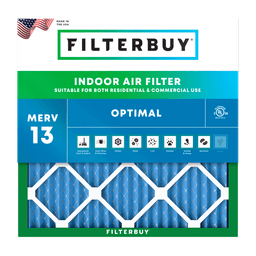
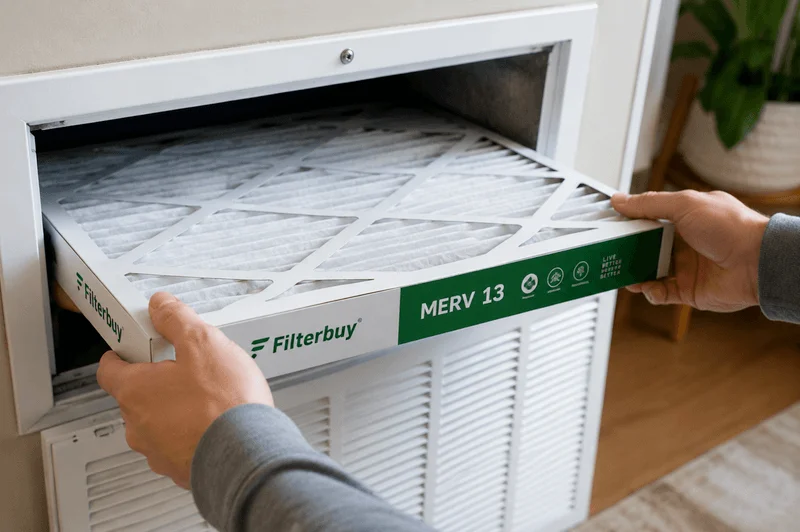
You control the air inside your home even when outdoor air quality drops. On high-AQI days, keep windows and doors closed, run your HVAC system's fan so it keeps filtering, and upgrade to a higher-rated air filter. A MERV 13 filter captures smoke and fine particles that lower-rated filters let through, which matters most during ozone spikes and smoke events.
The filter in your HVAC system is your first line of defense against the PM2.5 that dominates New Orleans air. When you match the filter to your needs, you turn awareness into protection, and our MERV 13 filters capture the fine smoke and dust particles behind most high New Orleans readings. The table below pairs common MERV ratings with what they capture and who they suit best.
| MERV Rating | Best For | Recommended for New Orleans? |
|---|---|---|
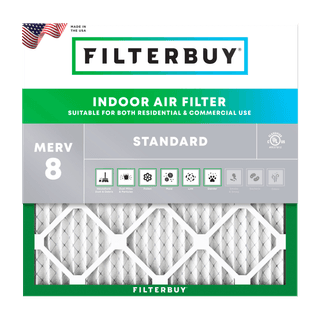
| MERV 8 | Everyday dust, lint, pollen, and larger airborne particles | ✔ Good choice for most homes during periods of Good or Moderate AQI. |
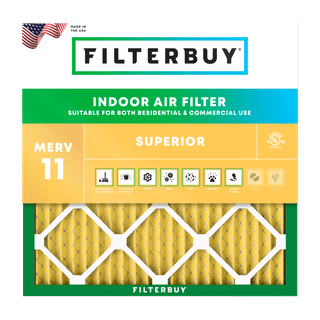
| MERV 11 | Pet dander, mold spores, finer dust, and seasonal allergens | ✔ Ideal for homes with pets, allergies, or frequent spring and summer pollen. |
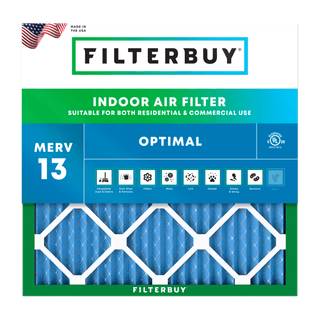
| MERV 13 | PM2.5, smoke, bacteria, fine particles, and heavy pollution events | ✔ Best during wildfire smoke, elevated ozone days, or whenever the AQI exceeds 100. |
Expert Quote
After manufacturing filters for over a decade and serving more than two million households, we've learned that indoor air is where families win or lose the fight for clean air. When New Orleans hits a smoke or dust day, the people who stay comfortable are the ones who already put a quality filter in place and kept their system running.
David Heacock, Founder and CEO, Filterbuy
The 7 Air Quality Resources Our Team Trusts For New Orleans
We're obsessed with the air you breathe, so we gathered the government and health sources our team leans on when we want the straight story on New Orleans air.
Turn Every AQI Color Into A Clear Next Step
When the AQI turns orange, you shouldn't have to guess what that means for your family. AirNow's Air Quality Index Basics spells out all six color categories and the exact steps to take, so a number on a screen becomes a plan you can act on.
Meet PM2.5, The Invisible Particle Behind Most Bad-Air Days
You can't see the fine particles driving New Orleans' worst readings, but you can learn to outsmart them. EPA's Particulate Matter (PM) Basics shows what PM2.5 is and how it slips deep into your lungs, which is exactly why we build filters to catch it.
See What The Monitors Near You Are Reading Right Now
Nothing beats a real measurement from close to home. Louisiana DEQ's New Orleans Air Monitoring Data pulls current readings from state monitors across the area, straight from the people who run them.
Protect The People Who Feel Bad Air First
Kids, older adults, and anyone with asthma or a heart condition feel poor air before the rest of us do. The CDC's Air Quality and Health Resources explain how pollution affects them and the simple moves that keep them safer.
Find Out How New Orleans Air Stacks Up
Ever wonder whether your city's air is really that bad? The American Lung Association's State of the Air grades and ranks metro areas every year, so you can see where New Orleans lands on ozone and particle pollution.
Get Air Quality Guidance Straight From The City
Your city watches the air right alongside you. The City of New Orleans NOLA Ready Air Quality Page shares daily guidance and alerts written for the people who actually live here.
Know The Ozone And Dust Days Before They Arrive
The best time to change your filter is before the bad air ever shows up. The National Weather Service New Orleans Office forecasts the heat, wind, and dust that push local air quality around, often a full day ahead.
The 3 Numbers Our Air-Obsessed Team Watches For New Orleans
We don't just read air quality research. We see it in our work, because the used filters families send back after a smoke or dust week look nothing like the ones from a calm month. These three findings match what we handle every season.
Wildfire Smoke Hits Your Lungs Harder Than Everyday Pollution
Wildfire PM2.5 raised respiratory hospitalizations by up to 10% per 10 µg/m³, versus about 1% for the same rise from other sources.
The study tracked Southern California smoke events.
Same particle size, far bigger health hit.
After a smoke stretch, filters from Gulf-region homes come back darker and heavier, the load a MERV 13 filter is built to trap.
Source: Wildfire-Specific PM2.5 and Respiratory Health (Aguilera et al., 2021, Nature Communications)
Saharan Dust Travels Thousands Of Miles To Reach You
NASA measurements show wind lifts about 182 million tons of Saharan dust off the continent each year, and the plume crosses 1,600 miles of Atlantic toward the Americas.
NASA's CALIPSO satellite measured the flow.
The dust reaches the Gulf Coast, often in early summer.
Every summer, Gulf customers ask us why the sky turns hazy when no fire is near, and this is the answer.
Source: NASA's CALIPSO Measurements of Saharan Dust
PM2.5 Is The Pollutant Worth Protecting Against
Fine-particle pollution (PM2.5) is the largest driver of air pollution's global health burden, linked to more than 4 million deaths in 2019.
It reaches deep into the lungs and bloodstream.
It drives most of New Orleans' worst air days.
It's the exact particle our filters are built to capture.
Source: State of Global Air: The PM2.5 Health Burden
Glossary
Air Quality Index (AQI)
A 0 to 500 scale from the U.S. EPA that reports daily air quality and its health risk, split into six color-coded categories from Good to Hazardous.
PM2.5 (Fine Particulate Matter)
Airborne particles 2.5 micrometers or smaller that travel deep into the lungs and bloodstream. PM2.5 is New Orleans' dominant air pollutant.
Ground-Level Ozone (O3)
A gas formed when sunlight reacts with pollutants from vehicles and industry. Ozone irritates the airways and peaks on hot New Orleans afternoons.
MERV Rating
The Minimum Efficiency Reporting Value, a 1 to 20 scale that measures how well an air filter captures particles. Higher numbers capture smaller particles. Our guide on which MERV rating to choose breaks down the trade-offs.
NAAQS
The National Ambient Air Quality Standards, the health-based limits the EPA sets for common pollutants, including PM2.5 and ozone.
NowCast
The method AirNow uses to turn recent hourly monitor readings into a current AQI value.
Final Thoughts And Opinion
Clean indoor air is the part of New Orleans air quality you can actually control. The city's outdoor air will keep swinging with the heat, the wind off the Gulf, and the dust and smoke that travel in from far away. What stays in your hands is the filter in your system and the habit of checking the AQI before you open the windows. Helping New Orleans families win that small daily decision is the whole reason Filterbuy exists. Treat the live map as a daily glance, the way you check the weather, and you turn an invisible risk into a simple decision.
Next Steps
1. Check the live New Orleans AQI map at the top of this page before outdoor plans.
2. On Moderate or higher days, keep windows closed and run your HVAC fan so it keeps filtering.
3. If smoke or dust days are common where you live, find your filter size and step up to MERV 13.
4. Set a reminder to change your filter on schedule, so it works when you need it most.
5. Share the AQI habit with the sensitive-group members of your household.
Frequently Asked Questions
Protect Your New Orleans Home's Air
Ready to protect your family's air? Find the filter that fits your New Orleans home in about a minute, then set it and breathe easier on the next smoke or dust day.