
Atlanta Real-Time AQI Tracker


Get Alerts For Unhealthy AQI In Your Area
When air quality in your area reaches unhealthy levels, we'll send you a quick alert, along with expert tips on how to reduce your exposure.
What's Actually In Atlanta Air Today?
What High AQI Means for Your Lungs in Atlanta
How to Read AQI
The Air Quality Index (AQI) measures how polluted the air is and how it may affect your health.
0–50 (Good): Air quality is satisfactory.
51–100 (Moderate): Acceptable, but some pollutants may pose minor concerns.
101–150 (Unhealthy for Sensitive Groups)
151–200 (Unhealthy)
201–300 (Very Unhealthy)
301+ (Hazardous)
Moderate
Still okay for most, but if you have asthma or allergies, take it easy and avoid long outdoor workouts.
Shop MERV 11 filters→What's the Right Filter for Your AQI Level?

Check Today’s Live Real Time Air Quality Index AQI Map in Atlanta, GA Now
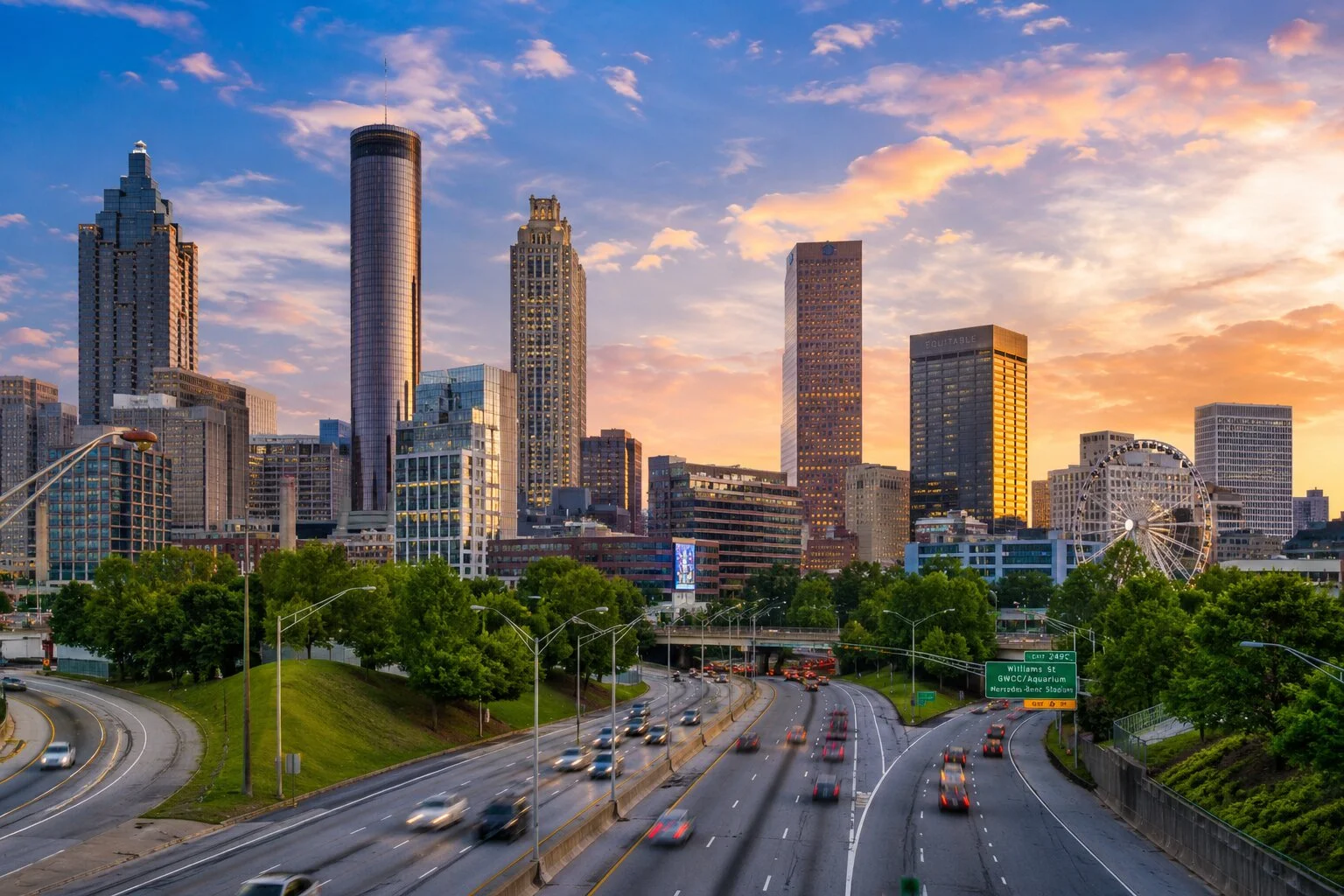
Atlanta’s worst air days rarely look the part. The sky over Midtown holds a hazy blue, the sun feels fine, and the ozone stacking up along the Downtown Connector stays invisible right until it tightens your chest on the BeltLine. We’re a little obsessed with that invisible stuff. This page shows you Atlanta’s air quality index AQI map as it reads right now, puts the number in plain English, and walks through the indoor steps that actually help when the air outside turns bad.
TL;DR Quick Answers
Atlanta’s air swings through the day, driven mostly by summer ozone and by fine particles when smoke blows in. Read the live map above, follow the health note for your color, and keep a well-fitted MERV 8, 11, or 13 filter running on bad-air days. That is the whole game.
What Is The Air Quality In Atlanta Today?
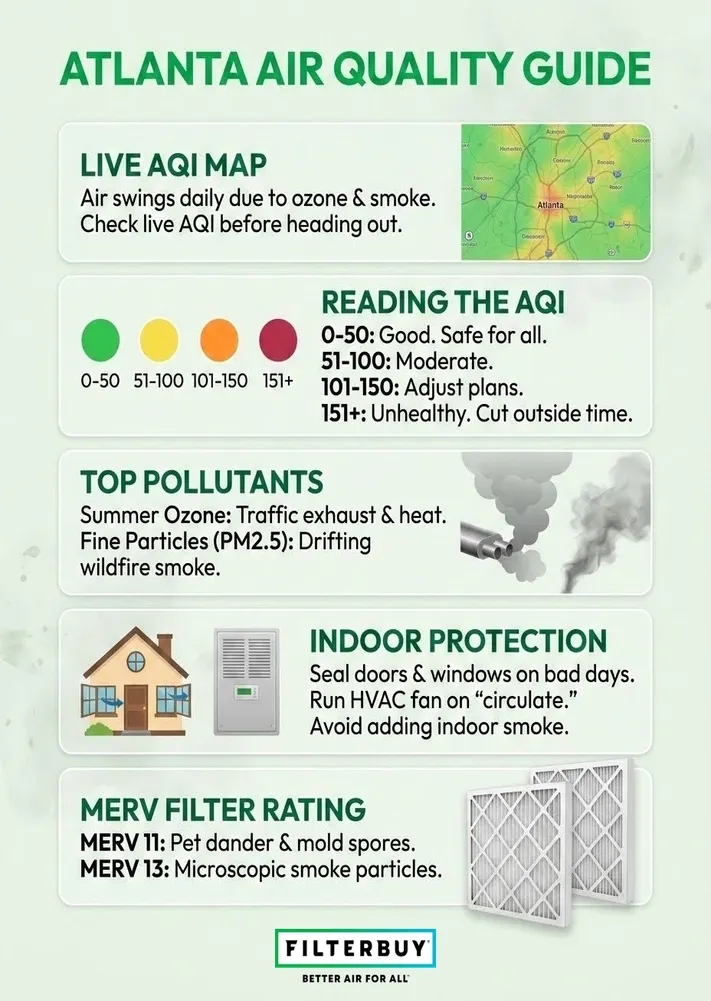
It changes through the day, so the live map above has the current number. 0 to 50 is good and 51 to 100 is moderate. Once it clears 100, anyone with asthma or a heart condition should ease up outdoors, and past 150 everyone should cut back on time outside.
Top Takeaways
Atlanta’s air shifts hour to hour, so the live map beats any guess about what is outside right now.
0 to 50 is good and 51 to 100 is moderate. At 101, sensitive groups should start adjusting. At 151, everyone should.
Summer ozone is Atlanta’s main culprit, with PM2.5 spiking when wildfire smoke moves in.
On bad-air days, seal the house, run the fan on circulate, and keep new smoke and fumes out.
A clean MERV 8, 11, or 13 filter quietly cuts the particles that make it indoors.
What The Live AQI Map Shows For Atlanta
That map up top does one job, and does it well. It pulls readings from monitors across the metro and boils them down to a single number and color, so you can decide at a glance whether today is a run-outside day or a keep-the-windows-shut day.
Reading The Air Quality Index AQI Numbers
The scale runs from 0 to 500, split into six color bands. Green (0 to 50) is good. Yellow (51 to 100) is moderate and fine for most people. Orange (101 to 150) is the line where sensitive groups should ease off, red (151 to 200) means the air is working against everyone, and purple and maroon push into very unhealthy and hazardous territory. For the full background on how the index gets built worldwide, this air quality index (AQI) overview lays it out.
Why Atlanta Air Quality Rises And Falls
Two pollutants do most of the damage here. Ground-level ozone, the core of summer smog, cooks up on hot, sunny afternoons when traffic exhaust and other emissions bake in the heat. Fine particles, the PM2.5 you’ve heard about, spike when wildfire smoke drifts down into Georgia or when local sources pile up. We watch both climb every summer. To see how Atlanta stacks up against the rest of the state, compare cities on the Georgia air quality index AQI map.
Protecting The Air Inside Your Atlanta Home
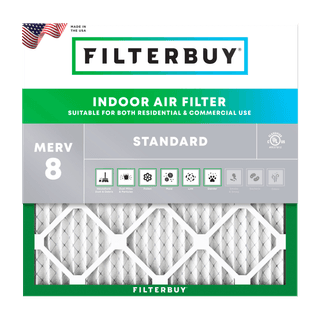
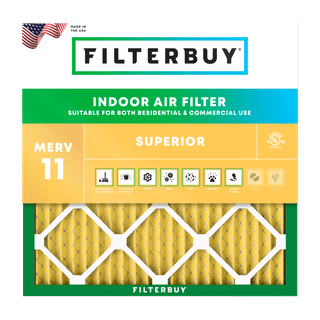
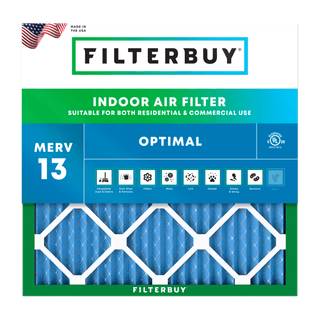
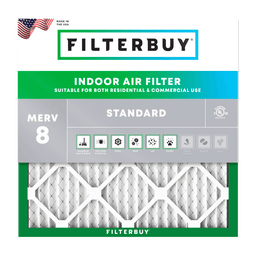
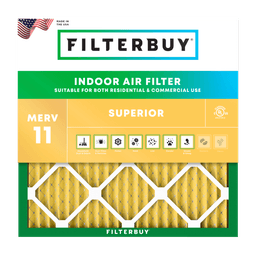
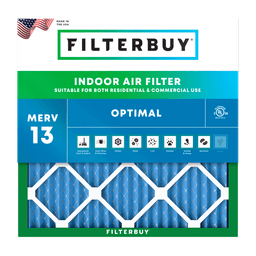
When the map turns orange or red, the move is to seal up and filter. Close the windows and doors. Run your HVAC fan on circulate instead of pulling outdoor air in. Skip anything that adds smoke or strong fumes indoors, like frying, candles, or aerosol sprays. Then let your filter carry the load. MERV 8 catches everyday dust and bigger pollen, MERV 11 grabs pet dander and a lot of mold spores, and MERV 13 pulls down the fine, smoke-sized particles, as long as your system can push air through it. If you are unsure how high your system can handle, check the manufacturer’s guidance before you jump to MERV 13.
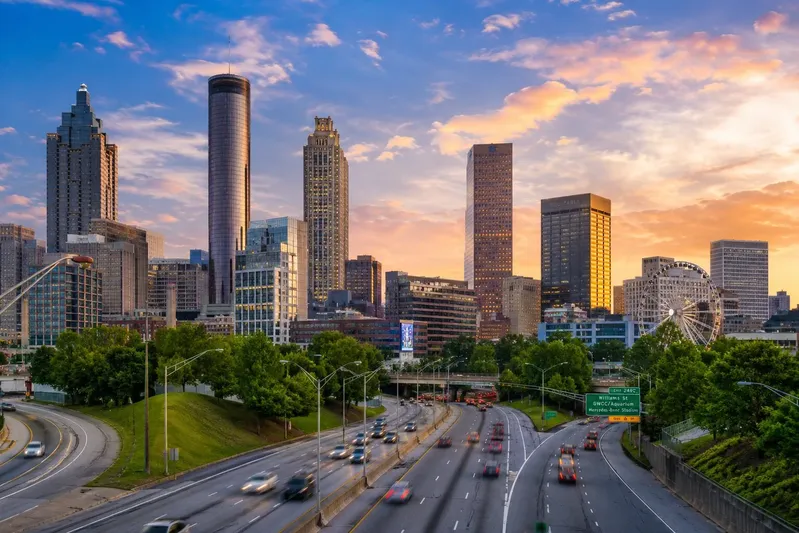
After manufacturing filters for over a decade and serving more than two million households, I keep coming back to one belief: better air shouldn’t depend on your zip code. Atlanta pulls more than its share of ozone and summer smoke, and the families who breathe easiest aren’t the lucky ones. They’re the ones who already had a clean, well-fitted filter in place, one we built right here in America, before the bad-air days arrived.
— Filterbuy Indoor Air Quality Team
Seven Air Quality Resources Worth Bookmarking In Atlanta
When you want to go past the dial, these are the sources we trust. Every one is a government or nonprofit page, and no two come from the same site.
AirNow Air Quality Index Basics From The EPA. The official EPA dial for live AQI, plus a plain rundown of what each color actually means.
EPA Guide To Fine Particle PM2.5 Pollution. Why those tiny smoke- and traffic-born particles reach so deep into your lungs, straight from the agency that regulates them.
CDC Wildfire Smoke Safety Steps For Your Home. The CDC’s own smoke-day checklist, down to running a MERV 13 filter and switching your system to recirculate.
Georgia EPD Ambient Air Monitoring And Smog Alerts. Georgia’s state monitors and daily smog alert forecasts, reported city by city.
NOAA On How Ground-Level Ozone And PM2.5 Form. The chemistry behind Atlanta’s summer smog, explained by the lab that builds the forecasts.
WHO Facts On Outdoor Air Pollution And Health. The global picture on what dirty outdoor air does to hearts and lungs.
Peer-Reviewed Study On Wildfire Smoke And Breathing (NIH). Research finding that smoke-born PM2.5 can hit the lungs harder than everyday pollution.
Three Atlanta Air Quality Numbers Worth Sitting With
Atlanta Ranks Third Worst For Ozone Smog In The Southeast. The American Lung Association’s State of the Air report gives metro Atlanta a failing grade for ozone, with 5.5 unhealthy ozone days a year and a third-worst ranking in the Southeast.
Roughly Half A Million People Breathe Atlanta’s City Air. The U.S. Census Bureau puts Atlanta’s population near 500,000 inside the city limits alone, before you count the wider metro.
Nearly 28 Million Americans Live With Asthma. That is about 1 in 12 people, and dirty air is one of the triggers that can set symptoms off.
Our Take: Check Atlanta’s Air Like You Check The Forecast
We’ll be straight with you. In a city that earns a failing ozone grade most years and catches drifting wildfire smoke on top of it, air quality isn’t a once-in-a-while worry. It’s a daily variable, same as rain. The map tells you when to move the run indoors or keep the windows shut. A clean, right-sized filter handles the share of the problem that follows you through the front door. Neither one is a heavy lift. Together, they are about the highest-return habit we know for breathing easier at home in Atlanta.
Your Next Move For Cleaner Air At Home
Glance at the live map above and note Atlanta’s number, color, and main pollutant.
Match your plans to the category. When it reads 101 or higher, take the workout or the yard work indoors.
On orange and red days, shut the windows and set your system to circulate.
Pull your current filter. If it is gray and loaded, or you cannot remember the last swap, it is overdue.
Lock in your filter size and a refill schedule so a fresh MERV 8, 11, or 13 is waiting before the next bad-air day, not ordered during it.
Frequently Asked Questions
Breathe Easier In Atlanta With Filterbuy
Pair your daily map check with a filter built for Atlanta’s ozone and smoke. Filterbuy makes MERV 8, 11, and 13 filters in the U.S. in hundreds of sizes, and Auto-Delivery drops a fresh one at your door before the next bad-air day. Cleaner air at home starts with the filter you load today.