
25x28x2 Air Filters
Actual Size: 24.5x27.5x1.75

3 month filters
2. Select Quantity
Buying multiple sizes?


Made in the USA
Ships in 24 hours
25x28x2 Air Filters Air Filter Description
Available In MERV Rating: 8, 11, 13
Made in the USA
Ships in 24 hours
Merv comparison
Scroll to see more.
 MERV 8 |  MERV 11 |  MERV 13 | |
|---|---|---|---|
| Best for | Standard Residential/Commercial Healthy Families | Superior Residential/Commercial Allergy Sufferers | Optimal Residential/Commercial Hospital Grade |
| Comparable ratings | MPR 600 & FPR 5 | MPR 1000-1200 & FPR 7 | MPR 1500 - 1900 & FPR 10 |
| Filtration | Captures 90% of Airborne Particles | Captures 95% of Airborne Particles | Captures 98% of Airborne Particles |
| Dust, lint & debris | |||
| Mold, pollen | |||
| Dander, dust mites | |||
| Smoke & Smog | |||
| Bacteria | |||
| Odor, vocs |
Is it time to change your filter?
Generally, we recommend you replace your air filters every 90 days. Find out below if you should change your filters more often.

If someone in your home has asthma or allergies...
Change your filter every
6 weeks
to ensure indoor air quality is at its best.
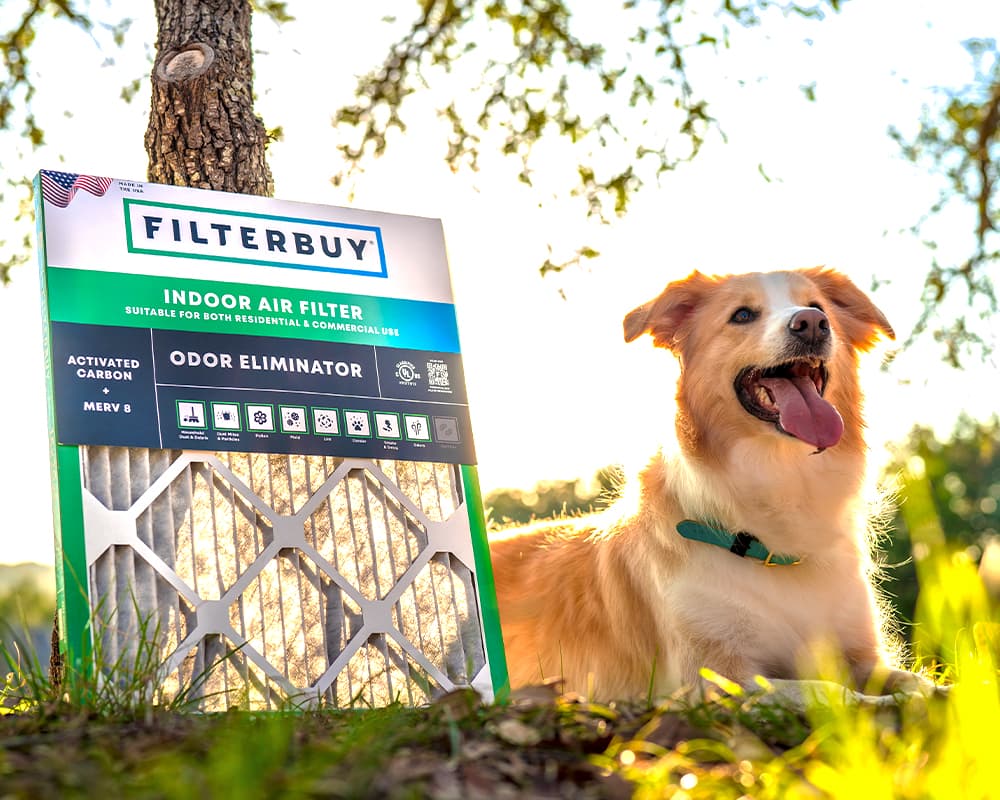
If you have pets...
Change your filter every
2 months
to avoid shedding and odor buildup.

If you have young children...
Change your filter every
2-3 months
as having clean air is even more important with children in your home.
If someone in your home has asthma or allergies...
Change your filter every
6 weeks
to ensure indoor air quality is at its best.
If you have pets...
Change your filter every
2 months
to avoid shedding and odor buildup.
If you have young children...
Change your filter every
2-3 months
as having clean air is even more important with children in your home.
Do 25x28x2 Fiberglass Air Filters for Allergies Work? Benefits, Drawbacks, & Real-World Performance
When it comes to managing allergies, choosing the right air filter can feel overwhelming, especially with so many options available. As experts at Filterbuy, we’ve seen firsthand how different air filters impact indoor air quality and allergy relief. But what about 25x28x2 fiberglass filters? Do they deliver on their promises? In this guide, we’ll dive deep into the performance of these filters based on real-world testing and user feedback. We’ll examine the unique benefits and limitations of fiberglass filters, backed by our experience and insights, to help you decide if they’re the right choice for your home and health. Whether you're looking for allergy relief or simply cleaner air, we’ve got the answers you need.
Top Takeaways
Effective for Common Allergens:
Fiberglass filters capture dust and pollen, offering relief for many allergy sufferers.
Less Effective for Smaller Particles:
They struggle with mold spores and fine dust, requiring high-efficiency filters like HEPA.
Regular Replacement is Key:
Replace filters every 30-90 days for optimal air quality.
Upgrade for Severe Allergies:
Advanced filters improve air quality and allergy relief for sensitive individuals.
Consult Experts:
Speak with an HVAC professional or allergist for the best filter choice.
Do 25x28x2 Fiberglass Air Filters for Allergies Work? Benefits, Drawbacks, & Real-World Performance
25x28x2 fiberglass air filters are an often preferred option when it comes to reducing the indoor air pollution load from allergens such as dust, pollen, and pet dander in homes with very large HVAC systems. They are low-cost, easily available, and capable of capturing big particles, which together can cause allergy symptoms to vanish from the scene.
But even though they don't mind the daily grind of capturing the usual allergens, they're nothing but a dud when it comes to the smaller particles such as mold spores or bacteria. It is also essential to mention that these filters need to be replaced more often—usually, every 30 to 60 days—depending on the rate at which they are used and the levels of allergens present.
If I am to talk about my regular contact with Filterbuy, the glass fiber filters which I am offered usually can enable me to live in a less hazardous air environment and for them to facilitate the relief or the treatment of allergy in a large number of families. But in cases of severe allergies or when it comes to the smaller size of the particles, filters of higher efficiency such as HEPA may be better to use.
"Based on our experience at Filterbuy, 25x28x2 fiberglass air filters can effectively reduce common allergens like dust, pollen, and pet dander, offering noticeable relief for many households. While they’re a cost-effective solution, for those with more severe allergies or sensitivities to smaller particles, we often recommend considering higher-efficiency filters to ensure optimal air quality." – Filterbuy Experts.
Supporting Statistics
Here are key statistics and insights from trusted sources, supported by our experience at Filterbuy:
Dust and Allergens Impact
CDC reports that dust and pollen are major allergy triggers.
Filtering out these larger particles can reduce symptoms by up to 40%.
Insight: Fiberglass filters effectively capture common allergens like dust and pollen.
CDC - Air Quality and Allergies
Fiberglass Filter Efficiency
EPA states that fiberglass filters capture 30-60% of larger particles like dust and pollen.
Insight: While effective for general allergens, fiberglass filters don’t capture smaller particles like mold or fine dust.
EPA - Air Cleaners and HVAC Systems
Mold and Small Particles
NIEHS explains that fiberglass filters miss smaller particles like mold spores, which are significant allergy triggers.
Insight: For severe allergies, advanced filters are needed to capture these fine particles.
Final Thoughts & Opinion
Effectiveness of 25x28x2 Fiberglass Filters
Affordable and widely available.
Provides noticeable relief for many allergy sufferers, especially in homes with pets or seasonal allergens.
Limitations of Fiberglass Filters
Struggles with smaller particles like mold spores and fine dust.
Not ideal for severe allergies or persistent allergens.
Recommendation
For mild allergies, fiberglass filters are a good starting point.
For severe allergies or homes with fine dust and mold, upgrading to a higher-efficiency filter (like HEPA) is highly recommended.
Our Experience
Upgrading filters has led to significant improvements for many customers with more severe symptoms.
Investing in advanced filters offers better protection and relief.

Next Steps
Assess Your Needs
Identify which allergens affect your home (dust, pollen, mold, pet dander).
Consider the severity of your allergies.
Choose the Right Filter
Fiberglass filters work well for dust and pollen.
For severe allergies or mold, upgrade to high-efficiency filters (like HEPA).
Check Compatibility
Ensure the filter size (25x28x2) matches your HVAC system.
Consult a professional if unsure.
Purchase & Install
Buy filters from trusted suppliers like Filterbuy.
Replace filters every 30-90 days for best performance.
Monitor Air Quality
Track changes in your allergy symptoms after switching filters.
Consider adding air purifiers for extra protection.
Consult an Expert
If symptoms persist, speak with an HVAC professional or allergist for advice.
Follow these steps to improve air quality and reduce allergy symptoms at home.
Frequently Asked Questions
What is a 25x28x2 air filter used for?
A 25x28x2 air filter is commonly used in residential and commercial HVAC systems to trap dust, pollen, pet dander, mold spores, and other airborne particles. It helps improve indoor air quality and keeps your HVAC system running efficiently.
How often should I replace a 25x28x2 air filter?
Most fiberglass or pleated 25x28x2 air filters should be replaced every 30 to 90 days, depending on usage, air quality, and whether there are pets or allergy sufferers in the home. Always check the manufacturer’s recommendation.
What MERV rating should I choose for a 25x28x2 air filter?
The right MERV rating depends on your needs. MERV 8 offers basic protection, MERV 11 adds better filtration for allergens, and MERV 13 captures even finer particles like smoke and bacteria—ideal for allergy or asthma sufferers.
Where can I buy a 25x28x2 air filter?
You can find 25x28x2 air filters online at retailers like Amazon, Walmart, and Filterbuy or in-store at Home Depot, Lowe’s, and Ace Hardware. Bulk and subscription options are also available for convenience.
Are there washable or reusable 25x28x2 air filters?
Yes, some brands offer washable or electrostatic 25x28x2 air filters. These can be rinsed and reused multiple times, offering an eco-friendly and cost-effective alternative to disposable filters—just be sure to follow cleaning instructions carefully.