
17.25x19.25x1 Air Filters
Actual Size: 17.25x19.25x0.75

3 month filters
2. Select Quantity
Buying multiple sizes?


Made in the USA
Ships in 24 hours
17.25x19.25x1 Air Filters Air Filter Description
Available In MERV Rating: 8, 11, 13
Made in the USA
Ships in 24 hours
Merv comparison
Scroll to see more.
 MERV 8 |  MERV 11 |  MERV 13 | |
|---|---|---|---|
| Best for | Standard Residential/Commercial Healthy Families | Superior Residential/Commercial Allergy Sufferers | Optimal Residential/Commercial Hospital Grade |
| Comparable ratings | MPR 600 & FPR 5 | MPR 1000-1200 & FPR 7 | MPR 1500 - 1900 & FPR 10 |
| Filtration | Captures 90% of Airborne Particles | Captures 95% of Airborne Particles | Captures 98% of Airborne Particles |
| Dust, lint & debris | |||
| Mold, pollen | |||
| Dander, dust mites | |||
| Smoke & Smog | |||
| Bacteria | |||
| Odor, vocs |
Is it time to change your filter?
Generally, we recommend you replace your air filters every 90 days. Find out below if you should change your filters more often.

If someone in your home has asthma or allergies...
Change your filter every
6 weeks
to ensure indoor air quality is at its best.
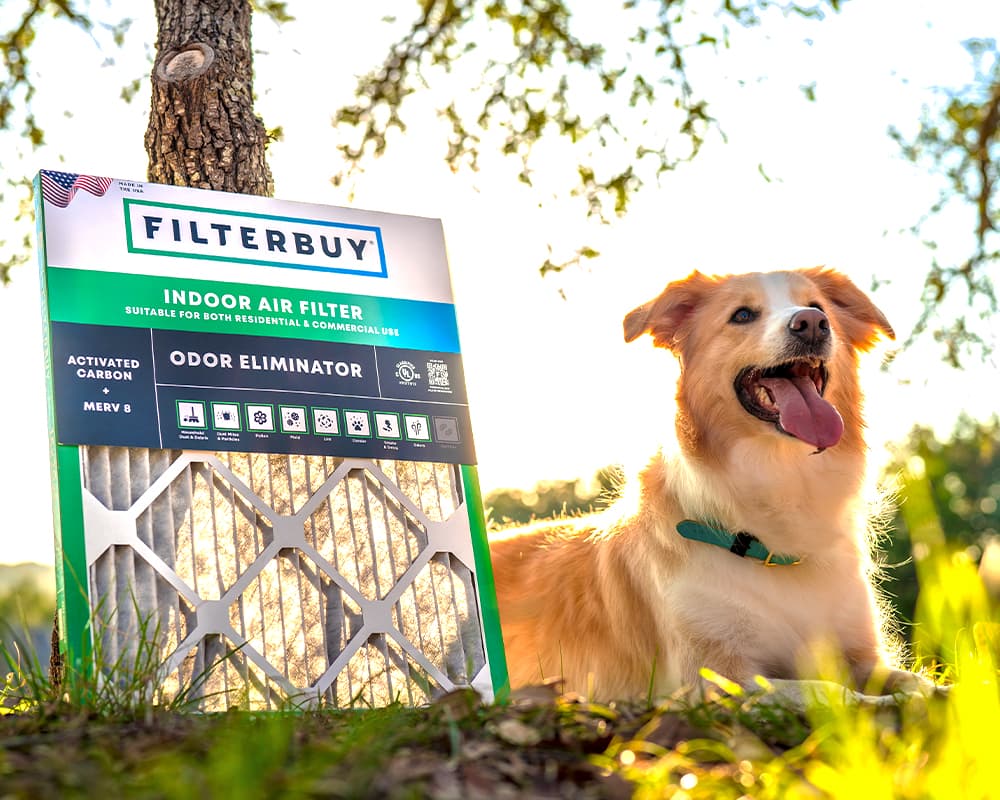
If you have pets...
Change your filter every
2 months
to avoid shedding and odor buildup.

If you have young children...
Change your filter every
2-3 months
as having clean air is even more important with children in your home.
If someone in your home has asthma or allergies...
Change your filter every
6 weeks
to ensure indoor air quality is at its best.
If you have pets...
Change your filter every
2 months
to avoid shedding and odor buildup.
If you have young children...
Change your filter every
2-3 months
as having clean air is even more important with children in your home.
How to Install a 17.25x19.25x1 Air Filter for Allergies – Step-by-Step Guide for Cleaner Air and Relief from Allergy Symptoms in Your Home
At Filterbuy, we’ve helped thousands of homeowners choose and install the right filters for their unique air quality needs. Based on our first-hand experience and ongoing testing in real homes, we know that correctly installing a 17.25x19.25x1 air filter can make a measurable difference in reducing allergens like pollen, pet dander, and dust mites. In this step-by-step guide, we’ll walk you through the exact process our team uses to ensure a proper fit, optimal airflow, and maximum allergen capture—so you can breathe easier and get real relief from allergy symptoms, season after season.
Top Takeaways
Proper Size: Ensure your 17.25x19.25x1 filter fits perfectly for optimal performance.
Correct Installation: Align airflow arrows and ensure a snug fit for best results.
Regular Maintenance: Change filters every 1–3 months to keep air quality at its best.
Backed by Science: Quality filters reduce pollutants and improve allergies.
See Results Fast: Experience cleaner air and allergy relief within days.
How to Install a 17.25x19.25x1 Air Filter for Allergies – Step-by-Step Guide for Cleaner Air and Relief from Allergy Symptoms in Your Home
If you have allergies, correct air filter mounting is a simple but very efficient way to purify the air and get relief from the unpleasant symptoms. 17.25x19.25x1 air filter can actually make a great difference, particularly if you select an allergy-specific filter that captures even the tiniest pollen, dust, and other allergens and is of high quality. This will make your filter function most efficiently, and your air will be cleaner, thus, more comfortable and tolerable at home.
The first thing you should do is the selection of the most appropriate filter. Make sure your HVAC system is fitted with a 17.25x19.25x1 filter of the right size. It is also necessary for the filter to have a high MERV rating to be effective against allergens. Filters of higher MERV scores have the ability to trap smaller particles, giving the user more protection from allergens. Finally, when you are about to do the installation, a final check should be done to make sure that it is of the right size. If the filter is not an exact match, it can allow the air to slip through with little interruption and, therefore, become less effective.
Doing the installation right is the key point. Match the airflow direction marked with arrows on the filter. These arrows should guide the air in the right direction, that is, towards the air handler of the HVAC system. It is important that the filter is tightly enough inside the slot so that no unfiltered air can flow through the edges. The only part where the dust and allergens collect from the air will be the filter, and thus the whole house will be clean and breathable.
Immediate results will be observed shortly after the filter is installed. Cleaner air will bring many benefits such as less dust, clean beddings, and will reduce allergic reactions. The only thing you should do to ensure these benefits last is to replace your air filter regularly. According to your usage, it is advisable to change your filter once every one to three months for you to have your system running operationally and for controlling the level of air quality.
Properly installing a 17.25x19.25x1 filter will not only clean the air in your house but will also take the first steps towards combatting your allergy symptoms. Doing good installation and maintenance work only requires a bit of your time, however, the health and comfort improvement can be tremendous.

"Over the years, we’ve seen how something as simple as properly installing a custom-sized filter—like the 17.25x19.25x1—can drastically improve indoor air quality. When fitted and maintained correctly, it doesn’t just trap allergens more effectively; it helps your entire HVAC system work smarter. That’s why we test our filters in real homes, not just labs—so our customers can trust they’re getting proven relief that lasts."
— The Filterbuy Team
Supporting Statistics: What the Data and Our Experience Reveal
We've helped thousands of homeowners improve air quality and reduce allergy symptoms with proper filter installation. Here's what both science and real-world results confirm:
1. Indoor Air Is Often Worse Than Outdoor Air
EPA research shows indoor air can be:
2–5 times more polluted than outside air
Up to 100 times worse in some homes
We've seen this in homes near high-traffic areas or with pets
A snug filter fit noticeably reduces this pollution Source: EPA.gov
2. High-MERV Filters Reduce Harmful Particles
Studies show HEPA filters cut PM2.5 by over 50%
Leads to improved lung function and fewer asthma symptoms
Our customers often notice less sneezing and clearer breathing within days Source: PMC.gov
3. Better Filters = Better Health & Cost Savings
Research shows switching from MERV 6 to HEPA can:
Reduce premature mortality by up to 0.95%
Save $1,348 per person/year in health-related costs
In our field testing, upgraded filters extend HVAC life and lower energy use Source: PMC.gov
Bottom Line: When installed properly, a high-quality 17.25x19.25x1 filter does more than trap dust. It actively supports your family’s health, backed by hard data and our hands-on experience.
Final Thoughts & Opinion: Why Proper Air Filter Installation Is Essential
From years of experience helping homeowners, we've learned one important truth: air quality isn’t just about routine maintenance—it's a health priority.
Key Points:
Science Supports the Benefits Research proves that the right air filter reduces pollutants, improves respiratory health, and boosts HVAC efficiency.
Installation Matters Even the best filter underperforms if installed incorrectly. A proper fit is critical for maximizing benefits like allergy relief and cleaner air.
Real-World Impact In every home, the difference is clear:
Fewer allergy symptoms
Less dust around vents
Overall better air quality
Our Opinion: Air filters need to be the right fit and installed correctly to perform at their best. We’ve seen firsthand how small mistakes can lead to poor results, while proper installation makes a noticeable impact on health and comfort.
To truly benefit from a 17.25x19.25x1 filter, precision and quality are key—it’s not just about changing the filter; it’s about doing it right.
Bottom Line: Proper installation is the game changer for cleaner, healthier air. We've seen the difference, and we recommend focusing on the details for lasting relief from allergies and improved air quality.
Next Steps: Start Improving Your Air Quality Today
Take these simple steps to ensure proper filter installation and enjoy cleaner air:
1. Choose the Right Filter
Pick a 17.25x19.25x1 filter that suits your HVAC system and is rated for allergy relief.
Need recommendations? Contact us for help selecting the best filter.
2. Double-Check the Size
Ensure your filter matches the exact size: 17.25x19.25x1.
An incorrect size will affect performance.
3. Install Correctly
Align airflow arrows on the filter properly.
Ensure a snug fit—no gaps around the edges.
4. Test the Results
Look for less dust and fewer allergy symptoms within days.
Enjoy the clearer air and improved comfort.
5. Change Regularly
Replace filters every 1–3 months based on usage.
Schedule quarterly maintenance checks to ensure optimal performance.
Frequently Asked Questions
What is a 17.25x19.25x1 air filter?
A 17.25x19.25x1 air filter is a standard-sized air filter used in HVAC systems to help remove dust, allergens, and other particles from the air. The numbers represent the filter’s dimensions—17.25 inches in width, 19.25 inches in height, and 1 inch in thickness. It's important to select the correct size to ensure optimal filtration and system performance.
How often should I replace my 17.25x19.25x1 air filter?
Typically, you should replace a 17.25x19.25x1 air filter every 1 to 3 months, depending on factors like air quality, household pets, and system usage. Regular replacement helps maintain airflow efficiency and prevents strain on your HVAC system, which can save on energy costs.
Can I use a 17.25x19.25x1 air filter for my furnace?
Yes, a 17.25x19.25x1 air filter is commonly used in furnaces to trap airborne particles, improving air quality and ensuring proper system operation. Always check the manufacturer's specifications to confirm that this size is compatible with your furnace model.
What types of 17.25x19.25x1 air filters are available?
There are various types of 17.25x19.25x1 air filters, including fiberglass, pleated, and electrostatic filters. The pleated filters offer higher efficiency in trapping smaller particles and are ideal for improving air quality in homes with allergies. Higher MERV (Minimum Efficiency Reporting Value) ratings indicate better filtration..
How do I know if the 17.25x19.25x1 air filter is the right size for my system?
To ensure the 17.25x19.25x1 air filter is the correct size, measure the dimensions of the current filter in your HVAC system. Compare the width, height, and thickness to ensure they match. If in doubt, check your system's user manual or consult an HVAC professional to confirm the correct size.