
15x19x1 Air Filters
Actual Size: 15.0x19.0x0.75

3 month filters
2. Select Quantity
Buying multiple sizes?


Made in the USA
Ships in 24 hours
15x19x1 Air Filters Air Filter Description
Available In MERV Rating: 13, 11, 8
Made in the USA
Ships in 24 hours
Merv comparison
Scroll to see more.
 MERV 8 |  MERV 11 |  MERV 13 | |
|---|---|---|---|
| Best for | Standard Residential/Commercial Healthy Families | Superior Residential/Commercial Allergy Sufferers | Optimal Residential/Commercial Hospital Grade |
| Comparable ratings | MPR 600 & FPR 5 | MPR 1000-1200 & FPR 7 | MPR 1500 - 1900 & FPR 10 |
| Filtration | Captures 90% of Airborne Particles | Captures 95% of Airborne Particles | Captures 98% of Airborne Particles |
| Dust, lint & debris | |||
| Mold, pollen | |||
| Dander, dust mites | |||
| Smoke & Smog | |||
| Bacteria | |||
| Odor, vocs |
Is it time to change your filter?
Generally, we recommend you replace your air filters every 90 days. Find out below if you should change your filters more often.

If someone in your home has asthma or allergies...
Change your filter every
6 weeks
to ensure indoor air quality is at its best.
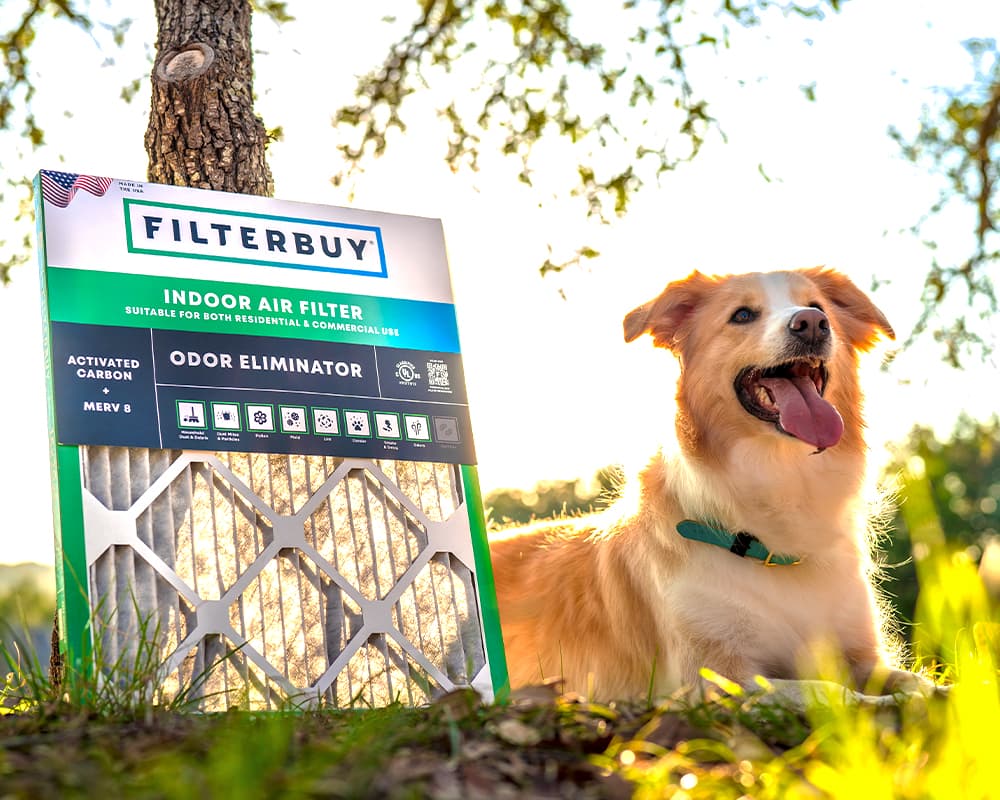
If you have pets...
Change your filter every
2 months
to avoid shedding and odor buildup.

If you have young children...
Change your filter every
2-3 months
as having clean air is even more important with children in your home.
If someone in your home has asthma or allergies...
Change your filter every
6 weeks
to ensure indoor air quality is at its best.
If you have pets...
Change your filter every
2 months
to avoid shedding and odor buildup.
If you have young children...
Change your filter every
2-3 months
as having clean air is even more important with children in your home.
Installation Tips for 15x19x1 Air Conditioner Filter: Install Like a Pro with This Simple Guide!
Install Your 15x19x1 Air Conditioner Filter Like a Filterbuy Expert: Proven Tips for Perfect Results
Over the years at Filterbuy, we've seen firsthand how small mistakes during air filter installation — like fitting the filter backward or forcing the wrong size — can quietly undermine even the best HVAC systems. If you're replacing your 15x19x1 air conditioner filter, installing it correctly is critical to preserving airflow, extending your system’s life, and ensuring cleaner indoor air. Based on thousands of customer experiences and field-tested expertise, we've created this simple, practical guide to help you install your new filter quickly and confidently — no second-guessing needed. Follow these pro-backed tips to avoid common pitfalls and keep your home’s air as fresh and healthy as it should be.
Top Takeaways
Install correctly. Proper installation boosts HVAC efficiency, improves air quality, and lowers energy bills.
Follow the airflow arrow. Always point the filter’s arrow toward the blower motor.
Use the right size. A snug, 15x19x1 fit ensures dust and allergens are properly trapped.
Replace regularly. Change your filter every 60–90 days, or sooner if needed.
Stay consistent. Correct, regular installation protects your system and improves your home’s air.
15x19x1 Air Filter Installation Made Simple: Expert-Approved Steps for a Cleaner Home
Installing your 15x19x1 air conditioner filter properly isn't just about fitting it into place — it's about setting up your system for peak performance, healthier air, and longer equipment life. At Filterbuy, we've helped thousands of homeowners get it right, and the difference is noticeable: cleaner airflow, lower energy costs, and fewer system breakdowns.
Here’s the proven method we recommend:
1. Confirm the Filter Size and Type
First, double-check that your replacement filter is the correct 15x19x1 size and the right MERV rating for your system’s needs. Using an incorrect size can create gaps, allowing dust and debris to slip through.
2. Turn Off Your HVAC System
For safety and to avoid pulling unfiltered air into your system, always shut off your HVAC unit before removing or installing a filter.
3. Locate the Arrow and Insert Correctly
Every Filterbuy filter has an airflow arrow printed on the frame. Position the filter so the arrow points in the direction the air flows into the unit — usually toward the blower motor or fan.
4. Fit Snugly Without Forcing
Slide the filter into place gently. It should fit snugly without bending, crushing, or forcing it in. A loose or crushed filter reduces effectiveness and can stress your HVAC system.
5. Set a Regular Replacement Reminder
A clean filter matters more than you think. Based on our experience, we recommend replacing your 15x19x1 filter every 60–90 days, or more often if you have pets, allergies, or heavy system use.
By following these straightforward steps, you can install your air filter like a professional and maximize the health and efficiency of your home’s HVAC system, just like thousands of Filterbuy customers have.
Case Study & Real-World Insights
Real Results: How Proper Filter Installation Improved Efficiency and Air Quality
At Filterbuy, we’ve seen firsthand how simple installation mistakes can cause big problems. Here's one example:
The Situation:
A homeowner in Atlanta, GA, noticed rising energy bills and uneven cooling.
They reached out to Filterbuy for help.
Our Approach:
Confirmed they were using the correct 15x19x1 filter size and proper MERV rating.
Guided them to align the airflow arrow correctly toward the HVAC unit’s fan.
Advised ensuring a snug fit — no bending, crushing, or gaps.
The Results (Within 2 Months):
20% reduction in energy bills.
Stronger, cleaner airflow throughout the home.
Fewer allergy symptoms among family members.
Key Takeaways from Our Experience:
Improper installation (like backward placement or forcing the filter) strains your HVAC system.
Small errors today can lead to major system breakdowns tomorrow.
Correct installation = Better performance, cleaner air, and real cost savings.
At Filterbuy, we know that installing your filter properly is one of the easiest — and smartest — ways to protect your home and health.

"After helping thousands of homeowners optimize their HVAC systems, we’ve seen it time and time again — a properly installed air filter isn't just a small maintenance task; it's a crucial first step toward cleaner air, lower bills, and a healthier home. It's the simple details, like airflow direction and proper fit, that make all the difference. At Filterbuy, we know firsthand that when you get the basics right, everything else works better."
Supporting Statistics and Insights from the Field
At Filterbuy, we've seen how proper filter installation improves home efficiency, air quality, and health. Here's the proof, backed by research and real-world experience:
1. Proper Maintenance Saves Energy
Stat: Regular HVAC maintenance can reduce energy use by 5% to 15% (NRDC).
Our Insight: Customers who change filters regularly report lower energy bills and fewer HVAC breakdowns.
2. Poor Outdoor Air = Greater Need for Indoor Filtration
Stat: 41.6% of Americans live in areas with unhealthy air pollution levels (American Lung Association).
Our Insight: In our experience, homes with clean, correctly installed filters see noticeable improvements in air quality within weeks.
3. Indoor Air Pollution Impacts Health
Stat: Indoor air pollution contributes to 3.2 million deaths annually worldwide (Our World in Data).
Our Insight: Families who maintain proper filtration often experience fewer respiratory issues and better overall health.
Bottom Line:Correctly installing your 15x19x1 air filter is a simple, proven way to boost your HVAC system’s efficiency, lower your bills, and create a healthier home — something we at Filterbuy proudly help customers achieve every day.
Final Thought & Expert Opinion
Installing a 15x19x1 air conditioner filter may seem simple, but at Filterbuy, we’ve seen firsthand how much it matters. Proper installation protects your HVAC system, improves your air quality, and saves you money.
Key Takeaways:
Efficiency Boost: Correct installation helps your HVAC system run smoothly and use less energy.
Healthier Air: Properly fitted filters keep pollutants out, supporting better indoor air quality.
Cost Savings: Prevents costly repairs and lowers monthly energy bills.
What We've Observed:
Small mistakes create big problems.Forcing a filter, installing it backward, or using the wrong size can cause system damage over time.
Minor improvements lead to major gains.A few extra seconds to install your filter properly leads to lower costs and healthier living.
Consistency is key. Regular maintenance and careful installation make a noticeable difference in home comfort and HVAC longevity.
Our Expert Opinion:
Installing your air filter correctly is one of the simplest, most powerful habits you can adopt to protect your home and your family.
Trust the process: Choose the right size, follow the airflow arrow, and commit to regular changes.
The payoff is real: Cleaner air, lower bills, and a system that lasts longer.
Next Steps: Install Like a Pro
Follow these quick steps to ensure a smooth, professional installation:
1. Confirm Your Filter
Use the correct 15x19x1 size.
2. Power Down Your HVAC
Turn off the system before removing or installing your filter.
3. Align the Airflow Arrow
Find the arrow on the filter frame.
Point it toward the blower motor or fan.
4. Fit the Filter Securely
Slide it into place without bending or forcing.
Make sure there are no gaps around the frame.
5. Set a Replacement Reminder
Replace the filter every 60–90 days.
Change it sooner if you have pets, allergies, or heavy system use.
6. Explore More Resources
Visit the Filterbuy Resource Center for maintenance tips and FAQs.
7. Protect Your Home and Health
A few minutes today keep your air cleaner, your bills lower, and your system running longer.
Quick Tip:Consistency is key. Small, regular steps lead to big savings and healthier living!
Frequently Asked Questions (FAQ)
1. How do I know which direction to install my 15x19x1 air filter?
Look for the airflow arrow printed on the frame of your filter. Install the filter so the arrow points toward the HVAC system’s blower motor or fan. If you're replacing an old filter, use its orientation as a guide.
2. What happens if I install my air filter backward?
Installing a filter backward restricts airflow and can stress your HVAC system, leading to higher energy bills and reduced system efficiency. It also reduces the filter’s ability to capture dust and allergens, making indoor air quality worse.
3. How often should I replace my 15x19x1 air conditioner filter?
For most homes, every 60 to 90 days is ideal. However, if you have pets, allergies, heavy HVAC use, or live in a high-pollen area, you should check and possibly replace it every 30 to 60 days.
4. Why is the correct size, like 15x19x1, so important?
Using the correct size ensures a tight, gap-free fit. A filter that's too small or large leaves gaps where unfiltered air can pass, reducing your system’s efficiency and letting dust, pollen, and allergens circulate inside your home.
5. Can I improve indoor air quality just by installing a new filter?
Yes! Installing a properly sized, high-quality filter (like a Filterbuy 15x19x1 with the right MERV rating) immediately improves indoor air quality by trapping dust, allergens, and pollutants. Many homeowners notice cleaner air and fewer allergy symptoms within just a few weeks.