
How Long Do Furnaces Last? Average Lifespan and Life Expectancy of a Furnace Explained
May 5, 2026
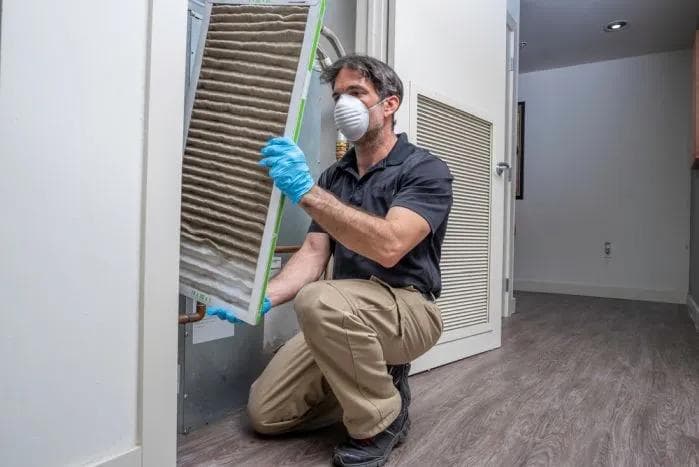
A furnace is a major investment. Knowing its typical lifespan helps you plan repairs, replacement, and budget.
Key takeaways
Most furnaces last 15 to 20 years. Gas is often 15 to 20, oil 15 to 25, and electric 20 or more with regular care.
Lifespan depends on correct sizing and installation, runtime and climate, sealed ducts, annual service, and clean airflow with the right filter.
Replacement is likely when a unit is near 20 years, needs frequent or costly repairs, or fails key safety and comfort checks. Use the 50 percent repair rule.
Extend life with yearly professional service and on-time filter changes. Use snug-fit Filterbuy pleated filters and replace every one to three months based on dust and pets.
How long do furnaces last on average?
Most furnaces last 15 to 20 years with normal use and regular care.
Gas furnaces often run 15 to 20 years.
Oil furnaces are usually 15 to 25 years with good maintenance.
Electric furnaces can reach 20 years or more, though operating cost depends on local rates.
Actual life depends on usage hours, installation quality, and maintenance.
What drives furnace lifespan
Sizing and installation. Proper sizing, safe venting, and balanced ducts reduce stress and short cycling.
Runtime and climate. Colder climates mean more hours of operation each winter.
Filtration and airflow. Clean, snug-fit filters keep the blower and indoor coil clean and maintain airflow.
Ductwork. Sealed and insulated ducts lower run time and heat loss.
Maintenance. Annual service catches small issues before they become major failures.
Home conditions. Renovation dust, pet hair, and poor indoor air quality load filters faster and can shorten life.
Power quality and controls. Stable power, correct thermostat settings, and a healthy control board prevent nuisance failures.
Signs your furnace is nearing the end
Rising energy bills with the same setpoints.
Frequent or costly repairs.
Uneven heat, weak airflow, or longer run times.
New rattles, squeals, booms, or persistent odors.
Visible corrosion or a history of safety trips.
Age over 15 years with declining performance.
Common failure points as furnaces age
Heat exchanger cracks or corrosion. This is a safety issue and usually means replacement.
Inducer or blower motors wearing out.
Ignition systems such as hot surface igniters or flame sensors failing.
Control boards and pressure switches are becoming unreliable.
Gas valves and burners fouling or corroding on older units.
Should I replace a 20-year-old furnace?
Often yes. At 20 years, most furnaces are past typical life and lack modern efficiency and safety features. If a major repair is needed, if the heat exchanger is suspect, or if comfort is inconsistent, replacement is the smarter long-term choice. If your AC is also old, replace both so capacities and blowers are matched.
Repair or replace
If a repair will cost about half the price of a new furnace, replacement is usually the smarter move. Replacement also makes sense when a unit over 15 years old has needed two or more major repairs in the past two years.
How to extend furnace life
Schedule professional service every year so a technician can inspect and clean burners or elements, the blower, safety controls, venting, and the shared indoor coil if you have AC.
Use a snug-fit pleated filter, check it monthly, and replace it every one to three months based on dust and pets.
Keep supply and return grilles open, and seal and insulate ducts to reduce run time.
Avoid large thermostat swings, keep the area around the furnace dry, and install working CO alarms near bedrooms if you use fuel heat.
What is the best furnace?
The best furnace is one that is correctly sized for your home, installed by a qualified pro, and supported by clean ducts and the right filter. These features add real value:
High AFUE (Annual Fuel Utilization Efficiency)
A percentage that shows how much of the fuel becomes heat over a year.
Higher AFUE means less waste and lower bills, especially in cold climates.
ECM blower motor (electronically commutated motor)
A variable-speed motor that precisely controls airflow.
Uses less electricity, starts softly and runs quieter, and keeps temperatures more even while improving filtration.
Two-stage or modulating heat
Two-stage runs on low most of the time and high when it is very cold. Modulating adjusts in small steps from low to high.
Smoother temperatures, lower noise, and better fuel use because the furnace only works as hard as needed.
Installation is also very important. Pick a contractor who performs a Manual J load calculation, checks and seals ducts, and sets the furnace up to manufacturer specs. Brand is important, but proper sizing, installation, and regular maintenance matter more for comfort, efficiency, and lifespan.
How long does a furnace last in a house with good care?
With proper sizing, sealed ducts, annual service, and on-time filter changes, many furnaces reach the upper end of 20 years. Without these, life expectancy shortens, and repairs grow.
Simple yearly plan
Every month. Check the return filter. Replace if dirty. Keep grilles and the area around the furnace clear.
Every season. Vacuum returns, confirm strong airflow, and listen for new noises.
Every year. Schedule professional service before the heating season.
Every few years. Have ducts inspected for leaks and insulation gaps.
Increase the lifespan of your furnace with the right filter
Your furnace depends on steady airflow. A quality pleated filter protects the blower and indoor coil and helps your home feel even room to room.
MERV 8 for standard dust control.
MERV 11 for homes with pets or allergy concerns.
MERV 13 only if your system maintains normal airflow. Match the printed size on your current filter for a snug seal. Install in the direction shown on the unit label.
Get your furnace filters from Filterbuy
Filterbuy makes USA-made pleated filters in MERV 8, 11, and 13, in hundreds of standard sizes and custom sizes for a precise fit. You can add Odor Eliminator with activated carbon for household smells. Enjoy fast, free shipping, multi-pack value, and Auto Delivery so replacements arrive on time.
Expect 15 to 20 years from a well-kept furnace. Track the age, watch the signs, and stay on schedule with filter changes.
FAQs
How long does a furnace last?
Most furnaces last 15 to 20 years with normal use and regular maintenance.
Should I replace a 20-year-old furnace?
Often yes. At 20 years many units are past their typical life and repairs or efficiency losses can make replacement the better value.
What is the average life of a furnace and air conditioner together?
A furnace averages 15 to 20 years. A central air conditioner averages 12 to 17 years. If both are near the end, replacing them together can save labor and improve performance.
What shortens furnace life?
Poor installation, wrong sizing, leaky or undersized ducts, dirty or wrong-size filters, heavy dust or pet hair, and skipped maintenance.
What helps a furnace last longer?
Annual professional service, a snug-fit pleated filter changed on time, sealed and insulated ducts, and steady thermostat settings.
What are signs my furnace is near the end?
Rising bills, frequent or costly repairs, uneven heat, weak airflow, new noises or odors, and visible corrosion. Age over 15 years is a warning sign.
When should I repair vs replace?
If a repair is close to half the cost of a new furnace, replacement is usually smarter. Consider age and repair history too.
Does brand or installation matter more for lifespan?
Both matter, but correct sizing, ductwork, and setup by a qualified installer have the biggest impact on life and comfort.
Do filters affect how long a furnace lasts?
Yes. A clogged or leaky filter increases strain and can shorten life. Use the exact size and change every one to three months.
Does climate change lifespan?
Colder climates mean more runtime each winter, which can shorten life. Good insulation and duct sealing reduce runtime.
What is the best furnace for long life?
One that is properly sized, correctly installed, and maintained. High AFUE, an ECM blower, and two-stage or modulating heat also help comfort and stress levels.
How can Filterbuy help with lifespan?
By keeping airflow healthy. Use a snug-fit Filterbuy pleated filter in MERV 8 for standard dust or MERV 11 for homes with pets or allergies, and replace on schedule.