The moment a wildfire starts near you, you'll get an instant alert and simple tips to reduce your smoke exposure.
30xSmaller than a human hair
Fine enough to reach deep into the lungs. A MERV 13 is built to capture it.
It Doesn't Stay Local
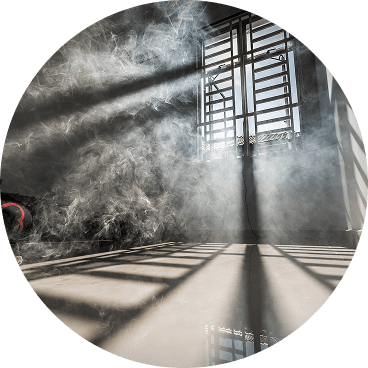
Smoke rides the wind far downwind — you can get smoky air with no fire nearby.
Simple steps to reduce indoor exposure.
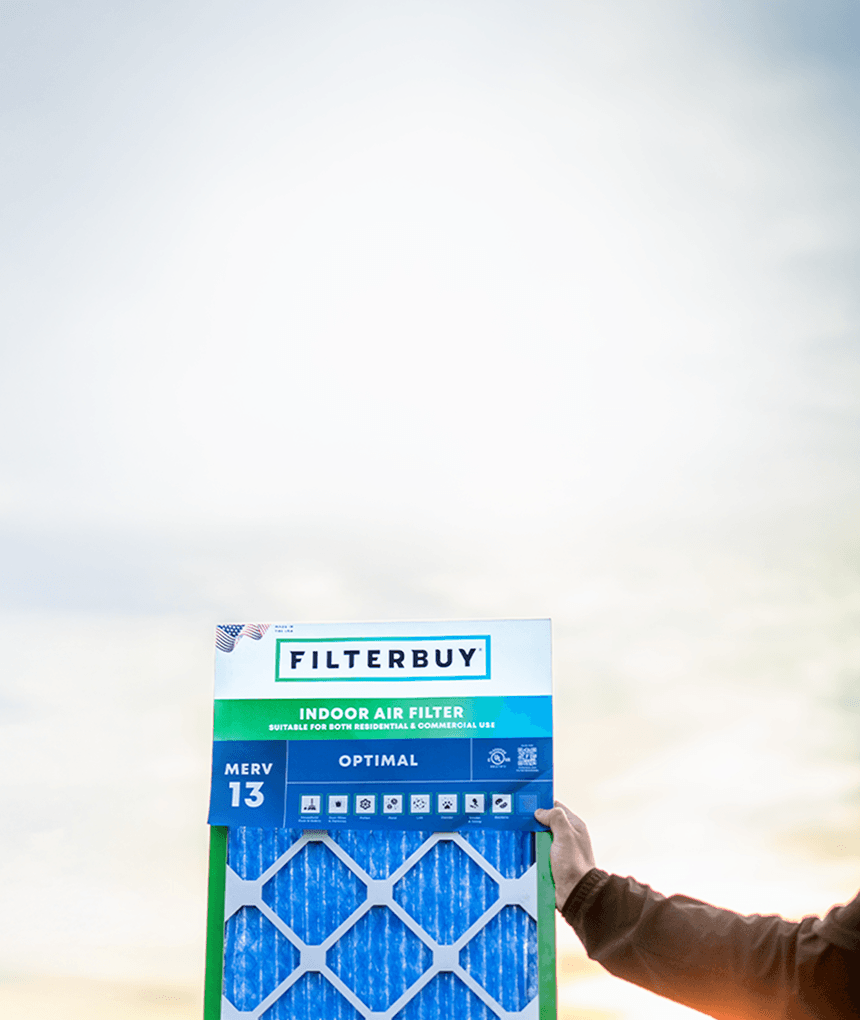
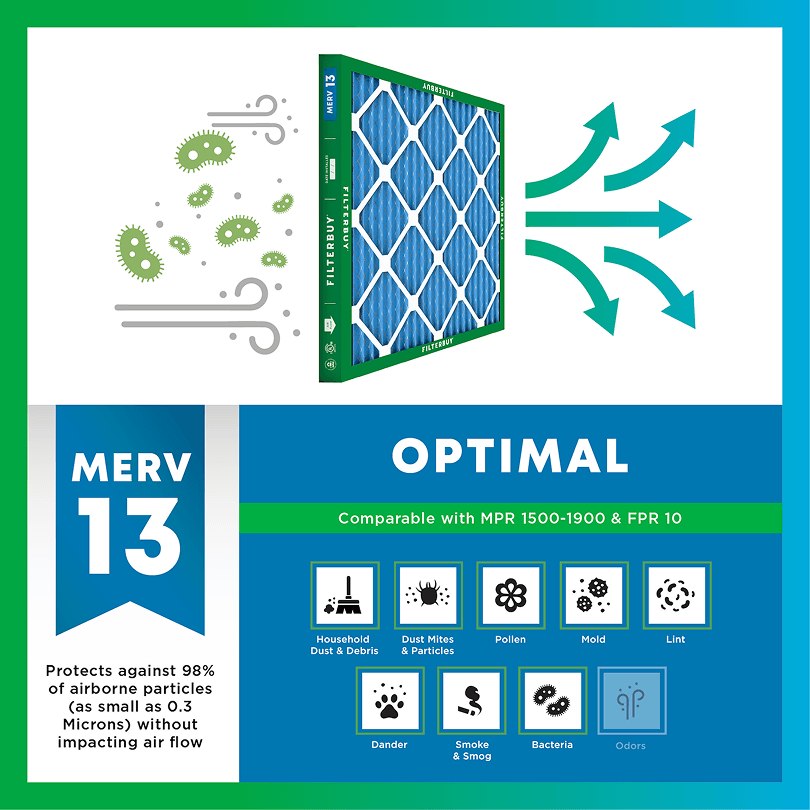
During smoke events, the EPA recommends upgrading to a MERV 13 filter — or the highest-rated filter your system can handle — to help reduce the fine particles smoke brings indoors. MERV 13 is the level most home HVAC systems can run while still capturing PM2.5, the fine particulate that makes up the bulk of wildfire smoke.
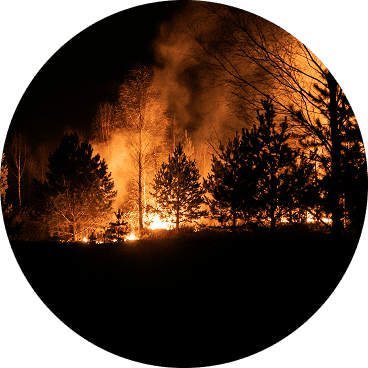
Over 70,000 wildfires burn in the U.S. every year.
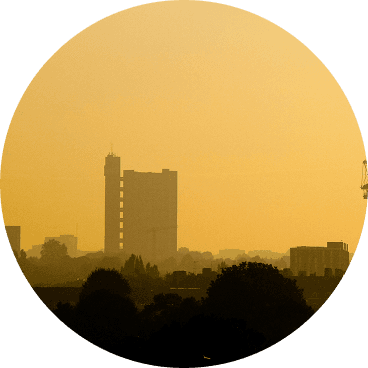
Wildfire smoke can travel 1,000+ miles, affecting states that aren't even near the blaze.
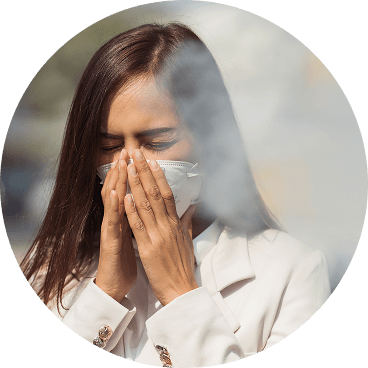
Exposure to wildfire smoke can worsen asthma, trigger heart issues, and lead to ER visits.
Indoor air can hold more fine particles during wildfire events unless it's properly filtered.
The EPA advises using MERV 13 filters or portable HEPA air cleaners during wildfire smoke events.
Use the live wildfire smoke tracker and upgrade your air filters today to protect your lungs and your home.
Shop Filters For Smoke Protection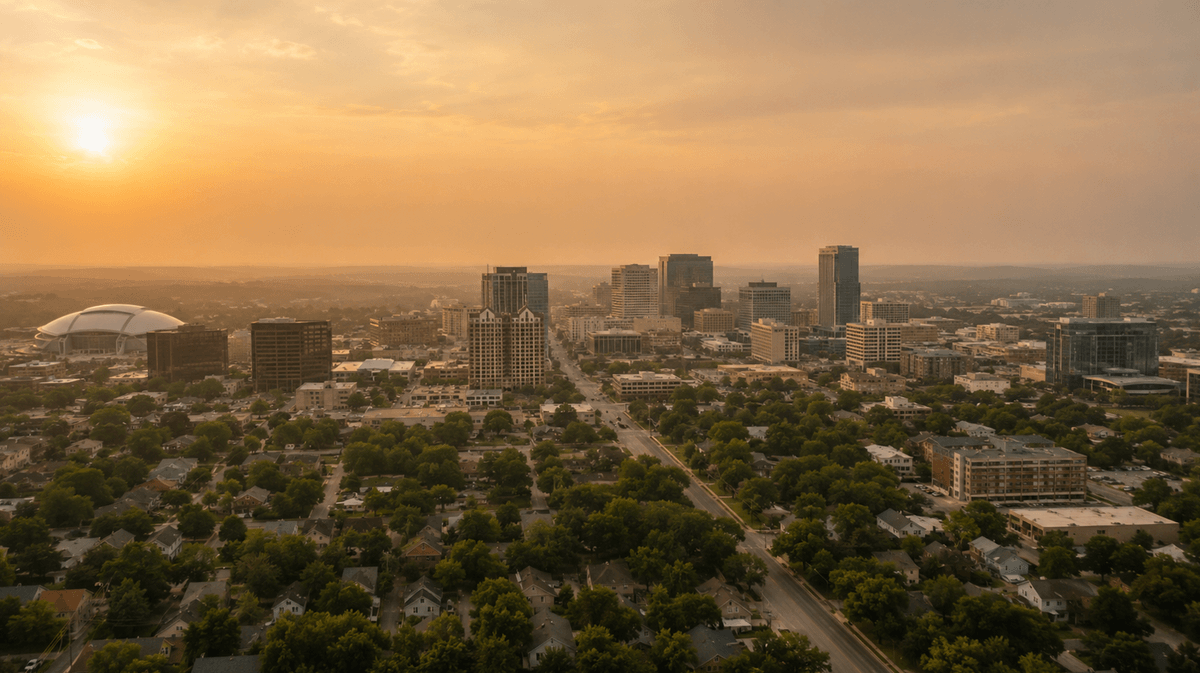
Author: Michelle Wan, Brand Manager and Air Quality Writer
Reviewer: David Clark, Licensed HVAC Technician
Publish Date: July 22, 2026
Updated Date: July 22, 2026
Arlington rarely faces a wildfire within its own city limits, since it sits in suburban Dallas-Fort Worth rather than forest. Its smoky days come from smoke traveling in from elsewhere, so conditions can shift from clear to hazy within a single day depending on wind direction. Checking a live map beats assuming yesterday's air quality will hold.
Arlington sits in Tarrant County, well outside any forested wildland, so its wildfire smoke risk is almost entirely a transported-smoke story. Smoke reaching Arlington typically comes from Permian Basin oil field burning, wildfires in Canada or Mexico, or North Texas grass and brush fires during dry, windy stretches. Use the live map above for today's active fires and smoke plumes, then cross-reference TCEQ's daily Dallas-Fort Worth forecast for the clearest read on whether today calls for staying indoors.
Arlington's wildfire smoke almost always arrives from the Permian Basin, Canada, Mexico, or North Texas grassland fires rather than a nearby forest.
TCEQ issues a daily statewide forecast flagging when Dallas-Fort Worth PM2.5 or ozone levels are expected to climb into the Moderate range.
The 2026 wildfire season already produced record early-season acreage nationally, raising the odds of transported smoke reaching Texas.
Children, older adults, pregnant women, and people with asthma, COPD, or heart disease face the highest risk and should limit outdoor activity first.
Not every hazy day is wildfire smoke. Saharan dust and ground-level ozone produce similar haze but call for different responses at home.
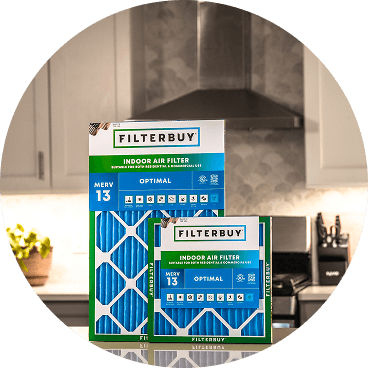
A MERV 13 filter captures a meaningfully higher share of fine PM2.5 particles than a standard MERV 8 filter. Filterbuy manufactures MERV 13 filters in the USA in more than 600 sizes.
Checking the live Fire and Smoke Map before outdoor plans takes less than a minute and is the most reliable way to know today's real risk in Arlington.
Arlington's smoke comes from three recurring sources rather than a local fire. The Permian Basin in West Texas sends light-density smoke drifting east on the right wind pattern, tracked daily by TCEQ. Wildfire smoke from Canada and, at times, Mexico can travel over a thousand miles before settling over Texas, and the 2026 season's record early-season acreage has already pushed unhealthy readings into more than a dozen states. Closer to home, North Texas gets its own grass and brush fires during hot, dry, windy stretches along the I-35 corridor, layering local smoke on top of what has already drifted in.
Not every hazy day is wildfire smoke, though. TCEQ's daily forecast often names Permian Basin smoke, Saharan dust, and afternoon ozone together on the same hot, still day, and each calls for a different response at home.
The Fire and Smoke Map above combines active fire locations, smoke plume forecasts, and real-time air quality readings from regulatory monitors and crowd-sourced sensors. Smoke plume shading is the layer most relevant to Arlington on a typical day, since the city itself rarely shows a fire icon. Colored dots represent monitoring stations, shaded from green for Good through purple for Very Unhealthy on the AQI scale. Check the nearest colored dot to Arlington rather than the national fire layer for a same-day decision. A Moderate or Unhealthy for Sensitive Groups reading means at-risk household members should limit outdoor time, even without a visible smoke plume over the city.
AQI categories follow the EPA Air Quality Index scale. Check the live Fire and Smoke Map above for Arlington's current reading.
Wildfire smoke can affect anyone, but the risk is not distributed evenly across a household.
Children under 18, whose lungs are still developing.
Adults over 65, who face higher baseline cardiovascular and respiratory risk.
People with asthma, COPD, or heart disease, for whom smoke is a documented flare-up trigger.
Pregnant women, due to links between fine particle exposure and pregnancy complications.
Outdoor workers, who cannot always stay indoors during a smoke event.
Watch for headache, eye or throat irritation, coughing, wheezing, or unusual fatigue. Symptoms can appear one to two days after exposure, so a clear day yesterday does not rule out lingering effects today.
Most protective steps focus on keeping outdoor smoke from becoming indoor air:
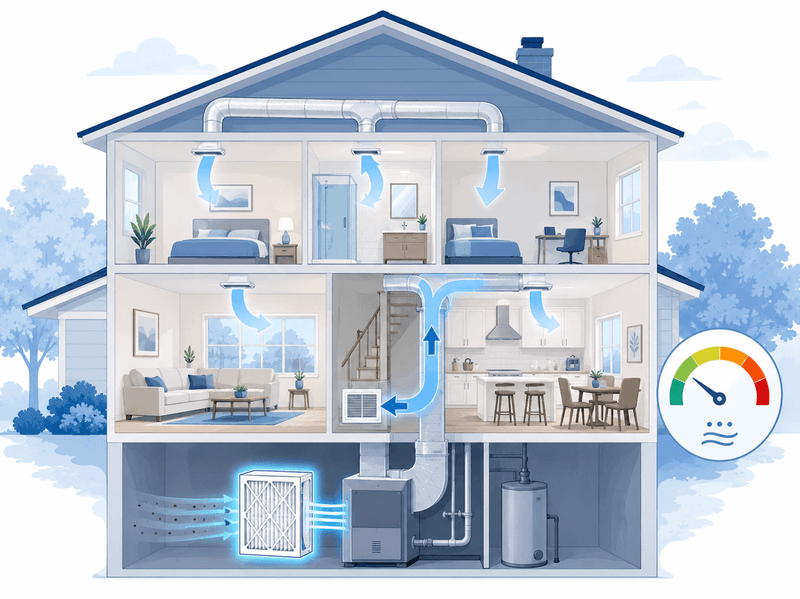
Close windows and doors, and set central air to recirculate rather than pull in outside air.
Pick one interior room with few windows as a clean room for the household during a smoke event.
Run a portable HEPA air cleaner, or upgrade the HVAC filter to MERV 13, which Filterbuy ships factory-direct in more than 600 sizes.
Avoid vacuuming without a HEPA filter, frying food, or burning candles during a smoke event.
Save the N95 respirator for anyone who must go outside, since cloth or surgical masks do not filter PM2.5 effectively.
Check on neighbors, especially older adults, who may not track the forecast as closely.
Higher MERV ratings can restrict airflow in some HVAC systems. Confirm compatibility before upgrading past MERV 13.
Arlington's biggest outdoor draws sit in the path of transported smoke, so a hazy forecast changes the calculus for a day built around one of them. Check the AQI before leaving home for AT&T Stadium or Globe Life Field, and limit time in open-air plazas on an Orange or Red day. A full day at Six Flags or Hurricane Harbor means a full day of exposure, so sensitive visitors are better served by an indoor attraction above Orange. UT Arlington student athletes and anyone with asthma should treat an Orange reading like a heat advisory. None of this requires canceling plans most days, just checking the map before leaving rather than after noticing the sky looks off.
Most homeowners do not think about wildfire smoke until the sky turns hazy. We hear the same story every fire season. They assumed a closed-up house was enough, then found their HVAC filter was letting smoke straight through. A MERV 13 filter closes that gap, and it already helps with everyday dust and pollen.
David Heacock, Founder and CEO, Filterbuy
Federal tool tracking active wildfires, smoke plumes, and real-time air quality.
Source: AirNow Wildfires and Air Quality Guidance
The state's daily PM2.5 and ozone forecast, including Permian Basin and cross-border transport notes.
Source: Today's Texas Air Quality Forecast
The local NWS office for air quality alerts and fire weather forecasts for Dallas-Fort Worth.
Source: NWS Fort Worth/Dallas Forecast Office
Federal guidance on reducing smoke exposure and protecting vulnerable household members.
Source: CDC Safety Guidelines: Wildfires and Wildfire Smoke
Guidance on who faces the highest risk from smoke and how to monitor symptoms.
Source: Wildfire Smoke and Lung Health
FEMA's resource on building an emergency plan and evacuating safely.
Source: Wildfires | Ready.gov
Household checklists for a go-kit, evacuation routes, and safety.
Source: Wildfire Safety | American Red Cross
Long-distance smoke transport into Texas is a seasonal reality, not a rare event.
Source: National Interagency Fire Center Wildfires and Acres
Visits climbed within a day of dense wildfire smoke exposure, ischemic heart disease visits rose 22 percent, and adults 65 and older saw the largest increase.
Source: American Heart Association: Where There's Smoke, There's Fire and Heart Health Risks
Each 10 microgram per cubic meter rise in wildfire-specific PM2.5 drove the increase, versus just 0.67 to 1.3 percent for the same rise from other sources.
Source: Wildfire Smoke Impacts Respiratory Health More Than Fine Particles From Other Sources
Arlington will likely never see a wildfire ignite within its own city limits, but the 2026 season shows smoke does not need a nearby fire to reach its skies. Households that check the live map each morning are best positioned to make a smart call before an outdoor afternoon turns into an unplanned indoor day.
Checking on family elsewhere in Texas? See the companion live wildfire and smoke map for Houston, TX.

Bookmark the Fire and Smoke Map above and check it before extended outdoor plans this week.
Sign up for TCEQ or NWS air quality alerts so a forecast change reaches you automatically.
Check your HVAC filter's age and consider upgrading to MERV 13 ahead of the next smoke event.
Set up a Filterbuy auto-delivery schedule so a fresh filter arrives without you having to remember.
Wildfires rarely ignite within Arlington's city limits, since the area is urban and suburban rather than forest or grassland. Its smoke exposure comes almost entirely from fires burning elsewhere in Texas, Mexico, or Canada.
A hazy sky is most often transported smoke, Permian Basin burning, or Saharan dust rather than a local fire. Check the live map above to identify the source.
Check the colored dot nearest Arlington on the Fire and Smoke Map or the daily TCEQ forecast. Moderate or higher means sensitive groups should reduce outdoor activity, and Unhealthy means everyone should limit time outside.
A MERV 13 filter captures a meaningfully higher share of fine PM2.5 particles than a standard MERV 8 filter. Filterbuy makes MERV 13 filters in the USA in more than 600 sizes, including custom dimensions.
Yes. Wildfire smoke can travel more than a thousand miles under the right wind pattern, and Canadian fire smoke has produced unhealthy readings as far away as Florida and the Northeast in recent seasons.
Ready to upgrade before the next smoke event reaches Arlington? Filterbuy makes MERV 13 filters in the USA in more than 600 sizes and ships factory-direct. Shop MERV 13 Air Filters or set up auto-delivery so a fresh filter always arrives on schedule.
Michelle Wan is Brand Manager and Air Quality Writer at Filterbuy, where she covers air quality, wildfire smoke, and seasonal indoor air topics for homeowners across the United States and Canada.
Subscribe to wildfire smoke alerts for Arlington, TX, to get a heads-up before the next event reaches your area.