
Amarillo Real-Time AQI Tracker

Get Alerts For Unhealthy AQI In Your Area
When air quality in your area reaches unhealthy levels, we'll send you a quick alert, along with expert tips on how to reduce your exposure.
What's Actually In Amarillo Air Today?
What High AQI Means for Your Lungs in Amarillo
How to Read AQI
The Air Quality Index (AQI) measures how polluted the air is and how it may affect your health.
0–50 (Good): Air quality is satisfactory.
51–100 (Moderate): Acceptable, but some pollutants may pose minor concerns.
101–150 (Unhealthy for Sensitive Groups)
151–200 (Unhealthy)
201–300 (Very Unhealthy)
301+ (Hazardous)
Moderate
Still okay for most, but if you have asthma or allergies, take it easy and avoid long outdoor workouts.
Shop MERV 11 filters→What's the Right Filter for Your AQI Level?

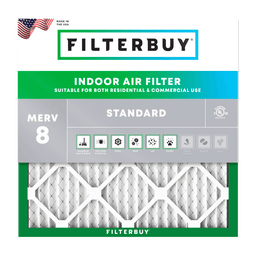
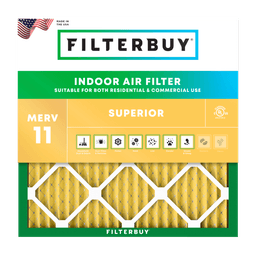
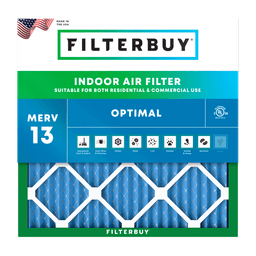

Check Today's Live Real Time Air Quality Index AQI Map In Amarillo, TX Now
Author: Michelle Wan, Brand Manager & Air Quality Writer | Filterbuy — Reviewer: David Clark, Licensed HVAC Technician — Published Date: July 19, 2026 — Updated Date: July 19, 2026
TL;DR Quick Answers
Amarillo's air quality changes fast because of Texas Panhandle wind, not just traffic or industry. Dust storms (haboobs) are the most frequent driver, wildfire smoke from Panhandle grass fires like 2024's record-setting Smokehouse Creek Fire is the second, and ground-level ozone on hot afternoons is the third. Check the live AQI map above before heading out, and keep a MERV 13 filter on hand since dust and smoke both load a standard filter faster than everyday use.Why Amarillo's Air Turns Bad Differently Than The Rest Of Texas
The live map above tracks Amarillo's Air Quality Index (AQI) on the same 0 to 500 EPA scale used nationwide, pulled from Texas Panhandle monitors. Check the number and color before planning outdoor time today, then keep reading. Amarillo's air behaves differently than Houston's or Dallas's, and knowing why changes what you should do about it.
Top Takeaways
Amarillo's air quality is driven by three separate forces: blowing dust, wildfire smoke, and ground-level ozone, not just one dominant pollutant like most Texas metros.
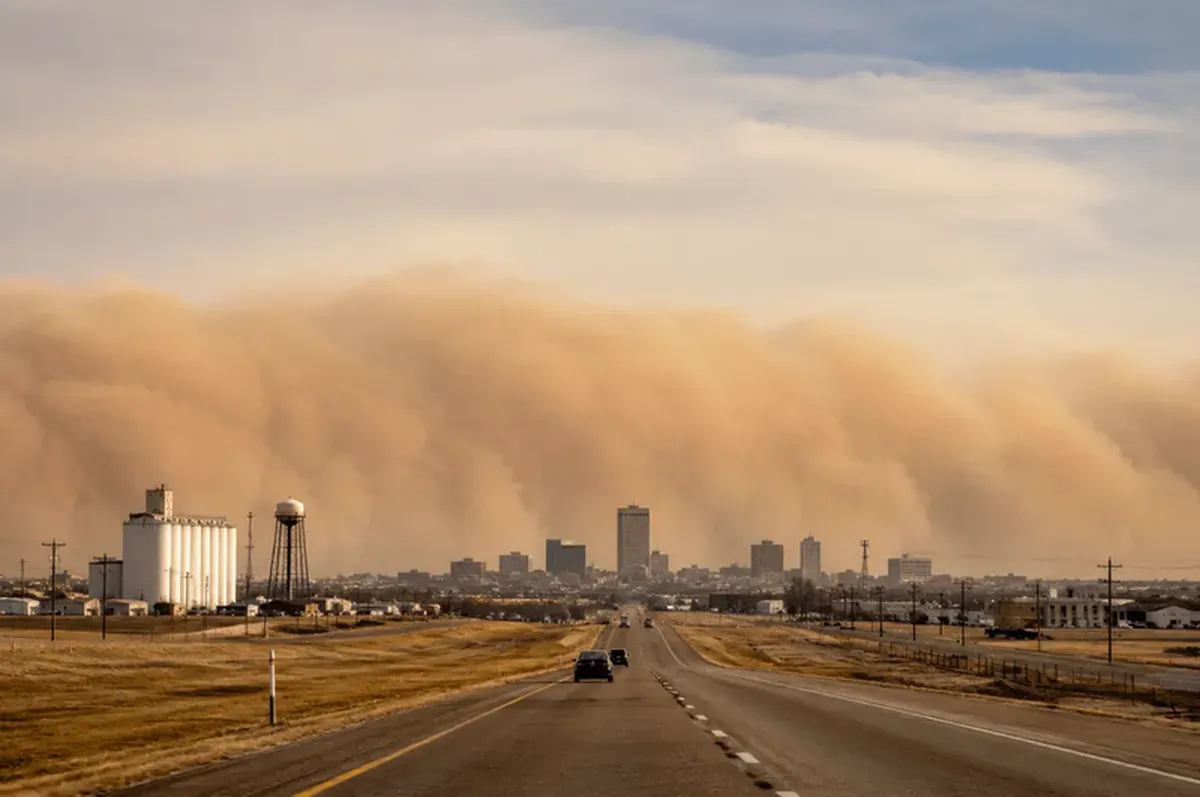
Amarillo sits on the flat, treeless Texas High Plains, terrain that lets high winds pick up dry farmland soil and produce haboobs capable of cutting visibility to near zero within minutes.
Amarillo lived through the storm that named the Dust Bowl. The April 1935 "Black Sunday" dust storm reached the city with roughly 50 mph winds and zero visibility, and the same conditions still produce local haboobs today.
The Smokehouse Creek Fire, the largest wildfire in Texas history at an estimated 1,058,482 acres, ignited less than 50 miles from Amarillo in February 2024.
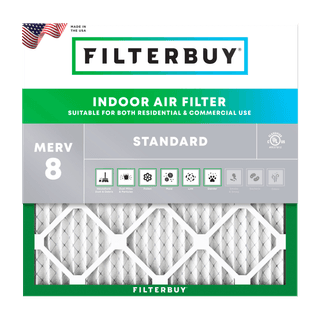
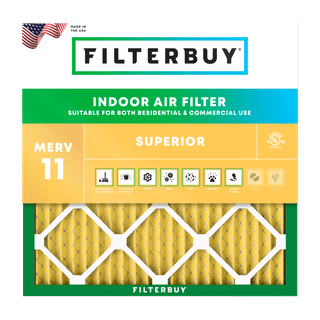
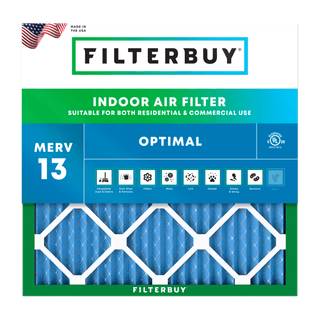
Matching your HVAC filter to the threat, MERV 8 for routine dust, MERV 11 for allergens, MERV 13 for smoke and fine dust, is the most direct indoor protection available.
What's Actually In Amarillo's Air Today
Most Texas cities have one dominant air quality story. Amarillo has three: blowing dust, wildfire smoke, and ground-level ozone.
Dust is the one that surprises newcomers most. The Panhandle's flat, treeless High Plains terrain gives wind gusts nothing to slow them down, so a strong cold front or thunderstorm outflow hitting dry, drought-stressed farmland can produce a haboob, a fast-moving wall of dust that drops visibility below a quarter mile within minutes. The National Weather Service's dust storm safety guidance explains what a Dust Storm Warning means and how to stay safe if one catches you on the road.
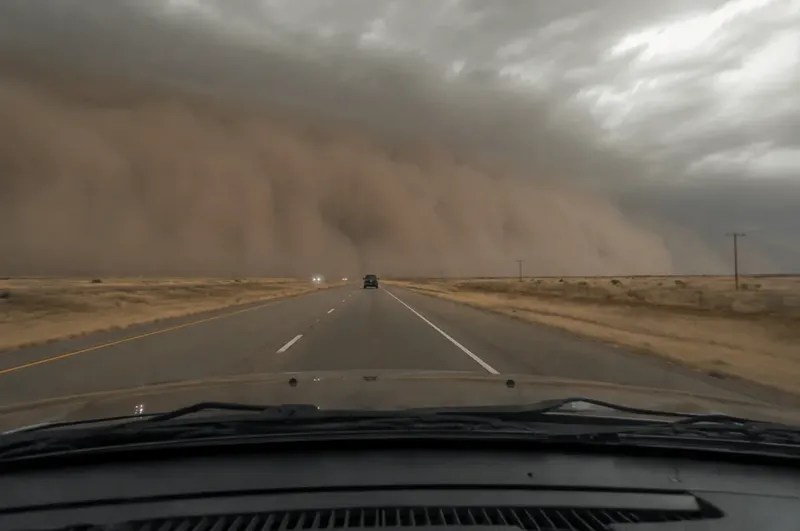
This isn't new. On April 14, 1935, "Black Sunday" struck Amarillo with roughly 50 mph winds and zero visibility, the storm that gave the Dust Bowl its name. The same drought-and-bare-soil combination still produces local haboobs today, just at a smaller scale, thanks to modern farming practices.
Wildfire smoke is Amarillo's second driver. In February 2024, the Smokehouse Creek Fire ignited in Hutchinson County and became the largest wildfire in Texas history, burning more than a million acres and pushing fine particle pollution (PM2.5) into Amarillo even when flames stayed dozens of miles away.
Ozone rounds out the picture. Texas's statewide forecast routinely calls out Amarillo on hot, light-wind afternoons when sunshine cooks vehicle and industrial emissions into ground-level ozone. It's rarely as severe here as in the big metros, but it stacks on top of dust or smoke on the same day.
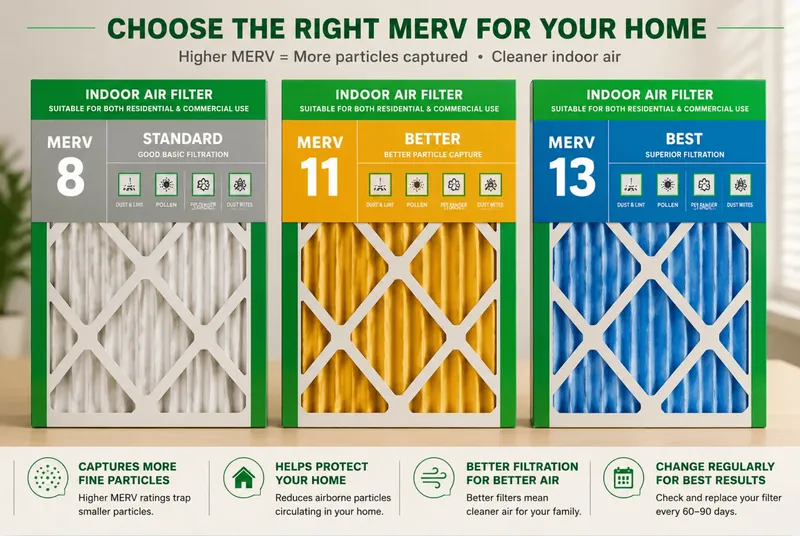
Dust and smoke both load a standard filter faster than everyday household dust. Dust cakes on as an even gray film, while smoke settles in as a finer, sootier haze that's easy to miss until airflow drops. Matching your filter to the threat, MERV 8 for routine dust, MERV 11 for pollen and pet dander, MERV 13 for wildfire smoke and fine Panhandle dust, is the most direct thing you control indoors. Use Filterbuy's guide to choosing a MERV rating if you're unsure what your system can handle.
Expert's Quote
The first time a customer called us about a filter that looked like it had aged five years in five days, I assumed it was smoke. It was dust. Amarillo households learn fast that a haboob and a wildfire plume can load a filter at nearly the same rate, even though one is silent and one shows up on the evening news. After manufacturing filters for over a decade and serving more than two million households, we've learned that the families who fare best on a bad-air day are the ones who checked their filter before the wind picked up, not after.
Michelle Wan, Brand Manager & Air Quality Writer, Filterbuy
7 Trusted Resources To Master Amarillo's Air Quality
Three separate forces control the air over Amarillo, and each can turn a clear morning into a bad-air afternoon. Here are the sources the Filterbuy team leans on, straight from federal agencies, state monitors, and health researchers.
3 Supporting Statistics On Amarillo's Air Quality
Frequently Asked Questions
Ready For Amarillo's Next Dust Day?
Don't wait for the next haboob or smoke event to find out your filter can't keep up. Shop MERV 13 filters sized for your system today, or set up auto-delivery so a fresh one is already on the way before the next Panhandle wind event arrives.
Glossary
AQI (Air Quality Index): The EPA's 0-to-500 scale for reporting daily outdoor air quality.
PM2.5: Fine particulate matter smaller than 2.5 microns, small enough to reach deep into the lungs. The main pollutant in both wildfire smoke and blowing dust.
Haboob: An intense wall of dust driven by thunderstorm outflow winds or a strong cold front, common on the Texas High Plains and capable of dropping visibility to near zero within minutes.
MERV Rating: Minimum Efficiency Reporting Value, a 1-to-16 scale rating of how effectively an HVAC filter captures airborne particles. Higher numbers capture smaller particles.
Dust Storm Warning: A National Weather Service alert issued when blowing dust is expected to reduce visibility to a quarter mile or less with winds of 25 miles per hour or greater.