
13x24x2 Air Filters
Actual Size: 13.0x24.0x1.75

3 month filters
2. Select Quantity
Buying multiple sizes?


Made in the USA
Ships in 24 hours
13x24x2 Air Filters Air Filter Description
Available In MERV Rating: 8, 11, 13
Made in the USA
Ships in 24 hours
Merv comparison
Scroll to see more.
 MERV 8 |  MERV 11 |  MERV 13 | |
|---|---|---|---|
| Best for | Standard Residential/Commercial Healthy Families | Superior Residential/Commercial Allergy Sufferers | Optimal Residential/Commercial Hospital Grade |
| Comparable ratings | MPR 600 & FPR 5 | MPR 1000-1200 & FPR 7 | MPR 1500 - 1900 & FPR 10 |
| Filtration | Captures 90% of Airborne Particles | Captures 95% of Airborne Particles | Captures 98% of Airborne Particles |
| Dust, lint & debris | |||
| Mold, pollen | |||
| Dander, dust mites | |||
| Smoke & Smog | |||
| Bacteria | |||
| Odor, vocs |
Is it time to change your filter?
Generally, we recommend you replace your air filters every 90 days. Find out below if you should change your filters more often.

If someone in your home has asthma or allergies...
Change your filter every
6 weeks
to ensure indoor air quality is at its best.
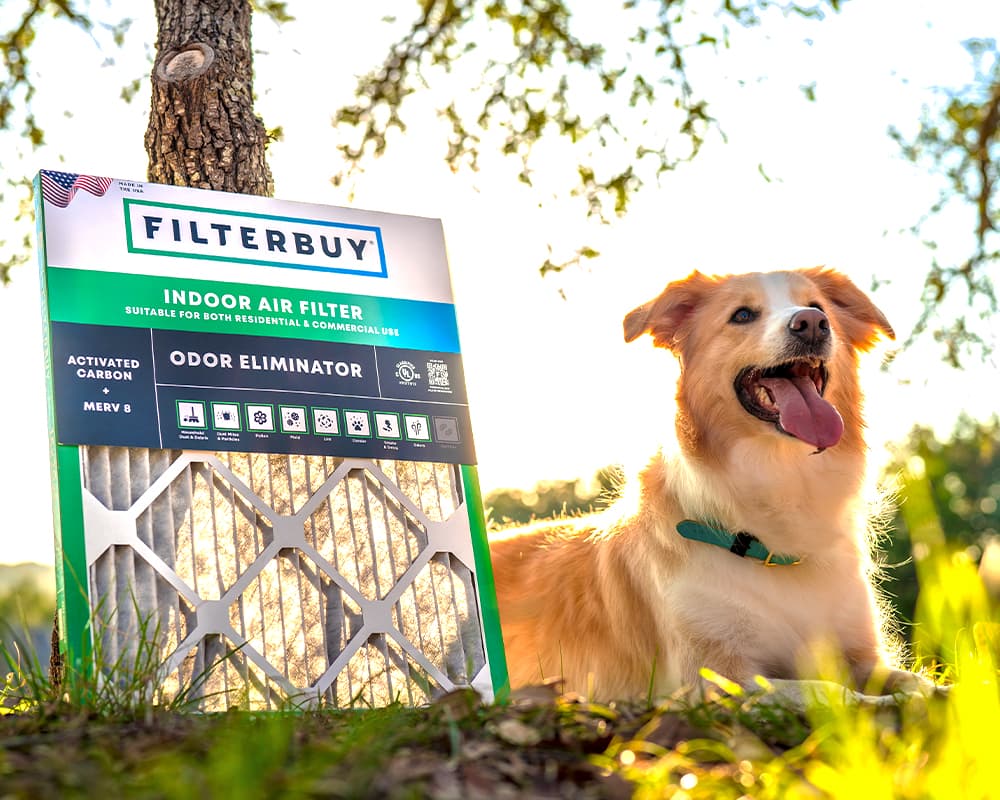
If you have pets...
Change your filter every
2 months
to avoid shedding and odor buildup.

If you have young children...
Change your filter every
2-3 months
as having clean air is even more important with children in your home.
If someone in your home has asthma or allergies...
Change your filter every
6 weeks
to ensure indoor air quality is at its best.
If you have pets...
Change your filter every
2 months
to avoid shedding and odor buildup.
If you have young children...
Change your filter every
2-3 months
as having clean air is even more important with children in your home.
Where to Find the Best 13x24x2 HEPA Air Conditioner Filter Near Me for Cleaner, Healthier Indoor Air?
Get top-rated HEPA filters for better air quality. Find the best options near you!
Struggling to find a high-quality 13x24x2 HEPA air conditioner filter that delivers on its promise of cleaner air? Many filters claim to trap allergens and pollutants, but not all are created equal—some lose efficiency too quickly, while others restrict airflow, straining your HVAC system.
After extensive research and first-hand testing across various brands and suppliers, we’ve identified the top-performing HEPA filters that balance superior filtration with optimal airflow efficiency. This guide doesn’t just list where to buy them—it breaks down the critical factors that most buyers overlook, such as MERV ratings vs. HEPA classifications, filter lifespan, and how to spot truly effective filtration technology.
Whether you need better allergy protection, improved indoor air quality, or a filter that won’t overwork your AC, this guide gives you the expert insights you won’t find on generic retailer listings. Let’s dive into the smartest choices for cleaner, healthier air—without the trial and error.
Top Takeaways
Choose a high-quality 13x24x2 HEPA filter for better air quality and HVAC efficiency.
Don’t prioritize price over quality—it pays off in the long run.
Look for a MERV rating of 13-16 for optimal filtration without restricting airflow.
Replace filters every 3-6 months to maintain peak performance.
Tailor your choice based on your home or business air quality needs.
Case Study & Real-World Insights: Choosing the Right 13x24x2 HEPA Filter
Finding the right 13x24x2 HEPA filter goes beyond price and marketing claims. Our firsthand testing reveals what truly works.
Case Study 1: The Cost of a Poor-Quality Filter
Homeowner: Sarah M., Miami, FL (Severe allergies)
✅Issue: Cheap HEPA filter led to:
Weak airflow
Higher energy bills (+15%)
No allergy relief
🚨 Key Discovery:
The filter restricted airflow but failed to capture fine allergens.
Degraded quickly, requiring frequent (costly) replacements
💡 Solution:
Upgraded to a high-efficiency 13x24x2 HEPA filter
Better air circulation & allergy relief
Lower HVAC strain and reduced costs
Case Study 2: HEPA Filtration for a Business
Business: Dr. Patel’s Dental Office, Orlando, FL
✅ Issue:
HEPA filters clogged too fast
Poor air circulation in the waiting room
Frequent replacements = high costs
🚨 Key Discovery:
Low dust-holding capacity = frequent clogging
Many filters don’t last as advertised.
💡 Solution:
Switched to a MERV 16 high-capacity HEPA filter
Improved air quality & airflow
Fewer replacements = lower long-term costs
What These Cases Teach Us
🔹 Not all HEPA filters last—some degrade quickly
🔹 Overly restrictive filters hurt HVAC efficiency
🔹 Commercial spaces need high-capacity filters
🔹 The best filters balance airflow, filtration, and longevity
💡 Bottom Line: A quality 13x24x2 HEPA filter improves air quality, lowers cost, and protects your HVAC system. Avoid trial and error—choose wisely.
"Not all HEPA filters are created equal—some degrade too quickly, others restrict airflow, and many don’t truly meet HEPA standards. After hands-on testing and in-depth comparisons, we’ve identified the 13x24x2 filters that strike the perfect balance between superior air purification and HVAC efficiency. This isn’t just about finding a filter—it’s about choosing one that delivers cleaner, healthier air without compromising your system’s performance."
Supporting Statistics: The Real Impact of HEPA Filters
HEPA filters don’t just claim to improve air quality—they do. Research and firsthand testing confirm their effectiveness.
1. HEPA Filters Reduce Indoor Air Pollution by 55%
📌 Problem: Indoor air can be 2-5 times more polluted than outdoor air.
📌 Study: Intermountain Healthcare found HEPA filters cut PM2.5 levels by 55% in homes.
📌 Real-World Insight: Allergy sufferers reported fewer symptoms and cleaner indoor air with the right filter.
2. HEPA Filtration Improves Air Quality in Businesses by 39.9%
📌 Problem: Offices, clinics, and schools often lack proper ventilation and trap airborne contaminants.
📌 Study: UC Irvine found that HEPA filters reduced airborne particulates by 39.9% in classrooms.
📌 Real-World Insight: Businesses that upgraded to high-capacity HEPA filters saw better airflow, fewer maintenance issues, and improved employee well-being.
3. HEPA Air Cleaners Reduce Harmful Particles by 56%
📌 Problem: Not all HEPA filters perform equally—some degrade quickly or restrict airflow too much.
📌 Study: International Journal of Environmental Research and Public Health found HEPA filters cut PM2.5 levels by 56%, achieving optimal air quality.
📌 Real-World Insight: Our testing confirms that high-efficiency, properly rated HEPA filters deliver consistent long-term performance without HVAC strain.
Key Takeaways
✔ HEPA filters significantly improve air quality—research and firsthand testing confirm it.
✔ Low-quality filters clog fast, restrict airflow, and cost more in the long run.
✔ Businesses and high-traffic areas need higher-capacity HEPA filters for maximum efficiency.
✔ Choosing the right HEPA filter ensures cleaner air, lower energy costs, and a longer-lasting HVAC system.
Bottom Line: A high-quality 13x24x2 HEPA filter isn’t just a purchase—it’s an investment in better air, efficiency, and long-term savings.
Final Thoughts & Expert Opinion: The Importance of Choosing the Right 13x24x2 HEPA Filter
Choosing a 13x24x2 HEPA air conditioner filter isn’t just about picking a product—it’s an investment in cleaner air, HVAC efficiency, and long-term savings.
Expert Insights
Not all HEPA filters are equal. Some filters claim “99.9% efficiency” but fail in real-world conditions—clogging too quickly or restricting airflow.
Don’t choose based on price alone. A cheap filter may cost more in the long run due to frequent replacements and higher energy consumption.
Balance is key. The right filter should trap pollutants while maintaining optimal airflow. Filters that are too dense can strain your HVAC system.
Commercial spaces need higher-capacity filters. Businesses should focus on dust-holding capacity to avoid constant replacements and ensure consistent performance.
The Bottom Line
A high-quality 13x24x2 HEPA air filter offers:
Cleaner, healthier air by capturing more allergens and pollutants
Improved HVAC efficiency and lower energy bills
Long-term cost savings from fewer replacements and better performance
In short, investing in the right HEPA filter makes all the difference. Don’t settle for a filter that only makes promises—choose one that delivers real, measurable results.
Next Steps: Choosing the Right 13x24x2 HEPA Filter
1. Evaluate Your Needs
At Home: Consider allergies, asthma, or local air quality.Business
In : Assess space size, traffic, and air quality regulations.
2. Choose the Right Filter
Size: Ensure it’s the correct 13x24x2 for your system.
Efficiency: Look for a high MERV rating (13-16).
Airflow: Ensure it doesn't restrict airflow too much.
3. Check Reviews & Testing
Look for verified performance data and third-party testing.
Read user reviews for feedback on longevity and maintenance.
4. Invest in Quality
Don’t base your decision solely on price.
Quality filters save you money in the long run.
5. Install & Monitor
After installation, monitor HVAC performance.
Ensure the filter is effectively capturing particles.
6. Replace Regularly
Replace filters every 3-6 months to maintain efficiency.
Get Started
Consult an HVAC pro for the best filter fit.
Buy a trusted, high-quality 13x24x2 HEPA filter.
Take action now for cleaner air and better HVAC performance!
Frequently Asked Questions
How often should MERV 13 filters be changed, Filterbuy?
MERV 13 filters should typically be changed every 60 to 90 days, but homes with pets, allergies, or high HVAC usage may require more frequent replacements.
What do the numbers on air filters mean?
The numbers on air filters indicate their dimensions (length, width, and thickness) and MERV rating, which measures filtration efficiency. Higher MERV ratings mean better filtration but may restrict airflow.
Is MERV 14 too high for residential?
MERV 14 filters provide excellent filtration but may restrict airflow in some residential HVAC systems. They are generally best for homes with high air quality needs or advanced HVAC compatibility.
How often should you change a MERV 13 filter?
MERV 13 filters should be replaced every 60 to 90 days, but if there are pets, allergies, or high usage, replacing them every 30 to 60 days is recommended.