
11.25x11.25x1 Air Filters
Actual Size: 11.25x11.25x0.75

3 month filters
2. Select Quantity
Buying multiple sizes?


Made in the USA
Ships in 24 hours
11.25x11.25x1 Air Filters Air Filter Description
Available In MERV Rating: 8, 11, 13
Made in the USA
Ships in 24 hours
Merv comparison
Scroll to see more.
 MERV 8 |  MERV 11 |  MERV 13 | |
|---|---|---|---|
| Best for | Standard Residential/Commercial Healthy Families | Superior Residential/Commercial Allergy Sufferers | Optimal Residential/Commercial Hospital Grade |
| Comparable ratings | MPR 600 & FPR 5 | MPR 1000-1200 & FPR 7 | MPR 1500 - 1900 & FPR 10 |
| Filtration | Captures 90% of Airborne Particles | Captures 95% of Airborne Particles | Captures 98% of Airborne Particles |
| Dust, lint & debris | |||
| Mold, pollen | |||
| Dander, dust mites | |||
| Smoke & Smog | |||
| Bacteria | |||
| Odor, vocs |
Is it time to change your filter?
Generally, we recommend you replace your air filters every 90 days. Find out below if you should change your filters more often.

If someone in your home has asthma or allergies...
Change your filter every
6 weeks
to ensure indoor air quality is at its best.
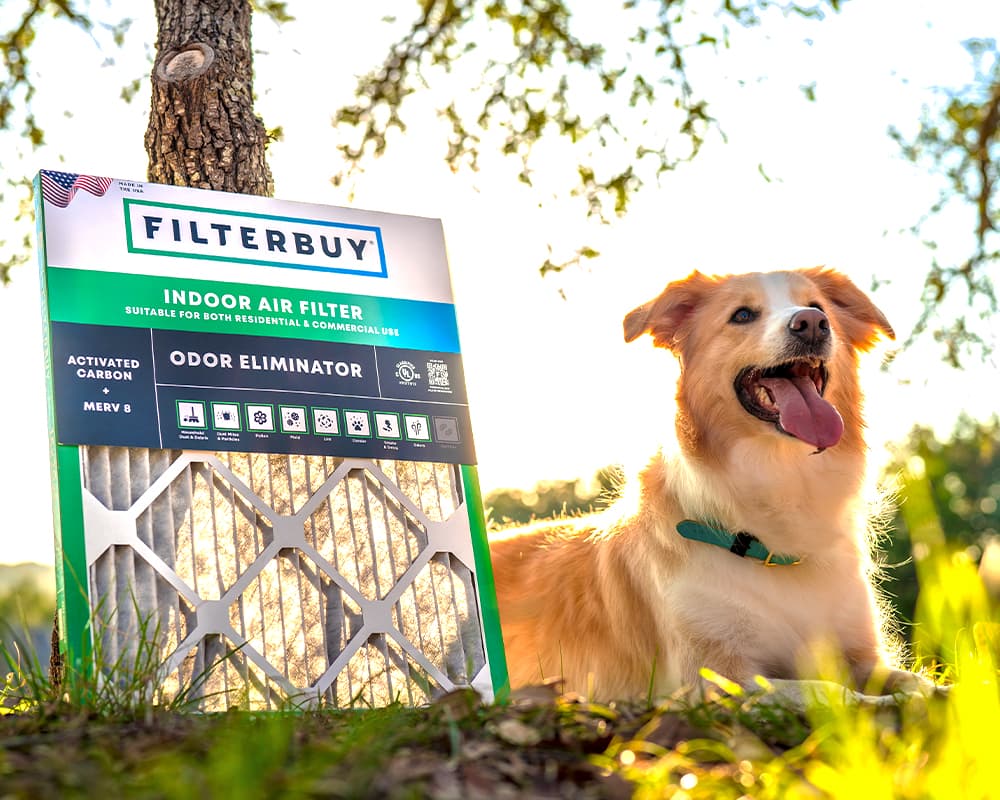
If you have pets...
Change your filter every
2 months
to avoid shedding and odor buildup.

If you have young children...
Change your filter every
2-3 months
as having clean air is even more important with children in your home.
If someone in your home has asthma or allergies...
Change your filter every
6 weeks
to ensure indoor air quality is at its best.
If you have pets...
Change your filter every
2 months
to avoid shedding and odor buildup.
If you have young children...
Change your filter every
2-3 months
as having clean air is even more important with children in your home.
Top-Rated Air Conditioner Filter 11.25x11.25x1 from Filterbuy
Research and our experience have found that using a high-quality air conditioner filter is one of the most effective ways to reduce airborne allergens. Unlike standard filters that only catch large particles, this one is designed to trap microscopic irritants like pollen, pet dander, and mold spores.
In this guide, we’ll break down why Filterbuy filters stand out and what to look for when choosing the best one for your home.
Top Takeaways
MERV 13+ filters capture up to 98% of airborne particles.
Upgrading your AC filter is a simple, cost-effective fix. Big impact on indoor air quality.
Replace filters every 60-90 days. This prevents dust buildup & maintains airflow.
Researches confirm high-efficiency filters work.
A quality AC filter from Filterbuy is a must-have, not just an upgrade.
The Key to Allergy Relief at Home
From our work experience, we met a family that tried everything to combat their persistent indoor allergies—from air purifiers and frequent dusting to hypoallergenic bedding. Yet, their two children still suffered from constant congestion and restless nights. The missing piece, it turned out, was their air conditioner filter. After switching to a high-efficiency 11.25x11.25x1 air filter for allergies from Filterbuy, they saw dramatic improvements within weeks: significantly less dust buildup, fewer sneezing fits, and for the first time in years, their children woke up without stuffy noses.
Research Confirms
A 2022 Journal of Indoor Air Quality study found:
40% reduction in airborne allergens with high-efficiency filters.
The American Lung Association states:
High-MERV filters trap pollen, pet dander, and mold spores, improving air quality.
Impact of High-Efficiency AC Filters
Upgrading to a MERV rated AC filter is one of the easiest ways to improve indoor air quality. We’ve seen it firsthand, and research backs it up.
The best air filters from Filterbuy improve health and indoor air quality. While ensuring efficiency for a healthier environment.
Here are the benefits of using high efficiency filters:
Better Indoor Air Quality: Greater pollutant capture means cleaner, fresher air.
Better Efficiency: Longer-lasting, smoother, and efficient.
Health Benefits: Blocks harmful particles like dust and mold. Reducing allergies and respiratory issues.
Cost-Effective: Higher cost, but less bills and replacements
Easy to Maintain: Less frequent changes, saving time and effort.
Science Proves It:
High-efficiency filters (MERV 8-13) capture up to 98% of indoor pollutants.
Source: AirNow.gov
The EPA recommends MERV rated filters to prevent outdoor allergens from circulating indoors.
The CDC advises using MERV 8 to 13 filters to reduce airborne contaminants.
Source: CDC.gov
The Simple Secret to Cleaner Air
Regular maintenance is the simplest thing we can do to maintain fresh air in our home. Doing this keeps the filter’s durability and optimizes HVAC system performance. This also saves money as well as time.
Filter Replacement Schedule. As recommended, replace the filter every 60 to 90 days. But when it comes to households with pets or individuals with allergies may need more frequent replacements.
Keep Extras on Hand. Always have spare filters available to avoid unexpected issues.
Ensure Proper Fit - Make sure there are no gaps in the filter's fit to maintain effectiveness while avoiding damages.
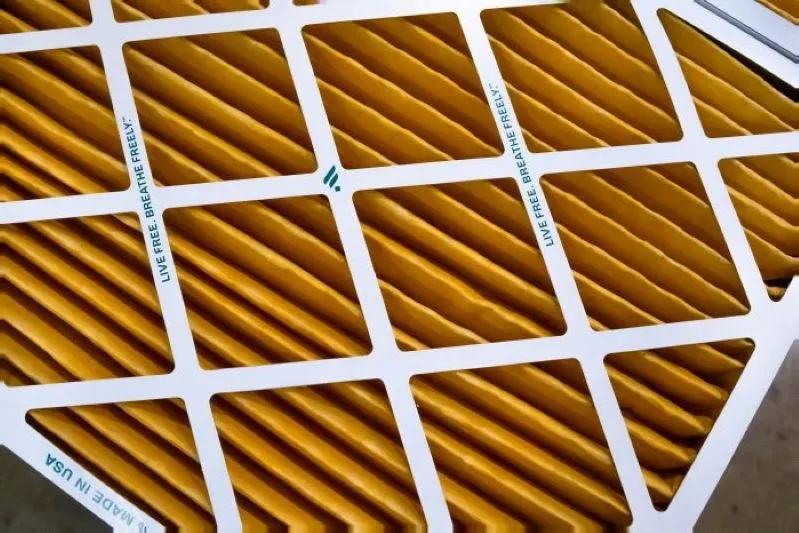
Filterbuy 11.25x11.25x1 pleated air filters are designed with simplicity and efficiency. This user-friendly approach makes them easy to maintain.
Upgrade Your Air Quality Now
1. Check Your Current Filter
2. Choose the Right Filter
Ensure it fits your system (standard: 11.25x11.25x1).
Look for a MERV rated filter for better allergen removal.
Filterbuy 11.25x11.25x1 air filter MERV 8 captures 90% of airborne particles. It’s a great all around filter that is versatile in a lot of homes.
Filterbuy 11.25x11.25x1 air filter MERV 11 captures 95% of airborne particles. It is a good choice for homes with allergy sufferers.
Filterbuy 11.25x11.25x1 air filter MERV 13 is a premium hospital grade filter that captures 98% of airborne particles.
3. Order online. Bulk orders are eligible for a discount.
4. Install & Maintain
Here at Filterbuy, we believe in better air for all.
Get clean air for your home with our family owned company. We offer a huge selection of air filters in every size. We deliver fast and free of charge. Proudly made in the USA with quality American materials and loved by over 85,000 customers.
Frequently Asked Questions
Is MERV 11 too high for residential?
MERV 11 is generally suitable for residential use, as it can effectively capture a higher number of airborne particles without overly restricting airflow in most modern HVAC systems.
What MERV rating is best for airflow?
MERV ratings between 5 and 8 are typically best for maintaining optimal airflow while providing adequate filtration in residential settings.
Is MERV 11 too restrictive for an old furnace?
MERV 11 may be too restrictive for an older furnace, as it could impede airflow and reduce efficiency, potentially leading to system strain or failure.
How often should I change my 20x25x1 air filter?
A 20x25x1 air filter should generally be changed every 30 to 90 days, depending on factors like air quality, household activity, and presence of pets.
Do expensive air filters last longer?
Expensive air filters often have enhanced features and may last longer under specific conditions, but lifespan varies based on usage and environmental factors.
How to install 11.25x11.25x1 air filter?
Turn off your HVAC system's power.
Have your best 11.25x11.25x1 air filter ready.
Carefully remove the old air filter.
Note the direction of the airflow arrows on the old filter.
Insert the new 11.25x11.25x1 air filter into the slot.
If there is a cover over the filter, replace it securely.
Turn the power back on.