
95 Fires Threaten National Parks Across the West
August 14, 2026
Wildfire Update | August 13, 2026 | 2 min read
Wildfire Spotlight: 95 Uncontained Fires Now Threaten National Parks Across the Pacific Northwest and California
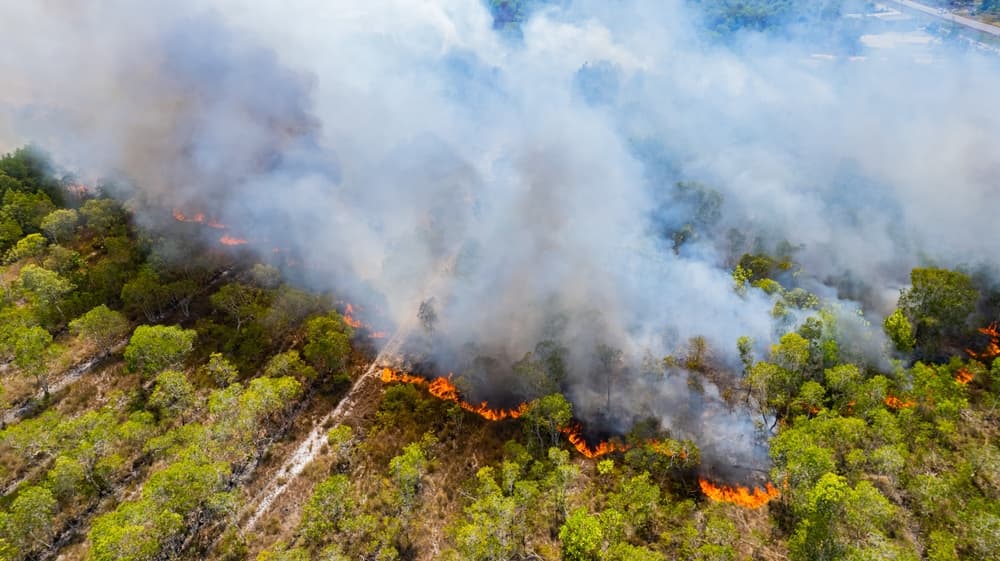
Nearly 100 large, uncontained wildfires are burning across the West, and several are closing in on some of the region's most iconic national parks. Here's the scale of what's happening and where the smoke is headed.
How many fires are burning right now?
As of this week, 95 large, uncontained fires are active nationwide, with 43 of them in the Northwest alone — the country's most active fire region right now. So far in 2026, firefighters have responded to 46,636 wildfires that have burned more than 6.4 million acres, well above the 10-year average, with 103 new fires reported in a single recent day.
Which national parks are affected?
Fires are encroaching on iconic destinations including Mount Rainier National Park in Washington and Mount Hood National Forest in Oregon. The Border 2 Fire recently blanketed North Cascades National Park in smoke, and all three of Washington's national parks have dealt with active fires this summer, some burning for weeks. Oregon's Big Grass Fire has grown to roughly 513,000 acres, closing in on the record for the largest fire ever recorded in the state.
Why is this year so active?
An exceptionally low winter snowpack across the Pacific Northwest set the stage for an active fire season, and forecasters had anticipated this outcome months in advance. The National Interagency Fire Center raised the national preparedness level to its highest tier this summer, meaning firefighting resources are stretched thin nationwide.
Where is the smoke going?
Nearly 2.2 million acres are actively burning across Washington and Oregon alone. Westerly winds have been pushing smoke away from the Interstate 5 corridor, giving Seattle and Portland some temporary relief, but eastern Washington, eastern Oregon, Idaho, Montana, and Wyoming continue to face hazardous smoke levels and trail restrictions.
Prep your home before smoke arrives
Wildfire smoke can travel far beyond the fire zone. A few steps to take now:
- Set your HVAC system to recirculate mode when smoke is in the area.
- Keep an eye on real-time air quality maps for your area.
- Switch to a MERV 13 filter, the EPA-recommended rating for wildfire smoke, if your system can support it.
Sources: NBC News, National Interagency Fire Center, GearJunkie, National Park Service.