
Indoor Air Quality Testing: What Is It and Why Is It Important?
September 10, 2026

Have you ever tested your home’s air quality? Many people haven’t, but doing so can significantly improve your quality of life. Here’s why:
According to the World Health Organization (WHO), 90% of people worldwide breathe polluted air.
93% of children under 18 are exposed to air pollution levels above what the WHO deems safe.
Indoor pollutant levels often run 2–5× higher than outdoors—and can spike even more during activities like cooking, cleaning, or painting.
Household air pollution is linked to millions of deaths globally each year, underscoring why monitoring and reducing exposure matters.
While you can’t control outdoor air quality, improving your indoor air is crucial. Indoor air quality testing is simple and can protect your household from harmful pollutants. In fact, it's your best defense against the impact of outdoor pollution.
Key Takeaways
Test indoor air. Home air is often 2 to 5 times more polluted than outdoors.
Check AirNow before opening windows. Green 0 to 50 is fine. 101 to 150 is caution for sensitive groups. 150 and up keep windows closed and filter.
Use the right test, including radon charcoal kit, carbon monoxide UL listed alarm, VOCs sorbent tubes, Mold tape lift, and more.
Call a licensed pro if symptoms persist or you need documentation.
Fix sources first, then filter. Use MERV 13 if allowed and HEPA purifiers.
Clean air at home starts with knowing what is in your air. A quick test shows what you are breathing and which fixes will help most. Pair testing with a fresh HVAC filter so your system can capture more particles from day one.
Do You Need an Air Quality Test?
Poor indoor air quality can lead to various health issues, especially for those with respiratory conditions or allergies. Symptoms of poor air quality may include:
Worsening allergies or asthma
Congestion
Headaches
Eye, nose, and throat irritation
Shortness of breath
Fatigue
Frequent illness
You’ll take between 17,280 and 23,040 breaths every day. That’s 17,280-23,040 reasons to test indoor air quality and purify the air you breathe. And while you're at it, make sure to change your HVAC filters to get the best air possible for your home.
What Causes Poor Indoor Air Quality?
Pollutants inside your home can come from a variety of sources, including:
Low-risk pollutants: Dust, pet fur, and allergens
High-risk pollutants: Mold, asbestos, smoke, volatile organic compounds (VOCs), and carbon monoxide
Testing your air helps you identify which pollutants are affecting your health.
Read More: Everything You Need To Know About Indoor Air Pollution
How to Test Indoor Air Quality
Testing can be done either through DIY kits or by hiring a professional. Here's a breakdown:
DIY Kits: These are affordable and straightforward to use. You can monitor pollutants like carbon monoxide, VOCs, and allergens.
Professional Testing: For more detailed results, particularly for mold and radon, professional testing provides accurate insights and identifies the source of pollutants.
Deciding Which Indoor Air Quality Testing Kits to Buy
Every home is different. Your location, building materials, habits, and even pets change what’s in the air. Use this simple plan.
1. Check your local AQI
Open the Air Quality Index for your city. Note which outdoor pollutants are common. This helps you decide what to watch indoors.
2. List your concerns
Smoke, odors, moisture, recent renovations, or health symptoms will tell you what to test first.
3. Match the test to the pollutant
Test radon with a charcoal canister or an alpha-track kit.
Monitor carbon monoxide with a UL listed CO alarm.
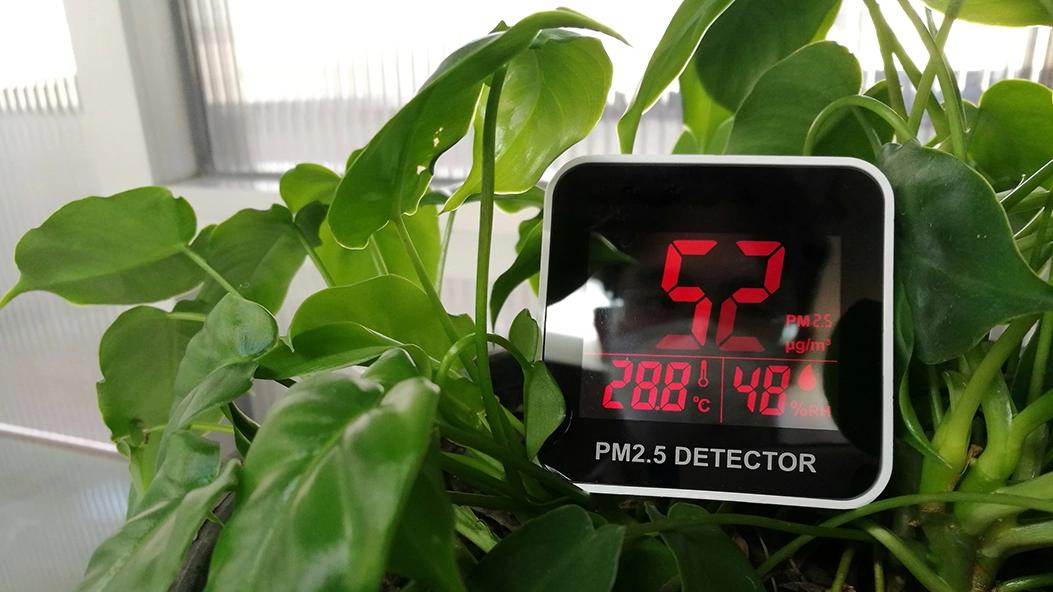
Track PM2.5 with an optical particulate monitor.
Measure VOCs with a sorbent-tube badge or kit.
Check for mold with a tape-lift or a spore trap. Bring in a pro for moisture and source tracing.
4. Choose the right test length
Short-term kits give a quick snapshot. Long-term kits smooth out day-to-day swings and are better for decisions about fixes.
5. Place and use kits correctly
Follow the instructions. Avoid kitchens, bathrooms, and open windows unless the kit says otherwise. Log the date, time, and where you tested.
6. Fix, then retest
Remove sources, improve ventilation, and replace filters. Test again to confirm that levels dropped.
7. Call a licensed consultant when needed
Do this if symptoms persist, if you need documentation for a sale or rental, or if the source is hard to find or hard to reach.
Indoor Air Cheat‑Sheet: Pollutants, Risks & Tests
These are the simplest methods endorsed or documented by the cited authorities; more advanced instruments are also available for professional use.
DIY vs Professional Air Quality Testing – Which Do You Need?
DIY testing is a good starting point. Kits and smart monitors are affordable and easy to use, and many sync with apps so you can track trends over time. They work well for quick checks of common issues like carbon monoxide, PM2.5, humidity, and basic VOCs. Treat the results as a screen, not a diagnosis. At-home mold kits are notoriously inaccurate, and short radon tests can swing with weather, so repeat or follow up with a longer test if something looks off.
Professional testing gives you accuracy and detail. A licensed consultant brings calibrated instruments, lab analysis, and a written report that explains sources and fixes. Go pro if symptoms continue after simple steps, if you need documentation for a sale or rental, or if the issue is hard to measure or higher risk. Examples include confirming radon, tracing hidden moisture and mold, checking for asbestos or lead dust, or verifying combustion backdrafting. Pros can also design a remediation plan and confirm the work with a clearance test.
How to Improve Indoor Air Quality
Start with these practical steps to lower indoor pollutants:
Change air filters regularly. Filterbuy ships USA‑made 90‑day HVAC filters free , with up to 70% multi‑pack savings and an extra 5% off on auto‑ship—easy, affordable upkeep.
Use HEPA purifiers in high‑traffic or allergy‑sensitive rooms
Run exhaust fans when cooking or showering
Keep indoor humidity 30–60% and temperature 68–80 °F
Choose low‑VOC paints, sealants, and cleaners
Reduce dust that often collects in heavy drapes, thick carpets, and more
Vacuum with a HEPA‑rated machine
Install and maintain carbon‑monoxide and radon detectors
Keep indoor plants that purify air
Reduce carpeting and fabrics that trap allergens
These measures, combined with the targeted tests listed in the table, help maintain a healthier home year‑round.
Regular testing, whether with a low‑cost home kit or a certified professional, turns invisible pollutants into clear numbers you can act on. Pair those results with the “simple steps” list, track outdoor conditions on AirNow before you open the windows, and make sure your HVAC system is fitted with a high‑efficiency filter you can trust.
Frequently Asked Questions
How can I test the air quality inside my home?
You can place an indoor air‑quality monitor—such as the Airthings Wave Plus, uHoo Smart Air Monitor, or another smart device with built‑in sensors—in your main living area to see real‑time levels of common pollutants.
How much does indoor air‑quality testing cost?
DIY kits start at about $10, while professional whole‑home testing typically runs $300–$1,000 depending on pollutants and square footage.
How do you know if you have poor indoor air quality?
Persistent allergies, headaches, dizziness, frequent colds, visible mold, or a musty or smoky smell often signal a problem.
Is indoor air‑quality testing worth it?
Yes, testing pinpoints pollutant sources so you can target fixes and reduce health risks, especially if you have respiratory issues or live where outdoor pollution is high.
Do you need an air‑quality test?
If you experience worsening asthma, congestion, headaches, eye or throat irritation, shortness of breath, fatigue, or repeated illness, a test can confirm whether indoor air is the culprit.
What causes poor indoor air quality?
Low‑risk sources include dust, pet hair, and pollen, while high‑risk sources include mold, asbestos, smoke, VOCs from products, and carbon‑monoxide leaks.
How can you test indoor air quality?
You can use affordable DIY kits or smart monitors for basics like VOCs and CO, or hire professionals for detailed sampling of mold, radon, or other hard‑to‑detect pollutants.
Can you test for mold in the air?
Yes, tape‑lift or spore‑trap kits give a quick DIY check, and certified inspectors can perform more precise air sampling if you need definitive results.
What is the Air Quality Index (AQI)?
It is a simple 0 to 500 score for outdoor air. Higher numbers mean worse air. The score combines five pollutants: ozone, particle pollution (PM2.5 and PM10), carbon monoxide, sulfur dioxide, and nitrogen dioxide.
What do the colors mean?
Green 0–50 good. Yellow 51–100 moderate. Orange 101–150 unhealthy for sensitive groups. Red 151–200 unhealthy. Purple 201–300 very unhealthy. Maroon 301+ hazardous.
When is it okay to open windows?
Green is fine for most homes. Yellow is usually okay. Orange means people with asthma, heart, or lung disease should keep windows closed. Red and above means keep windows closed for everyone.
How should I adjust my HVAC when AQI is high?
Use recirculate, run the highest MERV your system allows (ideally MERV 13 if compatible), and add a HEPA air purifier in a main room or bedroom.
Where do I check AQI?
Use the AirNow app or website, or your local air-quality agency. Check at least daily, and before opening windows or planning outdoor activities.