
What Is a Home Energy Audit? What Auditors Check, What It Costs, and Why Your Air Filter Matters
November 5, 2026
A home energy audit shows you exactly where your home wastes energy and what to fix first. Here's what happens during the visit, what it costs in 2026, how to prepare, and the one item on the report you can fix the same day.
The quick answer
A home energy audit (also called a home energy assessment) is a professional inspection of how your home uses and loses energy. The auditor:
- Reviews your utility bills
- Runs a blower door test to find air leaks
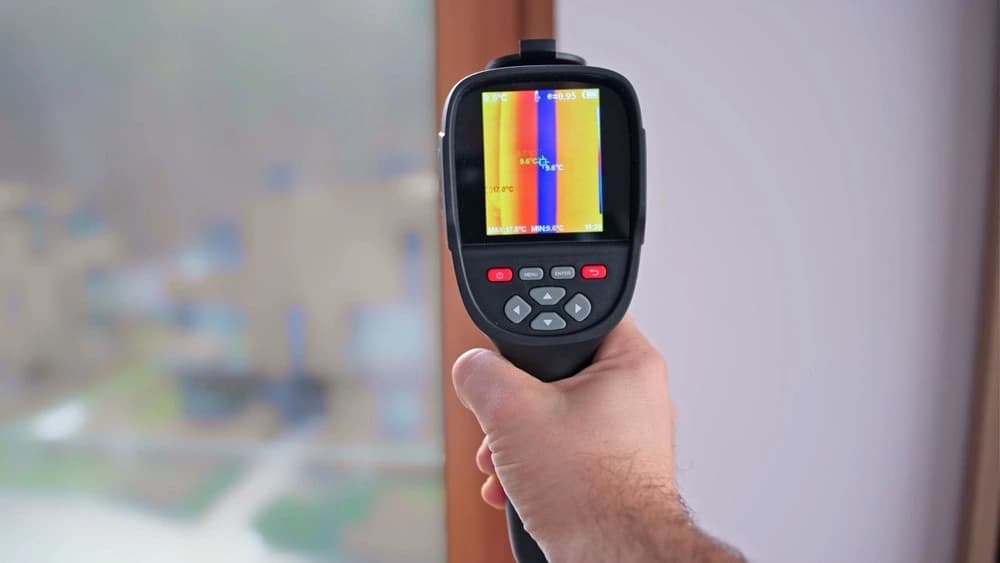
- Scans walls and ceilings with an infrared camera
- Checks the safety of your heating equipment
Why it matters: The U.S. Department of Energy (DOE) says the upgrades an audit recommends can save 5% to 30% on your monthly energy bill. Most audits cost a few hundred dollars, and many utilities offer them free or discounted.
Why get a home energy audit?
Most homes lose energy in places you can't see: gaps in the attic, leaky ducts, thin insulation behind a wall. You pay to heat and cool that air, and then it escapes. An audit finds those losses and tells you which ones are worth fixing.
You stop guessing about high bills
Heating and cooling make up more than half the energy used in U.S. homes. An audit shows how much of that is leaking away and where.
You get a ranked to-do list
Instead of general efficiency tips, you get recommendations for your home, ordered by impact. The DOE says making those upgrades can save 5% to 30% on your monthly energy bill.
Your home gets more comfortable
The same leaks that raise your bills cause drafty rooms and rooms that never reach the thermostat setting. Fixing them evens out temperatures across the house.
You find safety problems early
If you have gas appliances, the auditor checks for gas leaks, carbon monoxide, and venting problems. They also look for signs of moisture.
When should you schedule an energy audit?
You can book an audit any time, but it pays off most at a few key moments.
| If this sounds like you | How an audit helps |
|---|---|
| Your heating or cooling bills keep climbing | Shows whether the cause is air leaks, missing insulation, leaky ducts, or equipment that's struggling, so you fix the actual problem. |
| You're about to replace your furnace, AC, or heat pump | Sealing and insulating first can lower how much heating and cooling your home needs. Your contractor can then size new equipment for the home you'll have, not the leaky one you have now. |
| You're house hunting or just moved in | Gives you a clear picture of an older home's insulation, air leaks, and heating equipment, and a plan for what to fix first. |
| You want to apply for a state home energy rebate | Whole-home rebate programs typically require a professional assessment, so the audit is often the first step. |
What a home energy audit measures
| What they check | What happens | What it finds |
|---|---|---|
| Heating and cooling energy use Where audits spend the most time |
Across U.S. homes, space heating uses 42% of energy and air conditioning uses 9%. AC climbs to 28% in Florida and drops to 2% in Maine. | How much of your energy goes to heating and cooling, which is more than half in most homes |
| Utility bill review | The auditor looks at about a year of electric and gas bills. | Your baseline, and whether heating, cooling, or something else drives seasonal spikes |
| Blower door test | A strong fan in an exterior doorway pulls air out of the house. Outdoor air rushes in through every gap. Ohio State's Green Home program says this simulates a 20 mph wind. | How fast air leaks into your home |
| Infrared imaging | While the house is depressurized, an infrared camera shows temperature differences behind walls, ceilings, and windows. | Missing insulation and hidden air leaks |
| Duct leakage testing | The auditor covers each register and measures the pressure difference. | Ducts leaking into the attic, crawl space, or walls instead of your rooms |
| Combustion safety and HVAC check | For gas furnaces, boilers, water heaters, and stoves: tests for gas leaks, carbon monoxide, and proper venting. Auditors typically inspect the furnace blower wheel and air filter too. | Safety problems and dust buildup in the system |
Energy use figures: U.S. Energy Information Administration, 2020 Residential Energy Consumption Survey
What your air filter tells the auditor
Your filter is one of the few parts of your HVAC system an auditor can check in seconds. It shows a lot about how the system has been running.
| What they check | What it tells them |
|---|---|
| How dirty it is | Heavy dust on the filter and blower wheel means changes have been skipped. The blower has been working against extra resistance. |
| Whether it fits | An undersized or loose filter lets air slip around the edges. The DOE warns this can carry dirt onto the evaporator coil and reduce its ability to absorb heat. |
| Whether it restricts airflow | Some auditors measure static pressure. A filter that's overloaded with dust, or too restrictive for the system, shows up as higher resistance. |
| What size you need | The auditor can confirm exact dimensions, which matters if the filter in your slot is the wrong size. |
This matters for your bill. The DOE says replacing a dirty filter can lower an air conditioner's energy use by 5% to 15%.
How to prepare for your audit
A little prep gets you more accurate results and more useful recommendations.
- ✓ Gather 12 months of utility bills. Most utilities let you download them from your online account.
- ✓ List the problems you've noticed. Drafty rooms, rooms that never reach the thermostat setting, high bills in one season, window condensation, or dust that comes back fast.
- ✓ Note your filter size and when you last changed it. The size is printed on the filter frame.
- ✓ Leave your current filter in place. Swapping it that morning hides how your system really runs between changes. Tell the auditor when you last replaced it, then put in a fresh one after the visit.
- ✓ Clear access to key areas. Attic hatch, crawl space, basement, furnace or air handler, water heater, and electrical panel.
- ✓ Close windows and put out any fire. The blower door test needs a closed house. A burning fireplace or wood stove is unsafe during the test.
How much does a home energy audit cost in 2026?
| Cost | Amount |
|---|---|
| Average | $437 |
| Typical range | $212 to $698 |
Source: HomeAdvisor
Bigger homes, add-on tests like infrared imaging, and higher local labor costs push the price up.
Ways to pay less (or nothing)
- Your utility company. Many electric and gas utilities offer free or discounted audits to customers.
- Your state energy or weatherization office. The DOE points homeowners here to find auditors. Income-qualified households may get an audit at no cost.
- State home energy rebate programs. Federal Home Energy Rebates are run by each state. As of June 2026, 12 states and Washington, D.C., had launched programs. Whole-home rebates usually require a professional assessment.
The federal audit tax credit has ended
The Energy Efficient Home Improvement Credit used to cover 30% of an audit's cost, up to $150. The One Big Beautiful Bill Act repealed it for property placed in service after December 31, 2025. Audits done in 2026 don't qualify.
What to fix first after your audit
Your report ranks recommendations by impact. Most follow this order.
-
1
Same-day fixes
Replace the air filter, switch to LED bulbs, use smart power strips.
Low cost, no contractor, immediate effect.
-
2
Air sealing and insulation
Seal gaps around windows, doors, pipes, and the attic hatch. Add attic or crawl space insulation.
Keeps conditioned air in and lightens the load on your HVAC system.
-
3
Duct sealing
Seal and insulate ducts in attics, basements, and crawl spaces.
More of the air you pay to heat or cool reaches your rooms.
-
4
Equipment upgrades
Replace an aging furnace, air conditioner, or heat pump. Add a smart thermostat.
Best done last, so new equipment is sized for your improved home.
Why equipment comes last: Sealing and insulating first lowers how much heating and cooling your home needs. That lets a contractor size new equipment correctly, instead of matching an oversized unit to a leaky house. Keep your blower door results, especially any retest after sealing. They help with sizing.
Why a tighter home makes your filter matter more
| Before air sealing | After air sealing |
|---|---|
| A good share of your home's air leaks in through cracks and gaps without passing through any filter. | Less outdoor air leaks in. More of the air you breathe is recirculated through your HVAC system and its filter. |
Sealing also changes how your home gets fresh air. Research from Lawrence Berkeley National Laboratory found that effective air sealing often creates a need for mechanical ventilation. If your auditor recommends major sealing, ask whether you'll need a ventilation upgrade too.
Pick the right MERV rating
The right filter depends on your household. Higher isn't automatically better.
| Filter | Good fit for | What it does |
|---|---|---|
| MERV 8 | Most households | Balances particle capture with strong airflow |
| MERV 11 | Homes with pets or allergy concerns | Captures more pet dander and pollen |
| MERV 13 | Homes in areas affected by wildfire smoke | Captures finer particles |
| Odor Eliminator (OE) | Homes with cooking, pet, or household odors | Adds activated carbon to help with odors |
Flagged for high static pressure? Ask your auditor whether your system can handle a higher-MERV filter before you upgrade. A thicker filter can help, because it has more surface area.
How often to change it
| Filter thickness | Standard | Pets, allergies, or heavy traffic | Wildfire smoke, indoor smoking, or respiratory trouble |
|---|---|---|---|
| 1" and 2" | Every 90 days | Every 60 days | Every 30 days |
| 4" and 5" | Every 6 months | Every 3 months | Every 3 months |
You can order your exact size, including custom dimensions, from Filterbuy and set up automatic deliveries so a fresh filter shows up on schedule.
Start with the fix you can make today
You don't have to wait for the report to start. Find the size printed on your current filter, pick the MERV rating that fits your household, and order a replacement. It's one of the lowest-cost items on most audit reports, and it helps your system run efficiently while you plan the bigger upgrades.
Shop filters by sizeFrequently asked questions
Is a home energy audit worth it?
For most homeowners, yes. The DOE estimates audit-recommended upgrades can save 5% to 30% on monthly energy bills, and many utilities cover part or all of the cost. It's especially useful if your bills are unusually high, you're about to replace HVAC equipment, or you just bought an older home.
How long does a home energy audit take?
Anywhere from 30 minutes to four hours. It depends on your home's size, how easy the attic and crawl spaces are to reach, and how many tests are included.
Can I do a home energy audit myself?
You can do a basic walk-through: check for drafts, look at your insulation, and review your filter and bills. The DOE says a careful self-assessment can help you find problem areas, but it won't replace a professional's blower door and infrared testing.
Is the home energy audit tax credit still available?
No. The federal credit worth up to $150 ended for audits completed after December 31, 2025. Check with your utility and state energy office for current local rebates.
Should I change my air filter before an energy audit?
Wait until after. Leaving your current filter in shows the auditor how your system performs between changes. Tell them when you last replaced it, then install a fresh filter once the audit is done.
Does a home energy audit test indoor air quality?
Partly. A standard audit checks for carbon monoxide, gas leaks, combustion venting, moisture problems, and ventilation. It usually doesn't include a full indoor air quality test. If that's a priority, ask the auditor ahead of time which tests are included.