July 23, 2026

Standing in the filter aisle at your local home improvement store, you might find yourself staring at rows of options—some costing a few dollars, others ten times that price. The question nagging at you is simple: does spending more on an air filter actually make a difference?
The short answer is yes, absolutely. Air filter quality affects everything from the air you breathe to your monthly energy bills. But here's what most homeowners don't realize: you don't need the most expensive filter on the shelf to see real benefits.
Let's break down exactly why air filter quality matters and how to choose the right one for your home without overspending.
Higher-quality air filters improve air quality: A good air filter removes dust, pollen, allergens, and other particles from the air, ensuring a cleaner, healthier home environment.
Energy efficiency matters: Using the right air filter can help your HVAC system operate efficiently, potentially lowering your energy bills.
You don’t need the most expensive option: Many mid-range filters offer excellent performance without breaking the bank. Focus on finding a balance between quality and affordability.
Consider your household's needs: Homes with pets, allergies, or specific air quality concerns might benefit from filters with higher MERV ratings, but always ensure compatibility with your HVAC system.
Regular replacement is essential: Even the best air filter won’t perform well if it’s clogged or overdue for a replacement. Stick to a consistent schedule for optimal performance.
Your air filter serves two critical functions that cheaper options simply can't handle effectively. First, it protects your HVAC system from dust and debris that can damage expensive components. Second, it improves your indoor air quality by capturing particles that would otherwise circulate through your home.
The difference between a basic fiberglass filter and a quality pleated filter is substantial. While that $2 fiberglass filter might seem like a bargain, it only catches about 10% of airborne particles. Meanwhile, a quality pleated filter captures 85% or more of the same particles—including the tiny allergens that trigger sneezing fits and aggravate asthma.
But here's the misconception many homeowners have: higher price doesn't always mean better performance for your specific needs. The key is understanding MERV ratings and finding the sweet spot between filtration efficiency and airflow.
MERV ratings between 8 and 13 offer the best balance for most homes. This range captures common household pollutants without restricting airflow enough to strain your HVAC system. Filterbuy specializes in this optimal range, ensuring you get superior filtration without compromising system efficiency.
The secret to a pleated filter's superior performance lies in its design. Those accordion-like folds aren't just for show—they dramatically increase the filter's surface area, allowing it to trap more particles without restricting airflow.
Think of it this way: a flat, non-pleated filter is like trying to catch butterflies with a tennis racket, while a pleated filter is like using a fine net. The pleated design creates thousands of tiny pockets where dust, pollen, pet dander, and even some bacteria get trapped and held.
According to EPA guidelines, proper filtration is essential for maintaining healthy indoor air quality. Pleated filters excel at capturing particles as small as 0.3 microns—that includes most allergens, smoke particles, and even some viruses.
The benefits extend beyond air quality. A quality pleated filter protects your HVAC system's internal components from dust buildup, which can cause premature wear and costly repairs. Clean components run more efficiently, using less energy to heat and cool your home.
MERV stands for Minimum Efficiency Reporting Value, and it's your roadmap to choosing the right filter. Here's how different ratings perform:
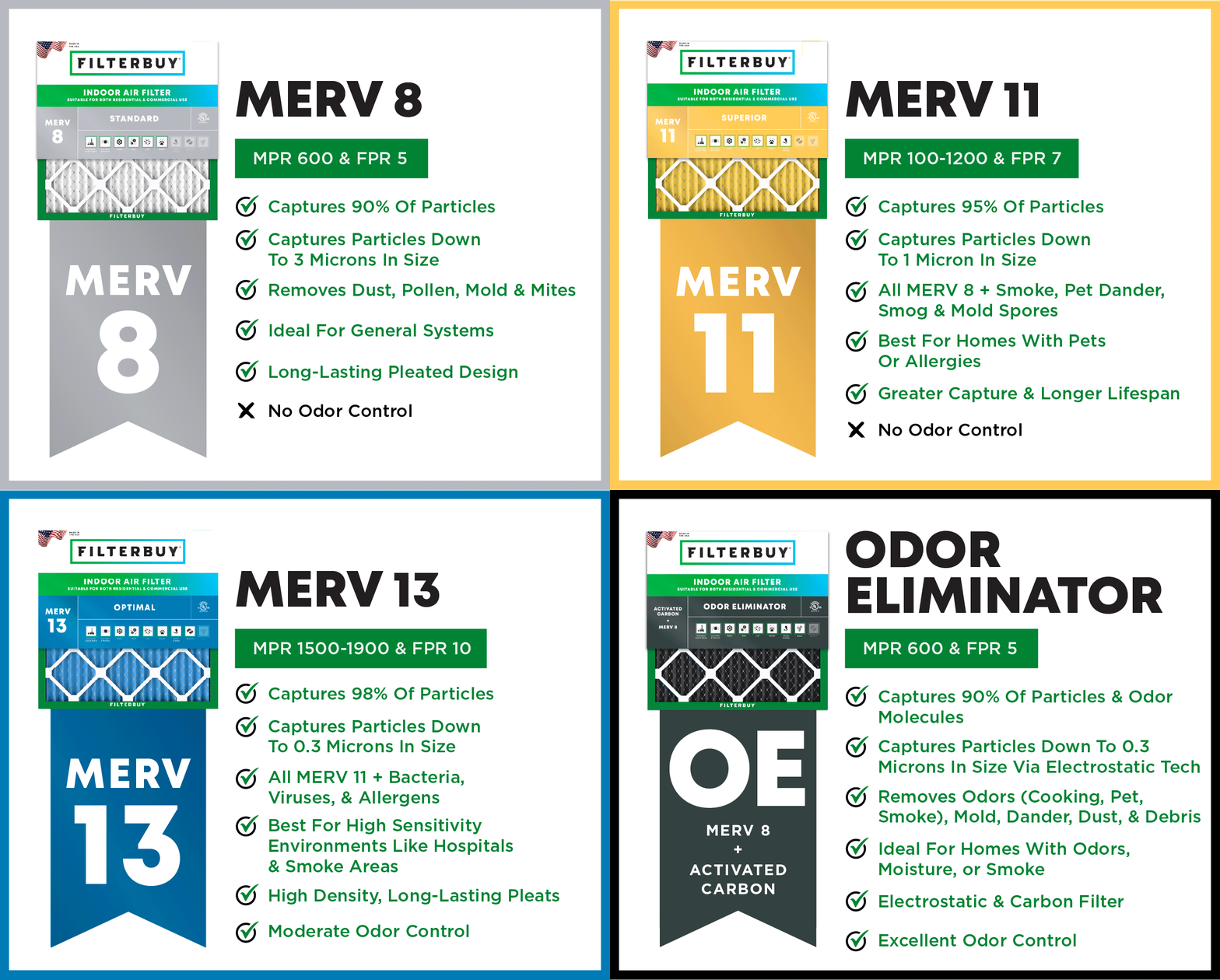
MERV 8: Captures dust, lint, and pollen effectively while maintaining excellent airflow
MERV 11: Adds pet dander, mold spores, and smoke to the capture list—perfect for pet owners
MERV 13: Tackles bacteria and virus carriers, ideal for households with allergies or respiratory sensitivities
The beauty of MERV 8-13 filters is that they provide substantial air quality improvements without the airflow restrictions of higher-rated filters. This range represents the engineering sweet spot where you get maximum benefit with minimal system strain.
Filterbuy's focus on this range isn't accidental—it's based on years of research showing that MERV 8-13 filters deliver the best real-world performance for residential applications.
Even the best filter won't help if you forget to replace it. Most quality pleated filters should be replaced every 1-3 months, depending on several factors specific to your home.
Households with pets need more frequent changes—typically every 60 days—due to additional hair and dander. If anyone in your family suffers from allergies or asthma, monthly replacement ensures optimal air quality when it matters most.
Your local environment plays a role too. Homes in dusty areas, near construction sites, or in regions with high pollen counts will clog filters faster. During peak heating and cooling seasons, when your HVAC system runs more frequently, filters also need more frequent attention.
Here's a simple trick: set a monthly reminder to check your filter. If it looks dirty or you notice reduced airflow from your vents, it's time for a replacement regardless of how long it's been installed.
Air filter quality absolutely matters—for your health, your HVAC system, and your wallet. The difference between a cheap fiberglass filter and a quality pleated filter is dramatic, but you don't need to buy the most expensive option to see real benefits.
Focus on pleated filters in the MERV 8-13 range for the best balance of performance and efficiency. Replace them regularly based on your household's specific needs. And choose a reliable supplier like Filterbuy that understands the science behind effective filtration.
Your home's air quality is too important to leave to chance. Upgrade to a quality pleated filter today and experience the difference cleaner air makes in your daily comfort and long-term health.
Ready to breathe easier? Explore Filterbuy's complete line of MERV 8-13 pleated filters and find the perfect fit for your home's needs.
Yes, air filter quality significantly impacts both your indoor air quality and HVAC system performance. Quality pleated filters capture 85% or more of airborne particles compared to just 10% for basic fiberglass filters. This means fewer allergens circulating through your home and less strain on your HVAC system.
Cheap filters allow dust, pollen, and debris to pass through and accumulate on your HVAC components. This can lead to reduced efficiency, higher energy bills, and premature system failure. You'll also experience poorer indoor air quality with more allergens and particles circulating through your home.
Higher MERV ratings do capture smaller particles, but there's a point of diminishing returns for residential use. MERV 8-13 filters provide excellent air quality improvements while maintaining proper airflow. Filters above MERV 13 may restrict airflow too much for typical home HVAC systems.
MERV 8-11 works well for most homes. Choose MERV 8 for basic filtration, MERV 11 if you have pets, and MERV 13 for households with allergies or respiratory concerns. Always check your HVAC system's specifications to ensure compatibility.
Yes, pleated filters are significantly more effective. The pleated design increases surface area, allowing them to capture more particles without restricting airflow as much as you might expect. They also last longer than fiberglass filters, providing better value over time.
Replace filters every 1-3 months depending on your household. Homes with pets need changes every 60 days, while allergy sufferers should consider monthly replacement. Check your filter monthly and replace it if it looks dirty or airflow seems reduced.
Absolutely. Quality pleated filters with MERV ratings of 8-13 capture common allergens like pollen, dust mites, and pet dander. Many allergy sufferers notice symptom improvement within days of upgrading to a proper filter.
MERV 8-13 filters are designed to balance filtration with airflow. While they may restrict airflow slightly more than basic filters, the difference is minimal and won't strain properly functioning HVAC systems. Avoid going above MERV 13 unless your system specifically supports it.
Filterbuy's pleated filters in the MERV 8-13 range capture significantly more particles than standard fiberglass filters while maintaining optimal airflow. They're manufactured to strict quality standards in the US and designed specifically for residential HVAC systems.
Yes, quality filters provide excellent long-term value. They protect your HVAC system from damage, reduce energy costs, improve indoor air quality, and often last longer than cheap alternatives. The health and system benefits far outweigh the modest price difference.
