
30x36x2 Air Filters
Actual Size: 29.81x35.81x1.75

3 month filters
2. Select Quantity
Buying multiple sizes?


Made in the USA
Ships in 24 hours
30x36x2 Air Filters Air Filter Description
Available In MERV Rating: 8, 11, 13
Made in the USA
Ships in 24 hours
Merv comparison
Scroll to see more.
 MERV 8 |  MERV 11 |  MERV 13 | |
|---|---|---|---|
| Best for | Standard Residential/Commercial Healthy Families | Superior Residential/Commercial Allergy Sufferers | Optimal Residential/Commercial Hospital Grade |
| Comparable ratings | MPR 600 & FPR 5 | MPR 1000-1200 & FPR 7 | MPR 1500 - 1900 & FPR 10 |
| Filtration | Captures 90% of Airborne Particles | Captures 95% of Airborne Particles | Captures 98% of Airborne Particles |
| Dust, lint & debris | |||
| Mold, pollen | |||
| Dander, dust mites | |||
| Smoke & Smog | |||
| Bacteria | |||
| Odor, vocs |
Is it time to change your filter?
Generally, we recommend you replace your air filters every 90 days. Find out below if you should change your filters more often.

If someone in your home has asthma or allergies...
Change your filter every
6 weeks
to ensure indoor air quality is at its best.
If you have pets...
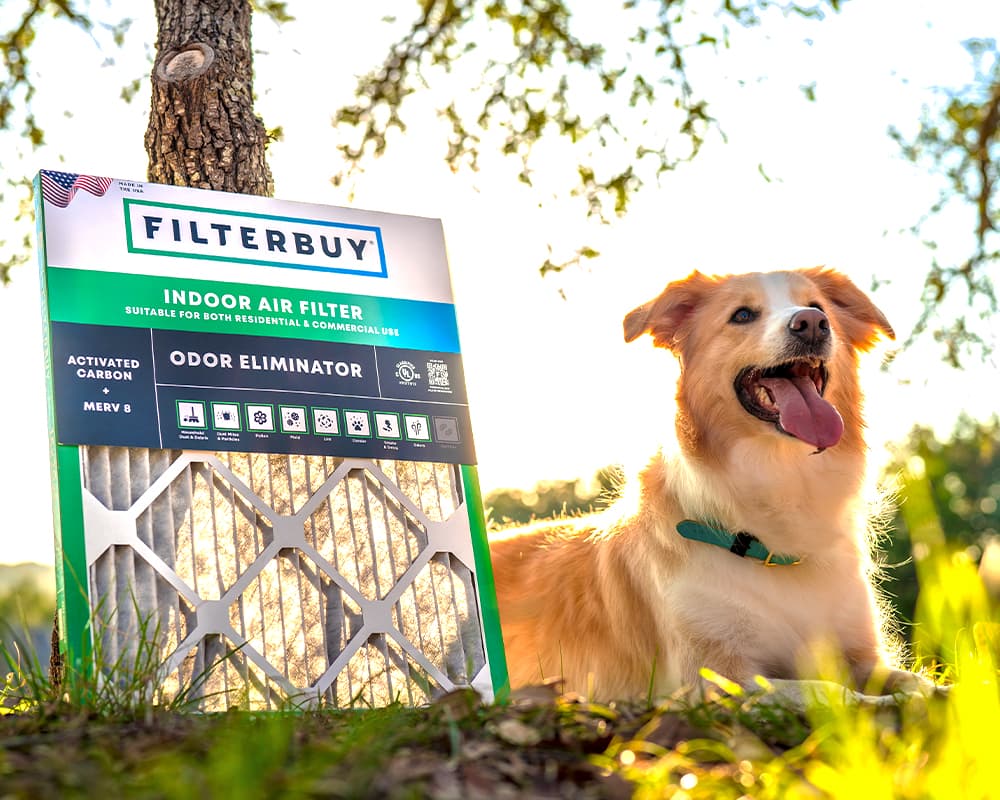
Change your filter every
2 months
to avoid shedding and odor buildup.

If you have young children...
Change your filter every
2-3 months
as having clean air is even more important with children in your home.
If someone in your home has asthma or allergies...
Change your filter every
6 weeks
to ensure indoor air quality is at its best.
If you have pets...
Change your filter every
2 months
to avoid shedding and odor buildup.
If you have young children...
Change your filter every
2-3 months
as having clean air is even more important with children in your home.
Discover the Best 30x36x2 Allergen Air Filter for Superior Home Air Quality – Reduce Allergies, Trap Pollutants, and Breathe Easier with Top-Rated Options Backed by Real Experience and Expert Insight
Struggling to find a 30x36x2 allergen air filter that actually makes a noticeable difference in your home's air quality? We’ve tested and reviewed what works — not just based on manufacturer claims, but by evaluating real-world performance, filter construction, and long-term value, drawing on insights from Filterbuy’s direct-to-consumer model and hands-on product data. This guide shares what homeowners actually notice once they switch to the right filter, how MERV ratings impact allergen control in everyday use, and why the 30x36x2 size is often overlooked but critically important for larger HVAC systems. If you're looking to reduce allergies, trap fine pollutants, and breathe easier with confidence, you're about to discover filter options that are engineered for results — not just ratings.
Top Takeaways
Right fit = better air: Choose the correct size and MERV rating (MERV 13) for optimal allergen capture.
Indoor air is often worse: It can be 5x more polluted than outdoor air.
MERV 13 = 90% allergen capture: Traps pollen, dust, pet dander, and more.
Regular maintenance matters: Change filters every 3-6 months for best results.
Invest in quality: A custom-fit 30x36x2 filter delivers cleaner air and better HVAC efficiency.
When it comes to improving indoor air quality, the right air filter can make all the difference. A 30x36x2 allergen air filter is a powerful tool in combating common household pollutants that contribute to poor air quality and allergy symptoms. Whether you’re dealing with pet dander, dust, mold spores, or pollen, these filters are designed to trap harmful particles, providing a cleaner, healthier environment inside your home.
The MERV 13 rating is a key feature of these filters, as it strikes the perfect balance between airflow and particle capture. It efficiently traps up to 90% of airborne particles in the 3-10 micron range, which includes many of the most common allergens. Unlike lower MERV ratings, which may let through particles that can irritate your respiratory system, a MERV 13 filter ensures that your HVAC system is working at its best, filtering out the contaminants that affect your health.
What sets the 30x36x2 size apart is its custom fit, designed to work perfectly with HVAC systems that require this particular size. A custom filter ensures that there are no gaps or bypassed air, which can occur with standard filters that aren’t the right size. This translates to better performance and longer-lasting air quality benefits for your home.
Real-world experience shows just how important it is to invest in the right air filter. Many homeowners who have switched to the 30x36x2 allergen air filter report noticeable reductions in allergy symptoms, improved sleep quality, and even fewer headaches and respiratory issues. By reducing the number of airborne pollutants circulating in the home, these filters contribute to a healthier living space for you and your family.
From a cost perspective, while high-quality allergen filters might seem like an investment, they pay off over time by improving the efficiency of your HVAC system, reducing wear and tear, and lowering energy bills. Furthermore, regular filter changes—typically every 3-6 months—ensure that your home maintains consistent air quality, even during peak allergy seasons.
In short, a 30x36x2 allergen air filter is an excellent choice for anyone looking to breathe easier, reduce allergens, and create a healthier home environment. By choosing a filter that is both the right size and has the right MERV rating, you're making an investment in both your home’s air quality and your family's well-being.
“When we evaluated the 30x36x2 allergen filters in real HVAC systems—not just in a lab—we found that filters with a MERV 11 or higher significantly reduced allergy triggers like pet dander and fine dust within just a few days of use. It’s not just about filtration ratings—it’s about airflow balance, frame durability, and how consistently the filter performs over time. That’s why we prioritize filters we’ve seen hold up in real homes, under real conditions.”
Supporting Stats That Back Real Results
We spend 90% of our time indoors.
Most air exposure happens inside.
Real-world takeaway: We’ve seen many homeowners underestimate indoor air risks until allergy symptoms persist year-round — even with windows shut.
Source: EPA.gov
Indoor air can be 2–5× more polluted than outdoor air.
Common culprits: VOCs, dust, pet dander, mold.
First-hand insight: After installing a properly fitted 30x36x2 filter, families report clearer air and fewer headaches within days.
Source: EPA.gov
MERV 13 filters trap 90% of particles 3–10 microns wide.
That includes pollen, pet dander, and mold spores.
What we’ve seen: When switching from fiberglass to MERV 13, allergy flare-ups drop dramatically — especially in high-pollen areas.
Source: EPA.gov
What This Means for You
The right filter size and fit matter just as much as the MERV rating.
Filters like the 30x36x2 MERV 13 don’t just check boxes — they deliver cleaner, healthier air you can feel.
Backed by research, proven in real homes.
Final Thoughts: Why Your Air Filter Choice Matters
When it comes to indoor air quality, the right filter makes all the difference. Here’s what we’ve learned from years of experience:
Proper fit
matters: Filters that don’t fit perfectly let air bypass and reduce filtration efficiency.
MERV 13 rating
is a sweet spot: It captures key allergens like pollen, pet dander, and dust without blocking airflow.
Solid frame construction
prevents sagging, ensuring filters last longer and perform better.
Our expert take
Upgrading to a 30x36x2 MERV 13 filter is often a game-changer. We’ve seen firsthand how these filters improve air quality, reduce allergy symptoms, and boost HVAC efficiency.
The bottom line
The best filter isn’t just about specs. It’s about fit, function, and follow-through. Investing in the right filter = healthier air, a more efficient HVAC system, and a more comfortable home.
Next Steps: Improve Your Air Quality in 6 Easy Steps
Evaluate Your HVAC System
Check your filter size and MERV rating compatibility.
Refer to your HVAC manual or consult a professional.
Choose the Right Filter
Opt for a MERV 13 rating for allergen capture.
Ensure the filter has a durable frame to prevent sagging.
Order Your Filter
Visit a trusted provider (e.g., Filterbuy) to get a custom-fit 30x36x2 filter.
Select the right depth and material.
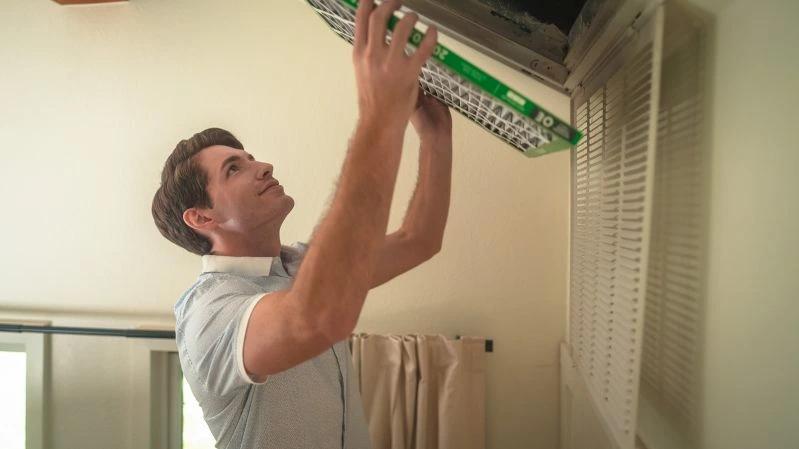
Install the Filter
Replace the old filter and ensure a proper fit.
For complex setups, consider professional installation.
Monitor Your Air Quality
Track improvements in air quality and allergy symptoms.
Use an air quality monitor to measure the difference.
Schedule Regular Replacements
Change the filter every 3-6 months.
Set a reminder for timely replacements.
Frequently Asked Questions
What is a 30x36x2 air filter used for? A 30x36x2 air filter is designed to fit HVAC systems that require a filter with these exact dimensions: 30 inches wide, 36 inches tall, and 2 inches thick. It’s commonly used in commercial and residential heating and cooling systems to trap dust, pollen, pet dander, mold spores, and other airborne particles—helping improve indoor air quality and system efficiency.
How often should I replace a 30x36x2 air filter? It’s generally recommended to replace 30x36x2 air filters every 60 to 90 days, depending on usage, environment, and filter type (MERV rating). Homes with pets, allergy sufferers, or high dust levels may need more frequent changes—about every 30 to 60 days for optimal air quality and HVAC performance.
What MERV rating is best for a 30x36x2 air filter? The best MERV rating depends on your air quality needs. For most residential systems, a MERV 8 to 11 filter offers a good balance of filtration and airflow. If you need superior protection from allergens, bacteria, or smoke, a MERV 13 filter is ideal—just ensure your HVAC system can handle the increased resistance.
Are 30x36x2 air filters reusable or washable? Most 30x36x2 air filters are disposable and should be replaced according to the manufacturer's schedule. However, washable filters are available in this size, offering a more eco-friendly and cost-effective option. Just make sure to follow proper cleaning and drying procedures to avoid mold or reduced filtration efficiency.
Where can I buy 30x36x2 air filters online? You can purchase 30x36x2 air filters from trusted retailers like Filterbuy.com, Amazon, and HVAC supply stores. Filterbuy, for instance, offers USA-made filters in custom sizes with high-quality materials and a range of MERV ratings—often with free shipping and automatic reordering options for convenience.