
How Dirty Is the Air Inside Your Car?
May 25, 2026
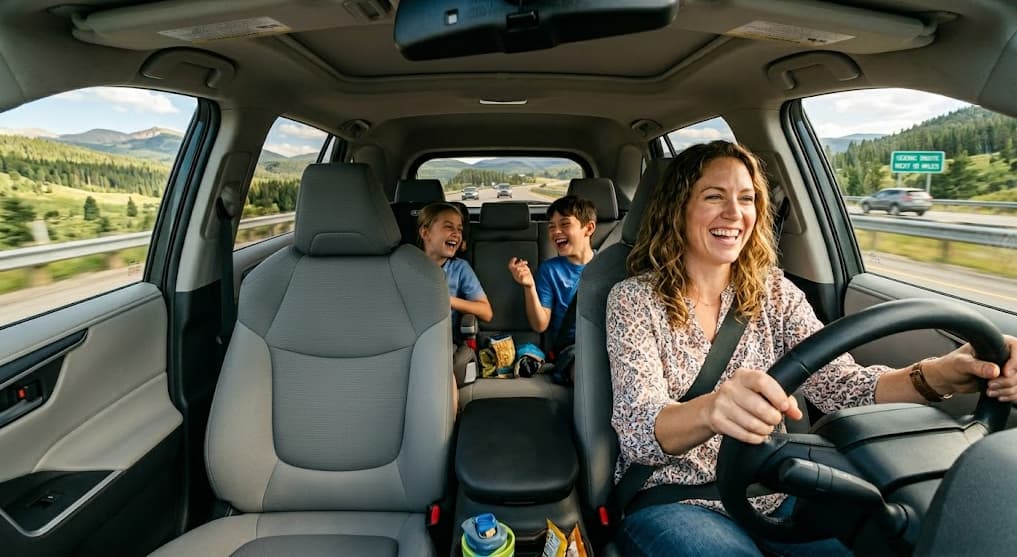
You might think rolling up your windows and turning on the AC protects you from road fumes and smog. But what if the air inside your car is actually worse than the air outside?
Studies show that pollution levels inside your car can be two to ten times higher than the air outside. Your vehicle acts like a small box, trapping airborne particles right where you breathe.
So, while your car may feel sealed off from the outside world, the air you breathe during your commute could be highly polluted. Let's explore why this happens and what you can do about it.
Key Takeaways
Pollution levels inside your car can be significantly higher than outdoor air – up to 10 times more, according to studies.
Your car acts as a container for airborne particles, trapping pollutants that can affect your health over time.
Improving air quality in your car is possible by using high-quality cabin air filters, keeping windows closed in high-traffic areas, and maintaining proper ventilation settings.
Being mindful of your commute environment can help reduce exposure to harmful pollutants and promote better respiratory health.
Is Car Air Worse Than Outside?
Yes, the air inside your car can be worse than the outside air, especially in traffic. Vehicle cabins trap pollutants like PM2.5, nitrogen oxides, and VOCs from nearby exhaust, interior materials, and recirculated air. Studies show that in-car pollution levels can be several times higher than outdoor air during commutes.
Stop-and-go traffic creates serious high-exposure zones. You might sit idling behind a large diesel truck. Those heavy emissions get pulled directly into your vehicle.
Highway commuting also increases your exposure to ultrafine particles. You might think pressing the recirculation button solves the problem. But using recirculation mode constantly can trap existing pollutants. It also causes carbon dioxide to accumulate in the cabin.
Why Is the Air Inside Cars So Polluted?
The air inside your car can be surprisingly polluted. Pollutants from traffic get pulled into the cabin, and your car's interior can release chemical fumes.
Limited ventilation options only make matters worse. Let's look at why the air inside your car is so polluted.
Traffic Exhaust Gets Pulled Into the Cabin
Tailpipe emissions are a major problem for cabin air quality. Your air vents pull in fumes from the cars ahead of you. You also get exposed to brake dust and tire particles kicked up from the asphalt.
Your Car’s Interior Releases Chemicals
Have you ever noticed that "new car smell"? That scent actually comes from chemical off-gassing. The plastics, adhesives, and upholstery in your vehicle constantly release Volatile Organic Compounds (VOCs) into the enclosed space.
Cabin Air Can Get Trapped
Stale air builds up very quickly inside small spaces. Drivers often use recirculation mode to block bad smells from outside. But this limits fresh ventilation. Dirty air inside your car gets trapped with nowhere to escape.
Dirty HVAC Systems Spread Contaminants
Your car's air conditioning system deals with a lot of condensation. This excess moisture creates a perfect home for mold and bacteria. An old or clogged cabin air filter will push that dust and bacteria directly into your face.
What Pollutants Are You Breathing Inside Your Car?
Understanding what you are breathing is the first step to fixing it. Here are the most common culprits of in-car air pollution.
| Pollutant | Source | Potential Effects |
|---|---|---|
| PM2.5 | Exhaust, brake dust | Respiratory irritation |
| VOCs | Plastics, adhesives | Headaches, irritation |
| Nitrogen Oxides | Traffic emissions | Asthma triggers |
| Mold Spores | HVAC moisture | Allergy symptoms |
| Smoke & Smog | Outdoor air infiltration | Lung irritation |
Who Is Most Vulnerable to Car Cabin Air Pollution?
Poor cabin air quality affects everyone differently. However, certain groups should be especially mindful of traffic pollution inside vehicles.
Exposure to these pollutants may increase risks or contribute to respiratory irritation for:
Children
Daily commuters
Rideshare drivers
Allergy sufferers
Asthma sufferers
Pet owners
Drivers in wildfire-prone areas
How to Improve Air Quality Inside Your Car
You do not have to settle for breathing dirty air. There are a few simple ways to improve your daily commute.
Replace Your Cabin Air Filter Regularly
Most drivers completely forget about their cabin air filters. But dirty filters quickly lose their effectiveness. You should aim to replace yours every 12 months or 12,000 miles.
Use Fresh Air Strategically
Avoid staying in recirculation mode for your entire drive. Use fresh air mode periodically to flush out stale air. Just remember to close your windows and switch back to recirculation when you hit heavy traffic.
Keep the Interior Clean
Your interior surfaces hold onto airborne particles. Vacuum your seats and floor mats regularly. Removing dust, food debris, and pet hair helps prevent mold and reduces allergens.
Avoid Strong Fragrances
Hanging air fresheners smells nice, but they often release VOCs. Scent overload can cause headaches in a small cabin. Keep your car clean instead of masking odors with heavy perfumes.
Why Cabin Air Filters Matter More Than Most Drivers Realize
Filterbuy auto cabin air filters use HEPA-certified synthetic media to trap 99.97% of airborne particles as small as 0.3 microns, including bacteria, pollen, mold spores, smoke, and pet dander.
Every filter is manufactured 100% in the USA to exact OEM tolerances, with advanced hydrocharging technology that permanently magnetizes every fiber for maximum particle capture without restricting airflow.
Available for hundreds of vehicles across all major makes and models, use the vehicle selector at Filterbuy.com to find the right fit for your car.
A quality HEPA cabin air filter offers several major benefits:
Captures smoke, smog, pollen, and fine particulate matter
Designed for exact OEM fit to help reduce bypass air
Easy tool-free installation
Includes QR code installation instructions
Available in convenient multi-pack options
Subscription available with free 2-day shipping
Browse cabin air filters for your vehicle →
Signs Your Cabin Air Filter May Need Replacement
How do you know it is time for a change? Look out for these common warning signs:
Weak airflow from your AC vents
Musty or stale smells
Increased dust settling on your dashboard
Allergy symptoms acting up while driving
Unusually foggy windows
Your HVAC system sounds like it is struggling
Taking Control of Your Car's Air Quality With Filterbuy
Cars are not automatically clean-air environments. Your daily commutes can account for a significant portion of your overall pollution exposure. Filtration and routine maintenance matter. Awareness is the first step to breathing easier behind the wheel.
If you haven’t checked your cabin air filter recently, now may be a good time. Find the right HEPA cabin filter for your vehicle →
Frequently Asked Questions
Is the air inside a car dirtier than outside?
Yes, especially in heavy traffic. Vehicle cabins can trap pollutants such as PM2.5, exhaust gases, and VOCs, raising in-car pollution levels above outdoor air levels.
What causes car cabin air pollution?
Common sources include traffic exhaust, VOCs from interior materials, mold in HVAC systems, smoke, dust, and dirty cabin air filters.
Can a cabin air filter improve air quality inside a car?
A high-quality cabin air filter may help reduce exposure to airborne particles like pollen, smoke, dust, and fine particulate matter while driving.
How often should you replace a cabin air filter?
Most manufacturers recommend replacing the cabin air filter every 12 months or 12,000 miles, depending on driving conditions.
Does recirculation mode make cabin air worse?
Recirculation mode can temporarily block outside pollutants, but using it continuously may allow contaminants and CO₂ to build up inside the cabin.
What are the symptoms of poor air quality inside a car?
Drivers may notice musty odors, weak airflow, headaches, allergy irritation, increased dust, or foggy windows.