
What Is an Arctic Blast? What Happens and Which Alerts to Watch
October 14, 2026
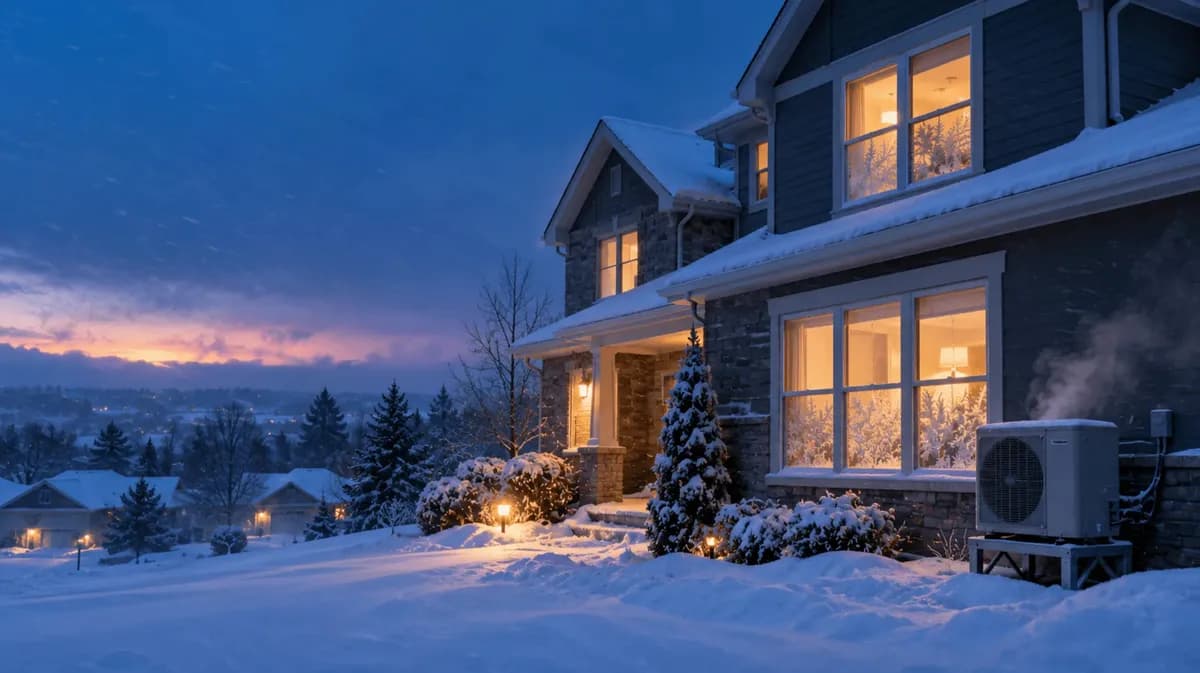
An arctic blast is a stretch of Arctic air cold enough to keep your furnace or heat pump running most of the day. Forecasters use the name loosely, so your real signal to act is an Extreme Cold Watch from the National Weather Service.
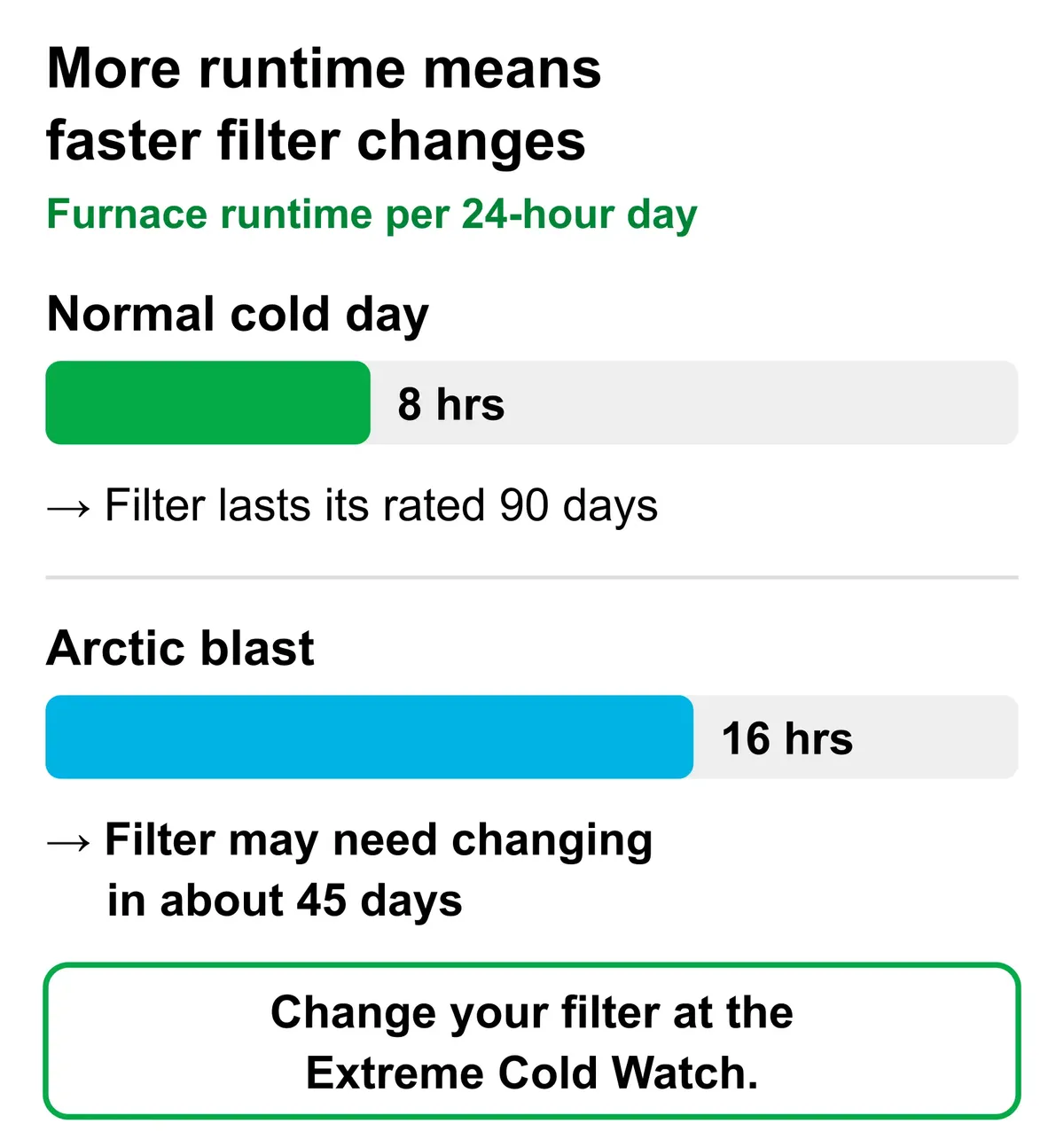
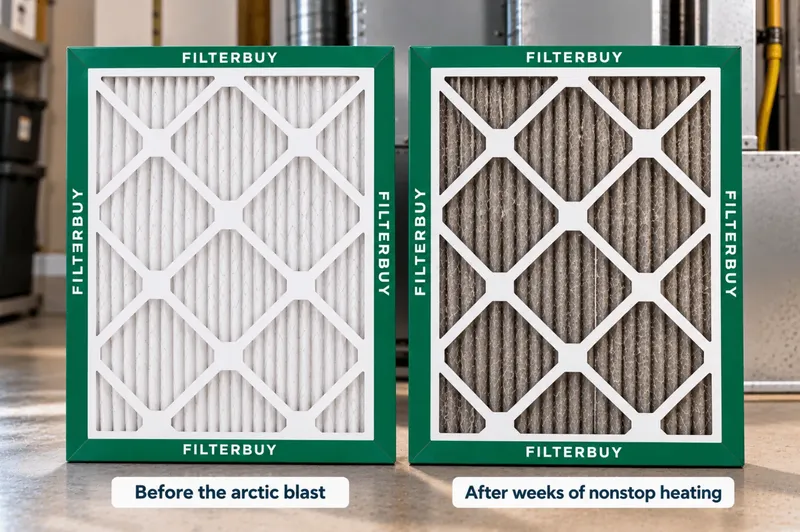
All that extra runtime pulls more air through your filter, so it clogs faster than the calendar suggests. A clogged filter restricts airflow and heat output right when you need them most.
Swap in a fresh filter as soon as the watch goes out. Not sure which one your system needs? The quick quiz below will match you.
Find Your Filter Before the Cold Hits
Answer a few quick questions and we'll match you to the right MERV rating for your home.
Already know your size? Shop air filters at Filterbuy.
An arctic blast is a surge of frigid polar air that spills south into the United States and drags temperatures far below normal. The National Weather Service (NWS) never issues an "arctic blast" alert. The Extreme Cold Watch, Extreme Cold Warning, and Cold Weather Advisory are the alerts that tell you how much time you have.
At Filterbuy, we manufacture pleated air filters in hundreds of sizes, so we look at an arctic blast from inside your HVAC system.
TL;DR
An arctic blast is a media name for a sharp outbreak of polar air, not an official National Weather Service alert. Watch for the NWS Extreme Cold Watch, Extreme Cold Warning, and Cold Weather Advisory. Before the cold, replace your air filter, hold a steady thermostat setting, protect exposed pipes, and test your CO alarms.
Key Takeaways
"Arctic blast" is a media term. The NWS extreme cold alerts replaced wind chill alerts on October 1, 2024.
An arctic blast is a runtime problem. Furnaces and heat pumps run longer, so filters clog faster than the calendar suggests.
The American Red Cross recommends keeping the heat at 55°F or higher when you are away.
What Is An Arctic Blast?
An arctic blast is the informal name for a cold air outbreak, when a mass of dense, frigid air flows out of the Arctic and pushes deep into the lower 48 states.
Many arctic blasts trace back to the polar vortex, a ring of high-altitude winds that normally keeps the coldest air over the North Pole. As NOAA's explainer on understanding the Arctic polar vortex describes, a weakened vortex can let that air spill south, though plenty of cold outbreaks happen without one.
Arctic Blast Vs. Official Alerts: Which Warnings To Watch
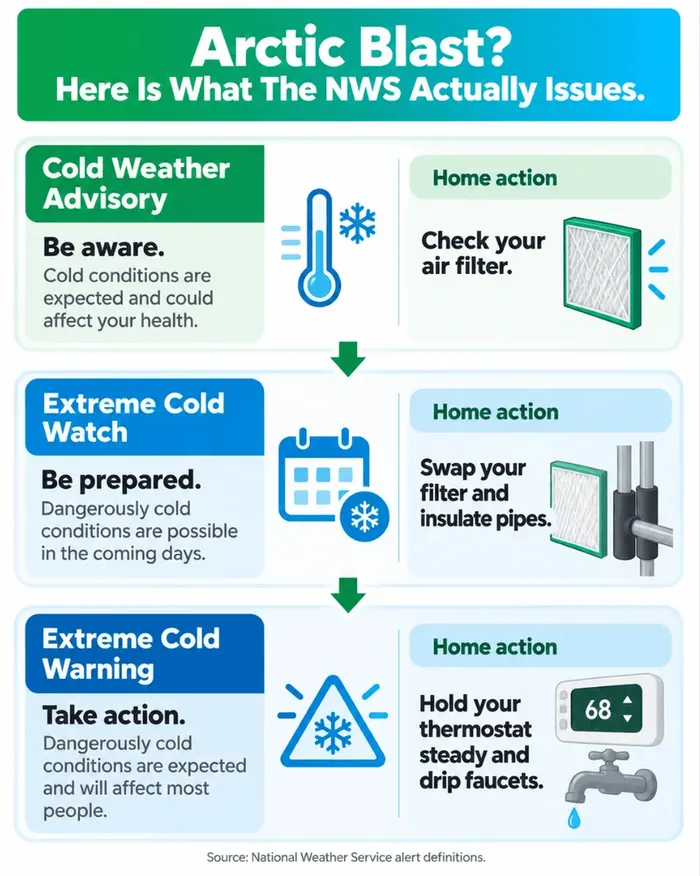
When dangerous cold is coming, the NWS issues an Extreme Cold Watch, Extreme Cold Warning, or Cold Weather Advisory.
Source: National Weather Service. Criteria vary by local office.
The NWS publishes official definitions of cold weather watches, warnings, and advisories, but each local office sets its own trigger temperatures. The Filterbuy Extreme Cold Warning guide lists local thresholds, and our Cold Weather Advisory explainer covers the wind chill change. For snow or ice, see what a Winter Storm Warning means.
What Is A Flash Freeze?
A flash freeze is a rapid drop in air temperature from above freezing to below freezing within a few hours, according to the American Meteorological Society glossary. The fast cooling turns rain and meltwater into ice. Arctic blasts often set one up when the cold front follows rain or snowmelt.
The NWS has no flash freeze alert, so read past the headline of any Special Weather Statement or Winter Weather Advisory.
Around the house, a quick freeze can ice over exterior-wall pipes and high-efficiency furnace vent pipes. If your furnace shuts down after freezing rain, learn how to clear a frozen furnace vent pipe safely.
Where Are Cold Alerts Active Right Now?
The NWS live national alert map shows every active cold and winter storm alert.
How To Prepare Your Home Before An Arctic Blast
Most prep lists hand you every task at once. The Filterbuy framework ties each task to the NWS alert you are under.
Filterbuy framework based on NWS, American Red Cross, and CDC guidance.
Pro Tip: Write down the size printed on your filter frame and keep a spare on hand all winter.
Arctic Blast Furnace Maintenance And Air Filter Tips
Filter life depends on how much air moves through it, not on the calendar, and during an arctic blast a furnace may run most of the day. If your system normally runs about 8 hours a day and a cold spell pushes that to 16, a filter rated for 90 days could need changing in about 45. Once it clogs, the furnace can overheat and shut off on its safety limit switch.
ENERGY STAR's heating and cooling maintenance checklist recommends checking filters monthly and warns that a dirty filter can raise energy costs and lead to early equipment failure.
With windows shut for days, the filter also captures more of the dust and pet dander circulating indoors. Filterbuy makes pleated filters in MERV 8, 11, and 13. MERV 8 or 11 suits most homes, while MERV 13 captures finer particles. Compare MERV 8 vs MERV 11 vs MERV 13 filters, and check your HVAC manual for the highest rating your system allows.
A furnace running constantly in extreme cold may be working as designed. Filterbuy filters ship with fast and free 2-day delivery to most US states, and filter auto-delivery keeps a fresh one arriving on schedule.
How Does A Heat Pump Handle An Arctic Blast?
A heat pump pulls heat from the outdoor air, so its output drops as the temperature falls. In an arctic blast, most heat pumps lean on backup electric heat, or on a gas furnace in dual-fuel systems. The U.S. Department of Energy notes that cold climate heat pumps are designed to perform in temperatures as low as 5°F.
Expect more defrost cycles. Brief steam from the outdoor unit is normal, but a unit still encased in ice after defrost needs a technician. Never chip ice off the coil, and keep the filter clean to prevent heat pump filter freezing. Filterbuy's checklist shows how to get your heat pump ready for winter.
Pro Tip: After heavy snow, check the outdoor unit before the thermostat. A buried coil can cut heat output even at the right setting.
What Thermostat Setting Is Best During An Arctic Blast?
The best arctic blast thermostat setting is one steady temperature, day and night. The American Red Cross recommends a consistent setting in very cold weather and at least 55°F when you leave. Deep setbacks backfire here, since recovering several degrees can trigger costly auxiliary heat on a heat pump and leave pipes exposed. See the Filterbuy winter thermostat settings guide.
How To Keep Pipes From Freezing During An Arctic Blast
Pipes freeze first along exterior walls and in unheated spaces like crawl spaces and garages. Drip faucets fed by exposed pipes and open sink cabinets so warm air reaches the plumbing.
If a faucet slows to a trickle, a pipe may already be frozen. The American Red Cross frozen pipe guidance recommends leaving the faucet open and warming the pipe with a hair dryer or heating pad, never an open flame.
Will An Arctic Blast Raise Your Energy Bill?
Yes. Heating equipment runs more hours in extreme cold, which raises monthly bills. The U.S. Energy Information Administration's Winter Fuels Outlook 2026–27 shows costs moving in different directions by fuel this season.
Source: U.S. Energy Information Administration, released October 6, 2026. National averages.
For more, see why your heating bill is so high and the hourly cost to run a furnace.
Arctic Blast Safety: Carbon Monoxide And Power Outages
Carbon monoxide risk climbs during an arctic blast as furnaces run nonstop and generators start up. The CDC carbon monoxide guidance calls for CO detectors near every sleeping area, generators more than 20 feet from windows, doors, and vents, and never heating with a gas oven. The U.S. Consumer Product Safety Commission reports that portable generators cause an average of nearly 100 U.S. carbon monoxide deaths each year. It also advises keeping space heaters at least three feet from anything flammable.
Filterbuy's guide to heating your home in a winter power outage covers safe generator setups. If you smell gas, get outside first, then review these carbon monoxide warning signs.
Expert Insight From Filterbuy
"An arctic blast is when your heating system works hardest. The air filter is the one part you can change yourself in minutes, so change it when the watch goes out, not when the house already feels cold."
David Heacock, Founder and CEO, Filterbuy
Supporting Statistics
Nearly 10 million people lost power during the February 2021 arctic outbreak.
$15,400 was the average homeowners claim for water damage and freezing from 2019 to 2023.
Source: ISO data via the Insurance Information Institute
27,900 residential heating fires were reported in 2023.
115 deaths
$488 million in losses
Source: U.S. Fire Administration
Frequently Asked Questions
What Should I Do If My Furnace Stops During An Arctic Blast?
Check these in order:
Confirm the thermostat is on heat, set above room temperature, with fresh batteries.
Replace the air filter if little light passes through it.
Check that the furnace switch and breaker are on and the blower door is latched.
Clear snow or ice from outdoor intake and exhaust vent pipes.
Still no heat? Call a technician, and learn when not to press the furnace reset button.
Does The National Weather Service Issue Arctic Blast Warnings?
No. The NWS uses Extreme Cold Watches, Extreme Cold Warnings, and Cold Weather Advisories, which replaced wind chill alerts. "Arctic blast" is a media term.
Should I Change My Air Filter Before An Arctic Blast?
Yes. Your system will run longer cycles, and a clogged filter restricts airflow and heat output. Swap it when a watch is issued, and learn the signs your furnace filter is clogged.
Should I Use Emergency Heat On My Heat Pump During An Arctic Blast?
Usually not. Normal heat mode brings on auxiliary heat automatically. Emergency heat runs only backup heat, which costs more, so save it for an outdoor unit failure.
Get Your Home Ready Before The Cold Arrives
Start with the filter. Shop Filterbuy air filters by size, or take the Filterbuy quiz below to find your fit.
Glossary
Arctic Blast: A media term for a surge of frigid polar air.
Polar Vortex: A ring of high-altitude winds holding cold air over the Arctic.
Flash Freeze: A drop below freezing within hours that turns water to ice.
Extreme Cold Watch: An NWS alert that dangerous cold is possible.
Extreme Cold Warning: An NWS alert that dangerous cold is expected or occurring.
Cold Weather Advisory: An NWS alert for cold below warning criteria.
Auxiliary Heat: Backup heat a heat pump adds automatically in deep cold.
Emergency Heat: A mode that runs only backup heat.
Defrost Cycle: A heat pump routine that melts frost off the outdoor coil.
MERV: Minimum Efficiency Reporting Value, a 1–16 filter rating scale.
NWS: National Weather Service, the U.S. weather alert agency.
NOAA: National Oceanic and Atmospheric Administration, the U.S. agency that runs the NWS.