May 5, 2026

At Filterbuy, we've tested and reviewed thousands of air filters across a wide range of homes and HVAC systems—and one question we hear time and again is whether electrostatic air filters deliver on their promise of cleaner indoor air. The answer is: it depends on your needs. In this guide, we’ll break down how electrostatic filters work at the microscopic level, how they compare to traditional filters in trapping allergens and dust, and when they’re the smarter choice for your home. You’ll get clarity, not just a claim, on whether these filters are worth the switch.
What You Should Know About Electrostatic Air Filters
They use static electricity
Trap dust, pollen, and pet dander effectively.
Reusable and eco-friendly
Just rinse and dry monthly for best results.
Require regular maintenance
Performance drops if not cleaned consistently.
Great for allergy and pet households
Helps reduce allergens and indoor odors.
Not for low-maintenance users
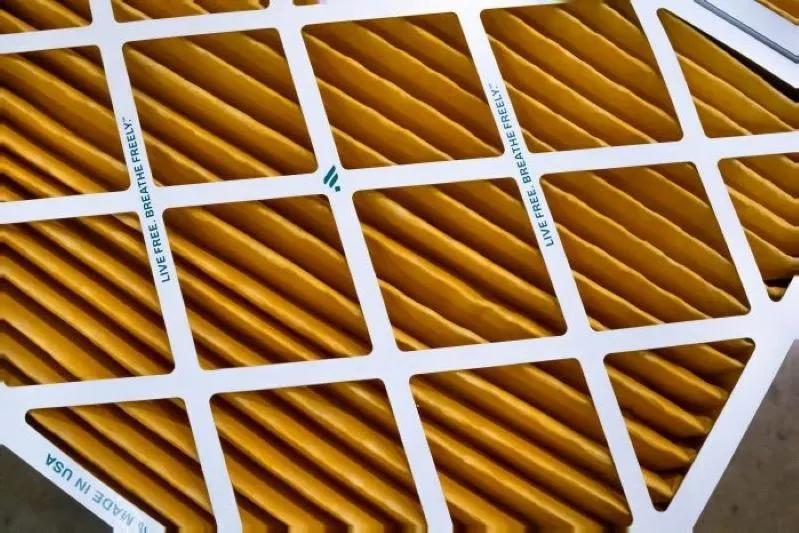
Electrostatic air filters rely on static electricity to capture airborne particles like dust, pollen, and pet dander. As air passes through the filter, friction between the filter media and air molecules generates an electric charge. This static charge acts like a magnet, attracting and trapping particles that would otherwise circulate through your HVAC system. Many electrostatic filters are also washable and reusable, making them a cost-effective, eco-friendly option over time.
Traditional filters, such as fiberglass or pleated varieties, work by physically trapping particles in dense media layers. While effective, these filters typically need to be replaced more frequently and may not capture smaller particles as efficiently without sacrificing airflow. Electrostatic filters, by contrast, can maintain solid filtration performance with lower airflow resistance, especially when properly maintained.
Electrostatic air filters can outperform traditional filters in certain conditions, especially when it comes to longevity and airflow. But like any filter, their effectiveness depends on proper use and maintenance. If you’re looking for a filter that combines performance with sustainability, electrostatic might be the right fit—just be sure to clean it consistently to enjoy its full benefits.

EPA finding: Poorly ventilated homes often trap pollutants.
What we see: Customers notice less dust and fresher air after switching to better filters.
CDC NIOSH data: Americans spend most of their lives inside.
Why it matters: Clean indoor air is essential. Filter upgrades make a visible impact in the households we work with.
American Lung Association: Indoor pollutants contribute to asthma, allergies, and more.
Our insight: Filterbuy users—especially allergy sufferers—often report reduced symptoms after upgrading filters.
From Filterbuy’s hands-on experience with thousands of homes and HVAC systems, one thing is clear: the right air filter depends on your lifestyle and maintenance habits.
✅ Reusable and eco-friendly
✅ Capture dust, pet dander, and allergens effectively
✅ Maintain airflow better than some dense pleated filters
⚠️ Requires regular cleaning to stay effective
⚠️ Not ideal for “set it and forget it” users
Great for:
Households with pets or allergies
Eco-conscious homeowners
People are willing to clean filters regularly
Better alternatives for some:
Busy households may prefer high-MERV disposables
Homes with high pollution levels may need denser filtration
Electrostatic filters are a smart, long-term option—if you're consistent with upkeep. Otherwise, a quality pleated filter might be the better fit. Either way, Filterbuy is here with trusted products and expert advice to help you breathe easier.
Identify Your Needs
Have allergies, pets, or visible dust?
Prefer reusable filters or low-maintenance options?
Compare Filter Types
Use our Filter Comparison Guide to see what fits best.
Look at the label on your current filter.
Use our Filter Sizing Tool for quick confirmation.
Choose Your Filter
✅ Go electrostatic for reusability and airflow.
✅ Go pleated for low-maintenance, high-MERV protection.
Stay on Schedule
🧼 Clean electrostatic filters monthly.
Need Help?
Electrostatic filters use friction from air movement to generate a static charge. This charge attracts and traps airborne particles like dust, pollen, and pet dander, much like a magnet. The result? Cleaner indoor air with less strain on your HVAC system.
They can be, depending on your needs. Electrostatic filters are reusable, eco-friendly, and great for airflow. However, traditional pleated filters may capture smaller particles more consistently if you’re not able to clean reusable filters regularly.
Yes, they can help reduce allergens like dust mites, pet dander, and mold spores. For allergy-prone households, a well-maintained electrostatic filter can make a noticeable difference in air quality.
We recommend cleaning electrostatic filters once a month. Rinse with water, let it dry completely, and reinstall. Proper cleaning ensures consistent performance and extends the life of your HVAC system.
Most residential HVAC systems are compatible, but it’s important to check the manufacturer’s recommendations. Electrostatic filters should fit your system’s dimensions and airflow requirements to work efficiently.
