
Wind Chill Warning: What It Means Now That It's an Extreme Cold Warning
October 8, 2026
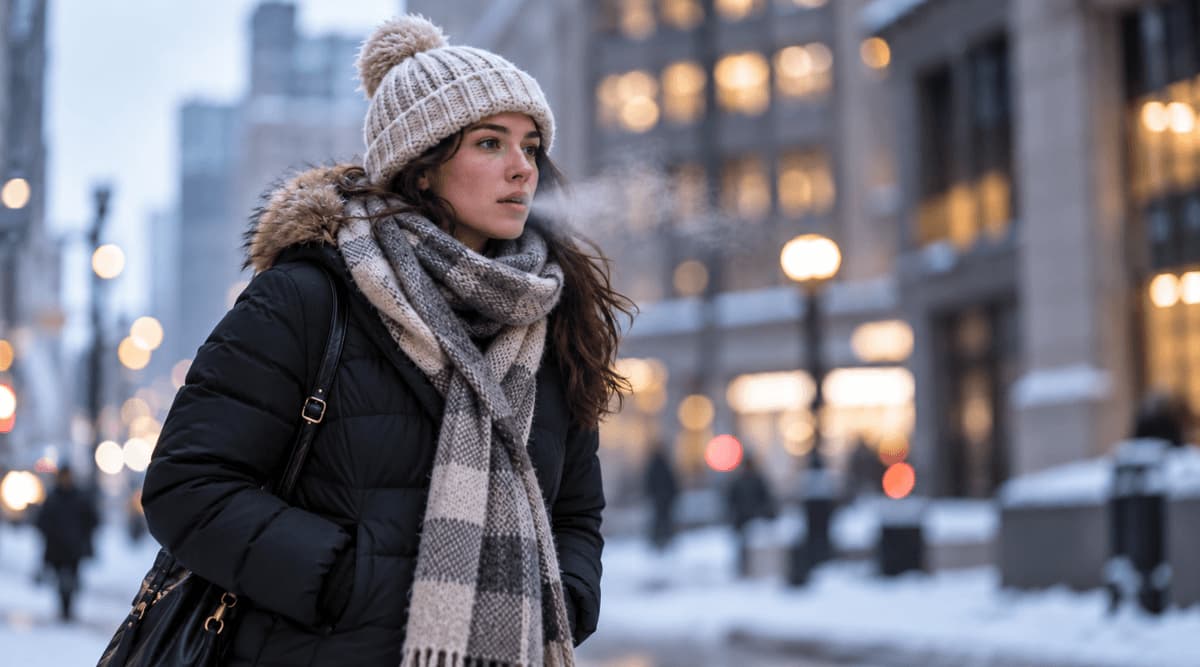
A wind chill warning is now called an Extreme Cold Warning. It means dangerously cold air is expected, with or without wind. The National Weather Service made the switch on October 1, 2024. Your furnace may run almost nonstop in this kind of cold, which pulls more air and dust through its filter.
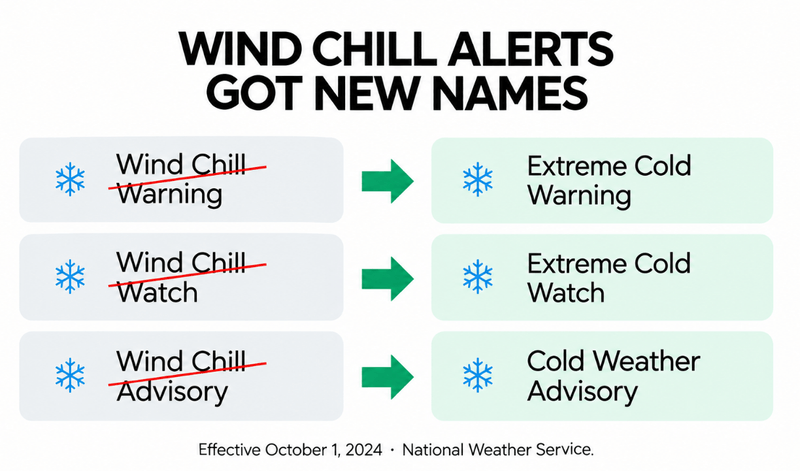
Wind Chill Warning is now an Extreme Cold Warning
Wind Chill Watch is now an Extreme Cold Watch
Wind Chill Advisory is now a Cold Weather Advisory
Take the quick quiz below to match your home with the right filter before the next cold snap.
Fast and free 2-day delivery to most US states.
Answer a few quick questions and we'll match you to the right filter for winter.
TL;DR
The National Weather Service (NWS) stopped issuing wind chill warnings on October 1, 2024. It's now called an Extreme Cold Warning, and the old Watch and Advisory became the Extreme Cold Watch and Cold Weather Advisory. An Extreme Cold Warning means dangerously cold air is on the way, so limit time outdoors and get your home ready.
Key Takeaways
The wind chill warning is retired. Since October 1, 2024, the same alert has been called an Extreme Cold Warning.
Filterbuy's view: act on the Watch, your last calm window to service your home.
Wind chill can't cool pipes below the actual air temperature, but wind does keep your furnace running longer.
A clean furnace filter and working carbon monoxide (CO) alarms do the most to protect your home in extreme cold. Check the filter again once the cold breaks.
What Happened to the Wind Chill Warning?
The wind chill warning wasn't eliminated. It was renamed. On October 1, 2024, the National Weather Service retired its three "wind chill" alerts as part of its Hazard Simplification initiative and replaced them with "extreme cold" alerts. Look for a wind chill warning today and you'll find an Extreme Cold Warning instead. At Filterbuy, we watch these alerts closely because they mark the weeks furnaces work hardest.
The NWS made the switch to correct a common belief that cold is only dangerous when the wind blows (ForecastWatch). The old alerts required a minimum wind speed, so a calm, bitterly cold night could pass without a headline. Today's alerts are based on temperature or wind chill, with no wind threshold at all (NWS Amarillo).
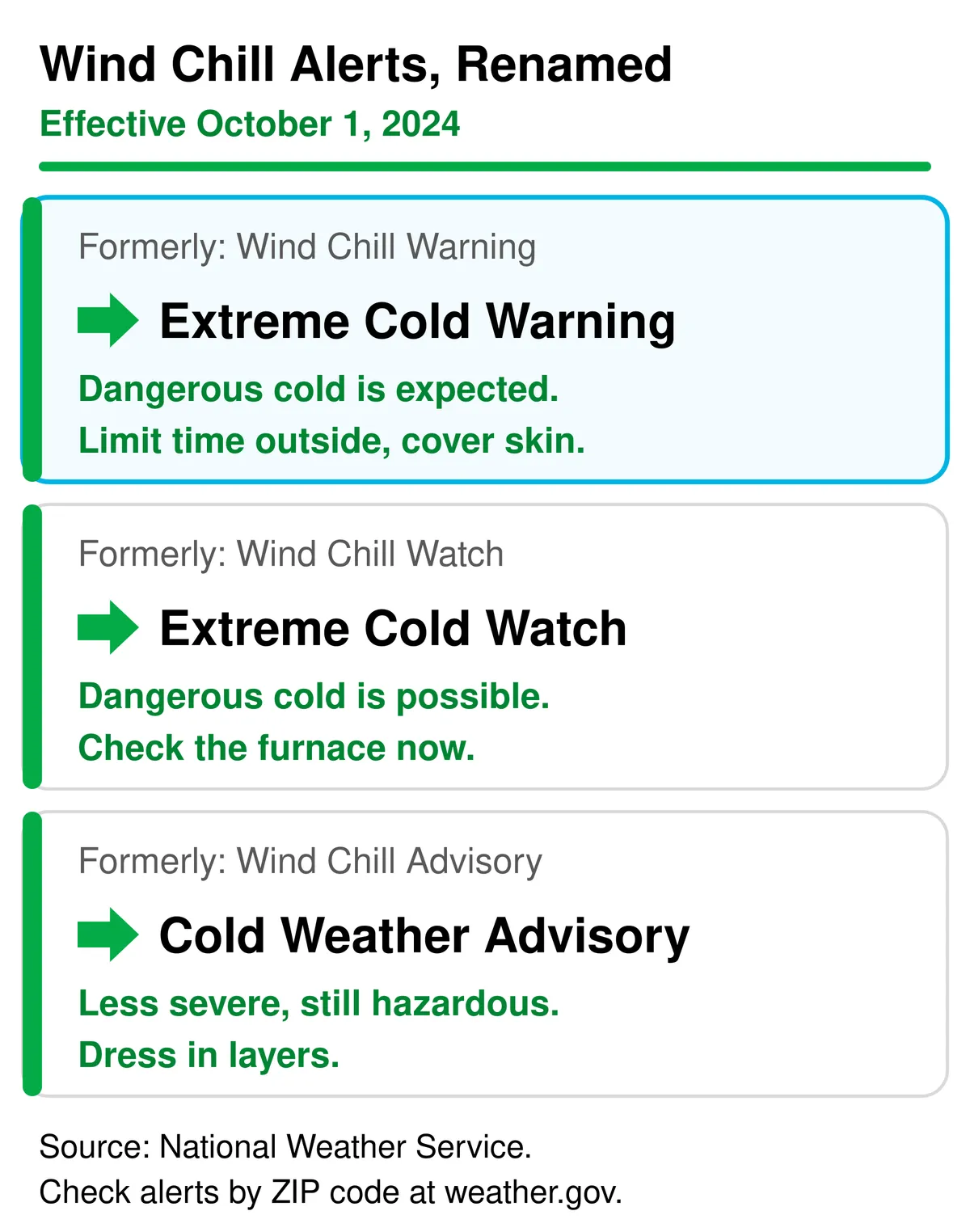
Source: National Weather Service. Renamed alerts took effect October 1, 2024.
What Does an Extreme Cold Warning Mean?
An Extreme Cold Warning means the NWS expects dangerously cold air in your area, with or without wind, cold enough to cause frostbite or hypothermia. While a warning is in effect, stay inside when you can. If you must go out, dress in layers, cover exposed skin, and let someone know where you're headed (Gray News).
What counts as "extreme" depends on where you live, since each NWS office sets its own criteria. The office serving Brown County, South Dakota, issues an Extreme Cold Warning when the feels-like temperature is expected to hit −40°F (Aberdeen Insider). Check for an active warning by ZIP code at weather.gov.
Extreme Cold Watch vs. Warning vs. Cold Weather Advisory
A watch says "get ready," a warning says "act now," and an advisory says "be careful." Because a Watch is issued before the cold arrives, it gives you the best window to prepare.
The rename is good news for homeowners. Calm, frigid nights were always dangerous, and now the alert says so. For us, the Watch is the alert to act on, because it is the last easy window to check the filter before the furnace runs nonstop."
— Michelle Wan, Brand Manager and Air Quality Writer, Filterbuy
How Fast Can Frostbite Happen in Extreme Cold?
Exposed skin can develop frostbite in 30 minutes or less once the wind chill drops to about −19°F. That's what the NWS says you get when 0°F air meets a 15 mph wind (NWS wind chill brochure). Colder wind chills shrink that to 10 minutes, then 5.
Early signs of frostbite include numbness and white or grayish skin on fingers, toes, ear lobes, and the tip of the nose (NWS La Crosse).
Does Wind Chill Affect Your House and HVAC System?
Wind chill doesn't make your house, car, or pipes any colder than the actual air temperature. The NWS notes that objects like car radiators and exposed water pipes can't cool below the real temperature (NWS wind chill brochure). At 5°F with a −20°F wind chill, your pipes face 5°F.
Wind still matters, though. It pushes frigid air through gaps around doors and windows, keeping your heating system running longer and putting pipes in exterior walls and crawl spaces at the most risk.
Most guides skip the next part, which Filterbuy knows best as a filter maker. A furnace that runs nearly nonstop pulls more air, and more dust, through its filter in a few days than it might in weeks of mild weather. In our winter filter guide, the Filterbuy team calls winter the season most homeowners underestimate:
"A filter that looks fine in October can be completely choked by December, and that's when we see the most avoidable furnace failures."
"When a cold snap hits, the first no-heat calls I get are usually about filters. The furnace has been running almost nonstop, the filter loads up, airflow drops, and the high-limit switch keeps shutting the burners off until the system locks out. On high-efficiency furnaces I also find frozen condensate lines and snow-packed vent pipes, and a quick filter and vent check during the Watch prevents a lot of those calls."
— David Clark, Licensed HVAC Technician, Filterbuy HVAC Solutions
How to Prepare Your Home for an Extreme Cold Warning
The best time to get ready is during the Extreme Cold Watch, before temperatures bottom out. At Filterbuy, we treat a Watch as a maintenance alert.
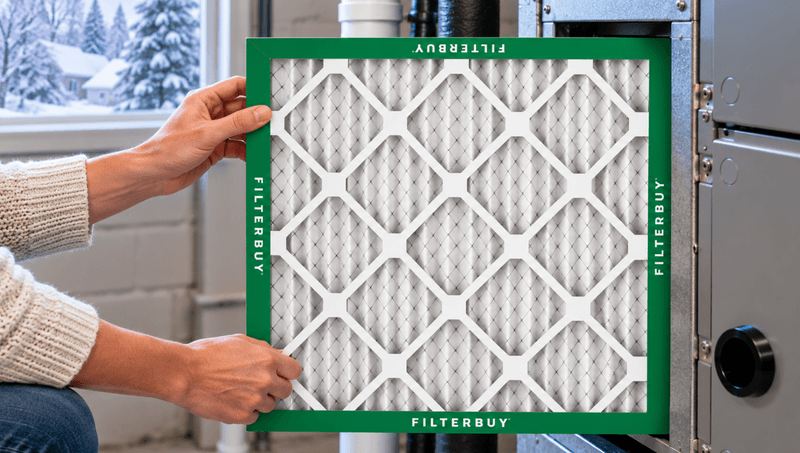
Check your furnace filter. A clogged filter restricts airflow and can make your furnace overheat and shut down right when you need heat most. Learn the signs your furnace filter is clogged, and keep a spare on hand. Filterbuy cuts, pleats, and frames air filters in more than 600 sizes to order in its own U.S. plants, and filter auto-delivery can keep fresh ones arriving on schedule. Unsure of your size? See how to measure your air filter.
Keep the thermostat at 55°F or higher. Even if you're leaving home, keeping the heat at 55°F or above helps prevent frozen pipes (Wisconsin DHS).
Protect vulnerable pipes. Open sink cabinets on exterior walls and let faucets drip. Insulate exposed pipes before the cold arrives, and never thaw a frozen pipe with an open flame.
Test your carbon monoxide and smoke alarms. Install battery-backed CO alarms on every level and outside sleeping areas.
Run generators outdoors only. The CDC says to keep generators at least 20 feet from doors, windows, and vents.
Never heat your home with an oven or stove. Keep space heaters 3 feet from anything that can burn, and plug them straight into the wall.
Clear outdoor vents and exhaust pipes. Drifting snow can block the pipes on high-efficiency furnaces, which can shut the furnace down or let CO build up inside.
What to Do Before, During, and After an Extreme Cold Warning
Most cold-weather advice ends when the warning does, but your furnace filter and pipes deserve a second look once the cold breaks.
For the rest of the system, see Filterbuy's cold snap furnace guide.
Keep Your Indoor Air Healthy While the House Is Sealed Up
When extreme cold keeps the windows shut, the same indoor air gets recirculated far more than usual. A clean filter that fits its slot exactly catches more dust and dander on every pass. Read Filterbuy's guide to why indoor air quality gets worse in winter. One honest note from a filter company: standard air filters don't remove carbon monoxide, so CO alarms stay essential even with great filtration.
Supporting Statistics
1.More Than 18,000 Americans Died From Cold-Related Causes Between 1979 and 2014
According to the U.S. Environmental Protection Agency (EPA), more than 18,000 Americans died from cold-related causes between 1979 and 2014, based on death certificate records. Older adults, infants, people with pre-existing medical conditions, and those without adequate home heating are particularly vulnerable. During extreme cold, check on family members and neighbors who may need extra assistance.
2. More Than Half of Carbon Monoxide Deaths Happen From November Through February
According to the U.S. Consumer Product Safety Commission (CPSC), more than half of U.S. carbon monoxide deaths occur in November, December, January, and February (CPSC, 2024). That's why CO alarms and clear vents made our prep list.
3. Nearly Half of Home Energy Goes to Heating and Cooling
ENERGY STAR, the joint EPA and Department of Energy program, says nearly half of the energy used in a home goes to heating and cooling (ENERGY STAR). It advises monthly filter checks in winter.
Frequently Asked Questions
Does the National Weather Service Still Issue Wind Chill Warnings?
No. Since October 1, 2024, it has been called an Extreme Cold Warning, and wind chill still factors in.
What Temperature Triggers an Extreme Cold Warning?
It varies, since each NWS office sets its own threshold. Some northern Plains offices use a −40°F feels-like temperature.
Should I Change My Furnace Filter Before an Extreme Cold Warning?
Yes, if it's dirty or near the end of its life. Your furnace runs much longer in extreme cold, and a clogged filter can force it to shut down. See Filterbuy's guide on how often to change your furnace filter in winter.
What Temperature Should I Keep My House at During an Extreme Cold Warning?
Never let it drop below 55°F, even when you're away, since that's the minimum the Wisconsin Department of Health Services recommends to help prevent frozen pipes (Wisconsin DHS). If you're home, Filterbuy's cold snap furnace guide suggests keeping the thermostat at 68°F or higher and avoiding big swings, which helps the furnace keep up without straining.
Can a Furnace Stop Working in Extreme Cold?
Yes, and a clogged filter is one of the most common reasons. When airflow is restricted, heat builds up inside the furnace until a safety switch shuts it off, and the cycle can repeat until the system locks out. Snow blocking the vent pipes on a high-efficiency furnace can shut it down too. Filterbuy's guide to the signs your furnace filter is clogged explains what to look for.
Glossary
National Weather Service (NWS): The U.S. federal agency, part of NOAA, that issues official forecasts and weather alerts.
Wind chill warning: A retired NWS alert, renamed the Extreme Cold Warning on October 1, 2024.
Extreme Cold Warning: The current NWS alert issued when dangerously cold air, with or without wind, is expected.
Extreme Cold Watch: The current NWS alert issued when dangerously cold air, with or without wind, is possible; formerly the Wind Chill Watch.
Cold Weather Advisory: The current NWS alert for hazardous but less severe cold; formerly the Wind Chill Advisory.
Wind chill: The "feels-like" temperature on exposed skin from the combined effect of cold air and wind.
Frostbite: Injury from frozen skin and underlying tissue, most often on fingers, toes, ears, and the nose.
Hypothermia: A dangerous drop in body temperature from prolonged cold exposure.
Carbon monoxide (CO): An odorless, colorless, poisonous gas made by burning fuel.
Furnace filter: The air filter in a forced-air heating system that captures airborne particles and protects the blower.
Hazard Simplification initiative: The NWS program behind the 2024 cold-alert renaming.
HVAC: Heating, ventilation, and air conditioning.
EPA, CDC, and CPSC: The U.S. Environmental Protection Agency, Centers for Disease Control and Prevention, and Consumer Product Safety Commission.
ENERGY STAR: The joint EPA and Department of Energy efficiency program.
Sources
National Weather Service Amarillo, Cold Criteria Changes in Effect October 1, 2024
National Weather Service, Wind Chill brochure
National Weather Service, Wind Chill Temperature Index brochure
National Weather Service La Crosse, Wind Chill chart
ForecastWatch, NWS Changes Winter Weather Headlines
Gray News, Why there won't be any wind chill warnings this winter
Aberdeen Insider, National Weather Service gives wind chill the cold shoulder
Wisconsin Department of Health Services, Extreme Cold Safety
U.S. Consumer Product Safety Commission, Stay Safe While Staying Warm This Winter (2024)
ENERGY STAR, Heat & Cool Efficiently