May 5, 2026

Start here
When smoke moves in, four actions do most of the work: close the house up, keep indoor air moving through a filter, stop adding particles indoors, and pick one room to keep cleanest.
Everything below is ordered by what it costs you. The first tier is free and takes about ten minutes.
Most smoke advice arrives as a flat list, which is unhelpful when the sky turns orange and you have twenty minutes. These are grouped by what they cost, because that's usually the constraint.
Trying to keep an entire house clean during a multi-day smoke event is a losing battle. The EPA's guidance is to concentrate your effort on a single room instead — one you can actually keep sealed and filtered.
Picking the room
Setting it up
A note on DIY box-fan air cleaners
Taping a filter to a box fan is a widely discussed low-cost option, and researchers have measured meaningful particle reduction from properly built versions. It also involves running a fan under added airflow resistance for days at a time, so build details and fan selection matter for safety — not all box fans are suitable.
If you're considering one, follow current guidance from the EPA or your state health department rather than a generic tutorial. Start with EPA's smoke preparation guidance.
Smoke season generates a lot of advice. These are the ones worth ignoring.
| The suggestion | Why to skip it |
|---|---|
| Ozone generators and "air sanitizers" | Ozone is itself a regulated air pollutant. The EPA does not recommend using ozone generators in occupied spaces. |
| Houseplants | The volume of air a plant processes is nowhere near what's needed to affect a room's particle load. |
| "Airing out the house" mid-event | Reasonable instinct, wrong timing. Wait for outdoor readings to actually improve, then flush the house. |
| Cloth or surgical masks | Not designed to filter fine particles, and they don't seal to the face. |
| Judging by smell or visibility | The particles that matter are invisible, and smoke odor lingers on fabric and surfaces well after PM2.5 has come back down. Use a monitor. |
| Washing a disposable filter | Pleated disposable filters aren't washable. Wetting one damages the media and can leave you running a compromised filter. |
Wildfire smoke is a mix of gases and fine particulate matter. The fraction called PM2.5 — particles 2.5 micrometers across and smaller — is what air quality agencies track during smoke events, because particles that size stay airborne a long time and travel deep into the respiratory tract. EPA: particulate matter basics
Public health agencies identify some groups as more sensitive to particle pollution than others, including children, older adults, people who are pregnant, and people with existing heart or lung conditions. If you're in one of those groups, the useful move is a conversation with your healthcare provider before smoke season, so you have a plan and any medications you need already on hand.
For what current research says about exposure and health, see AirNow's air quality and health resources and guidance from your state or local health department.
Want this narrowed down to your home?
Answer five quick questions about your space and we'll put together an air quality guide for your situation — including what to prioritize when smoke moves in.
MERV — Minimum Efficiency Reporting Value — describes the size range of airborne particles a filter captures as air passes through it. Higher MERV means the filter captures a wider range of smaller particles. A filter only acts on air that actually moves through it, which is why the fan setting matters as much as the rating.
What the EPA recommends
For smoky periods, the EPA recommends upgrading to an HVAC filter rated MERV 13 or higher, and notes that most furnaces and HVAC systems can accommodate one without equipment problems provided the filter is replaced frequently. It also advises that a professional HVAC technician can determine the most efficient filter a given system can use, and that the filter should be replaced when it appears dirty — dark brown or black — which may be sooner than the manufacturer's normal interval. See the EPA guidance.
Three things that matter more during smoke than any other time of year:
A filter captures particles. Wildfire smoke also contains gases and odor compounds that particle filtration doesn't address, which is why filtration works best alongside keeping the house closed up and running a portable air cleaner in the room you use most.
Choosing a rating for your system
We cover filter selection in depth on separate pages:
What's the single most useful thing I can do right now?
Close the house up and switch your thermostat fan from Auto to On. It costs nothing, takes a minute, and it's the difference between air reaching your filter a few times an hour and a few times a day.
Should I set my HVAC to recirculate?
Most residential systems don't have a recirculate setting — that's an automotive control. A typical home system already recirculates indoor air by default. What you want is the fan on On and, if your home has an outdoor air damper or economizer, that damper closed.
Do I need a clean room if I already upgraded my filter?
They do different jobs. A central filter treats the whole house at whatever rate your blower moves air. A clean room concentrates filtration into one space, which is why it's the better use of a limited budget during a long event — especially for the room you sleep in.
How do I know if any of this is working?
An indoor PM2.5 monitor is the only way to actually tell. Compare your indoor reading against the outdoor reading on the AirNow Fire and Smoke Map. If the gap isn't widening after you've closed up and set the fan to On, look for bypass around the filter or air leakage.
How often should I change my filter during a smoke event?
More often than usual. EPA guidance is to replace it when it appears dirty — dark brown or black — rather than waiting for the normal interval. Inspect it regularly while smoke is heavy, and keep spares on hand before the season starts.
When can I open the windows again?
Once outdoor readings have genuinely come down — not just when the sky looks better. Then open up and flush the house, since indoor air lags outdoor air and the particles that came in during the event stay until they're filtered out or ventilated out. That's also the moment to swap the smoke-loaded filter.
This page is general information about air quality and filtration. It isn't medical advice. For questions about your own health or a specific condition, talk to a qualified healthcare professional. For questions about what your HVAC system can handle, talk to a licensed HVAC technician. During an active wildfire, follow direction from your local emergency management agency.
Limit outdoor activities during poor air quality days to reduce exposure to wildfire smoke.
Invest in a high-quality air purifier and MERV-13 filters from Filterbuy for your home to ensure clean indoor air.
Wear an N95 mask when outdoors to protect your lungs from harmful particles.
Seal windows and doors to prevent smoke from entering your home.
Stay informed about air quality levels in your area using reliable apps or websites.
Wildfire smoke is a complex mix of fine particulate matter, carbon monoxide, volatile organic compounds, and other harmful pollutants. These components can remain airborne long after the fire has subsided, infiltrating homes and affecting indoor air quality.
PM2.5 particles can severely irritate the respiratory system, causing symptoms like coughing, wheezing, and shortness of breath. They are particularly harmful to children, seniors, and individuals with pre-existing respiratory conditions such as asthma or chronic obstructive pulmonary disease (COPD).
The dangers extend beyond the lungs. Long-term exposure to wildfire smoke is linked to increased risks of strokes and heart attacks. PM2.5 particles can impair blood flow and place additional strain on the cardiovascular system.
Emerging research suggests that wildfire smoke could lead to inflammation in the brain, contributing to cognitive decline and increasing the risk of conditions such as Alzheimer’s and dementia.
Other potential health consequences include:
Impaired kidney function
Hormonal imbalances
Adverse pregnancy outcomes
Protecting yourself from these risks requires proactive measures. Below, we outline effective ways to safeguard your indoor air.
The Environmental Protection Agency (EPA) strongly recommends using MERV 13-rated filters for HVAC systems during wildfire season. Here’s why:
These high-efficiency filters can block up to 95% of PM2.5 particles, significantly improving indoor air quality.
MERV 13 filters are also capable of filtering allergens, bacteria, and even some viruses.
Consult an Expert: Before upgrading, consult an HVAC technician to confirm that your system can handle a MERV 13 filter.
Replace Regularly: Replace or clean the filter frequently, especially during wildfire events, to maintain efficiency.
Seal Fresh-Air Intakes: Close HVAC fresh-air intake vents to prevent outdoor smoke from entering your system.
For quality filters, companies like Filterbuy offer MERV 13 filters that are compatible with a wide range of HVAC systems and available for fast delivery.
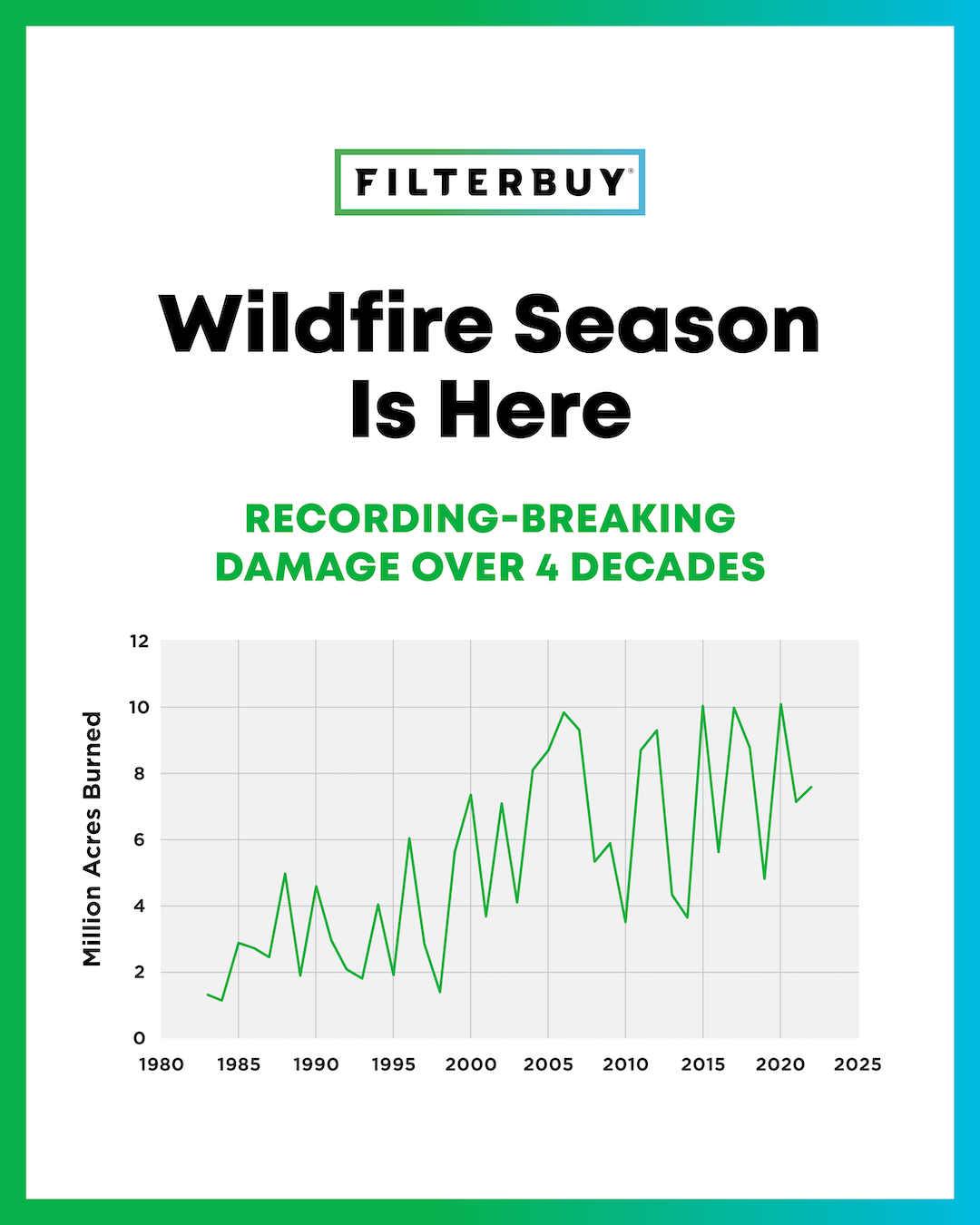
A clean room acts as your sanctuary during smoke-filled days. Here’s how to set one up:
1. Seal Entry Points:
Use weatherstripping or draft blockers to seal gaps around windows and doors.
2. Use Air Purifiers:
Place a portable air purifier in the room, preferably one with a HEPA or MERV 13 filter.
3. Minimize Indoor Pollutants:
Refrain from frying or broiling food.
Avoid burning candles or using wood stoves.
4. Set HVAC to Recirculate:
Switch your HVAC system to recirculate mode to limit outdoor air infiltration.
By implementing these steps, you can create a safe space that keeps your indoor air clean and healthy.
DIY air cleaners, like the Corsi-Rosenthal Box, are affordable and effective for smoky conditions. With a basic box fan and a MERV 13 filter, you can make your own air cleaner in minutes.
Attach a MERV 13 filter to the intake side of a box fan.
Seal the edges with tape to ensure that all air passes through the filter.
Place the device in your designated clean room.
This DIY solution not only saves money but also provides reliable filtration when facing poor air quality caused by wildfire smoke.
Beyond filters and clean rooms, consider these supplemental measures to further enhance your air quality:
Smoke particles can sneak through tiny gaps. Use caulking or sealing materials to block potential entry points in walls, windows, and attics.
Invest in an indoor air quality monitor to track PM2.5 levels in real time. Devices like these help you take immediate action when pollution levels rise.
Clean surfaces with damp cloths to trap and remove particles.
Vacuum carpets with HEPA-filter vacuums to minimize dust build-up.
These practices will ensure that your indoor environment remains safer during wildfire events.
Shielding yourself from wildfire smoke isn’t just about short-term measures. Long-term preparation is crucial:
Equip your home with high-efficiency filters and air purifiers before wildfire season begins.
Stay informed through reliable air quality alerts, such as AirNow.gov.
Share knowledge about wildfire smoke preparedness with friends and family to encourage wider community protection.
The combination of preparation and consistent actions can lead to a healthier and safer environment for years to come.
Wildfire smoke is a serious but manageable health challenge. By upgrading to MERV 13 filters, setting up a clean room, and using cost-effective solutions like the Corsi-Rosenthal Box, you can significantly improve your indoor air quality.
Start protecting your home today. Visit Filterbuy to explore high-efficiency air filters tailored to your needs. Don’t wait until wildfire season hits—breathe easier now.
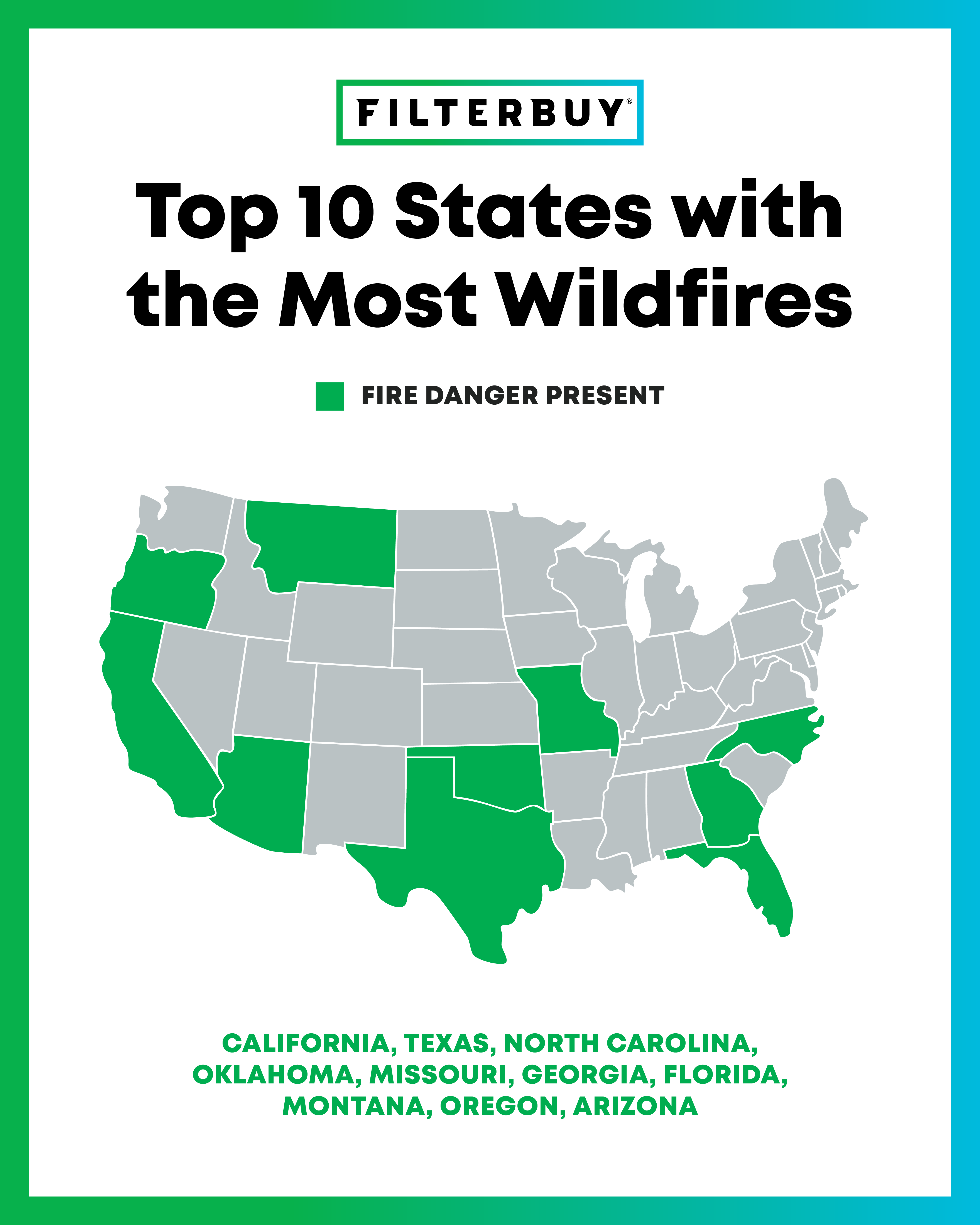
Wildfire smoke contains tiny particles, primarily PM2.5, which can irritate the respiratory system, trigger asthma attacks, and exacerbate chronic conditions like COPD. Prolonged exposure to these particles can lead to more serious health issues, including heart disease, stroke, and neurological decline. It’s essential to take preventive steps, such as improving indoor air quality, to minimize long-term health risks from wildfire smoke.
Wildfire smoke increases the risk of heart attacks and strokes. Fine particulate matter, such as PM2.5, can enter the bloodstream and restrict blood flow, leading to higher cardiovascular stress. The risk is particularly significant for those with pre-existing heart conditions, the elderly, and children. Protecting your indoor environment by using high-efficiency air filters can help reduce exposure to these harmful particles.
To protect your lungs from wildfire smoke, ensure that your home is equipped with high-efficiency filters like MERV 13 filters, which are recommended by the EPA to trap 95% of airborne particles. Additionally, creating a clean room in your home, sealing entry points, and using air purifiers can minimize exposure to smoke and improve indoor air quality. Regularly cleaning your HVAC system and replacing filters will also help reduce the buildup of harmful pollutants.
MERV 13 filters are designed to capture fine particles, such as PM2.5, which are commonly found in wildfire smoke. These filters can trap up to 95% of airborne pollutants, significantly improving indoor air quality. The EPA recommends upgrading to MERV 13 filters during wildfire seasons to help prevent harmful particles from infiltrating your living space. Filterbuy offers high-quality MERV 13 filters to ensure your home is equipped with the best protection against smoke and pollutants.
Before installing a MERV 13 filter, it’s important to consult with an HVAC professional to ensure that the filter is compatible with your system. MERV 13 filters are highly effective at trapping small particles, but they may require additional airflow to function optimally. A qualified technician can assess your HVAC system’s compatibility and help you choose the best filter for your home’s needs. Filterbuy provides a wide selection of MERV 13 filters to fit various HVAC systems.
A clean room is a designated space in your home where you can isolate yourself from harmful pollutants during wildfire events. To create a clean room, seal gaps around doors and windows, use a portable air purifier with a MERV 13 filter, and avoid activities that generate additional pollutants, such as cooking or burning candles. By ensuring that your clean room is properly set up, you can reduce exposure to wildfire smoke and breathe cleaner air indoors.
Yes, monitoring indoor air quality is crucial, especially during wildfire season. Investing in an indoor air quality monitor allows you to track PM2.5 levels in real time, so you can take action when levels rise. If your air quality monitor detects high concentrations of harmful particles, you can take immediate steps such as turning on air purifiers, sealing windows, or staying indoors in your clean room. Regular monitoring helps ensure that your environment remains safe for breathing.
Yes, weatherstripping is an effective way to seal your home and prevent wildfire smoke from infiltrating. By applying weatherstripping to doors and windows, you can reduce the number of gaps where smoke particles may enter. Combined with high-efficiency filters and air purifiers, weatherstripping can significantly improve the indoor air quality and reduce your exposure to harmful pollutants.
During wildfire season, it’s recommended to replace your HVAC filters every 1–2 months, as the heavy presence of smoke particles can quickly clog the filters. Regular maintenance, such as cleaning or replacing your MERV 13 filters, will ensure that your HVAC system continues to trap harmful particles effectively. Filterbuy offers a range of high-quality MERV 13 filters to keep your home’s air clean and breathable, especially during peak wildfire periods.
One of the best ways to protect your community is by sharing resources and information about how to reduce exposure to wildfire smoke. Encourage your neighbors to invest in MERV 13 filters, create clean rooms, and monitor indoor air quality. You can also organize community workshops or share links to trusted websites like the EPA to help others understand the health risks associated with wildfire smoke and how they can protect themselves.
Filterbuy is your trusted source for high-quality MERV 13 filters that are perfect for combating wildfire smoke. Their filters are designed to capture fine particles, including PM2.5, ensuring that your indoor air stays clean and safe. Visit Filterbuy to browse their selection of MERV 13 filters and find the perfect fit for your HVAC system. Whether you need filters for a home or office, Filterbuy has you covered.
