May 5, 2026
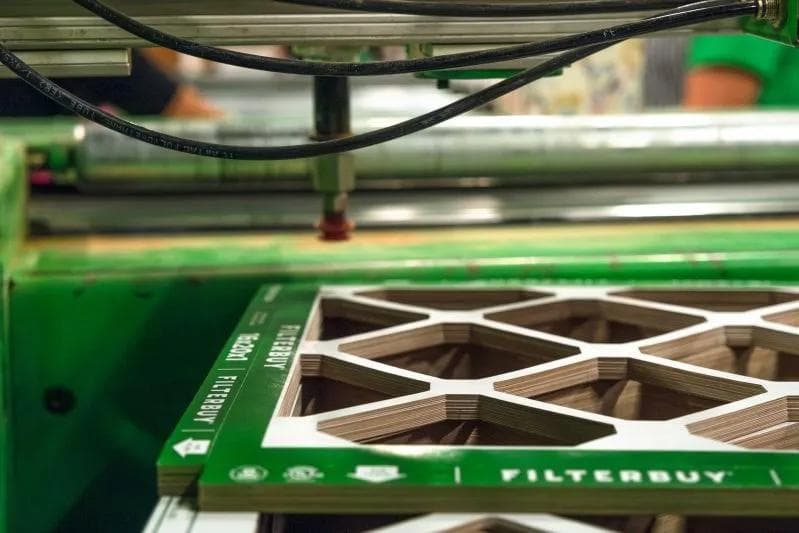
At Filterbuy, we’ve seen firsthand how the right industrial filter can make or break the efficiency of a commercial system. From extending equipment lifespan to preventing costly downtime, industrial filtration isn’t just a technical detail—it’s a strategic investment. Yet, many businesses still don’t realize how much hinges on choosing the right type of filter for their system. That’s why we created this guide: to share real-world insights based on years of experience supplying high-performance filters across industries. We’ll walk you through the different types of industrial filters, how each one works, and the key reasons they matter—so you can avoid common pitfalls and make smarter, more cost-effective choices.
The right filter = better performance
Increases efficiency, extends system life, and improves air quality.
Wrong filter = costly problems.
Leads to breakdowns, higher energy bills, and compliance issues.
Upgrades save money
Case studies show major savings on downtime and maintenance.
Backed by trusted sources
Supported by ASHRAE, IFMA, and IEA data.
Filterbuy delivers expert help.
Custom filters, smart advice, and proactive planning.
Industrial filters are essential components in commercial systems, helping to maintain air quality, protect machinery, and optimize overall system performance. At Filterbuy, we’ve worked with clients across industries—manufacturing, healthcare, food processing, and HVAC—to identify the right filtration solutions based on specific operational demands.
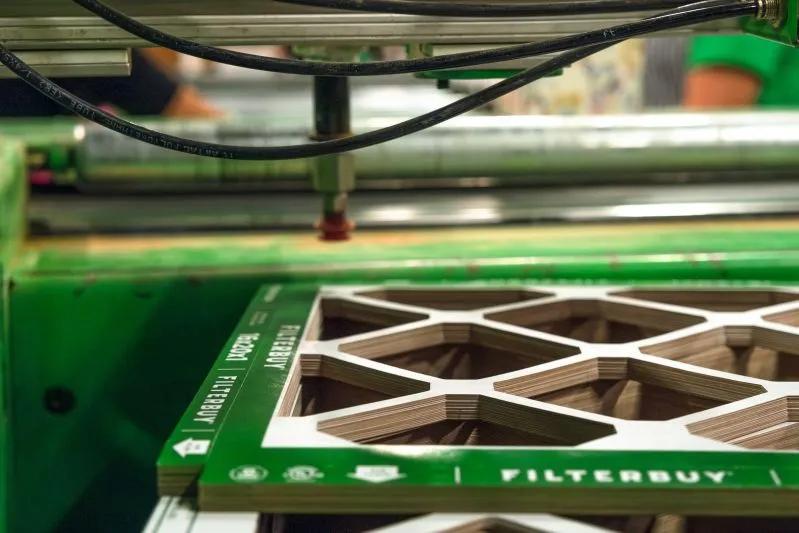
Air Filters – Used in HVAC systems and cleanrooms, these filters trap airborne particles like dust, pollen, and mold. MERV-rated filters, including HEPA and ULPA variants, are critical for maintaining indoor air quality and equipment cleanliness.
Liquid Filters – Found in manufacturing and chemical processing, these remove impurities from fluids such as water, oil, or coolants, ensuring consistent product quality and preventing system corrosion.
Gas Filters – Often used in laboratories and power plants, gas filters remove harmful contaminants from gases, protecting sensitive instruments and maintaining safety.
Dust Collection Filters – Essential in industrial environments with heavy particulate generation (e.g., woodworking or mining), these filters capture fine dust to keep air breathable and equipment safe.
Using the wrong filter—or neglecting replacement—can lead to reduced efficiency, equipment damage, regulatory violations, and even health risks. We’ve helped businesses reduce maintenance costs and downtime simply by upgrading to the correct filter type and MERV rating for their specific application.
Filterbuy's industry expertise and product range empower facility managers and engineers to make informed decisions backed by real-world performance data, not guesswork.
Challenge:
Frequent HVAC failures
Flour dust clogging low-MERV filters
Unplanned downtime and rising maintenance costs
What We Found:
Filters were mismatched for fine particulate
System airflow was compromised.
What We Did:
Upgraded to MERV 13 pleated filters
Ensured compatibility with airflow requirements
Results:
28% reduction in equipment downtime (within 90 days)
$11,000+ savings per quarter in maintenance
Passed air quality inspection with zero violations
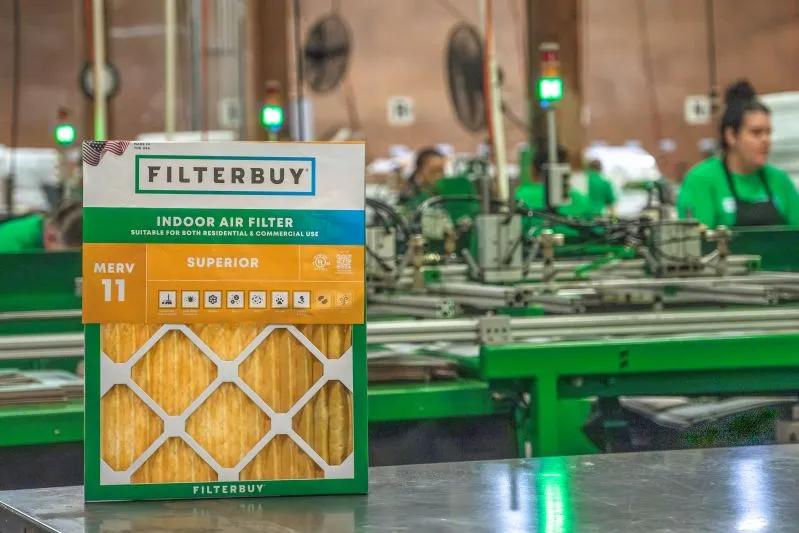
“After working with hundreds of industrial clients across manufacturing, healthcare, and energy sectors, we’ve seen one common truth—filter failures aren’t just about the product, they’re about fit. The right industrial filter isn’t just a safeguard; it’s a performance enhancer. When you match the filter to the environment, everything from energy efficiency to compliance improves—and that’s where real ROI begins.”
ASHRAE reports that proper filtration improves indoor air quality and lowers HVAC energy use.
Reduced ventilation demand = lower utility costs.
Source: ASHRAE Position Document on Filtration and Air Cleaning (2024)
Filterbuy Insight: ✔ We've helped clients improve IAQ and cut energy bills after switching to MERV 13+ filters.
IFMA shows regular filter replacement extends equipment life.
Preventive maintenance lowers repair costs and downtime.
Source: IFMA Report on Economic Value of Preventive Maintenance
Filterbuy Insight:
✔ Clients saw up to 30% less HVAC downtime after we implemented scheduled filter change plans.
IEA confirms energy-efficient filtration reduces industrial energy use and emissions.
High-performance filters = less HVAC strain.
Filterbuy Insight:
✔ Our industrial clients report lower utility costs and greener operations with optimized filters.
At Filterbuy, we've seen one thing hold across all industries: The right filter isn’t just a part—it’s a performance driver.
Filtration impacts system efficiency, safety, and operating costs.
Generic filters often fail because they don’t match system requirements.
Industry-specific demands require custom-fit solutions, not one-size-fits-all fixes.
Treat filtration as a strategic choice, not just a routine task.
Why it matters:
Reduces equipment downtime
Protects worker health
Lower utility bills
Helps meet air quality and compliance standards
✔ The research proves it.
✔ Our clients experience it.
We’re not here just to sell filters—we help you build smarter, more efficient operations.
Take action to improve your filtration system today:
Review filter size, type, and MERV rating.
Look for signs of poor performance (dust, high energy bills, system strain).
Need help? Ask about our free filter audit.
Browse air, liquid, gas, and dust filters.
Use our filter finder to match your specs.
We also offer custom sizes for unique systems.
Get tailored advice from our team.
Find the best filter for your needs and budget.
Call or start a live chat anytime.
Keep systems running with regular filter changes.
Enroll in auto-ship for hassle-free delivery.
Save time, reduce downtime, and avoid last-minute replacements.
Industrial filters are devices used to remove contaminants, such as dust, debris, chemicals, and particulates, from air, gas, or liquids in commercial and industrial systems. They work by forcing air or fluid through a filter media that traps harmful particles, improving system performance and protecting equipment.
The most common types include:
Air filters (used in HVAC and cleanrooms)
Liquid filters (used in manufacturing and chemical processing)
Gas filters (used in labs and refineries)
Dust collection filters (used in woodworking, mining, and industrial shops) Each serves a specific role in maintaining clean, safe, and efficient operations.
They protect equipment from wear and contamination, improve air and fluid quality, and help companies meet regulatory standards. Poor filtration can lead to higher energy usage, unplanned downtime, and safety issues.
Replacement frequency depends on the application, environment, and filter type.
HVAC filters: every 1–3 months
Dust filters: when the pressure drop exceeds limits
Liquid filters: per system specs or when flow decreases Regular monitoring and preventive maintenance help optimize filter lifespan.
Start by identifying:
The type of contaminant (dust, oil, chemical, etc.)
The required efficiency (e.g., MERV rating for air filters)
System specs like pressure, flow rate, and tolerance levels For best results, consult with a filtration expert or supplier like Filterbuy, who can help match your needs with the correct filter solution.
