
The Hottest City in Every State (2026 Update)
May 26, 2026

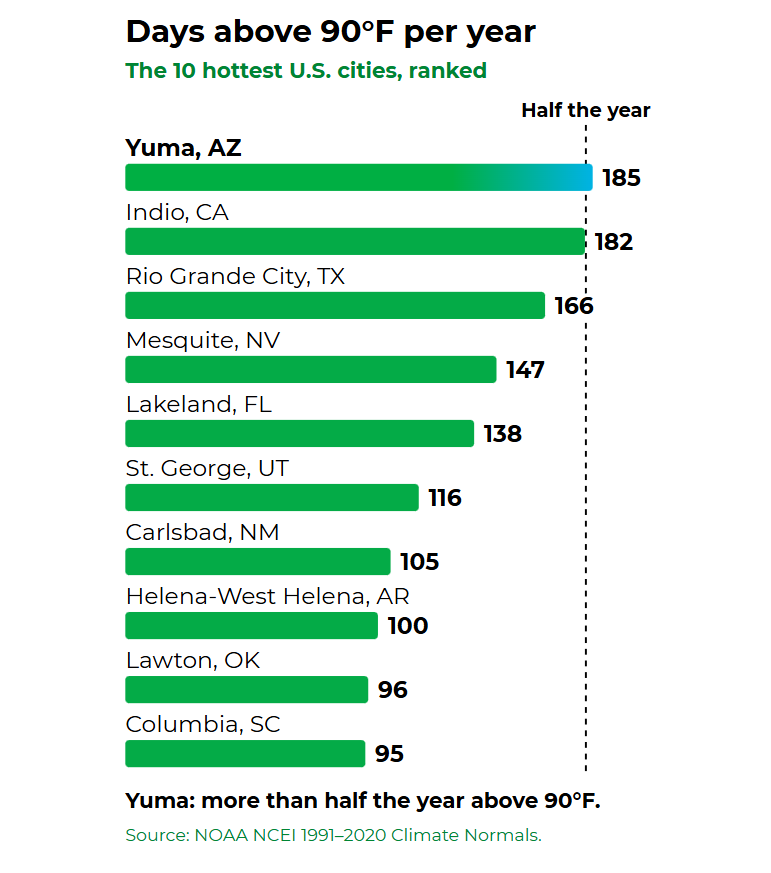
Yuma, Arizona is the hottest city in the U.S., averaging 185 days a year above 90°F and 124 days above 100°F. We ranked the hottest city in all 50 states by average days above 90°F, using NOAA's 1991–2020 Climate Normals.
At the other end, Fairbanks, Alaska averages zero days above 90°F. In the hottest cities, the AC runs almost nonstop, and filters clog faster. Take the quick quiz below to find a cooling fit for your home.
Long, hot summers?
Answer a few quick questions and we'll point you to the right fit for your space.
Across the Nation | By David Heacock | Data current as of 2026, based on NOAA's 1991 to 2020 Climate Normals
Yuma, Arizona is the hottest city among all 50 state entries in this study, averaging 185 days a year above 90°F and 124 days above 100°F, according to NOAA's Climate Normals dataset.
On the opposite end, Fairbanks, Alaska, never records a single day above 90°F in a typical year.
Between those two extremes, every state has its own hottest city, and the gap between them is widening as U.S. summers grow longer and more intense.
Why summers keep getting hotter
Global temperatures have been climbing for decades. Every year since 1977 has run warmer than the 20th century average, and the gap keeps widening.
2024 is now the warmest year on record, at 1.29°C (2.32°F) above the 20th century average, the highest figure in NOAA's 1850 to 2024 climate record.
2025 came in third warmest, behind only 2023 and 2024, meaning the ten warmest years ever measured have all occurred within the past decade.
The contiguous U.S. had its warmest year in 130 years of record-keeping during 2024, with 17 states from the Plains to the Appalachians setting individual warmest year on record marks.
What's changing on the ground
The impacts of that warming are already visible in faster sea ice depletion, accelerating sea level rise, and more frequent, more intense heat waves. High temperature extremes keep becoming more common while cold extremes keep becoming rarer.
In a recent full year of NOAA data, nearly half the country recorded maximum temperatures in the upper 10th percentile of the local historical record, while no part of the U.S. recorded low temperatures in the bottom 10th percentile.
Scientists expect this trend to continue, with the western and central U.S. projected to see the most frequent and extreme summer heat waves going forward.
Which states are warming fastest
Rhode Island has recorded the largest average temperature increase of any state, at 3.6°F above the 20th century average. Maine, Arizona, Connecticut, Delaware, Massachusetts, California, and New Jersey show similarly large increases. Only Arkansas and Oklahoma have recorded slightly cooler averages than last century's baseline, at negative 0.2°F and negative 0.1°F respectively.
DID YOU KNOW? Filterbuy's MERV 13 air filters stop 98% of airborne particles from entering your home. Keep the air in your home healthy and clean with Filterbuy .
Methodology
To build the Filterbuy Hottest Cities Index, researchers analyzed NOAA National Centers for Environmental Information (NCEI) Climate Normals data. Climate Normals are 30-year averages of climatological variables, including temperature and precipitation.
Within each state, researchers ranked cities by the greatest long-term average number of days per year at or above 90°F. They also calculated the long-term average number of days per year at or above 100°F, the average summer high temperature, and the average summer low temperature. Only cities with populations of 10,000 or greater were included.
This data reflects NOAA's 1991 to 2020 Climate Normals, the most recent 30-year dataset available. NOAA releases a new edition roughly once a decade, so the next update is expected in 2031. The rankings and averages below won't change until that new dataset is published, even as the intervening years bring individual record-breaking days or seasons.
The 10 hottest cities in the U.S.
Ranked by average number of days per year above 90°F:
| Rank | City, State | Days ≥90°F/yr | Days ≥100°F/yr | Avg. summer high |
|---|---|---|---|---|
| 1 | Yuma, AZ | 185 | 124 | 107.5°F |
| 2 | Indio, CA | 182 | 117 | 105.7°F |
| 3 | Rio Grande City, TX | 166 | 44 | 98.1°F |
| 4 | Mesquite, NV | 147 | 100 | 105.2°F |
| 5 | Lakeland, FL | 138 | 1 | 93.8°F |
| 6 | St. George, UT | 116 | 46 | 98.7°F |
| 7 | Carlsbad, NM | 105 | 21 | 94.6°F |
| 8 | Helena-West Helena, AR | 100 | 11 | 94.1°F |
| 9 | Lawton, OK | 96 | 27 | 95.3°F |
| 10 | Columbia, SC | 95 | 12 | 93.5°F |
Quick answers
What is the hottest city in the United States? Yuma, Arizona, averaging 185 days a year above 90°F and 124 days above 100°F, the highest totals of any city in this study.
What state has the most 100°F+ days per year? Arizona, where Yuma averages 124 days a year above 100°F, followed by Nevada (Mesquite, 100 days) and Utah (St. George, 46 days).
What is the mildest "hottest city" in the U.S.? Fairbanks, Alaska. It never averages a single day above 90°F, and its typical summer high is just 70.6°F.
How is "hottest city" defined in this study? By the long-term average number of days per year at or above 90°F, using NOAA's 30 year Climate Normals, limited to cities with 10,000 or more residents.
How often does this data update? NOAA releases new 30 year Climate Normals about once a decade. The current edition covers 1991 to 2020. The next edition is expected in 2031.
The Hottest City in Every State
Alabama
Southern state, humid subtropical climate
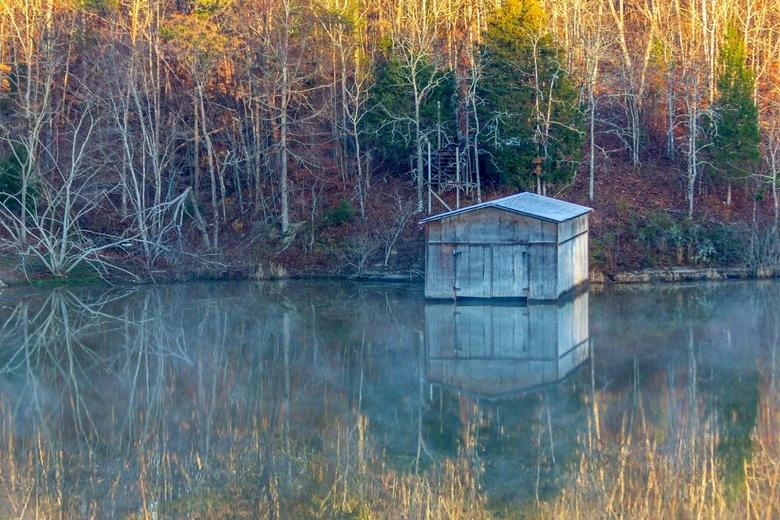
Tuscaloosa is Alabama's hottest city, averaging 80 days a year above 90°F and 5 days above 100°F, with a typical summer high of 91.9°F and low of 70.7°F. Alabama's high humidity accelerates indoor mold and pollen growth. A MERV 11 filter traps these microscopic particles far better than basic fiberglass and keeps AC coils cleaner through long, steamy summers. Shop MERV 11 filters →
Alaska
Northern state, subarctic climate
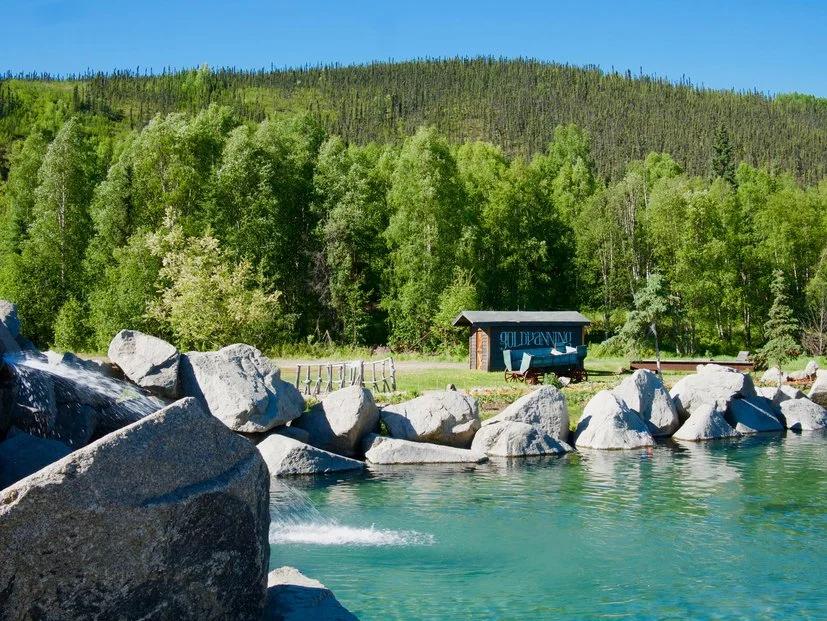
Fairbanks is Alaska's hottest city, and the mildest "hottest city" in the country. It averages zero days a year above 90°F, with a typical summer high of just 70.6°F and low of 48.9°F. Alaska homes stay sealed tight most of the year, trapping dust, wildfire smoke, and wood-burning particulates indoors. A MERV 13 filter is ideal for capturing fine smoke particles when fresh air exchange is minimal. Shop MERV 13 filters →

Arizona
Desert Southwest, arid climate
Yuma is Arizona's hottest city, and the hottest city in this entire study, averaging 185 days a year above 90°F and 124 days above 100°F, with a summer high of 107.5°F and low of 73.8°F. With AC running almost nonstop, desert dust and haboob sediment clog filters fast. A MERV 8 filter changed every 30 to 45 days protects the system without restricting airflow during peak demand. Shop MERV 8 filters →
Arkansas
South-central state, hot humid summers
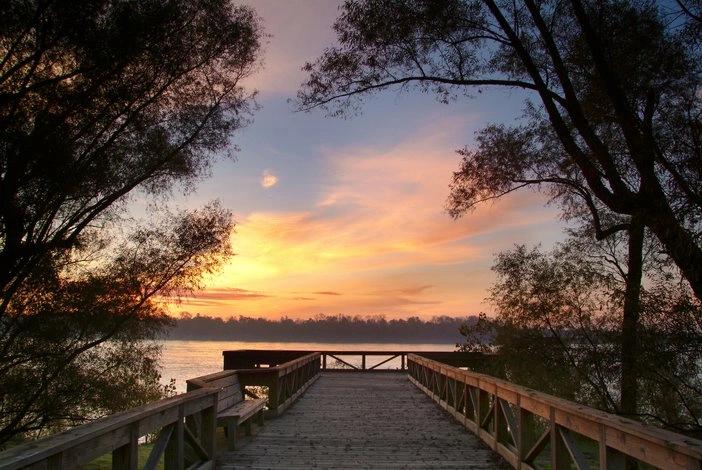
Helena-West Helena is Arkansas's hottest city, averaging 100 days a year above 90°F and 11 days above 100°F, with a summer high of 94.1°F and low of 68.2°F. The combination of heat and humidity accelerates dust mite and mold growth. A MERV 10 filter changed monthly keeps indoor air cleaner and stops the AC system from working overtime through the sweltering months. Shop MERV 10 filters →
California
West Coast, desert and coastal zones
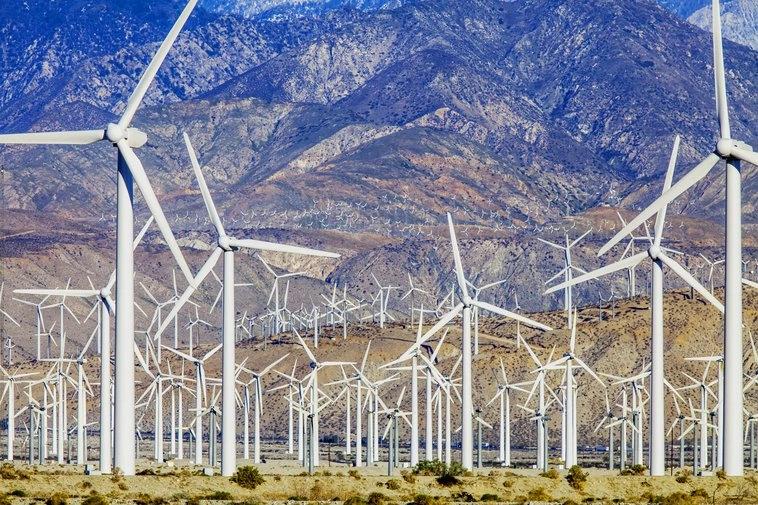
Indio is California's hottest city, averaging 182 days a year above 90°F and 117 days above 100°F, with a summer high of 105.7°F and low of 78.3°F. With 117 triple-digit days a year, aggressive cooling is a necessity. A MERV 8 filter changed every 30 days prevents fine dust from clogging coils and choking airflow during peak summer heat. Shop MERV 8 filters →
Colorado
Mountain state, dry high elevation
Greeley is Colorado's hottest city, averaging 68 days a year above 90°F and 12 days above 100°F, with a summer high of 90.9°F and low of 56.2°F. Colorado's dry mountain air moves fine dust and pollen efficiently indoors. A MERV 9 filter strikes the right balance, capturing allergens without restricting airflow in home cooling systems. Shop MERV 9 filters →
Connecticut
New England, mild summers
Danbury is Connecticut's hottest city, averaging 16 days a year above 90°F and just 1 day above 100°F, with a summer high of 82.8°F and low of 61.2°F. Connecticut's brief, mild summers mean AC won't run constantly, but spring and fall allergens are prolific. A MERV 8 filter changed every 90 days is ideal for capturing seasonal pollen without unnecessary system strain. Shop MERV 8 filters →

Delaware
Mid-Atlantic, coastal humidity
Newark is Delaware's hottest city, averaging 30 days a year above 90°F and 1 day above 100°F, with a summer high of 86.7°F and low of 63.9°F. Delaware's coastal humidity brings salt air and moisture indoors, feeding mold growth. A MERV 10 filter changed quarterly protects the system while controlling moisture-related allergens year-round. Shop MERV 10 filters →

Florida
Southeastern, tropical humidity
Lakeland is Florida's hottest city, averaging 138 days a year above 90°F, the fifth highest total in the country, with a summer high of 93.8°F and low of 72.5°F. Extreme humidity means AC runs nearly year-round, breeding mold and dust mites. A MERV 11 filter changed every 60 days is essential for maintaining air quality and system efficiency in tropical climates. Shop MERV 11 filters →
Georgia
Southeastern, humid subtropical climate
Albany is Georgia's hottest city, averaging 89 days a year above 90°F and 2 days above 100°F, with a summer high of 91.9°F and low of 71.4°F. Georgia's hot, humid climate creates ideal conditions for mold and pollen. A MERV 11 filter changed every 60 to 90 days combats these allergens while the AC battles Southern heat. Shop MERV 11 filters →
Hawaii
Pacific islands, tropical year-round
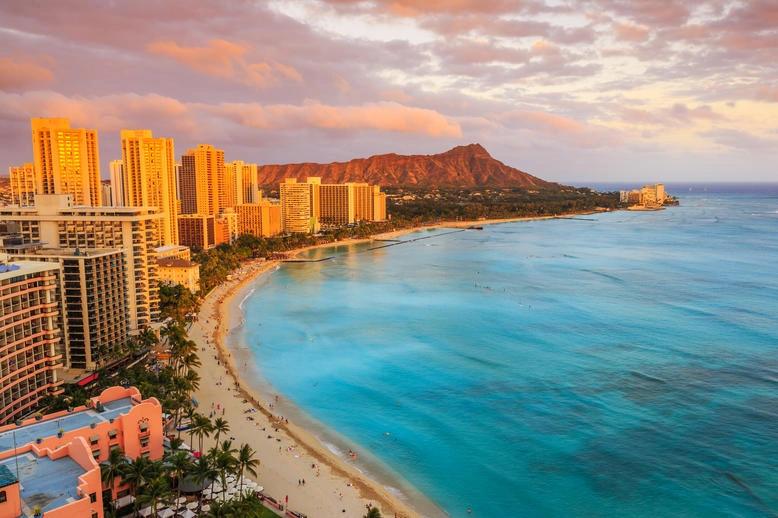
Honolulu is Hawaii's hottest city, averaging 19 days a year above 90°F, with a summer high of 87.9°F and low of 74.3°F. Constant tropical trade winds and salt air make moisture control critical indoors. A MERV 10 filter changed quarterly protects against mold spores and salt-laden particles year-round. Shop MERV 10 filters →
Idaho
Northwestern state, dry summers
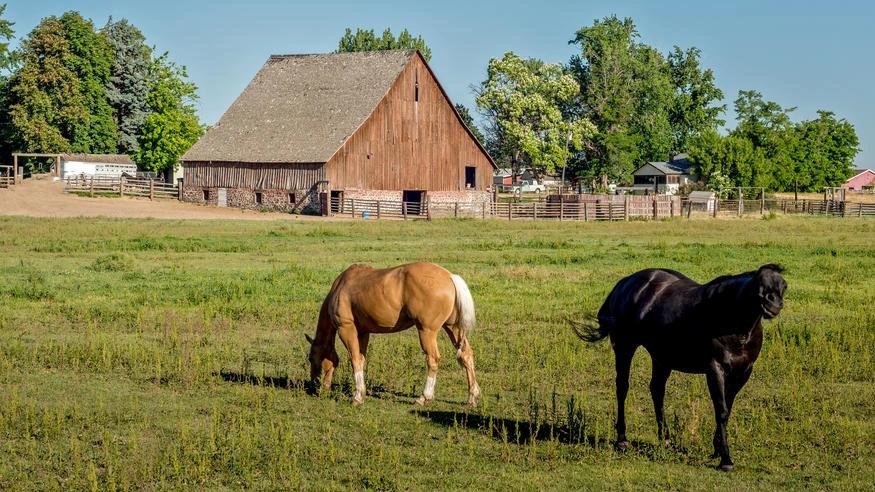
Caldwell is Idaho's hottest city, averaging 62 days a year above 90°F and 14 days above 100°F, with a summer high of 90.5°F and low of 56.7°F. Idaho's dry, high-elevation summers produce fine dust that clogs filters quickly. A MERV 8 filter changed every 45 days provides adequate capture without choking airflow during peak cooling season. Shop MERV 8 filters →
Illinois
Midwest, mild summers
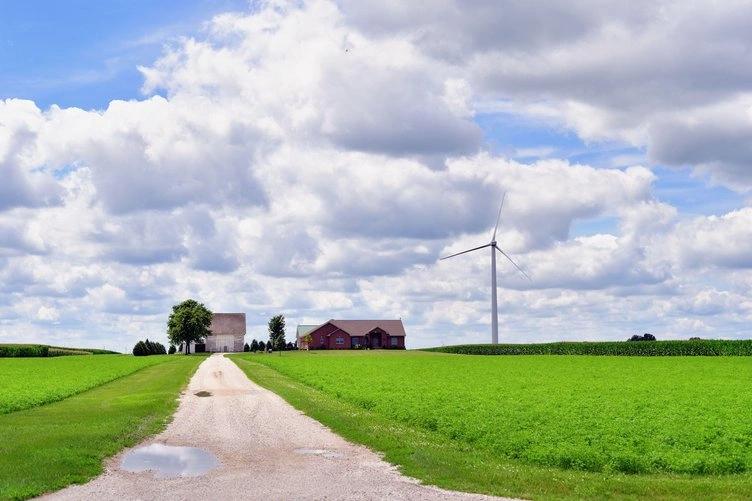
Carbondale is Illinois's hottest city, averaging 40 days a year above 90°F and 1 day above 100°F, with a summer high of 87.8°F and low of 65.1°F. Moderate summers mean seasonal AC use. A MERV 8 filter changed every 90 days balances allergen capture with cost effectiveness during brief peak heat periods. Shop MERV 8 filters →
Indiana
Midwest, humid continental climate
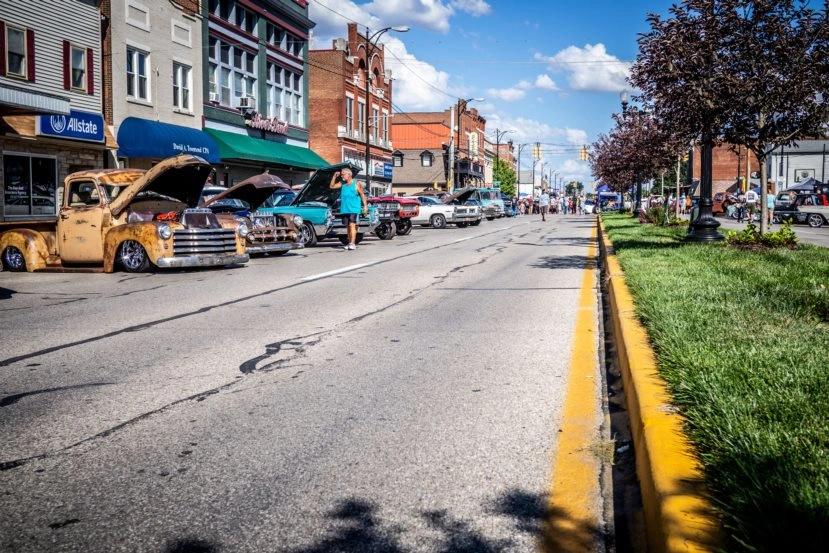
Evansville is Indiana's hottest city, averaging 66 days a year above 90°F and 3 days above 100°F, with a summer high of 90.6°F and low of 68.8°F. Humid summers accelerate dust mite and pollen accumulation. A MERV 9 filter changed every 60 to 90 days maintains air quality and AC efficiency through the muggy season. Shop MERV 9 filters →
Iowa
Midwest, cool summers
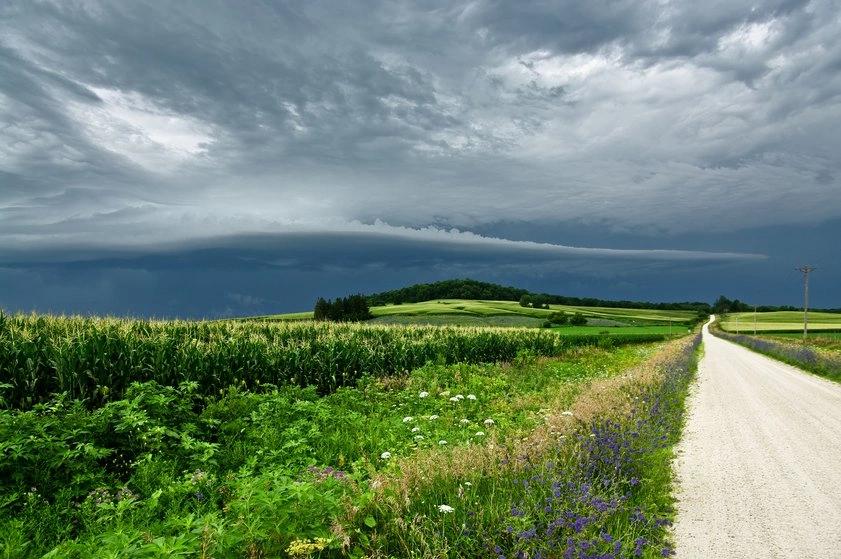
Burlington is Iowa's hottest city, averaging 25 days a year above 90°F and 1 day above 100°F, with a summer high of 85.2°F and low of 65.0°F. Cool summers mean minimal AC runtime. A basic MERV 8 filter changed annually or seasonally provides adequate protection for limited cooling needs. Shop MERV 8 filters →
Kansas
Great Plains, hot dry summers
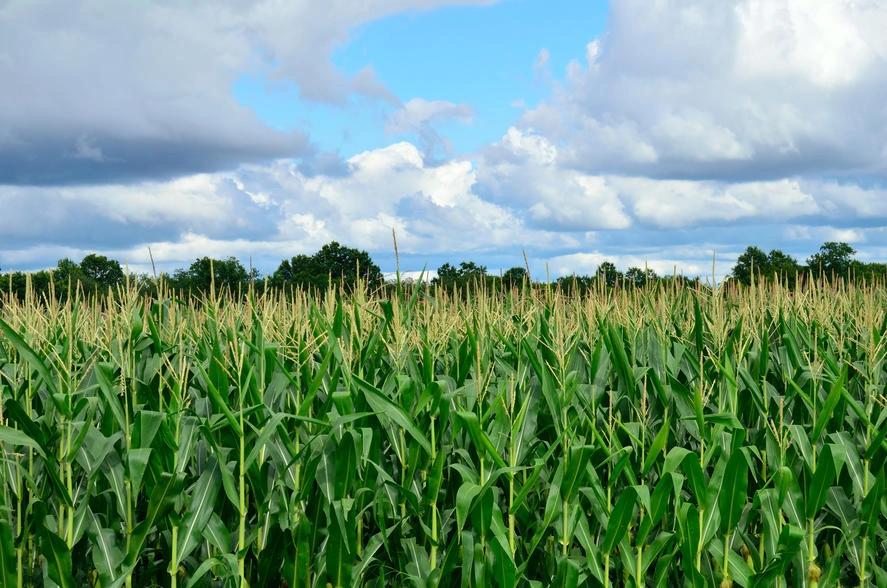
Liberal is Kansas's hottest city, averaging 73 days a year above 90°F and 13 days above 100°F, with a summer high of 91.3°F and low of 63.2°F. Dust-laden high plains and 13 triple-digit days demand efficient cooling. A MERV 8 filter changed every 45 days prevents fine sediment from clogging the AC during extended peak heat. Shop MERV 8 filters →
Kentucky
Southeastern, humid temperate climate
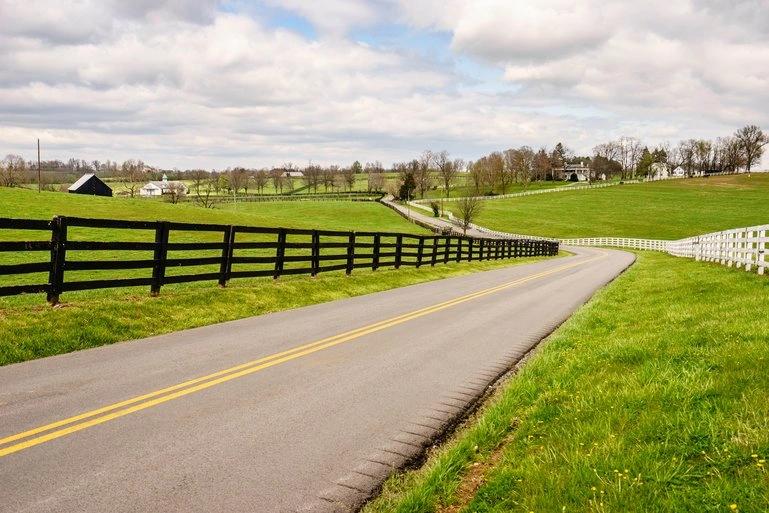
Glasgow is Kentucky's hottest city, averaging 54 days a year above 90°F and 2 days above 100°F, with a summer high of 89.6°F and low of 65.3°F. Humid summers create mold and pollen hotspots. A MERV 9 filter changed every 60 days keeps the AC system efficient while controlling seasonal allergens. Shop MERV 9 filters →
Louisiana
Deep South, sweltering humidity
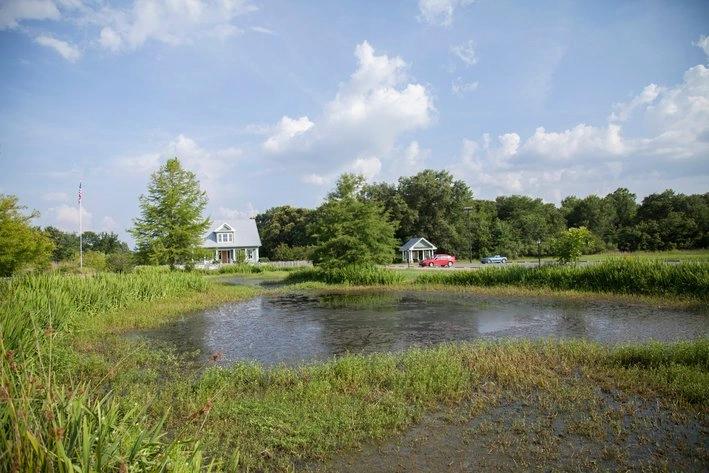
Monroe is Louisiana's hottest city, averaging 98 days a year above 90°F and 7 days above 100°F, with a summer high of 93.3°F and low of 70.9°F. Oppressive heat fuels year-round mold and mildew. A MERV 11 filter changed every 45 days is critical for controlling humidity-driven allergens while the AC runs constantly. Shop MERV 11 filters →
Maine
New England, cool coastal climate
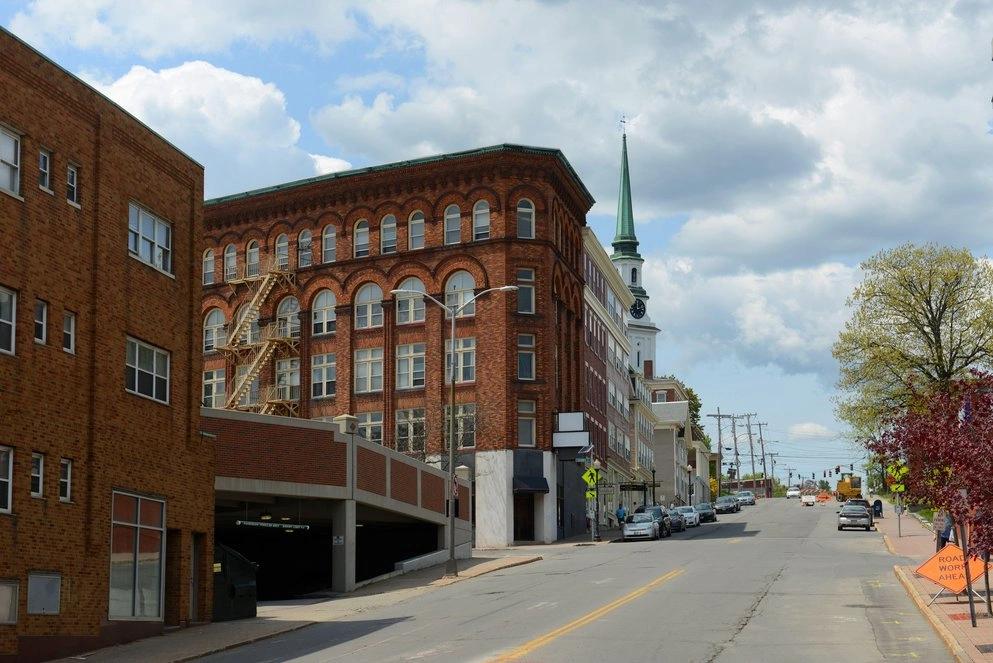
Orono is Maine's hottest city, averaging just 8 days a year above 90°F and 0 days above 100°F, with a summer high of 78.9°F and low of 56.7°F. Cool summers mean minimal AC demand. A basic MERV 8 filter changed annually provides sufficient protection for infrequent cooling needs. Shop MERV 8 filters →
Maryland
Mid-Atlantic, humid summers
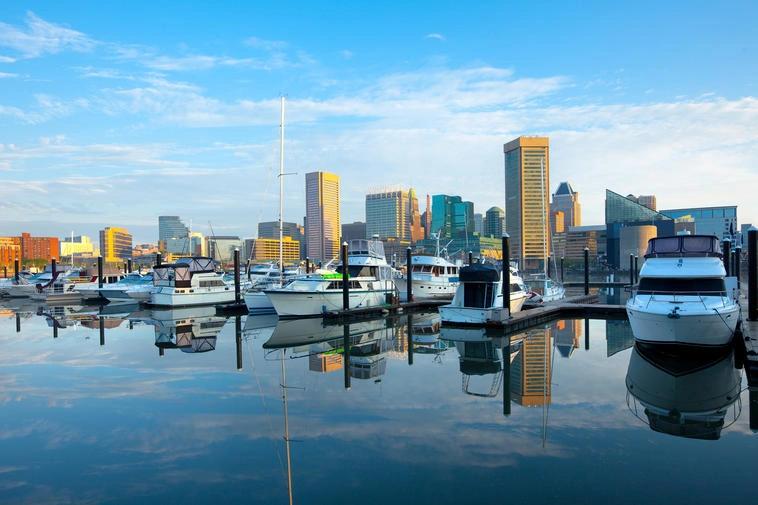
Baltimore is Maryland's hottest city, averaging 61 days a year above 90°F and 8 days above 100°F, with a summer high of 90.3°F and low of 73.0°F. Muggy summers amplify mold and dust mite growth. A MERV 10 filter changed every 60 days protects indoor air quality and system longevity. Shop MERV 10 filters →
Massachusetts
New England, mild springs
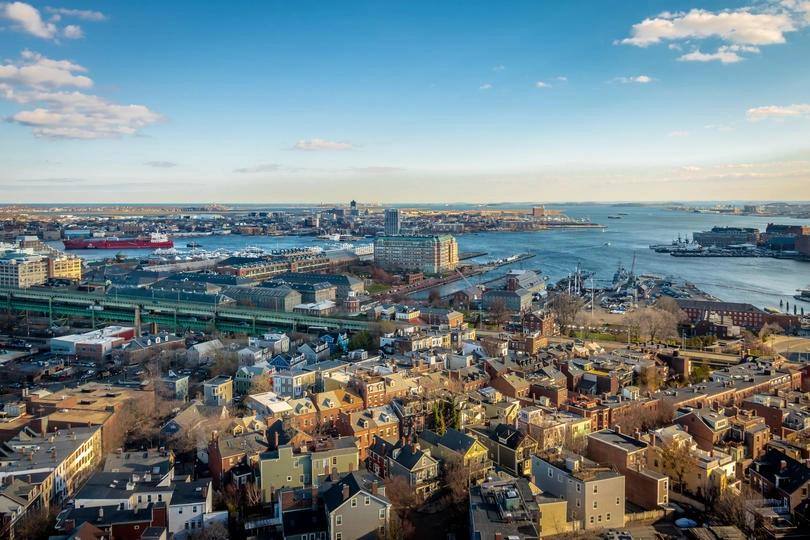
Lowell is Massachusetts's hottest city, averaging 15 days a year above 90°F and 0 days above 100°F, with a summer high of 81.9°F and low of 57.6°F. Brief, cool summers make AC a comfort item, not a necessity. A MERV 8 filter changed once per season is sufficient for occasional cooling demands. Shop MERV 8 filters →
Michigan
Great Lakes, cool summers
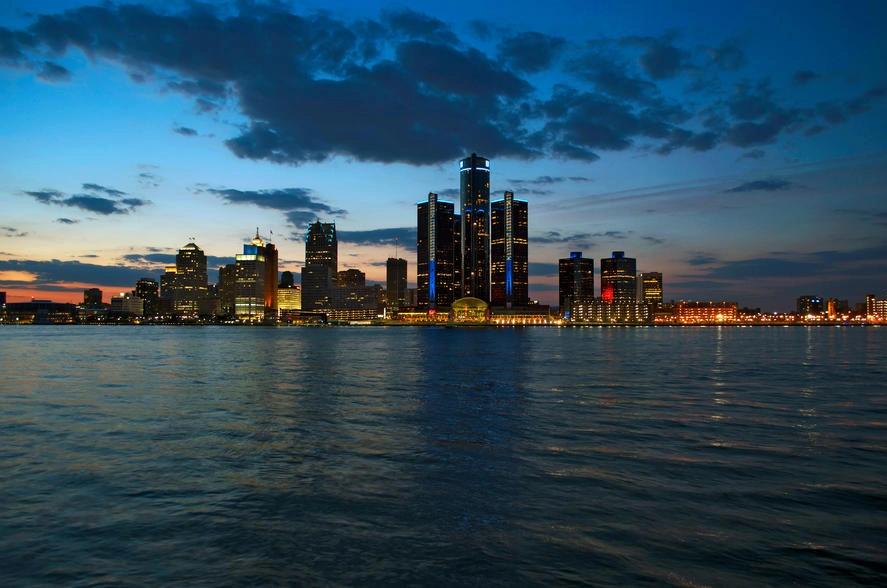
Dearborn is Michigan's hottest city, averaging 14 days a year above 90°F and 0 days above 100°F, with a summer high of 82.7°F and low of 60.2°F. The Great Lakes climate keeps summers moderate. A MERV 8 filter changed annually works well for minimal, sporadic cooling usage. Shop MERV 8 filters →
Minnesota
Upper Midwest, brief summers
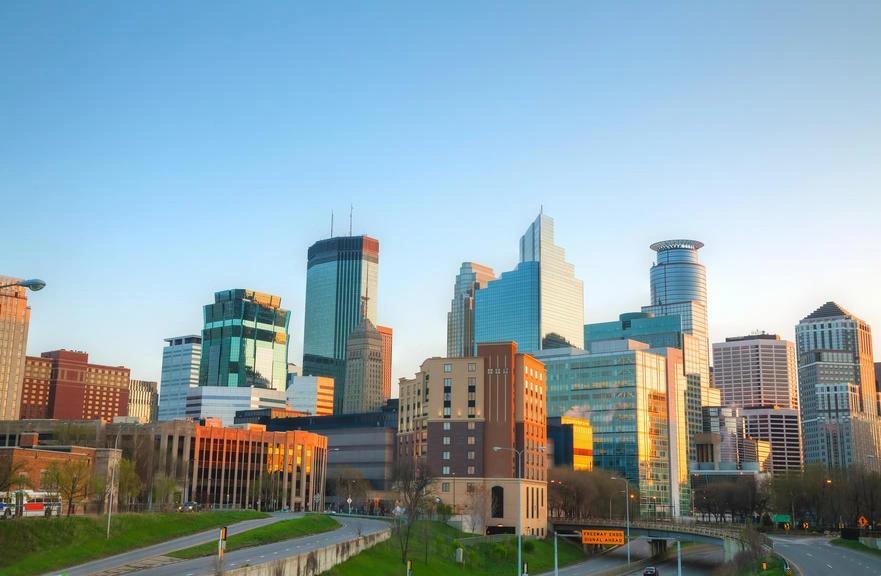
Minneapolis is Minnesota's hottest city, averaging 17 days a year above 90°F and 1 day above 100°F, with a summer high of 83.7°F and low of 62.8°F. Short, cool summers mean AC runs sparingly. A MERV 8 filter changed twice yearly is more than adequate for light seasonal cooling. Shop MERV 8 filters →
Mississippi
Deep South, intense humidity
Hernando is Mississippi's hottest city, averaging 92 days a year above 90°F and 12 days above 100°F, with a summer high of 93.4°F and low of 69.0°F. Swampy heat and 12 triple-digit days breed aggressive mold growth. A MERV 11 filter changed every 45 days prevents spore accumulation in a constantly running AC system. Shop MERV 11 filters →
Missouri
Central U.S., hot humid climate
Kennett is Missouri's hottest city, averaging 63 days a year above 90°F and 5 days above 100°F, with a summer high of 90.6°F and low of 68.0°F. Humid Ozark summers accelerate allergen growth indoors. A MERV 9 filter changed every 60 days captures seasonal pollen and dust mites while the AC battles the heat. Shop MERV 9 filters →
Montana
Rocky Mountains, dry moderate climate
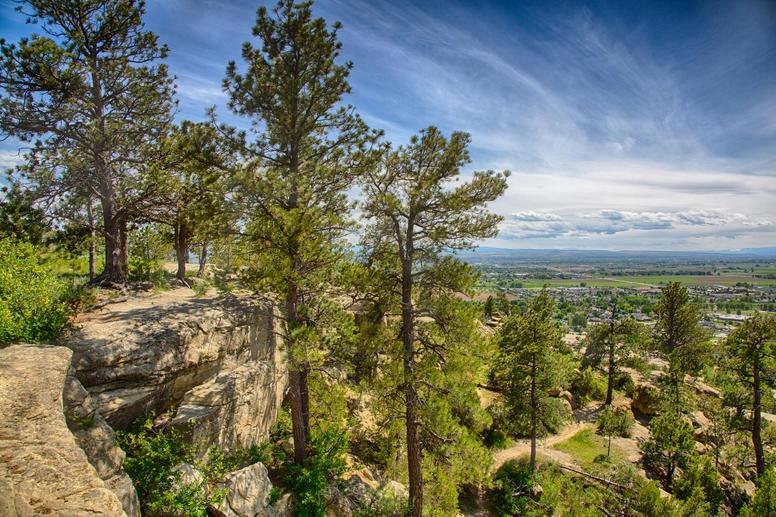
Billings is Montana's hottest city, averaging 41 days a year above 90°F and 3 days above 100°F, with a summer high of 86.3°F and low of 54.2°F. Dry mountain summers generate fine dust particles. A MERV 8 filter changed every 60 days provides efficient capture without restricting airflow in thin, high-elevation air. Shop MERV 8 filters →
Nebraska
Great Plains, windy dry climate
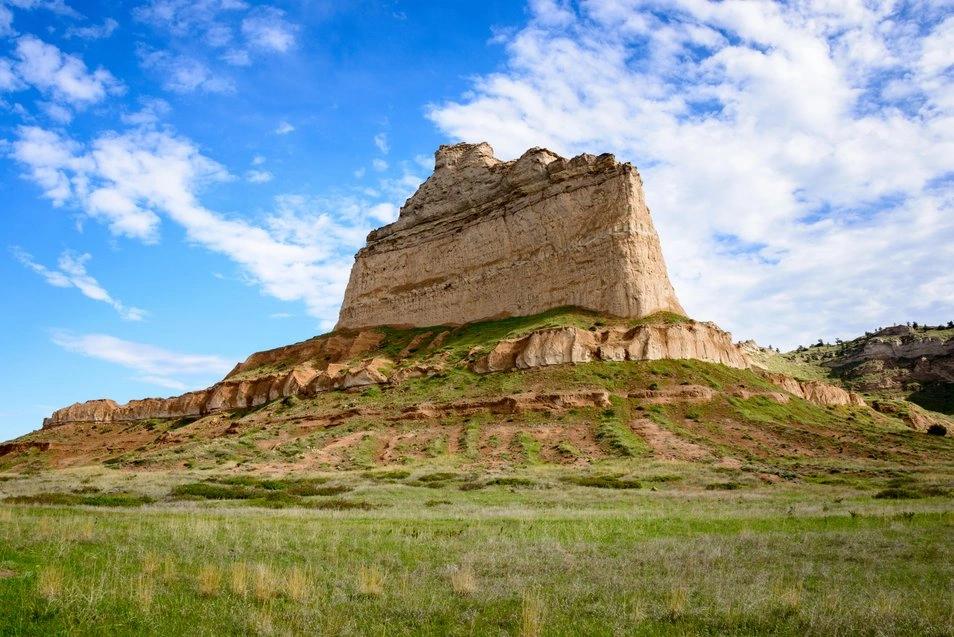
Scottsbluff is Nebraska's hottest city, averaging 40 days a year above 90°F and 3 days above 100°F, with a summer high of 86.3°F and low of 56.0°F. Plains winds stir up dust and agricultural particulates. A MERV 8 filter changed every 45 to 60 days captures windblown debris while maintaining efficient airflow during moderate cooling season. Shop MERV 8 filters →
Nevada
Desert state, extreme heat
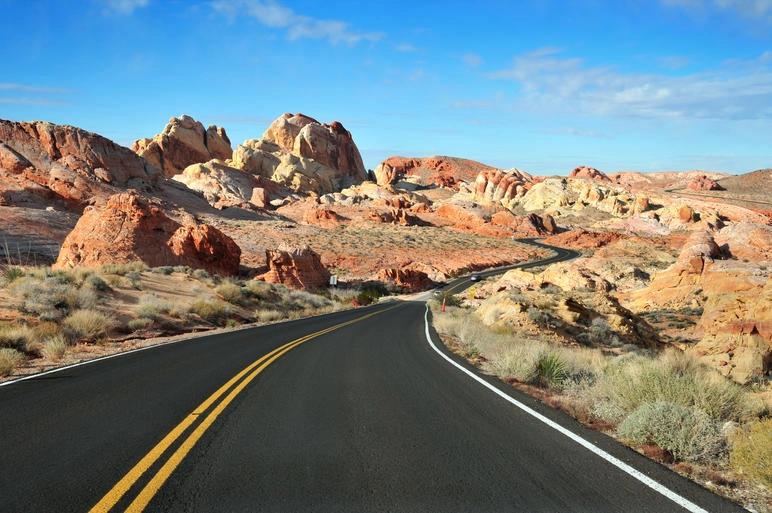
Mesquite is Nevada's hottest city, averaging 147 days a year above 90°F and 100 days above 100°F, with a summer high of 105.2°F and low of 74.3°F. With 100 triple-digit days a year, AC runs nonstop, and fine desert sand clogs filters rapidly. A MERV 8 filter changed every 30 days is essential for system survival in peak summer heat. Shop MERV 8 filters →
New Hampshire
New England, cool forests
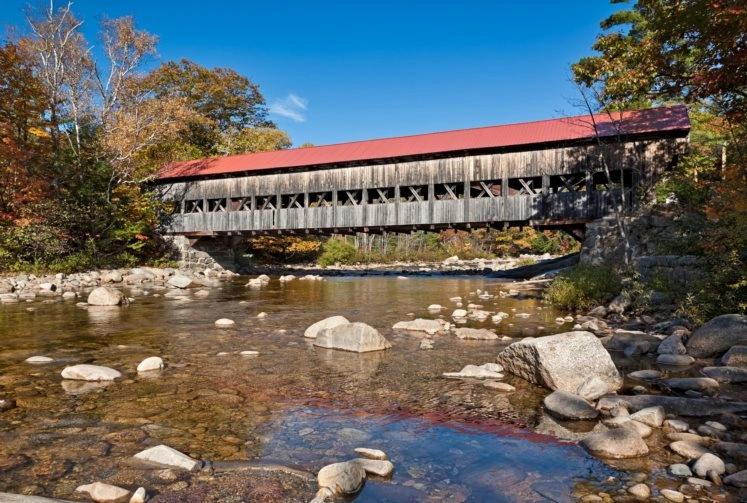
Hudson is New Hampshire's hottest city, averaging 11 days a year above 90°F and 0 days above 100°F, with a summer high of 80.5°F and low of 56.4°F. Brief summers mean air conditioning is rarely needed. A basic MERV 8 filter changed once annually is sufficient for minimal cooling demands. Shop MERV 8 filters →
New Jersey
Mid-Atlantic, moderate summers
Moorestown is New Jersey's hottest city, averaging 37 days a year above 90°F and 1 day above 100°F, with a summer high of 87.2°F and low of 61.7°F. Moderate humidity and 37 heat days call for balanced protection. A MERV 9 filter changed every 90 days captures seasonal allergens without unnecessary cost. Shop MERV 9 filters →

New Mexico
Southwest, desert with elevation
Carlsbad is New Mexico's hottest city, averaging 105 days a year above 90°F and 21 days above 100°F, with a summer high of 94.6°F and low of 66.5°F. Arid high desert terrain produces fine silica dust across 21 triple-digit days a year. A MERV 8 filter changed every 40 days prevents mineral buildup while the AC handles relentless heat. Shop MERV 8 filters →
New York
Northeast, variable microclimates
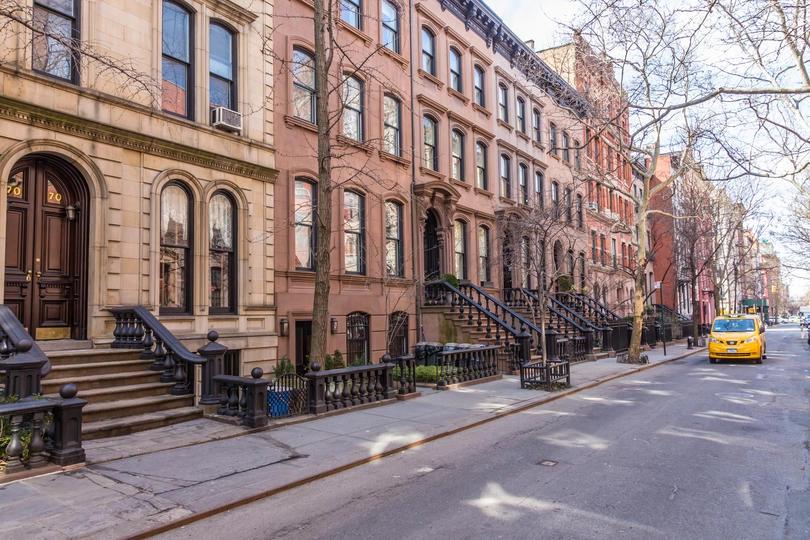
New York City is New York's hottest city, averaging 17 days a year above 90°F and 0 days above 100°F, with a summer high of 83.2°F and low of 67.4°F. Moderate heat days and variable humidity mean seasonal AC use. A MERV 8 filter changed every 90 to 120 days balances cost with adequate allergen control. Shop MERV 8 filters →
North Carolina
Southeast, humid temperate climate
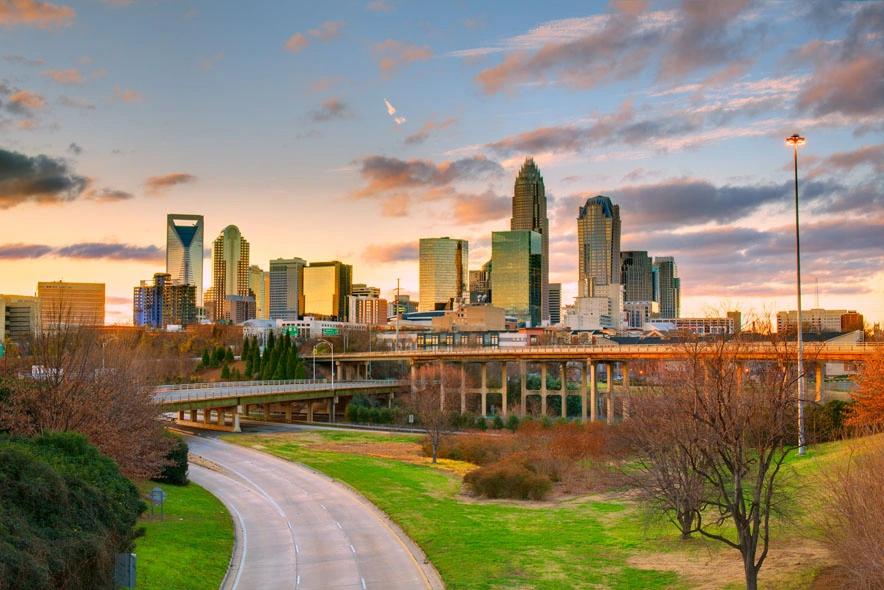
Concord is North Carolina's hottest city, averaging 55 days a year above 90°F and 2 days above 100°F, with a summer high of 89.3°F and low of 67.3°F. Humid Piedmont summers create prime mold conditions. A MERV 10 filter changed every 60 days combats spores and dust mites while the AC cools through the muggy season. Shop MERV 10 filters →
North Dakota
Great Plains, cool short summers
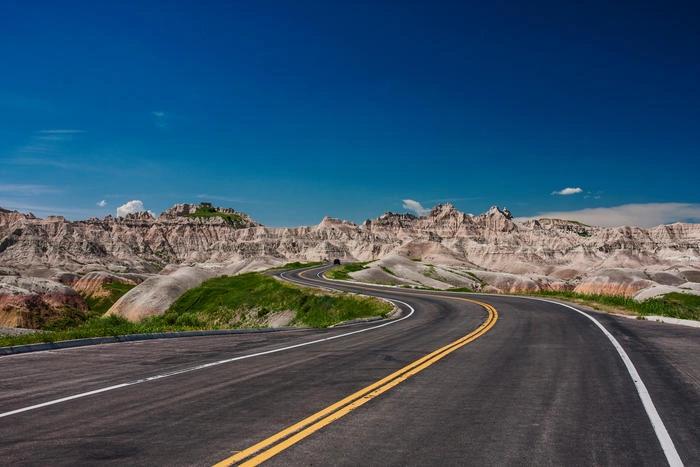
Williston is North Dakota's hottest city, averaging 22 days a year above 90°F and 2 days above 100°F, with a summer high of 81.7°F and low of 53.2°F. A brief cooling season means AC is rarely pushed hard. A MERV 8 filter changed once per season is sufficient. Shop MERV 8 filters →
Ohio
Midwest, humid continental climate
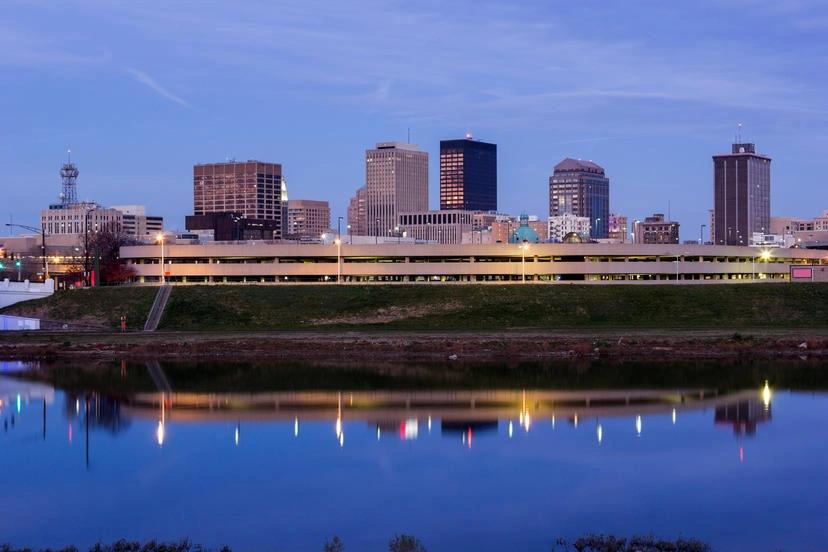
Dayton is Ohio's hottest city, averaging 31 days a year above 90°F and 1 day above 100°F, with a summer high of 85.8°F and low of 65.1°F. Moderate summers with light humidity mean balanced filter needs. A MERV 8 filter changed every 90 days provides cost-effective protection during mild cooling season. Shop MERV 8 filters →
Oklahoma
South-central, extreme heat days
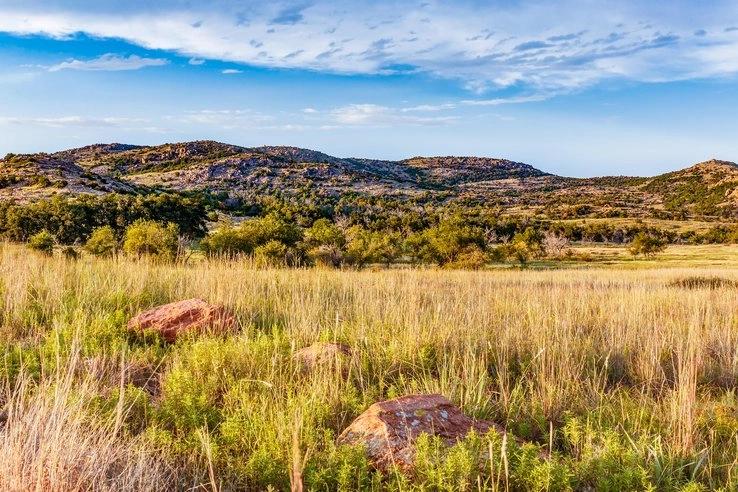
Lawton is Oklahoma's hottest city, averaging 96 days a year above 90°F and 27 days above 100°F, with a summer high of 95.3°F and low of 70.0°F. With 27 triple-digit days a year, the AC system strains hard. A MERV 8 filter changed every 30 to 40 days prevents dust buildup and maintains airflow during relentless summer. Shop MERV 8 filters →

Oregon
Pacific Northwest, mild dry climate
Medford is Oregon's hottest city, averaging 54 days a year above 90°F and 9 days above 100°F, with a summer high of 87.7°F and low of 55.4°F. Dry summers with occasional heat spikes mean light cooling needs. A MERV 8 filter changed every 90 to 120 days works well for minimal AC demands. Shop MERV 8 filters →
Pennsylvania
Mid-Atlantic, moderate humid climate
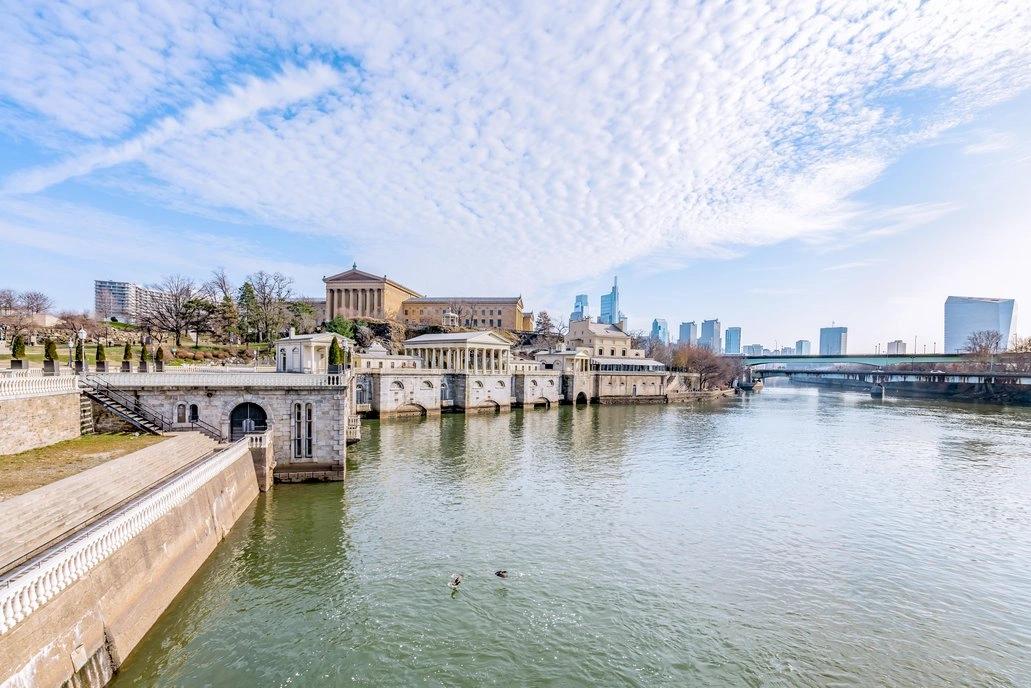
Philadelphia is Pennsylvania's hottest city, averaging 32 days a year above 90°F and 1 day above 100°F, with a summer high of 86.2°F and low of 68.3°F. Muggy summers in urban areas breed indoor allergens. A MERV 9 filter changed every 60 to 90 days manages humidity-driven mold while the AC keeps city heat at bay. Shop MERV 9 filters →
Rhode Island
New England, coastal breeze
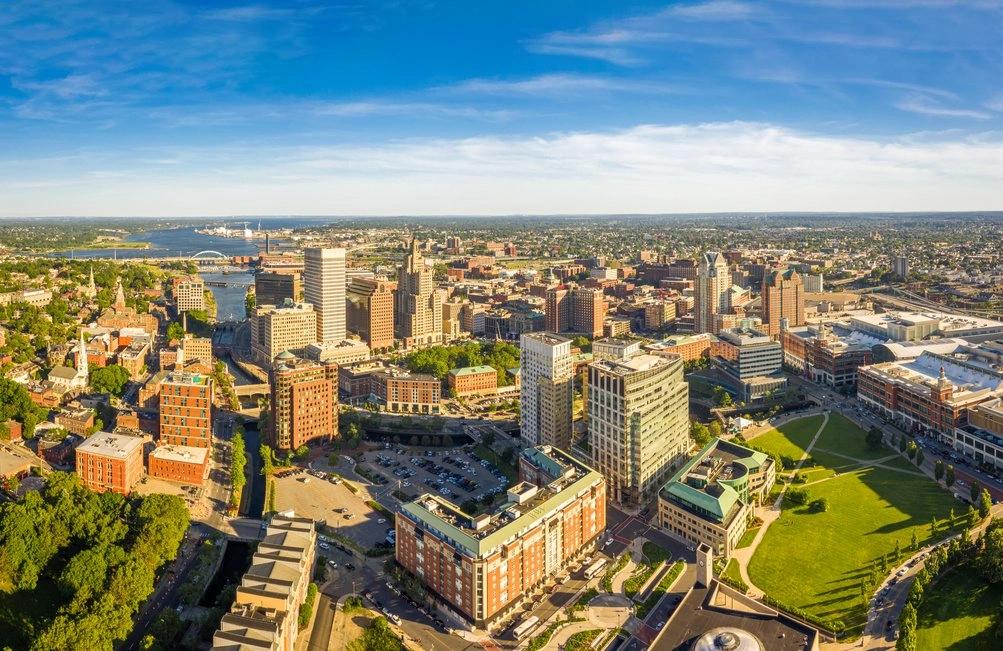
Warwick is Rhode Island's hottest city, averaging 9 days a year above 90°F and 0 days above 100°F, with a summer high of 80.6°F and low of 62.0°F. Cool coastal summers mean minimal AC demand. A basic MERV 8 filter changed annually is plenty for light, occasional cooling needs. Shop MERV 8 filters →
South Carolina
Southeast, humid subtropical climate
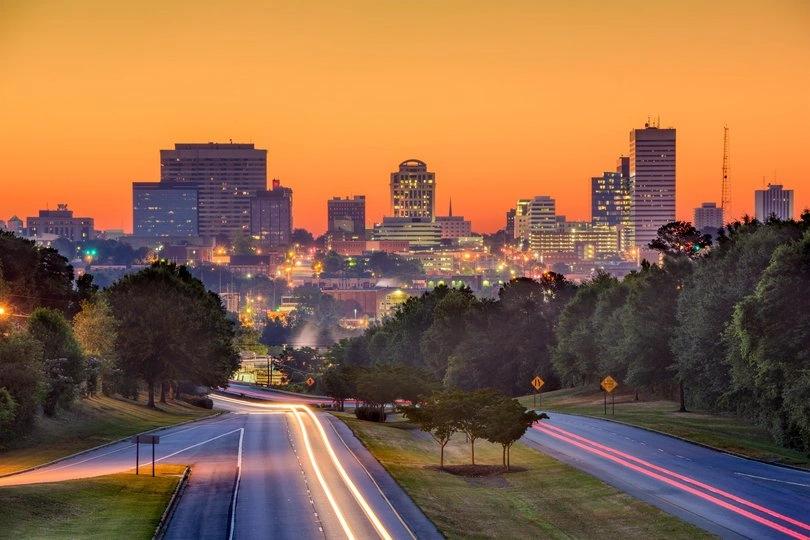
Columbia is South Carolina's hottest city, averaging 95 days a year above 90°F and 12 days above 100°F, with a summer high of 93.5°F and low of 71.9°F. Sweltering heat and 12 triple-digit days breed intense mold and dust mites. A MERV 11 filter changed every 45 to 60 days protects indoor air quality during constant AC use. Shop MERV 11 filters →
South Dakota
Great Plains, variable dry climate
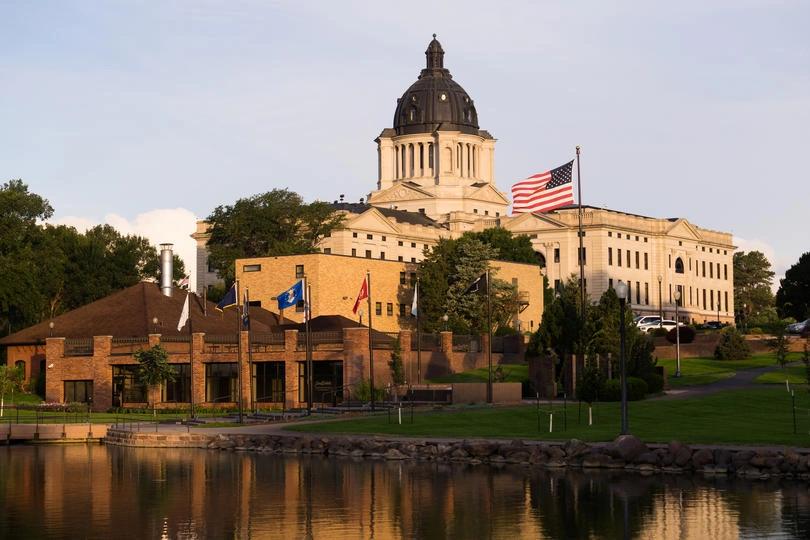
Pierre is South Dakota's hottest city, averaging 37 days a year above 90°F and 6 days above 100°F, with a summer high of 85.4°F and low of 59.2°F. Plains dust and 6 triple-digit days mean moderate cooling strain. A MERV 8 filter changed every 60 to 90 days balances efficiency with fine particle capture. Shop MERV 8 filters →
Tennessee
Southeast, humid subtropical climate
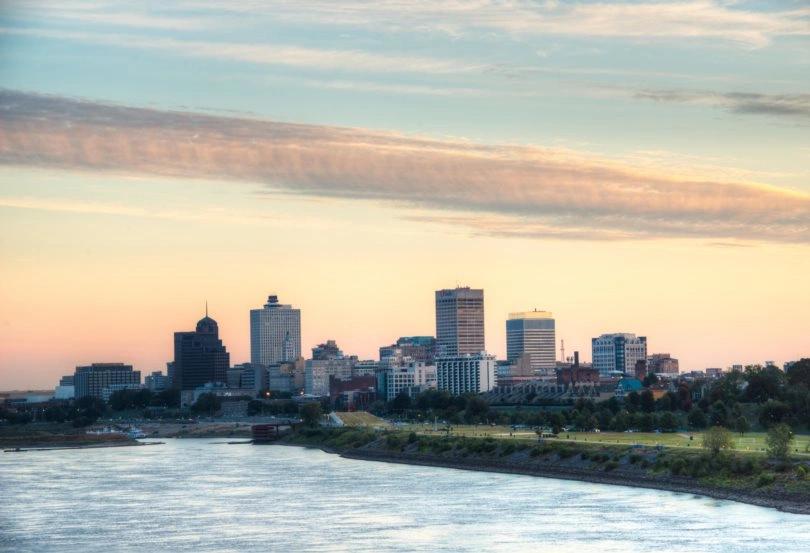
Millington is Tennessee's hottest city, averaging 70 days a year above 90°F and 4 days above 100°F, with a summer high of 91.2°F and low of 70.4°F. Humid river valleys breed mold proliferation across 70 heat days a year. A MERV 10 filter changed every 60 days manages spores and dust mites through the long, sweaty cooling season. Shop MERV 10 filters →
Texas
Lone Star state, intense heat
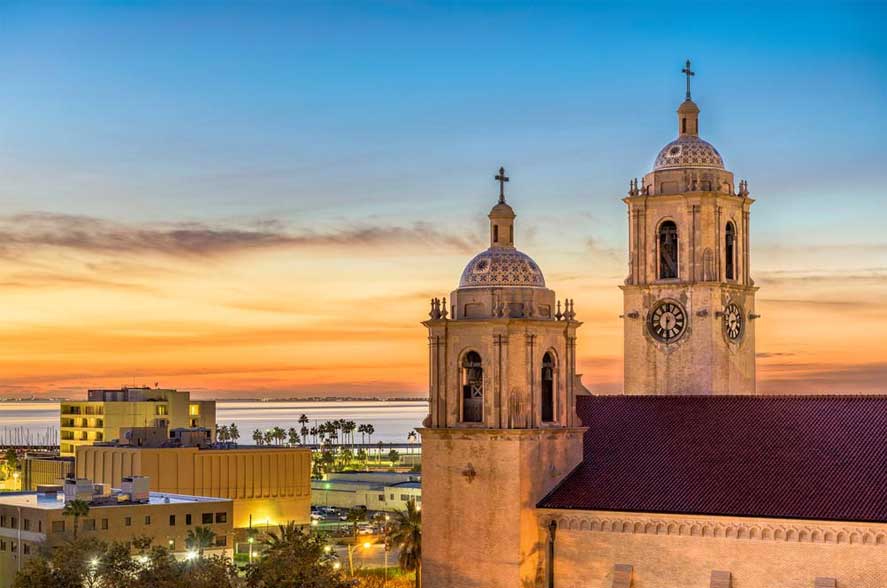
Rio Grande City is Texas's hottest city, and the third hottest city in this entire study, averaging 166 days a year above 90°F and 44 days above 100°F, with a summer high of 98.1°F and low of 75.3°F. Aggressive cooling is essential to manage 44 triple-digit days a year. A MERV 8 filter changed every 30 days prevents dust and mineral buildup from choking a nonstop AC system. Shop MERV 8 filters →
Utah
Southwest, desert high elevation
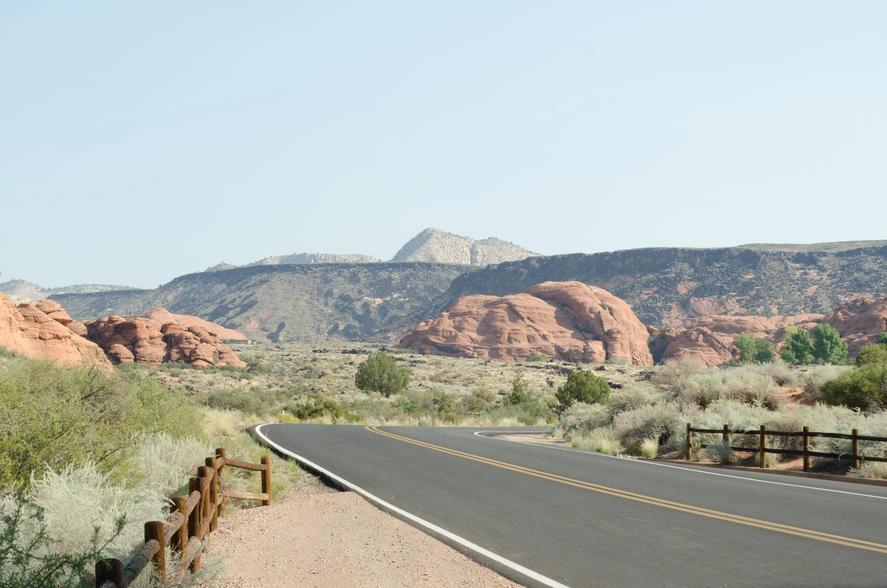
St. George is Utah's hottest city, averaging 116 days a year above 90°F and 46 days above 100°F, with a summer high of 98.7°F and low of 71.6°F. Fine red rock dust clogs filters rapidly across 46 triple-digit days a year. A MERV 8 filter changed every 30 to 45 days prevents mineral accumulation from choking the AC. Shop MERV 8 filters →
Vermont
New England, mountain cool climate
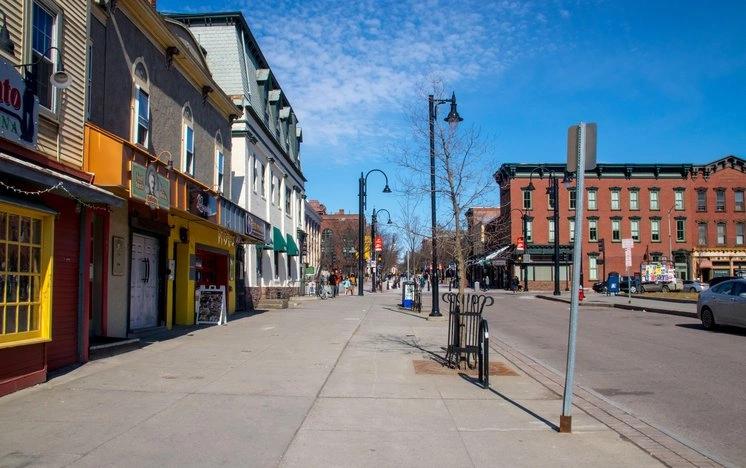
Essex is Vermont's hottest city, averaging 6 days a year above 90°F and 0 days above 100°F, with a summer high of 78.9°F and low of 57.2°F. Brief, cool summers mean AC is rarely used. A basic MERV 8 filter changed annually is more than sufficient for minimal cooling demands. Shop MERV 8 filters →
Virginia
Mid-Atlantic, moderate humid climate
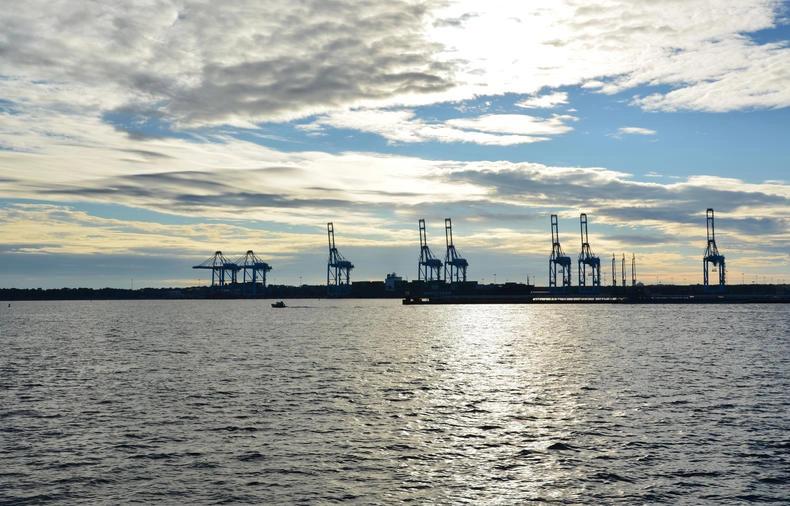
Suffolk is Virginia's hottest city, averaging 46 days a year above 90°F and 1 day above 100°F, with a summer high of 88.4°F and low of 66.2°F. Moderate heat with coastal humidity creates mold and pollen hotspots. A MERV 9 filter changed every 60 to 90 days manages allergens while the AC handles summer heat. Shop MERV 9 filters →
Washington
Pacific Northwest, dry interior climate
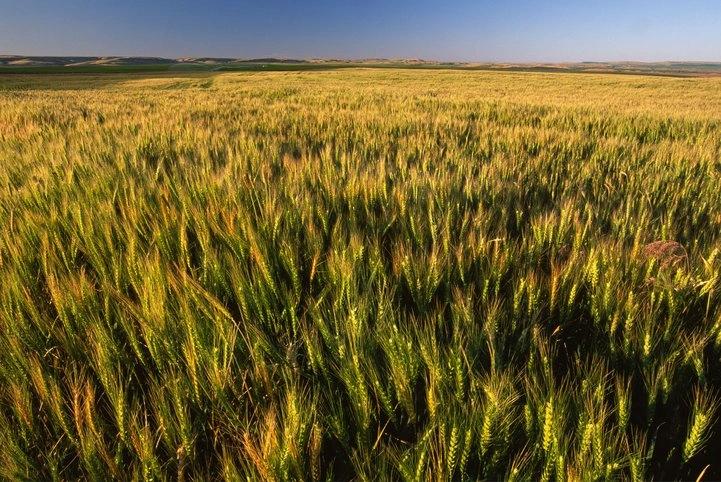
Pasco is Washington's hottest city, averaging 45 days a year above 90°F and 5 days above 100°F, with a summer high of 88.1°F and low of 54.5°F. A dry interior summer with 45 heat days means moderate cooling demand. A MERV 8 filter changed every 60 to 90 days provides adequate protection for seasonal AC use. Shop MERV 8 filters →
West Virginia
Appalachian, cool mountains
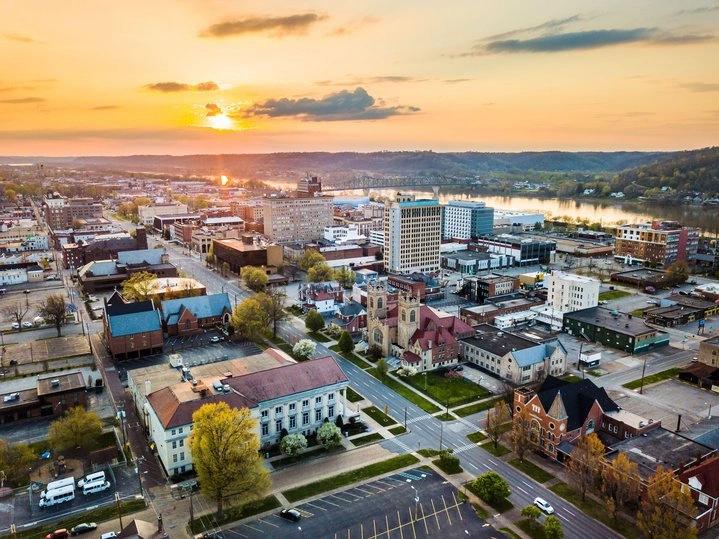
Huntington is West Virginia's hottest city, averaging 28 days a year above 90°F and 0 days above 100°F, with a summer high of 86.0°F and low of 64.4°F. Mountain elevation keeps summers mild. A MERV 8 filter changed twice a year is sufficient for light, infrequent cooling needs. Shop MERV 8 filters →
Wisconsin
Upper Midwest, cool lakes
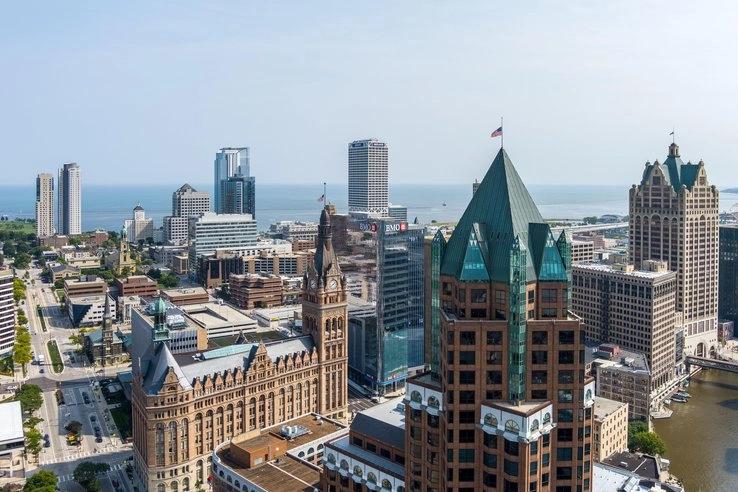
West Allis is Wisconsin's hottest city, averaging 16 days a year above 90°F and 0 days above 100°F, with a summer high of 82.4°F and low of 61.1°F. Great Lakes influence keeps summers cool. A MERV 8 filter changed annually is sufficient for minimal AC demands throughout the year. Shop MERV 8 filters →
Wyoming
Rocky Mountains, high elevation
Riverton is Wyoming's hottest city, averaging 30 days a year above 90°F and 1 day above 100°F, with a summer high of 84.8°F and low of 51.2°F. A high-elevation mountain climate with just 30 heat days means minimal cooling need. A MERV 8 filter changed twice yearly balances efficiency with adequate protection for sparse AC usage. Shop MERV 8 filters →
Detailed Findings & Methodology
Among the hottest cities in each state, Yuma, AZ has the highest number of days per year with temperatures above 90°F, at 185 days, or more than half the year. Yuma also averages 124 days a year with temperatures over 100°F. Across all 50 hottest cities, the average is 59 days a year over 90°F and 13 days a year over 100°F.
Summer high and low temperatures vary substantially among the hottest cities. Across all 50 cities, the average summer high is 89°F, and the average summer low is 65°F. Yuma's average summer high is 108°F, while Fairbanks, AK sees an average summer high of just 71°F. Northern states also tend to have cooler nights and mornings during summer. Fairbanks' average summer low is a brisk 49°F, while summer temperatures in Indio, CA typically don't fall much below 80°F even at night.
To build this index, Filterbuy researchers analyzed NOAA National Centers for Environmental Information (NCEI) Climate Normals data, the most recent 30-year dataset available (1991 to 2020). Within each state, researchers ranked cities by the greatest long-term average number of days per year at or above 90°F, then calculated the long-term average number of days per year at or above 100°F, the average summer high, and the average summer low. Only cities with populations of 10,000 or greater were included. NOAA's next Climate Normals edition is expected in 2031.