
How a Furnace Humidifier Air Filter for Whole House Comfort Improves Indoor Air Quality, Health, and Energy Efficiency Year-Round
Whole House Solutions: How a Furnace Humidifier and Air Filter Work Together to Create a Healthier, More Comfortable Living Environment
At Filterbuy, we have personally witnessed how an air filter and furnace humidifier may enhance a home's air quality. Allergens and dry air are problems for many houses, but combining the two systems is frequently the answer. According to our experience, combining these two into a whole-house solution not only solves dust and dryness but also makes living spaces healthier and more comfortable.
We'll give professional advice and practical examples in this guide to show you how these systems can greatly improve the air quality in your house and your daily comfort. Let's investigate this dynamic duo's potential.
Top Takeaways
Furnace humidifiers and air filters improve air quality by reducing allergens and dry air.
Replace the filters every three months for best results.
To improve comfort and prevent mold, maintain a humidity level between 30% and 50%.
Invest in high-quality products to make your house a healthier place.
Monitor air quality regularly for consistent, optimal conditions.
The quality of the air determines how cozy and healthful a place is to live. When paired with a whole-house system, a furnace humidifier and air filter may greatly improve indoor air quality and address common problems like dust, dry air, allergies, and respiratory discomfort. Here's how these systems combine to make your home healthier and more comfortable.
The Role of a Furnace Humidifier
By adding moisture to the air, a furnace humidifier helps avoid dryness, which can cause chapped lips, dry throats, and itchy skin, especially in the winter. This is particularly crucial in homes with central heating systems since these systems have the potential to dry up the air, making it stuffy and uncomfortable. A furnace humidifier helps to maintain a balanced indoor climate by keeping the humidity level between 30% and 50%. In addition to improving comfort, this reduces the possibility of respiratory issues, static electricity, and harm to musical instruments or wood furniture.
How an Air Filter Complements the Humidifier
The air filter removes airborne pollutants including dust, pollen, pet dander, mold spores, and others that could trigger allergies or respiratory issues while the humidifier adds moisture. By directly connecting to your HVAC system, a whole-house air filter guarantees that the air in every room is filtered and clean. Because it lowers air pollution and enhances indoor air quality generally, people with allergies and asthma would especially benefit from this.
The Synergy of Both Systems
Both air filters and furnace humidifiers are useful when used separately, but when paired as part of a whole-house system, they can simultaneously address several air quality issues. While the air filter eliminates dangerous particles, the humidifier maintains the proper moisture content of the air. When combined, they produce a well-balanced environment that facilitates breathing, lessens allergic reactions, and makes your home feel cozier and more livable.
The Benefits You’ll Experience
Better Health: These systems aid in easing the symptoms of allergies, asthma, and other respiratory disorders by lowering allergens and preserving ideal humidity levels.
Increased Comfort: Clean air is more breathable and comfortable, and at the right humidity levels, your house feels warmer in the winter and cooler in the summer.
Energy Efficiency: By maintaining optimal humidity levels and improving airflow, these systems can also help your HVAC system operate more efficiently, which may lead to lower energy costs.
Conclusion
Instead of purchasing a temporary fix for dry air or dusty surfaces, you may improve the comfort and quality of the air in your home over time by investing in a furnace humidifier and air filter for the entire house. Installing these systems will improve your family's living conditions and health in addition to improving the quality of the air you breathe. Installing an air filter and furnace humidifier system is a creative way to improve the quality of the air in your house or reduce allergy symptoms.
Case Study & Real-World Insights: Transforming Home Air Quality with Filterbuy’s Furnace Humidifiers and Air Filters
At Filterbuy, we’re committed to improving home air quality through the integration of furnace humidifiers and air filters. Here are some real-world examples where our solutions have made a significant difference:
Case Study 1: A Breath of Fresh Air for the Miller Family
Challenge: The Millers struggled with asthma flare-ups during winter due to dry air.
Solution: Installed both a furnace humidifier and a whole-house air filter.
Results:
Humidifier alleviated asthma symptoms by maintaining optimal moisture levels.
Air filter captured dust and allergens, reducing flare-ups.
Improved air quality and comfort for the family.
Case Study 2: Allergy Relief for Sarah
Challenge: Sarah suffered from seasonal allergies, despite taking medication and keeping windows closed.
Solution: Installed a furnace humidifier and a premium air filter.
Results:
Humidifier kept airways moist, reducing congestion.
Air filter captured allergens like pollen, dust, and pet dander.
Fewer sneezing episodes and less discomfort during allergy season.
Case Study 3: Energy Savings and Comfort for the Johnson Family
Challenge: The Johnsons wanted to balance comfort and energy efficiency during cold winters.
Solution: Installed a furnace humidifier and air filter.
Results:
Humidity improved warmth, reducing the need to increase thermostat settings.
Furnace operated more efficiently, lowering energy bills.
Air filter reduced dust, allergens, and pet dander.
Research Behind the Results
EPA Recommendations: Optimal indoor humidity levels (30%-50%) reduce respiratory issues.
American Lung Association: Effective air filtration reduces airborne allergens, improving air quality.
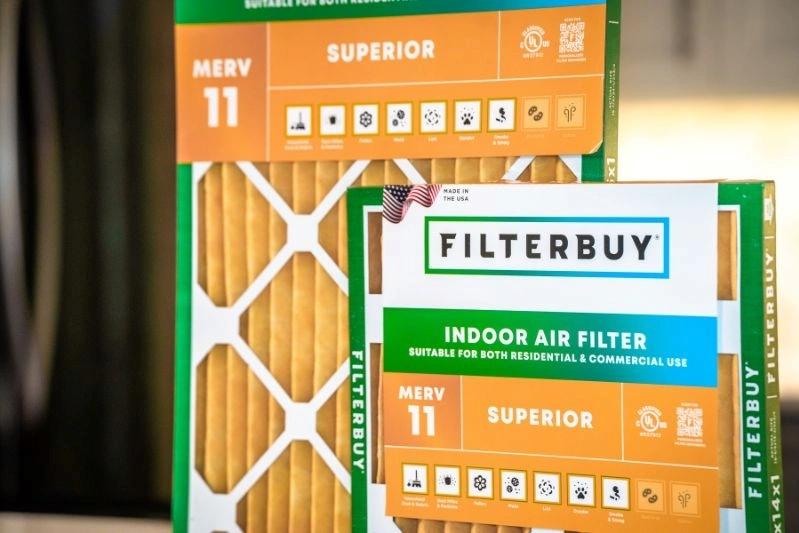
"From firsthand experience at Filterbuy, we’ve seen how combining a furnace humidifier with a high-quality air filter can transform indoor air quality. It's not just about comfort; it's about health and efficiency. Our customers have reported fewer allergy flare-ups, better sleep, and even lower energy bills – all thanks to the perfect balance of moisture and filtration in their homes."
Supporting Statistics: Backed by Trusted Research
At Filterbuy, we’ve seen firsthand how combining furnace humidifiers and air filters improves indoor air quality. Here’s the data to back it up:
1. Indoor Air Pollution
The EPA reports indoor air can be 2 to 5 times more polluted than outdoor air.
Americans spend up to 90% of their time indoors. (epa.gov)
2. Air Filtration Effectiveness
CDC research shows HEPA air filters reduce airborne particles by up to 65%.
Many customers report fewer allergens and cleaner air after using our filters. (cdc.gov)
3. Optimal Humidity Levels
To avoid bacteria and mold, the EPA advises keeping indoor humidity levels between 30% and 50%.
Our furnace humidifiers help customers achieve this balance for healthier air. (epa.gov)
These stats show how furnace humidifiers and air filters can dramatically improve indoor air quality.
Final Thoughts & Opinion
For improved indoor air quality, combining a furnace humidifier and air filter is more than simply an upgrade—it's a need. This is the reason:
Statistics support it: Reputable organizations like the EPA and CDC emphasize the significance of air filtration and appropriate humidity for a healthier environment.
Firsthand experience: At Filterbuy, we've seen our customers reduce allergens, dry skin, and discomfort by using these systems together.
According to our special viewpoint, these systems are essential tools for establishing a genuinely healthy indoor environment rather than merely devices. When combined, they significantly enhance comfort and air quality, even if each one has advantages on its own.
Next Steps: Improve Your Indoor Air Quality
1. Evaluate Your Air Quality
Check for dry air, allergens, or pollutants.
Use a hygrometer to measure humidity.
2. Get a Furnace Humidifier & Air Filter
Choose quality filters and a reliable humidifier.
Explore Filterbuy’s wide range of products.
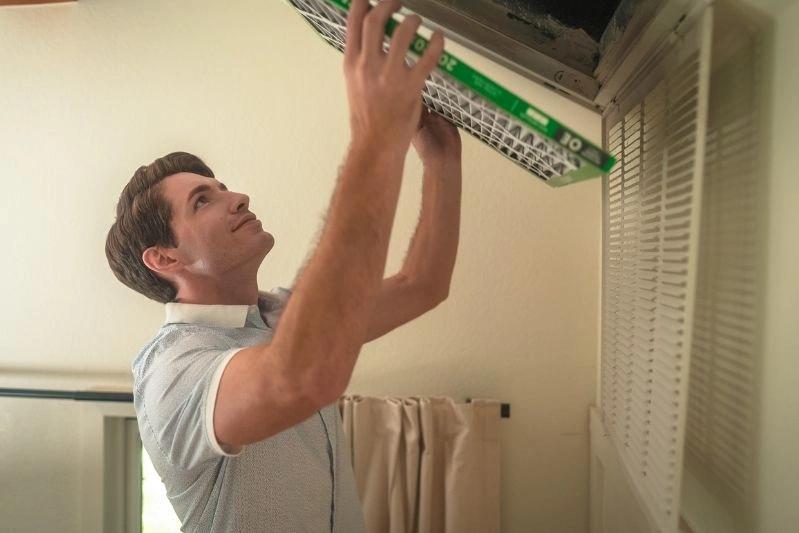
3. Replace Filters Regularly
Change filters every 3 months.
Ensure the right size and type for your furnace.
4. Monitor Humidity Levels
Keep humidity between 30% and 50%.
Adjust the humidifier as needed.
5. Contact Filterbuy for Expert Help
Visit our website or reach out for advice.
Get personalized recommendations for your home.
Take these steps for better air quality and a healthier, more comfortable home.
Frequently Asked Questions
How often should I replace my furnace filter?
Replace your furnace filter every 3 months to maintain optimal air quality and furnace efficiency.
What is the ideal humidity level for my home?
Aim to keep your home’s humidity between 30% and 50% to prevent dryness and mold growth.
Can a furnace humidifier help with allergies?
Yes, a furnace humidifier helps maintain balanced humidity, which can reduce allergens like dust and pollen.
How do I know if my air filter is the right size?
Check the model number on your furnace or consult your manual to select the correct filter size.
Do furnace humidifiers use a lot of energy?
No, modern furnace humidifiers are energy-efficient and consume very little power while improving comfort.