
What MERV Rating Is Best for Filtering Bacteria?
July 23, 2026
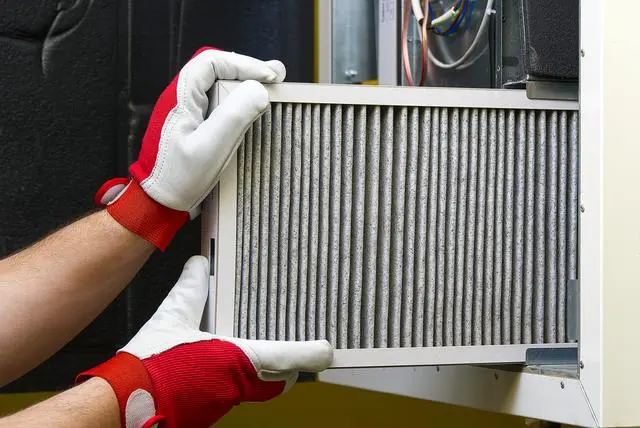
When you’re thinking about the air quality in your home, it’s natural to wonder what’s floating around unseen. For many, a key concern is airborne bacteria. The right air filter in your HVAC system can make a significant difference, but knowing which one to choose is crucial. The effectiveness of a filter is measured by its MERV rating, which indicates how well it captures particles of different sizes. Since bacteria often travel on tiny aerosol particles, a higher MERV rating generally means better filtration.
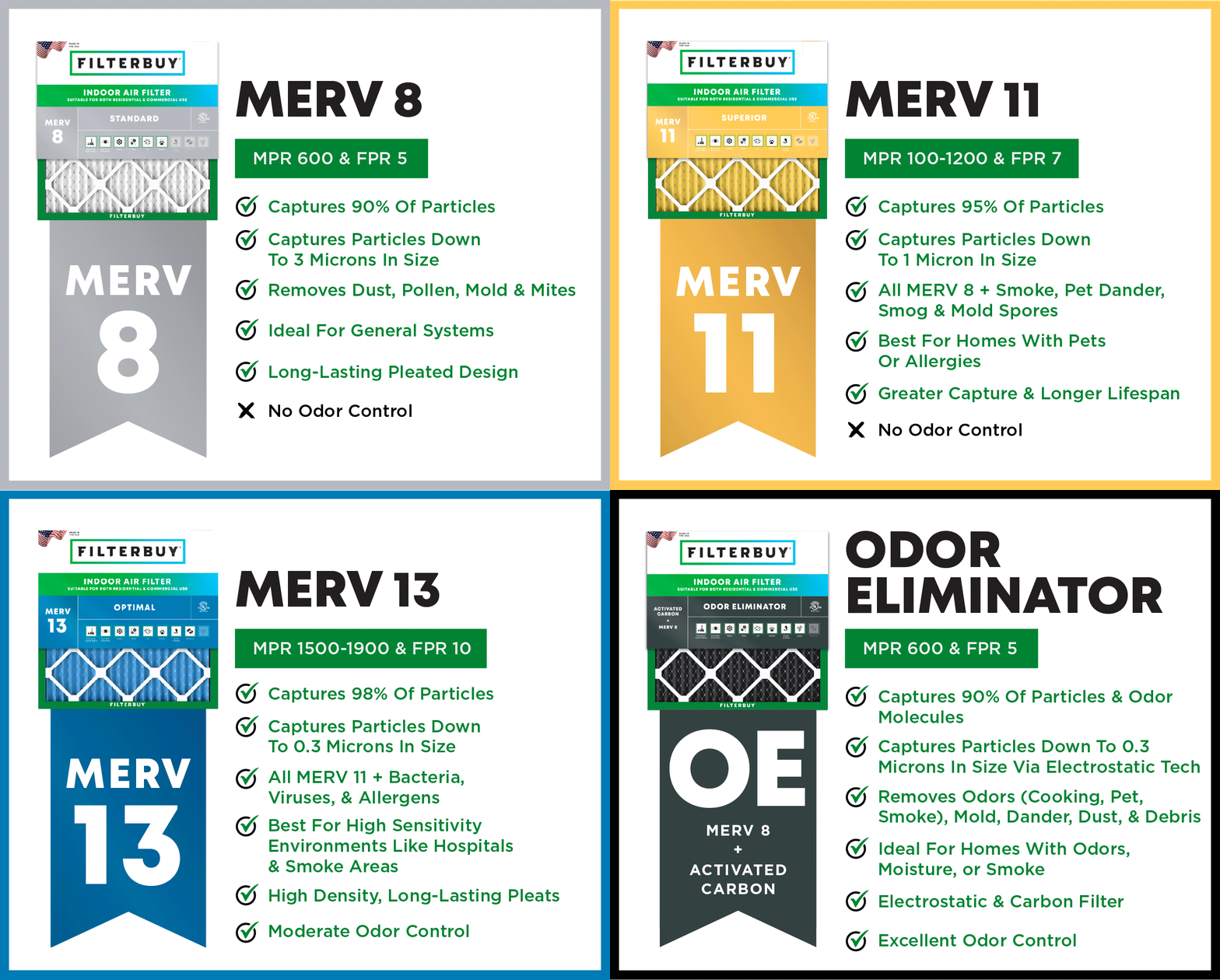
The go-to choice for capturing bacteria in most homes is a MERV 13 filter. However, it's essential to ensure your HVAC system can support it without restricting airflow. If it can't, opting for the highest MERV rating your system can handle—often MERV 8 or MERV 11—is the next best step.
Key Takeaways
Best for Bacteria: In most homes, a MERV 13 filter is the ideal choice for capturing bacteria. If your system can't handle it, use the highest rating it supports.
How Bacteria Travels: Bacteria often piggyback on airborne particles between 1–3 micrometers (μm) in size. Finer filters, like MERV 13, are more effective at trapping these particles.
Compatibility Matters: If a MERV 13 filter isn't compatible with your HVAC system, a pleated MERV 8 or MERV 11 filter offers a great balance between particle capture and healthy airflow.
Stay Consistent: To maintain performance, replace your filter with Filterbuy every 1–3 months, depending on your home environment and system usage.
What MERV Ratings Mean for Bacteria
MERV stands for Minimum Efficiency Reporting Value. It’s a scale from 1 to 20 that rates how effectively an air filter captures airborne particles. The higher the number, the smaller the particles it can trap. Think of it like a net: a MERV 8 filter has a wider mesh, while a MERV 13 filter has a much finer one, catching more of the tiny particles that pass through.
According to the Environmental Protection Agency (EPA), filters with a MERV 13 rating can capture a significant portion of airborne particles in the 0.3 to 1.0 micrometer range. This is the sweet spot for trapping many of the aerosol droplets that carry bacteria and viruses. This is why MERV 13 is often recommended in residential guidelines for homeowners looking to improve indoor air quality and reduce airborne contaminants.
Is MERV 13 Always the Best Choice?
A MERV 13 filter provides excellent protection and is a great choice for improving indoor air quality. While these high-efficiency filters are denser, modern HVAC systems can handle them with ease, and the benefits are well worth it.
By capturing smaller particles like allergens and pollutants, MERV 13 filters create a cleaner, healthier home environment. With Filterbuy’s high-quality filters, you can ensure optimal performance and air quality, giving you the protection you need without compromise.
But, how do you know if your system is compatible?
Check Manufacturer Recommendations: Look at your HVAC system's manual or the filter slot for any MERV rating limits.
Listen to Your System: After installing a new filter, listen for unusual whistling noises or notice a significant drop in airflow from your vents. These are signs the filter might be too restrictive.
Consult a Professional: If you're unsure, an HVAC technician can assess your system’s fan power and tell you the highest MERV rating it can safely handle.
The EPA advises using a MERV 13 filter or the highest rating your system can accommodate without negatively impacting performance. If a MERV 13 isn’t a good fit, a pleated MERV 8 or MERV 11 filter from Filterbuy is an excellent alternative. These filters still capture a good amount of smaller particles while ensuring your system runs smoothly.
Filter Effectiveness: What Matters Most
Independent tests consistently show that high-efficiency filter media is effective at capturing particles that carry bacteria and viruses. The key isn't just the filter's rating, but also its construction and how well it fits.
Air will always follow the path of least resistance. If your Filterbuy filter doesn't fit snugly in its slot, air and the contaminants it carries will simply go around it, a problem known as air bypass.
To ensure your Filterbuy filter works as intended, it must fit tightly in the frame. A well-fitted MERV 11 Filterbuy filter will always outperform a poorly fitted MERV 13.
Choosing the Right Filter for Your System
Selecting the correct filter depends on your specific setup and air quality goals.
For Central AC/Furnace Systems
For most modern central air conditioner and furnace units, starting with a MERV 13 filter is the best approach for bacteria filtration. If you find it restricts airflow, step down to a MERV 11 or MERV 8 pleated filter. These provide a solid upgrade over basic fiberglass filters without putting undue stress on your system.
For Portable Air Purifiers
If you use a portable air purifier to supplement your home's filtration, make sure it uses high-efficiency media. These units are effective for capturing bacteria and viruses in a specific area, but only if they are sized correctly for the room. Check the unit’s clean air delivery rate (CADR) to ensure it can adequately clean the space.
Replacement Cadence & Reminders
A filter is only effective when it's clean. A clogged filter can’t do its job and can harm your HVAC system. Plan to replace your air filters every 1 to 3 months. You might need to change them more often if you have pets, live in a dusty area, or run your system frequently.
Why Buy MERV 8–13 Pleated Filters from Filterbuy
Filterbuy makes it easy to find high-quality, American-made filters for your home. We offer a broad selection of sizes to fit virtually any residential HVAC system.
MERV 13 for Bacteria: Our MERV 13 filters are the top choice for homeowners focused on capturing bacteria and other fine particles.
MERV 8 & 11 for Balanced Performance: If your system is older or more sensitive, our MERV 8 and 11 filters offer an ideal blend of filtration and airflow.
Convenience: With easy online ordering and an auto-delivery option, you can set your replacement schedule and never forget to change your filter again. Get your replacement MERV 13 bacteria filter delivered right to your door—no trip to the store needed.
How to Install a New Filter from Filterbuy
Installing your new filter correctly takes just a few minutes and makes all the difference.
Check the Arrow: Locate the airflow arrow on the filter frame. It must point toward the HVAC unit (away from the air intake).
Ensure a Snug Fit: Slide the filter into the slot. It should fit snugly without any large gaps around the edges.
Seal Check: If you see gaps, consider using weather stripping to create a tighter seal.
Record the Date: Write the installation date on the filter frame.
Set a Reminder: Put a reminder in your calendar to check it in one month and replace it within three.
If you notice a whistling sound or a major drop in airflow after installation, your filter may be too restrictive. Consider stepping down one MERV tier (e.g., from 13 to 11) and check again. Or feel free to ask our professionals to be sure.
Your Path to Cleaner Air With Filterbuy
For homes looking to effectively filter bacteria, the goal should be a MERV 13 filter. It provides a high level of protection against the fine particles that carry germs. If your system can’t support it, a high-quality MERV 8 or MERV 11 pleated filter is a strong and practical alternative. By choosing the right filter and replacing it regularly, you can significantly improve your home’s indoor air quality.
Ready to upgrade? Shop Filterbuy’s full range of MERV 8, 11, and 13 filters and find the perfect fit for your home.
Frequently Asked Questions
What MERV rating is best for filtering bacteria in homes?
A MERV 13 rating is recommended for filtering bacteria, as it effectively captures the small aerosol particles they travel on. If your HVAC system cannot handle MERV 13, use the highest rating it supports, typically MERV 8 or 11.
Can my furnace or air conditioner handle a MERV 13 filter?
Many modern HVAC systems can, but it's important to verify. Check your system's manual or consult an HVAC professional. Signs of incompatibility include reduced airflow or a whistling sound from your vents.
If my system can’t use MERV 13, is MERV 8 or 11 still helpful for bacteria?
Yes. Pleated MERV 8 and MERV 11 filters are a significant upgrade from standard filters. They improve particle capture while maintaining healthy airflow, making them a practical choice for systems that can't support higher MERV ratings.
How often should I replace a MERV 13 bacteria filter?
You should typically replace a MERV 13 filter every 1–3 months. Factors like pets, smoking, and local air quality may require more frequent changes.
Does a tighter filter reduce airflow or stress my HVAC?
A higher MERV rating does increase air resistance. It’s crucial to choose the highest MERV rating your system can handle without straining the fan motor. Ensuring a snug fit also prevents air bypass, which makes the filter work more efficiently.
Do portable air purifiers help with bacteria too?
Yes, portable units with high-efficiency filters are effective at capturing bacteria in a single room. For best results, choose a purifier with a CADR (Clean Air Delivery Rate) appropriate for your room size.
What’s the difference between pleated and fiberglass filters for bacteria?
Pleated filters, especially those with a MERV 8–13 rating, have more surface area and denser media than basic fiberglass filters. This allows them to capture far more small particles, including those carrying bacteria.
Where can I buy a replacement MERV 13 bacteria filter nearby?
You can order a replacement MERV 13 filter directly from Filterbuy. We offer a wide range of sizes and fast delivery right to your door, saving you a trip to the store.
Are MERV 13 filters recommended by health authorities?
Yes, government bodies like the EPA consistently recommend using a filter with at least a MERV 13 rating in residential settings to improve indoor air quality.
Will a MERV 13 help with viruses as well as bacteria?
Yes, high-efficiency filters like MERV 13 can capture many of the respiratory droplets and aerosols that carry viruses. For best results, ensure the filter fits tightly and run your HVAC system's fan continuously.