
12x36x1 Air Filters
Actual Size: 11.88x35.88x0.75

3 month filters
2. Select Quantity
Buying multiple sizes?


Made in the USA
Ships in 24 hours
12x36x1 Air Filters Air Filter Description
Available In MERV Rating: 8, 11, 13
Made in the USA
Ships in 24 hours
Merv comparison
Scroll to see more.
 MERV 8 |  MERV 11 |  MERV 13 | |
|---|---|---|---|
| Best for | Standard Residential/Commercial Healthy Families | Superior Residential/Commercial Allergy Sufferers | Optimal Residential/Commercial Hospital Grade |
| Comparable ratings | MPR 600 & FPR 5 | MPR 1000-1200 & FPR 7 | MPR 1500 - 1900 & FPR 10 |
| Filtration | Captures 90% of Airborne Particles | Captures 95% of Airborne Particles | Captures 98% of Airborne Particles |
| Dust, lint & debris | |||
| Mold, pollen | |||
| Dander, dust mites | |||
| Smoke & Smog | |||
| Bacteria | |||
| Odor, vocs |
Is it time to change your filter?
Generally, we recommend you replace your air filters every 90 days. Find out below if you should change your filters more often.

If someone in your home has asthma or allergies...
Change your filter every
6 weeks
to ensure indoor air quality is at its best.
If you have pets...
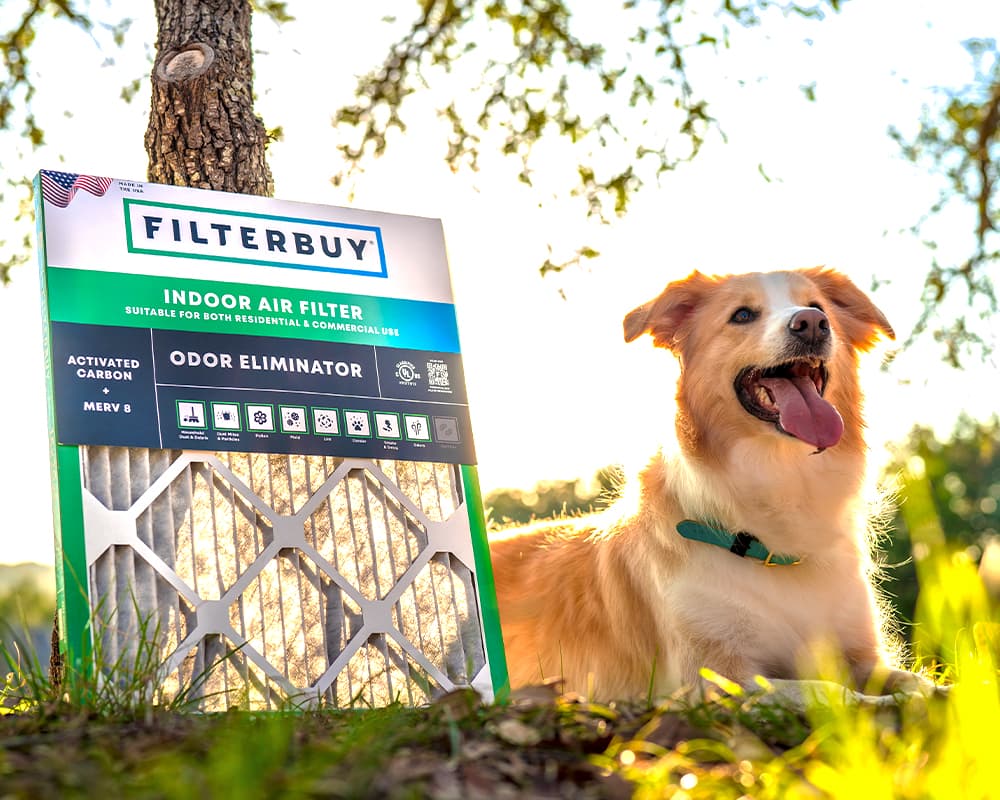
Change your filter every
2 months
to avoid shedding and odor buildup.

If you have young children...
Change your filter every
2-3 months
as having clean air is even more important with children in your home.
If someone in your home has asthma or allergies...
Change your filter every
6 weeks
to ensure indoor air quality is at its best.
If you have pets...
Change your filter every
2 months
to avoid shedding and odor buildup.
If you have young children...
Change your filter every
2-3 months
as having clean air is even more important with children in your home.
How to Choose the Best 12x36x1 Air Filters for Your HVAC System
It is important to know how to choose the right air filters for your home. Choose the correct size to avoid system strain and higher energy costs. While high MERV ratings are beneficial, ratings that are too high reduce airflow. Filters made of pleated synthetic fibers improve air quality.
When choosing filters, consider long-term costs—frequent replacements of cheap filters can reduce savings.
If you want to improve HVAC performance and air quality, keep reading.
Key Takeaways
Filter materials matter; pleated polyester or cotton options capture more particles compared to fiberglass.
Assess the MERV rating; higher ratings benefit allergy or asthma sufferers significantly.
Make sure the filter size fits your HVAC system. For peak performance and energy savings.
Select brands that are recognized for quality and durability.
Consider lifespan alongside long-term savings; Filterbuy 12x36x1 air filters often provide better longevity and cost-effectiveness over time.
Understanding Air Filter Basics
Understanding air filter basics is important in HVAC systems. A good filter improves air quality. While a poor one causes inefficiency and even damage to the system.
Filters come in various types. Pleated filters trap dust mites and pollen. While fiberglass filters are cheaper but less effective at capturing smaller particles. Understanding your needs helps you choose the right filter.
MERV ratings measure a filter's ability to catch particles. Higher numbers mean better filtration. A high MERV rating isn’t always better. Very high ratings can reduce airflow, making the system work harder. It's important to find a balance based on your system's needs and capacity.
With filter basics in mind, making informed decisions becomes easier. Try Filterbuy’s replacement 12x36x1 air filters. They are designed to last longer. They maintain superior indoor air quality and keep your energy costs low!
Importance of Correct Filter Size
Your HVAC system needs the correct filter size to work efficiently. Understanding filter compatibility is key to improving performance.
Choosing a filter that's too large or too small can cause major issues. Compatibility isn't just about fitting; a mismatched filter can reduce airflow efficiency.
If the filter is too small, unfiltered air can enter the system, increasing costs as it works harder.
A larger filter may not fit properly. Risking collapse or leaving gaps where air can bypass the filter.

Evaluating Air Filter Quality
Evaluating air filter quality goes beyond a shiny package or brand name. Focus on the materials and lifespan, as these are key indicators of performance for HVAC systems.
Air conditioner 12x36x1 air filters have high-quality materials. Like pleated synthetic fibers or electrostatically charged materials. They trap smaller particles and improve indoor air quality. Avail pleated replacement 12x36x1 air filters. These perform better than basic fiberglass filters.
Filter lifespan is also important. A 12x36x1 air filter lives for one to three months, depending on usage and indoor air quality.
Don’t buy 12x36x1 air filters that are low-quality. They need constant replacements. They don't save money in the long run.
Cost-Efficiency of 12x36x1 Filters
12x36x1 air filters offer great value. The true cost of an air filter isn't just the price of the air filters but long-term savings. A quality 12x36x1 air filter improves your HVAC system's health.
The Filterbuy 12x36x1 furnace air filter is built for durability. Meaning no need for frequent replacements. It saves time and money! They maintain efficiency for lower bills and cleaner air over time.
The price of 12x36x1 air filters offer a balance of affordability, energy savings and longevity. This helps maintain HVAC efficiency.
Recommended 12x36x1 Air Filters
Filter companies like Filterbuy HVAC Solutions offer excellent filtration efficiency. Improving HVAC system life and air quality. Here’s your guide when looking for an ideal air filter for your home:
Air filter materials greatly impact performance. Pleated filters trap more particles than traditional fiberglass filters. Pleated filters protect HVAC systems and improve indoor air quality.
Choose the correct MERV rating. The right filter depends on your needs. Filters with high MERV ratings are good if you suffer allergies or asthma.
Choosing the right size is important for optimal HVAC performance. Properly sized filters improve efficiency. It also lowers energy costs.
Consideration of filter types and power efficiency is key. Prioritize quality when selecting your next filter.
Frequently Asked Questions
What is the best MERV rating on air filters?
The best MERV rating on air filters depends on your needs. A MERV rating of 8 to 13 is good for residential homes. This range provides the optimal balance between air quality and system efficiency. Higher MERV ratings provide better filtration. But can also restrict airflow and strain your system.
Are MERV 11 filters worth it?
Yes. MERV 11 filters are a worthwhile investment for improving indoor air quality. They are not too restrictive for most residential HVAC systems. They effectively filter out small particles. Without reducing air flow. Or making your HVAC system work overly hard.
Does MERV matter on air filters?
Yes. MERV ratings matter. They indicate how well an air filter traps airborne particles. A higher MERV rating means better filtration. But it may also reduce airflow if your HVAC isn’t designed for it. Choosing the right MERV rating balances air quality and system performance.
What's a disadvantage of the highest MERV rated filters?
One disadvantage of the highest MERV rated filters is that they restrict airflow. This makes the HVAC work harder. Potentially increasing your energy costs and reducing the system's lifespan.
Is MERV 11 too high for residential?
MERV 11 is not too high for most residential systems. It provides excellent filtration for common pollutants like dust, pollen and pet dander. This makes it a great choice for households with allergies. Just ensure your HVAC can handle the slightly higher resistance to airflow.
Is there a downside to high MERV filters?
Higher MERV filters can restrict airflow. The filter's weave becomes tighter as the MERV rating increases. It’s harder for air to pass through. This causes your HVAC system to work harder.
How often should MERV 11 be changed?
MERV 11 filters should be changed every 1 to 3 months. Depending on your home environment. Homes with pets, smokers or in areas with high dust may need more frequent changes. This maintains optimal air quality and system efficiency.
Is MERV 8 good enough for pets?
Yes. A MERV 8 filter is good enough for homes with pets. It captures larger particles like dust, pet hair and pollen. However, if you have multiple pets or allergy concerns, a MERV 11 filter may offer better protection against smaller allergens.
Does MERV 11 restrict airflow?
MERV 11 filters slightly restrict airflow. But most modern HVAC systems can handle it without issue. If you have concerns about airflow or system performance, it’s best to consult your HVAC technician before upgrading to a higher MERV rating.
What is the best MERV rating for residential use?
The best MERV rating for residential use is between 8 and 11. MERV 8 provides good basic filtration, while MERV 11 offers better protection against smaller particles like allergens and pet dander without overly restricting airflow.