
Tip: Ensure you buy the exact air filter size for your system. Certain brands have precise dimensions that only fit their specific models. See related filters
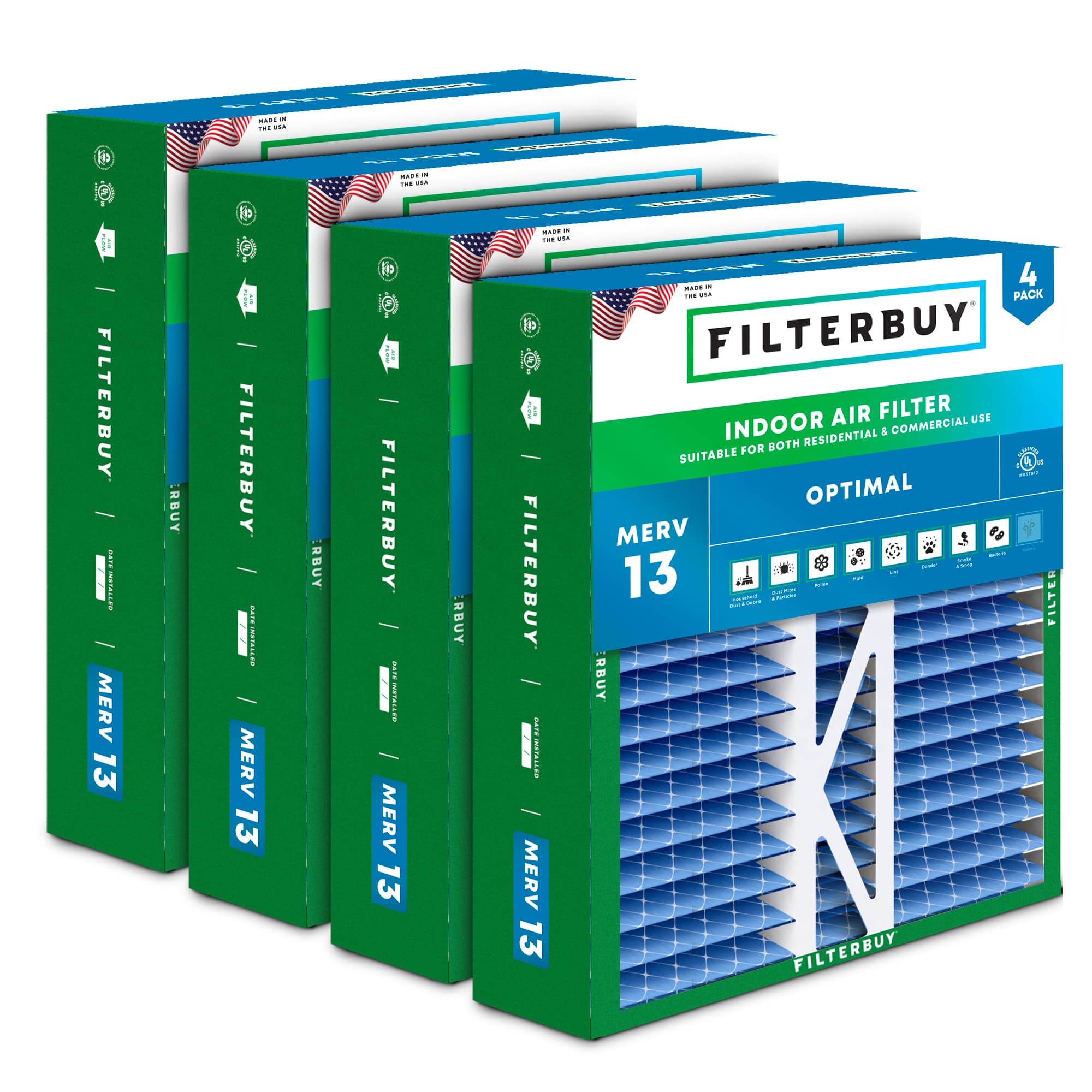
Five Seasons 16x22x5 MERV 13 Replacement Filter
Actual Size: 15.38x21.88x5.25
 Free Delivery
  Factory-Direct Low Prices, Made in the USA
 Hassle-Free Returns & Free Exchanges
RESIDENTIAL AND/OR COMMERCIAL USE
Change Every 3 Months
Tip: Ensure you buy the exact air filter size for your system. Certain brands have precise dimensions that only fit their specific models. See related filters
Five Seasons 16x22x5 MERV 13 Replacement Filter
Actual Size: 15.38x21.88x5.25
Free Delivery Factory-Direct Low Prices, Made in the USAHassle-Free Returns & Free ExchangesRESIDENTIAL AND/OR COMMERCIAL USE
Change Every 3 Months
Tip: Ensure you buy the exact air filter size for your system. Certain brands have precise dimensions that only fit their specific models. See related filters
Five Seasons 16x22x5 MERV 13 Replacement Filter
Actual Size: 15.38x21.88x5.25
Free Delivery Factory-Direct Low Prices, Made in the USAHassle-Free Returns & Free ExchangesRESIDENTIAL AND/OR COMMERCIAL USE
Change Every 3 Months
About
- This is a list 16X22X5 MERV 13 air filter replacement for your furnace, air conditioner, heat pump, or HVAC system
- Actual air filter size: 15.38x21.88x5.25
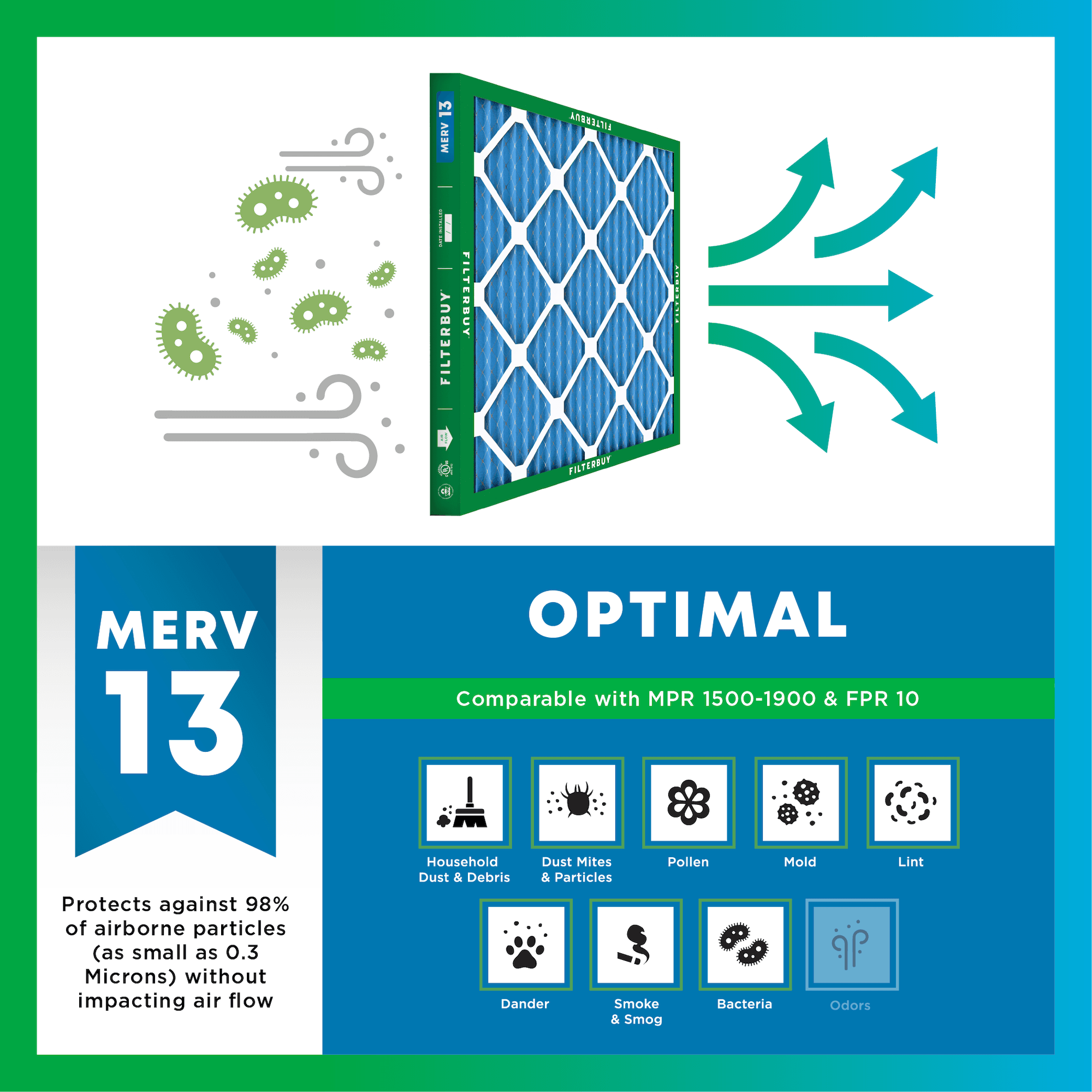
- MERV 13 synthetic media (comparable with MPR 1500/1900 and FPR 10) offers the best protection from dust, pollen, pet dander, mold, smog, bacteria, and virus carrying particles by trapping 98% of airborne particles without impacting air flow.
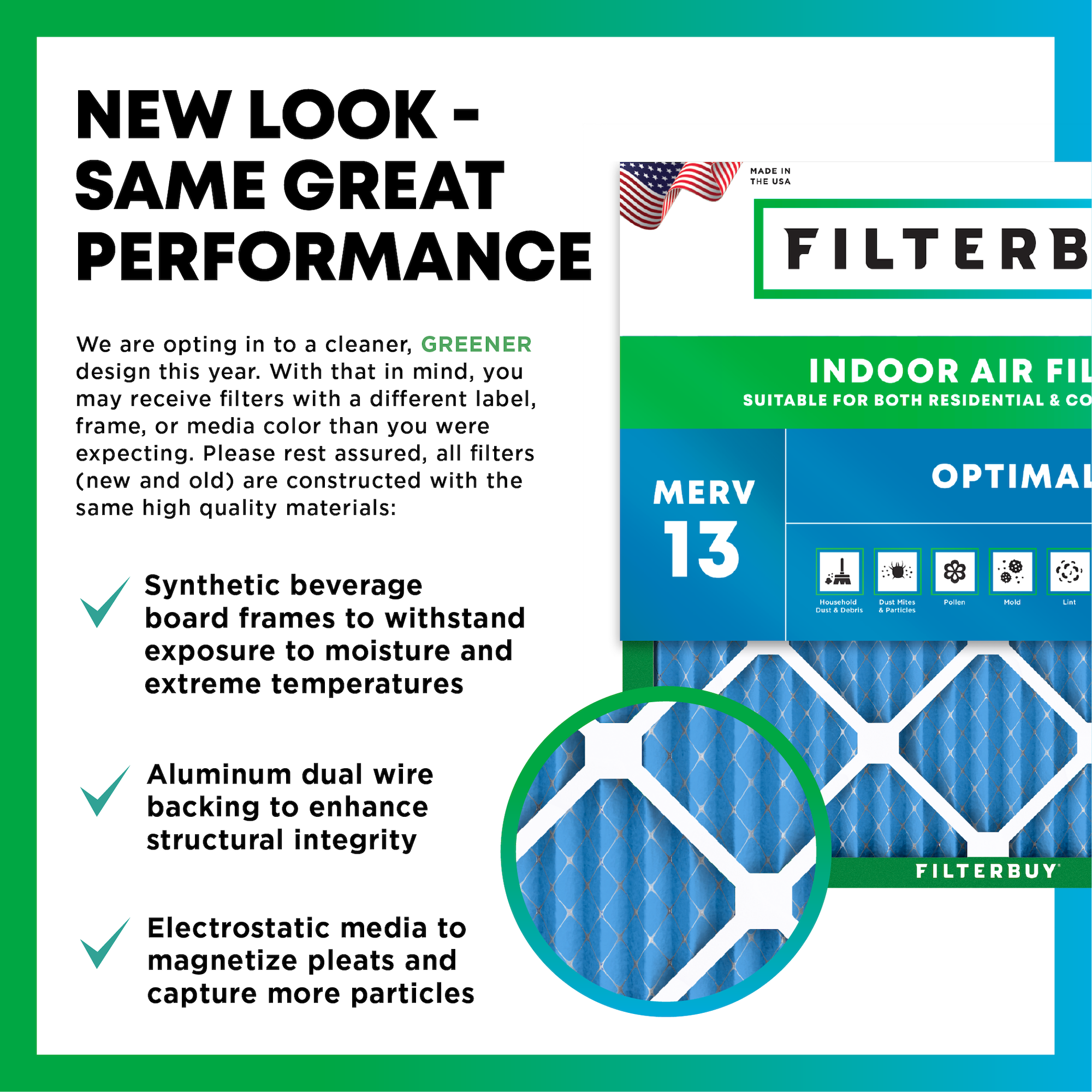
- High-quality construction means electrostatically charged pleated filter media, reinforced wire backing for structural integrity, and a durable frame to resist heat and humidity
- Built to last 3 months. 300% longer than fiberglass models
- 100% manufactured in the United States and designed with recyclable materials
- Learn more about 16X22X5 Air Filters
Top-Rated Filters. American Made. Delivered Free.
At Filterbuy, we don't cut corners—we craft high-quality air filters right here in the USA and ship them to your doorstep for free. No delays, no gimmicks—just clean air, made easy. With thousands of five-star reviews and filters built for real life & every HVAC system, it's no wonder why over 4 million families trust Filterbuy.

Proudly Made In The USA

Fast, Free Shipping on Every Order

Premium Materials That Go The Distance

85,000+ 5-Star Reviews From Happy Customers

Save Up to 70% Per Filter with Packs
Things to Know About Filter Sizes

Nominal Size
- The rounded size printed on your filter or HVAC unit (e.g., 16X22X5).
- Usually whole numbers to make identifying and ordering easier.
- A label for compatibility—not the exact measurement.

Actual Size
- The true, trimmed dimensions of the filter (e.g., 15.38x21.88x5.25 inches).
- Filters are manufactured slightly smaller so they slide into the filter slot without forcing.
- If you don't know your nominal size, measure your filter to get the actual size, then round up to find the nominal size to search on our site.

Why the difference?
- Nominal sizes simplify shopping and standardize categories.
- Actual sizes ensure the filter fits properly inside your HVAC's filter rack.
How To Find Your Nominal Size When You Don't Know It


Measure length × width × depth with a tape measure to find the actual size.

Round up each dimension to the nearest whole number to get the nominal size. Example: 15.38x21.88x5.25 in → 16X22X5 nominal.

Search by nominal size on our site for the best fit.

Why Getting the Right Size Matters
- Too small? Air can bypass the filter, reducing air quality and efficiency.
- Too big? It won't fit—risking bent frames and airflow issues.
- Just right? You get maximum performance, better filtration, and cleaner air.

Why Choose a 5″ filter

5″ filters give you maximum filtration with minimal maintenance — lasting up to 12 months while handling higher MERV ratings without restricting airflow.
Sizing note:
- Requires a 5″ cabinet or system.
- Actual thickness varies by brand (~4¾″–5¼″), so check your model for the best fit.

Free Exchange Policy
If the filter you buy doesn't fit, we'll send you a better size.

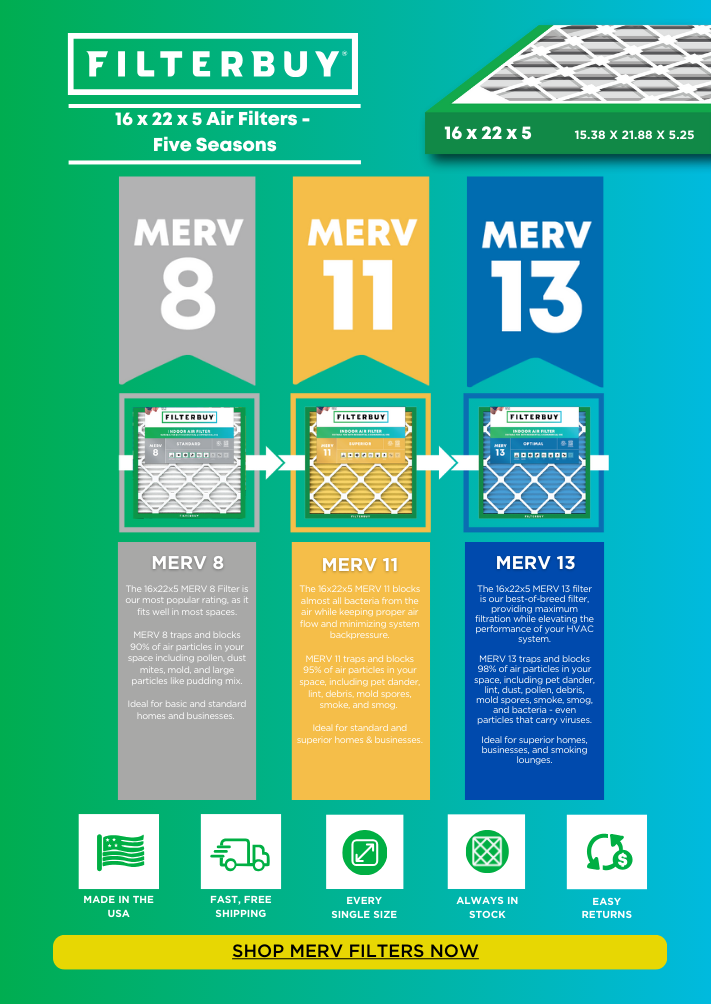
What's a MERV Rating?
MERV stands for Minimum Efficiency Reporting Value—but don't let the technical name fool you. It's just a way to rate how well an air filter traps stuff like dust, pollen, pet dander, and smoke. The higher the MERV number, the more particles it catches—and the cleaner your air will be.

Merv 8
Comparable to:FPR: 4-7
MPR: 600-1000
 Dust & Debris
 Dust Mites & Particles
 Pollen
 Mold
Mold Lint
Lint Dander
Merv 11
Comparable to:FPR: 6-9
MPR: 1200-1550
Dust & DebrisDust Mites & ParticlesPollenMoldLintDander Smoke & Smog
Merv 13
Comparable to:FPR: 10
MPR: 1900-2800
Dust & DebrisDust Mites & ParticlesPollenMoldLintDanderSmoke & Smog Bacteria
MERV 8
Comparable to:FPR: 4-7MPR: 600-1000


MERV 11
Comparable to:FPR: 6-9MPR: 1200-1550

MERV 13
Comparable to:FPR: 10MPR: 1900-2800
What Makes Our Filters Last 90 Days? Quality, From the Inside Out
We build every Filterbuy filter to deliver reliable 90-day performance—thanks to smart design and premium materials that do the heavy lifting. Here's what makes the difference:
Pleated Design
More pleats = more surface area to capture dust and debris, keeping your air cleaner longer.
Electrostatically Charged Media
Pleats are magnetized to attract and trap microscopic particles—like pet dander, pollen, and smoke.
Synthetic Beverage Board Frame
Engineered to resist warping in extreme temperatures and high humidity.

Aluminum Dual Wire Backing
A layer of metal reinforcement keeps pleats evenly spaced and structurally sound—no sagging, even at high airflow.
Made in the USA
Assembled with care. Built to perform. Ships fast, free, and reliably from our U.S. facilities.
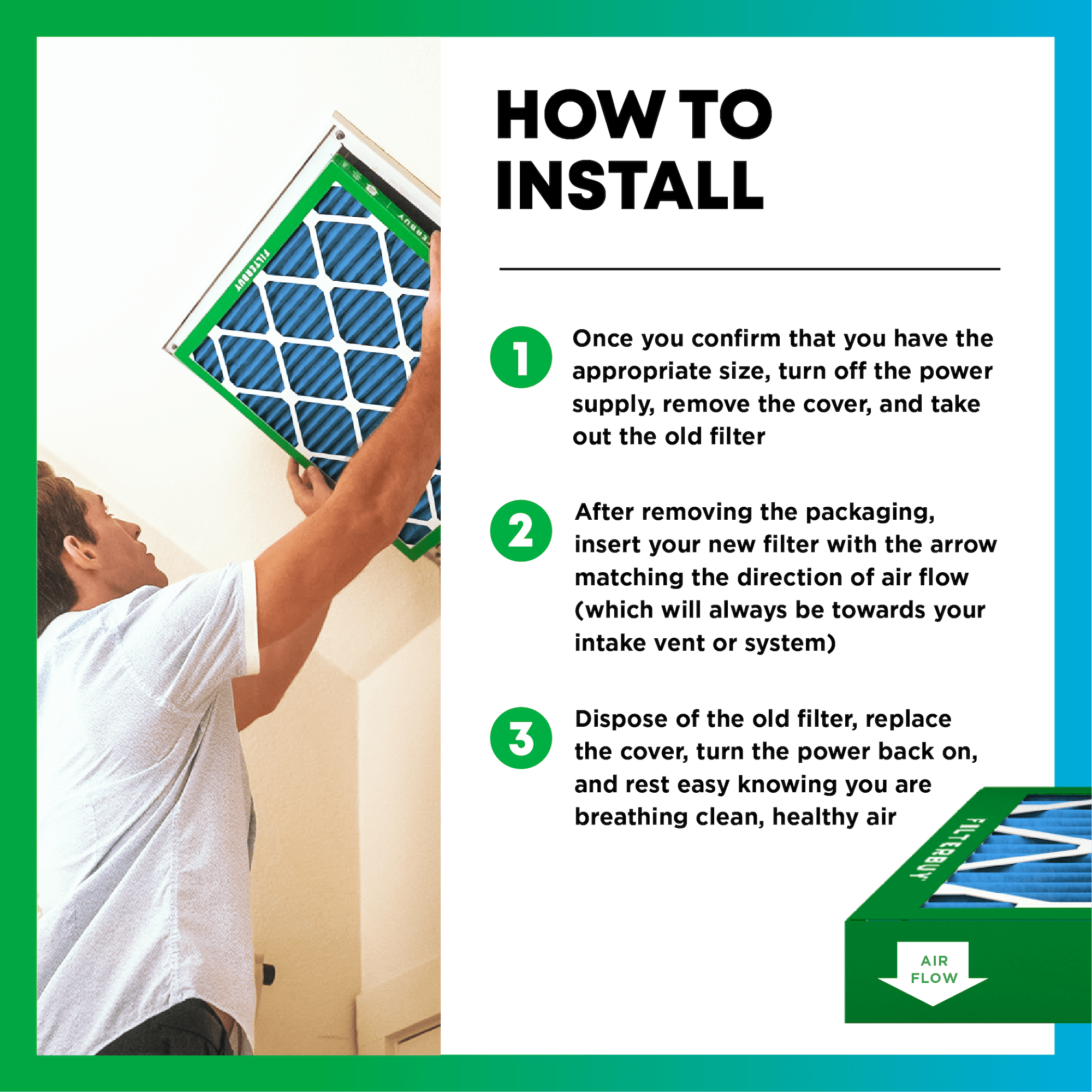
How to Install Your Filter in 4 Simple Steps

Turn Off Your HVAC SystemSafety first.

Remove The Old FilterLook for the airflow arrow and make note of the direction.

Slide In Your New FilterArrow should point toward the system (same direction as before).

Turn Your System Back OnAnd enjoy the fresh, clean air.

Never forget to replace your air filter again.
- Save 5% on every order
- Choose Your Delivery Schedule
- Edit, Skip, or Cancel Anytime.
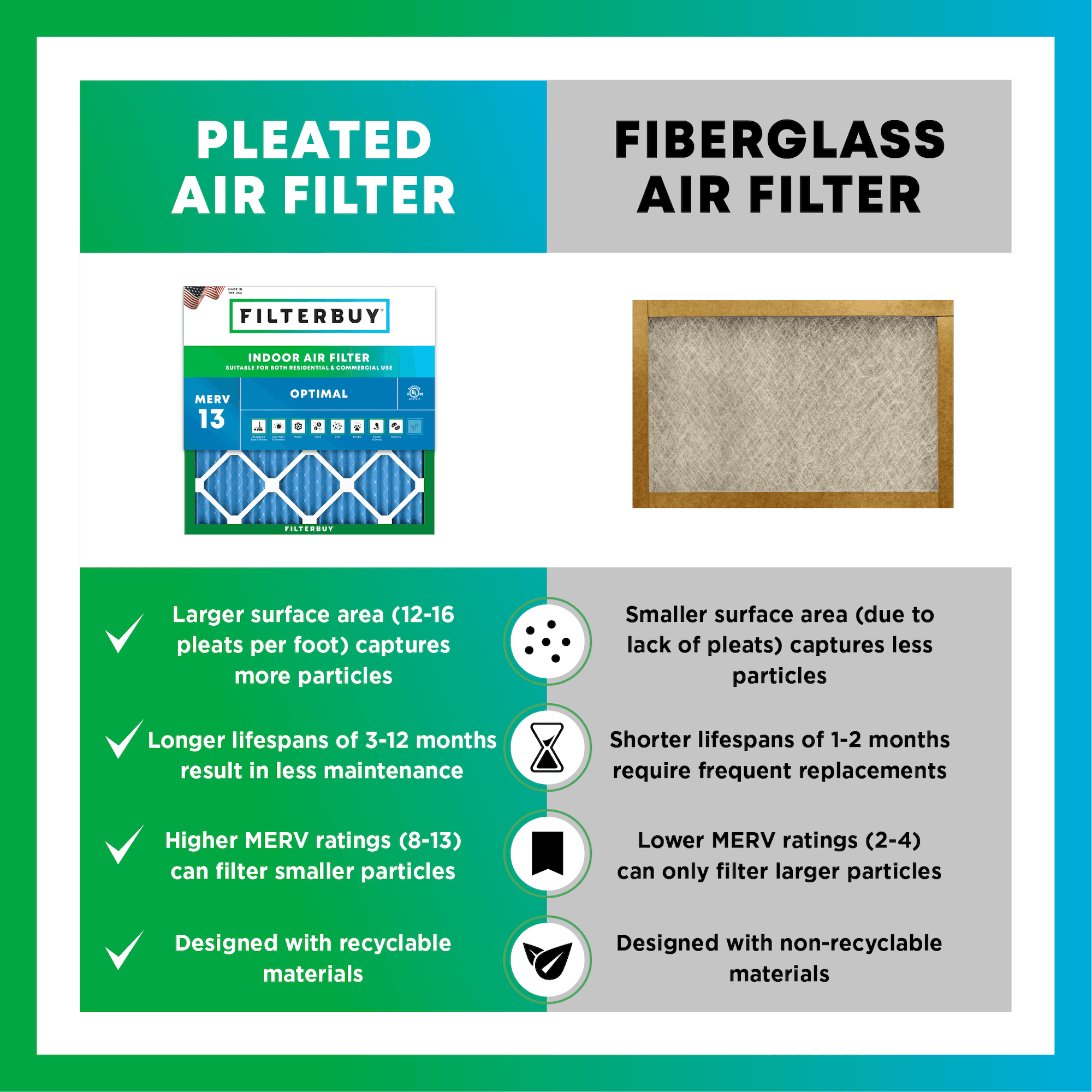
Pleated Filters vs. Fiberglass—What's the Difference?
Not all air filters are created equal. Pleated filters don't just last longer—they actually clean your air better. Here's how they stack up:

Pleated Filters
Efficiency:
High (MERV 8–13) – Traps more particles
Lifespan:
90 days – Long-lasting performance
Air Quality:
Excellent – Cleaner, healthier air
Materials:
Recyclable and durable

Fiberglass Filters
Efficiency:
Low (MERV 4 or less) – Misses small stuff
Lifespan:
30 days or less – Replace often
Air Quality:
Minimal – Basic protection only
Materials:
Thin, flimsy, and not recyclable
Pleated filters are a no-brainer—more protection, less hassle, and better air for your home.
How Often Should You Change Your Filter?
Changing your filter on time keeps your HVAC system running efficiently—and helps protect your lungs from dust, allergens, and airborne irritants. Here's how often to swap it out based on your needs:

Every 90 Days
Standard ScheduleFor most homes without pets or special air quality concerns. Great for general upkeep and energy efficiency.

Every 60 Days
If You Have Pets or AllergiesShedding fur, dander, and allergy triggers can build up fast. Changing your filter every two months helps keep the air fresher and symptoms at bay.

Every 30 Days
If You Have Respiratory Concerns or Live in Smog/Wildfire ZonesFor households affected by smoke, pollution, or respiratory conditions, monthly changes ensure maximum protection.

Want to stay on track? Set a reminder—or skip the stress with auto-delivery so fresh filters show up right when you need them.
Don't Just Take Our Word For It...
Got More Questions? We've Got Answers.
Product Specifications
| Nominal Size | 16X22X5 |
| Actual Size | 15.38 x 21.88 x 5.25 inches |
| Filter Type | Pleated |
| Media | Electrostatically Charged |
| Frame | Beverage Board |
| MERV Ratings Available | 8, 11, 13 |
| Lifespan | Up to 12 Months |
| Origin | Made in USA |
Seasonal Filter Change Tips Using A MERV 13 16x22x5 Five Seasons Filter
Your MERV 13 16x22x5 Five Seasons filter doesn't follow a fixed replacement schedule—seasonal conditions dictate when it actually needs changing. After manufacturing millions of MERV 13 filters, we've observed that spring pollen loads can cut filter lifespan by 30% compared to winter months, while summer humidity accelerates particle accumulation in ways most homeowners don't anticipate.
This guide shares the seasonal replacement patterns we've identified through direct manufacturing experience and ongoing customer feedback. You'll learn to recognize the visual and airflow signals that indicate your specific filter is ready for replacement—not arbitrary calendar reminders. Customers consistently tell us this approach has reduced their energy costs while maintaining the dust, pollen, and mold spore protection MERV 13 delivers.
TL;DR Quick Answers
MERV 13 16x22x5 Five Seasons Filter
A MERV 13 16x22x5 Five Seasons filter is a high-efficiency air filter designed for Five Seasons HVAC systems that captures particles as small as 0.3 microns—including pollen, mold spores, dust, bacteria, and some viruses.
Key specifications:
Nominal size: 16x22x5
Actual size: 15 3/8" x 21 7/8" x 5 1/4"
Compatible housings: FSBB1620, FSMU1620, FSNC1620
OEM part numbers: FS1620, M0-1056, MU1620, 9183940
What we've learned after manufacturing millions of MERV 13 filters:
Replacement timing should follow seasonal conditions, not fixed 90-day schedules
Spring pollen loads these filters 30–40% faster than winter months
Proper fit prevents air bypass—always verify actual dimensions before ordering
Customers with allergies or respiratory sensitivities consistently report noticeably better protection compared to MERV 8 or MERV 11
Bottom line: MERV 13 delivers superior filtration for households prioritizing indoor air quality—but only when replaced before saturation. Inspect every 3–6 weeks depending on season.
Top Takeaways
Seasonal conditions should drive replacement timing—not calendar reminders. Spring pollen cuts filter lifespan by 30–40% compared to winter months.
MERV 13 protection only works when capacity remains. A saturated filter protects no better than basic fiberglass—inspect every 3–6 weeks depending on season.
Clogged filters increase energy consumption by up to 15%. Timely replacement protects both your utility budget and HVAC equipment.
Your filter tells you when it needs replacement. Trust visual cues and performance signals over arbitrary schedules.
Indoor pollutants run 2–5x higher than outdoor levels. Your MERV 13 filter is the primary barrier—seasonal maintenance keeps it effective year-round.
Why Seasonal Changes Demand a Fresh MERV 13 Filter
Every season brings a different airborne challenge into your home. Spring pollen, summer humidity-driven mold spores, fall ragweed, and winter dust from sealed-up living spaces all put pressure on your HVAC system. A MERV 13 16x22x5 Five Seasons filter is engineered to capture particles as small as 0.3 microns — including bacteria, smoke, and fine allergens — making it one of the most effective residential filtration options available. Swapping it out on a seasonal schedule keeps your system running at peak efficiency and your indoor air noticeably cleaner.
Spring: Lock Out Pollen Before It Takes Over
Pollen counts surge between March and May, and your HVAC system pulls that airborne pollen directly through your ductwork. Replace your 16x22x5 filter at the start of spring with a fresh MERV 13 to trap tree, grass, and flower pollen before it circulates through every room. A clogged winter filter simply cannot handle the sudden spike in particulate load — starting the season fresh makes a measurable difference in allergy symptom reduction.
Summer: Combat Humidity, Mold, and Higher Run Times
Air conditioners run longer during peak summer months, which means your filter processes significantly more air volume. That increased airflow carries mold spores, dust mites, and pet dander at a higher rate. A mid-summer filter check is essential. If your MERV 13 Five Seasons filter looks visibly gray or restricted, replace it — even if it hasn't hit the 6-month mark. Restricted airflow forces your system to work harder, increasing energy costs by up to 15%.
Fall: Prepare for Ragweed and the Heating Transition
Fall is a double threat. Ragweed season peaks in September while you're also transitioning from cooling to heating. This changeover is the ideal time to install a new MERV 13 16x22x5 filter. You're essentially resetting your system for an entirely different operating mode, and a clean filter ensures your furnace ignites its first heating cycle with unrestricted, efficient airflow.
Winter: Defend Against Trapped Indoor Pollutants
Sealed windows and doors during cold months mean indoor pollutants — cooking fumes, pet hair, dust, and volatile organic compounds — recirculate constantly with nowhere to escape. Your MERV 13 filter becomes your primary defense against stale, contaminated air. Replace it in early winter so it can handle the full season of heavy indoor recirculation without choking your blower motor.
The 16x22x5 Advantage: Longer Life Between Changes
The 5-inch depth of the 16x22x5 Five Seasons filter holds significantly more particulate than standard 1-inch filters. This extended media surface area means it lasts longer under heavy loads — typically 6 to 12 months depending on household conditions. That said, seasonal inspections are still critical. Homes with pets, smokers, or ongoing renovation projects will load a filter faster regardless of depth. Pull the filter out, hold it up to light, and if you can't see through it, it's time for a replacement.
Quick Seasonal Filter Change Schedule
Early March — Replace filter to prepare for spring pollen season.
Mid-June — Inspect filter; replace if visibly loaded from high AC usage.
Late September — Install fresh filters before the heating season begins.
Early December — Replace filter to handle peak indoor air recirculation.
Staying ahead of each season's unique air quality challenges with a properly timed MERV 13 16x22x5 Five Seasons filter change protects both your HVAC investment and the air your family breathes every day.
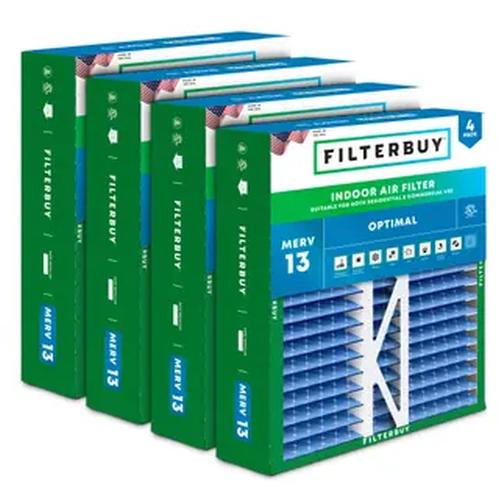
"After manufacturing millions of MERV 13 filters and analyzing customer feedback across every climate zone, we've learned that seasonal awareness beats calendar-based replacement every time—the homeowners who inspect when conditions demand it, rather than when an arbitrary reminder tells them to, consistently report better system performance and fewer unexpected HVAC issues."
7 Essential Resources for Choosing and Maintaining Your MERV 13 16x22x5 Five Seasons Filter
1. Understand What MERV 13 Actually Filters — EPA Rating Guide
The U.S. Environmental Protection Agency breaks down how MERV ratings measure particle capture efficiency from 0.3 to 10 microns. This resource clarifies why MERV 13 delivers superior protection against pollen, mold spores, and fine dust compared to lower-rated filters.
Source: https://www.epa.gov/indoor-air-quality-iaq/what-merv-rating
2. Verify ASHRAE's Professional Recommendation for MERV 13
ASHRAE—the organization that created the MERV rating system—recommends MERV 13 or higher for optimal residential air quality. Their technical FAQ confirms filter selection best practices directly from the industry standard-setters.
Source: https://www.ashrae.org/technical-resources/filtration-and-disinfection-faq
3. Confirm Exact Dimensions and Five Seasons Compatibility
Filterbuy's Five Seasons product page provides actual filter dimensions (15 3/8" x 21 7/8" x 5 1/4"), compatible housing models (FSBB1620, FSMU1620, FSNC1620), and OEM cross-reference numbers. Accurate sizing prevents air bypass and ensures proper fit.
Source: https://filterbuy.com/brand/five-seasons-air-filters/
4. Learn Proper Installation and Maintenance from the DOE
The U.S. Department of Energy outlines correct air filter installation techniques, replacement indicators, and how clean filters protect evaporator coils from dirt accumulation. Following DOE guidance extends both filter and equipment lifespan.
Source: https://www.energy.gov/energysaver/air-conditioner-maintenance
5. Calculate Energy Savings from Regular Filter Replacement
ENERGY STAR documents how clogged filters force HVAC systems to consume up to 15% more energy. Their maintenance guidelines recommend monthly inspections during peak heating and cooling seasons with replacement every 90 days minimum.
Source: https://www.energystar.gov/saveathome/heating-cooling
6. Review Health Benefits of MERV 13 Filtration — American Lung Association
The American Lung Association explains how effective air filtration reduces exposure to asthma triggers including dust mites, mold, pet dander, and particulate matter. MERV 13 filtration supports respiratory health for allergy and asthma sufferers.
Source: https://www.lung.org/clean-air/indoor-air/indoor-air-pollutants
7. Assess Indoor Air Quality Risks That Filtration Addresses — EPA
EPA research confirms indoor pollutant concentrations run 2–5 times higher than outdoor levels, and Americans spend approximately 90% of their time indoors. This resource establishes why proper filtration isn't optional—it's essential.
Source: https://www.epa.gov/report-environment/indoor-air-quality
Supporting Statistics
These statistics from U.S. government and health organization sources align with what we've observed after manufacturing millions of MERV 13 filters.
1. Indoor Air Pollutant Concentrations Exceed Outdoor Levels
The Data:
Indoor pollutant concentrations run 2–5x higher than outdoor levels
Concentrations occasionally exceed 100x outdoor levels
Americans spend approximately 90% of their time indoors
What We've Learned: Filters returned to us confirm this EPA finding—indoor contaminants accumulate faster than most homeowners expect. The primary culprits we see:
Cooking particulates
Pet dander
Household dust
Fabric fibers from increased indoor activity
This is why seasonal inspection outperforms arbitrary calendar reminders.
Source: U.S. Environmental Protection Agency https://www.epa.gov/report-environment/indoor-air-quality
2. Clogged Filters Increase HVAC Energy Consumption by Up to 15%
The Data:
Clogged filters cause up to 15% higher energy consumption
Heating and cooling account for nearly 50% of home energy costs
What We've Learned: This DOE statistic holds true in our experience—but seasonal conditions accelerate the timeline:
Spring pollen loads filters 30–40% faster than winter
Summer humidity promotes moisture-laden particle buildup
Fixed 90-day schedules often miss these seasonal spikes
Customers who switch to condition-based replacement consistently report improved airflow and lower utility bills within the first billing cycle.
Source: U.S. Department of Energy https://www.energy.gov/energysaver/air-conditioner-maintenance
3. Nearly 25 Million Americans Live with Asthma Triggered by Indoor Allergens
The Data:
24.9 million Americans have asthma (including 4.7 million children)
Recognized indoor triggers include dust mites, mold spores, pet dander, and particulate matter
What We've Learned: Customers with respiratory sensitivities tell us MERV 13 makes a noticeable difference—but timing matters. Households with asthma or allergy sufferers benefit most from:
Catching spring pollen surges early (inspect every 3–4 weeks March–May)
Maintaining protection through high-humidity summer months
Replacing before saturation, not after symptoms return
Source: Centers for Disease Control and Prevention https://www.cdc.gov/asthma-data/about/most-recent-asthma-data.html
Final Thought & Opinion
Your MERV 13 16x22x5 Five Seasons filter works hard year-round—but not every season demands the same attention. Spring pollen, summer humidity, fall transitions, and winter's indoor contaminants each create distinct loading patterns that fixed replacement schedules cannot address.
The Bottom Line:
Seasonal awareness beats calendar-based replacement every time. Homeowners who get the most from their MERV 13 investment:
Inspect when conditions demand it, not when arbitrary reminders say to
Recognize visual and performance cues indicating saturation
Understand that a filter installed in March faces different challenges than one installed in October
Our Perspective After Manufacturing Millions of Filters:
We've analyzed returned filters from every climate zone. The pattern is clear—most filter problems stem from two mistakes:
Replacing too late. Overloaded filters strain HVAC systems and sacrifice the air quality protection MERV 13 delivers.
Replacing too early. Usable filters get discarded because a 90-day reminder said so—wasting money without improving outcomes.
The seasonal approach in this guide eliminates both problems.
What Sets MERV 13 Apart:
Captures particles as small as 0.3 microns
Filters pollen, mold spores, dust, and fine particulates that lower-rated filters miss
Delivers protection that matters—indoor pollutants run 2–5x higher than outdoor air (EPA)
But protection only works when capacity remains. A saturated MERV 13 protects no better than a basic fiberglass panel.
Our Recommendation:
Invest five minutes monthly during peak seasons to inspect your filter. Learn what normal loading looks like for your home, climate, and household. Trust what you see—reduced airflow, visible saturation, increased dust—over rigid schedules designed for average conditions.
Customers who adopt this approach consistently report better system performance, lower energy costs, and confidence their MERV 13 filter is actually delivering.
That's the outcome we manufacture for.
Next Steps
Ready to implement seasonal filter management? Follow these steps to optimize replacement timing and protect your HVAC system.
Step 1: Inspect Your Current Filter
Assess what you're working with now.
Locate your filter housing (return air vent or air handler)
Remove the filter and note the size on the frame
Check for gray discoloration, visible debris, or compressed pleats
Replace immediately if 75%+ of the surface appears loaded
Pro tip: Photo your current filter's condition to create a comparison baseline.
Step 2: Confirm Size and Compatibility
Proper fit prevents air bypass around filter edges.
Your specifications:
Nominal size: 16x22x5
Actual size: 15 3/8" x 21 7/8" x 5 1/4"
Compatible housings: FSBB1620, FSMU1620, FSNC1620
OEM part numbers: FS1620, M0-1056, MU1620, 9183940
Step 3: Set Your Seasonal Inspection Schedule
Spring (Mar–May): Every 3–4 weeks
Peak pollen accelerates loading 30–40%
Summer (Jun–Aug): Every 4–5 weeks
Humidity and extended runtime increase particle volume
Fall (Sep–Nov): Monthly
Slower loading; ideal reset window before heating season
Winter (Dec–Feb): Every 5–6 weeks
Indoor contaminants dominate; steady but slower accumulation
Adjust as needed: Homes with pets or high foot traffic require more frequent checks.
Step 4: Learn Your Filter's Replacement Signals
Stop relying solely on calendar reminders.
Visual cues:
Gray/dark discoloration across 75%+ of surface
Debris that won't release when tapped
Yellowing or greenish tint (pollen saturation)
Warping, moisture damage, or collapsed pleats
Performance cues:
Reduced airflow from vents
Longer HVAC cycle times
Uneven room temperatures
Increased dust on surfaces
Returning allergy symptoms
Step 5: Stock Filters Before Peak Seasons
Don't wait until saturation to order replacements.
Recommended inventory:
2 filters on hand before spring (order by February)
1 additional filter before summer cooling season
1 fresh filter ready for late fall
Customers tell us the biggest failures happen when saturated filters get discovered with no replacement available.
Step 6: Track Your Replacement Pattern
Document each filter change to identify your home's unique loading cycle.
Record:
Installation and removal dates
Season and weather during use
Visual condition at removal
Performance issues noticed
After 3–4 cycles, you'll have household-specific data more accurate than generic recommendations.
FAQ on "MERV 13 16x22x5 Five Seasons Filter"
Q: What are the actual dimensions of a 16x22x5 Five Seasons compatible filter?
A: The nominal size is 16x22x5. The actual dimensions are 15 3/8" x 21 7/8" x 5 1/4".
After manufacturing millions of these filters, we know precise sizing matters. Incorrect sizing causes air bypass around filter edges—defeating MERV 13 filtration. Always measure your existing filter or housing before ordering.
Q: How often should I replace my MERV 13 16x22x5 Five Seasons filter?
A: Based on our analysis of returned filters across every climate zone, follow seasonal conditions—not fixed calendar intervals.
Recommended inspection frequency:
Spring (Mar–May): Every 3–4 weeks
Summer (Jun–Aug): Every 4–5 weeks
Fall (Sep–Nov): Monthly
Winter (Dec–Feb): Every 5–6 weeks
Customers with pets, allergies, or high foot traffic consistently tell us they need more frequent checks.
Q: What HVAC systems are compatible with MERV 13 16x22x5 Five Seasons filters?
A: These filters fit multiple systems and cross-reference with common OEM parts.
Compatible Five Seasons housings:
FSBB1620
FSMU1620
FSNC1620
OEM cross-reference part numbers:
FS1620
M0-1056
MU1620
9183940
In our experience, most residential HVAC systems accommodate MERV 13 without modification. Check your system specifications if upgrading from a lower-rated filter.
Q: What's the difference between MERV 13 and lower-rated filters like MERV 8 or MERV 11?
A: MERV 13 captures significantly more fine particles than lower-rated options.
MERV 13 capture rates:
50%+ of particles in the 0.3–1.0 micron range
90% of particles between 1–3 microns
Includes pollen, mold spores, dust, bacteria, and some viruses
When we compare returned MERV 8 filters against MERV 13 filters from the same household, the difference in captured fine particulates is visible to the naked eye. Customers with allergies or respiratory sensitivities consistently report noticeably better protection with MERV 13.
Q: How do I know when my MERV 13 16x22x5 filter needs replacement?
A: After years of customer feedback, we've identified reliable indicators.
Visual cues:
Gray discoloration across 75%+ of the surface
Debris that won't release when tapped
Yellowish-green tinting (pollen saturation)
Performance cues:
Reduced airflow from vents
Longer HVAC cycle times
Returning allergy symptoms
Customers who learn to read these signals tell us they've optimized replacement timing—avoiding both premature changes and efficiency losses from overloaded filters.
Keep Your Home's Air Fresh Every Season — Order Your MERV 13 16x22x5 Five Seasons Filter Today
Don't wait until your system is struggling with a clogged filter to take action. Shop Filterbuy's MERV 13 16x22x5 Five Seasons replacement filters now and get free shipping straight to your door so you're always ready for the next seasonal change.