
Columbia Real-Time AQI Tracker


Get Alerts For Unhealthy AQI In Your Area
When air quality in your area reaches unhealthy levels, we'll send you a quick alert, along with expert tips on how to reduce your exposure.
What's Actually In Columbia Air Today?
What High AQI Means for Your Lungs in Columbia
How to Read AQI
The Air Quality Index (AQI) measures how polluted the air is and how it may affect your health.
0–50 (Good): Air quality is satisfactory.
51–100 (Moderate): Acceptable, but some pollutants may pose minor concerns.
101–150 (Unhealthy for Sensitive Groups)
151–200 (Unhealthy)
201–300 (Very Unhealthy)
301+ (Hazardous)
Moderate
Still okay for most, but if you have asthma or allergies, take it easy and avoid long outdoor workouts.
Shop MERV 11 filters→What's the Right Filter for Your AQI Level?
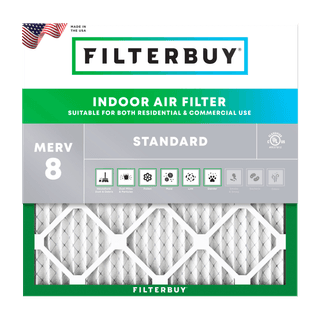
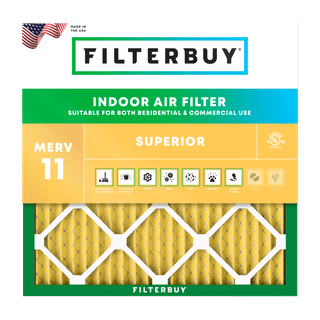
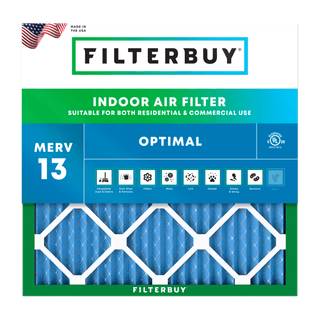



Check Today's Live Real Time Air Quality Index AQI Map in Columbia, MO Now
By Michelle Wan, Brand Manager and Air Quality Writer | Reviewed by David Clark, Licensed HVAC Technician | Published: September 7, 2026 | Updated: September 7, 2026
TL;DR
Columbia, MO air quality is reported on the U.S. EPA Air Quality Index. The scale runs from 0 to 500, and readings above 100 are unhealthy for sensitive groups. You can pull a live AQI reading for Columbia by ZIP code in seconds. One local detail changes how you should read that number. The only state regulatory air monitor in Boone County measures ozone rather than fine particles, which means Columbia's smoke readings and its ozone readings come from very different places.
Key Takeaways
The U.S. EPA Air Quality Index runs from 0 to 500. Above 100 is unhealthy for sensitive groups.
Boone County's only Missouri Department of Natural Resources air monitoring station is the Finger Lakes State Park site at 1505 E. Peabody Road in Columbia, EPA site ID 29-019-0011, and it monitors ozone only.
Missouri's Ozone Action Day alert program covers only the St. Louis and Kansas City areas. Columbia has an ozone monitor but no alert attached to it.
Fine particle readings for Columbia are modeled or drawn from sensors outside Boone County, which is why weather apps disagree about today's Columbia AQI.
HVAC filtration lowers fine particle levels indoors but does not remove ozone, so the right indoor response in Columbia depends on which pollutant is driving the reading.
How To Check The Live Air Quality Index In Columbia, MO Right Now
Enter a Columbia ZIP code such as 65201, 65202 or 65203 into a real time AQI map to see conditions right now. The map returns a color coded number from 0 to 500 built from fine particle and ozone measurements. Readings refresh hourly and move fast when smoke drifts into mid-Missouri or a hot afternoon builds ozone.
Three checks give you the full picture:
1. Pull your ZIP code reading. Start with the current number and its color band. Check your local AQI on Filterbuy's live air quality map by city or ZIP code.
2. Identify the driving pollutant. A hot July afternoon usually means ozone. A hazy June sky usually means smoke particles.
3. Check for smoke separately. When haze is visible, track active fires and plume movement on Filterbuy's live U.S. wildfire smoke map.
Columbia air quality differs block to block, and a reading near Interstate 70 at rush hour will not match one south of Stadium Boulevard. To compare Columbia with the state, open Filterbuy's statewide Missouri air quality map.
What Columbia's Air Quality Index Number Actually Measures
Missouri's Department of Natural Resources operates a statewide network of roughly 50 ambient air monitoring sites, and Boone County has exactly one of them. The Finger Lakes State Park air monitoring station sits downwind of Columbia at 1505 E. Peabody Road, was established in 2009 and measures ground level ozone for the Columbia metropolitan statistical area. It does not measure particulate matter.
Source: Missouri Department of Natural Resources air monitoring site records for Boone County.
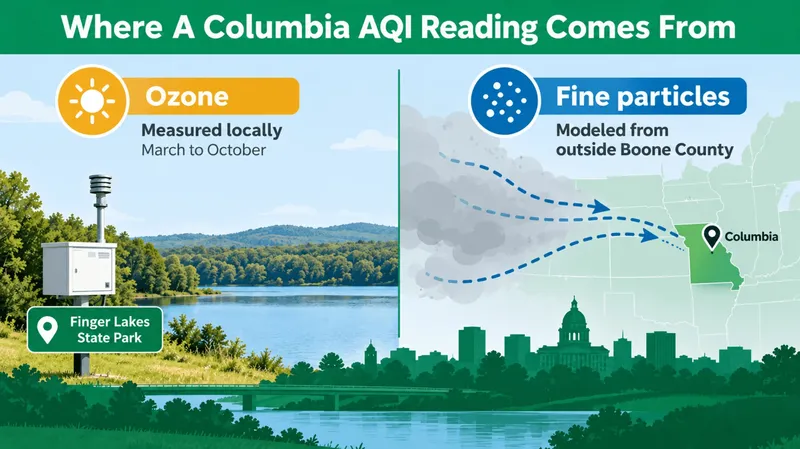
This is the detail we think most Columbia residents are missing. Between March and October, a Columbia ozone reading is backed by an instrument eight miles northeast of downtown. A fine particle reading is an estimate assembled from elsewhere. Neither is wrong, but they carry different confidence, and on a smoke day that difference is the whole story.
The American Lung Association makes this point in its State of the Air report card for Boone County, noting that a county without a monitor for a pollutant has no data for it. NOAA reports that satellite observations exist partly to fill gaps in the ground based sensor network where surface monitoring is sparse.
On sourcing: the monitoring facts above were read directly from Missouri DNR site records for Boone County.
The same gap shows up again in how Missouri warns people. DNR publishes hourly Air Quality Index reports for the Kansas City, St. Louis and Springfield areas, and its Ozone Action Day alert program covers only St. Louis and Kansas City. Columbia has the monitor but not the alert program, so on a bad air day here nobody sends a warning and the check falls to you.
Once I learned Boone County’s only monitor measures ozone, I stopped treating every Columbia AQI number the same way. On smoke days I check what the reading is actually built from before I decide anything.
Michelle Wan, Brand Manager and Air Quality Writer, Filterbuy
What Today's Columbia AQI Reading Means For Your Day
Today's Columbia reading falls into one of six EPA categories, and each implies a different decision. At AQI 100 and above the response is the same every time: MERV 13 in the system, the thermostat fan on, a portable HEPA air cleaner in each occupied room, and the house closed up.
AQI categories, ranges and colors follow the U.S. EPA scale published by AirNow. AQI 100 is the Filterbuy action line and sits at the top of Moderate, not an EPA category change. Indoor guidance applies to fine particle events. A pleated HVAC filter does not remove ozone.
For a fuller breakdown of what each band means, see Filterbuy's guide to what counts as a good AQI.
When Columbia Air Quality Is Worst Through The Year
Columbia has two bad air seasons, and they call for different responses.
Ozone season runs March through October. Ozone forms when emissions react in heat and sunlight, which is why the monitoring season is timed to warm months. Hot, still afternoons in July and August produce the highest readings.
Smoke season is less predictable. Canadian wildfire smoke has pushed fine particle levels across Missouri repeatedly in recent years, and it arrives regardless of local conditions. A fire hundreds of miles north can raise Columbia's reading under clear skies.
There is a quieter problem in between. Columbia's shoulder seasons in April, May, September and October are when ragweed peaks and smoke can arrive, but they are also the months a home HVAC system runs least, because neither heating nor cooling is needed. The filter sits idle exactly when outdoor air deserves attention. Set the thermostat fan to On and the gap closes.
How To Protect Your Indoor Air When Columbia AQI Reaches 100
Outdoor air becomes indoor air. At AQI 100 and above, work through four steps in order.
1. Put MERV 13 in the HVAC. EPA's wildfire smoke filtration guidance recommends a high efficiency filter rated MERV 13 or higher in a central system during smoke events. AQI 100 is where Filterbuy tells customers to act on that.
2. Set the thermostat fan to On. Auto filters only while the system is heating or cooling. On keeps air moving through the filter continuously.
3. Run a portable HEPA air cleaner in each occupied room, bedrooms first. Choose a unit whose smoke clean air delivery rate is at least two thirds of the room's square footage. A 300 square foot Columbia bedroom wants a smoke CADR near 200.
4. Close the house up. Windows and doors shut, and skip candles, frying and vacuuming while smoke is indoors.
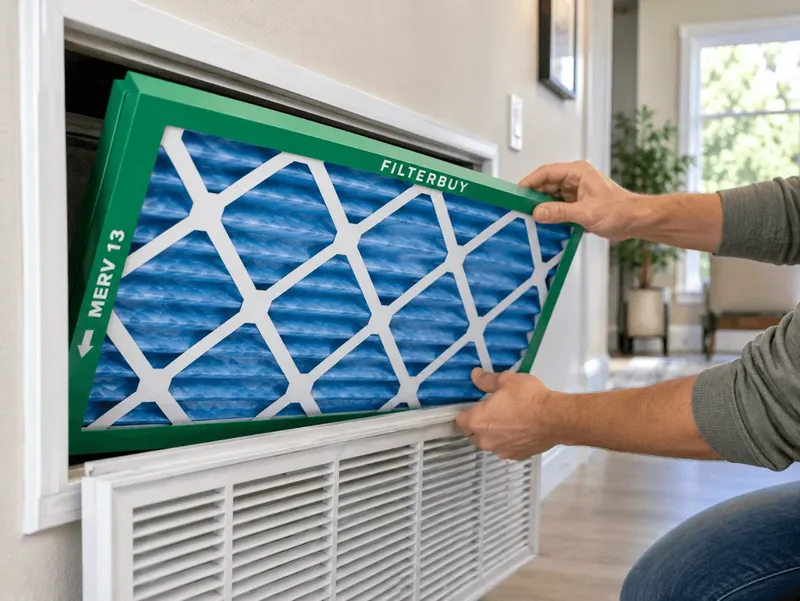
No ductwork? Many Columbia rentals, apartments and older homes have no central system, so there is no whole home layer to upgrade. For those homes a portable HEPA cleaner is the primary defense rather than a supplement.
Compatibility. Most furnaces and HVAC systems accommodate MERV 13 without equipment problems as long as the filter is replaced often. Confirm sizing with Filterbuy's air filter size guide, and compare tiers in Filterbuy's guide to choosing the right MERV rating.
Check the filter, not the calendar. Smoke loads a filter far faster than normal air. Replace it when it looks dark brown or black, which can be well before the interval on the box, and keep spares on hand.
Skip the ozone generators. EPA advises against air cleaners that produce ozone, so ionizers and ozone generators are not recommended here.
Know the limit. A pleated HVAC filter captures airborne particles. It does not remove ozone, which is a gas, and it does not remove smoke odor. On a high ozone Columbia afternoon the effective moves are keeping windows closed and limiting outdoor exertion. Filterbuy makes pleated MERV 13 filters in standard and custom sizes, and we would rather tell you when one will not help.
Three Supporting Statistics Behind This Page
Three figures put today's reading in context.
1. Ozone Is Worsening Nationally
Unhealthy ozone reached more Americans in 2026 than in the previous five reports.
Nearly 4 million more people breathed unhealthy ozone than a year earlier.
Columbia link: ozone is the pollutant the local monitor measures.
Source: American Lung Association State of the Air 2026 key findings
2. Fine Particles Carry The Heavier Risk
Cardiovascular deaths tied to particulate pollution reached 3.5 million in 2019.
That figure was 2.6 million in 1990.
Columbia link: Boone County has no regulatory particle monitor.
Source: American Heart Association News on particulate pollution and cardiovascular disease
3. A Filter Only Works While The System Runs
Nearly half of home energy use goes to heating and cooling.
A dirty filter slows airflow and makes the system work harder.
Check it monthly. Change it at least every three months.
Source: ENERGY STAR guidance on heating and cooling efficiently
Frequently Asked Questions
Glossary
Air Quality Index (AQI). The U.S. EPA scale from 0 to 500 for reporting daily outdoor air quality, in six color coded categories.
PM2.5. Fine particulate matter 2.5 micrometers in diameter or smaller, small enough to travel deep into the lungs. Sources include wildfire smoke, vehicle exhaust and combustion.
Ground level ozone. A gas formed when emissions react in heat and sunlight. It irritates the airways, is not removed by mechanical air filters, and is the pollutant Columbia's monitor measures.
MERV. Minimum Efficiency Reporting Value, the industry rating for a filter's ability to capture particles between 0.3 and 10 microns. Higher numbers capture more.
CADR. Clean Air Delivery Rate, the measure of how much filtered air a portable air cleaner delivers. Smoke CADR is the figure to match to room size.