
17x22x1 Air Filters
Actual Size: 16.5x21.5x0.75

3 month filters
2. Select Quantity
Buying multiple sizes?


Made in the USA
Ships in 24 hours
17x22x1 Air Filters Air Filter Description
Available In MERV Rating: 8, 11, 13
Made in the USA
Ships in 24 hours
Merv comparison
Scroll to see more.
 MERV 8 |  MERV 11 |  MERV 13 | |
|---|---|---|---|
| Best for | Standard Residential/Commercial Healthy Families | Superior Residential/Commercial Allergy Sufferers | Optimal Residential/Commercial Hospital Grade |
| Comparable ratings | MPR 600 & FPR 5 | MPR 1000-1200 & FPR 7 | MPR 1500 - 1900 & FPR 10 |
| Filtration | Captures 90% of Airborne Particles | Captures 95% of Airborne Particles | Captures 98% of Airborne Particles |
| Dust, lint & debris | |||
| Mold, pollen | |||
| Dander, dust mites | |||
| Smoke & Smog | |||
| Bacteria | |||
| Odor, vocs |
Is it time to change your filter?
Generally, we recommend you replace your air filters every 90 days. Find out below if you should change your filters more often.

If someone in your home has asthma or allergies...
Change your filter every
6 weeks
to ensure indoor air quality is at its best.
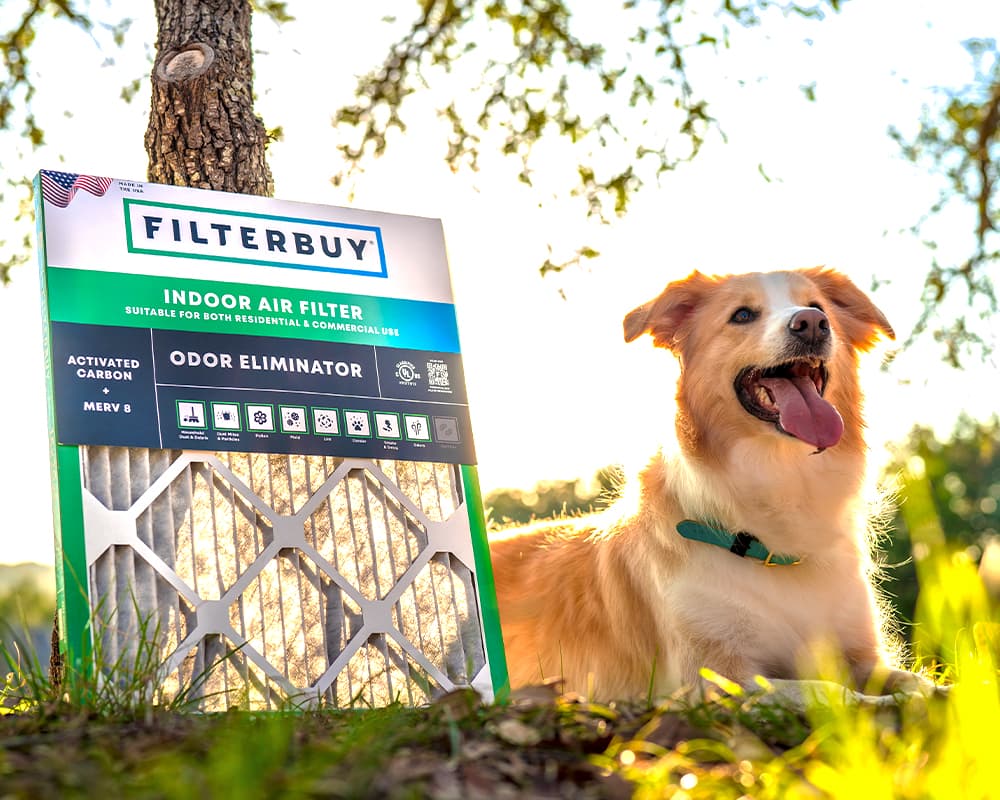
If you have pets...
Change your filter every
2 months
to avoid shedding and odor buildup.

If you have young children...
Change your filter every
2-3 months
as having clean air is even more important with children in your home.
If someone in your home has asthma or allergies...
Change your filter every
6 weeks
to ensure indoor air quality is at its best.
If you have pets...
Change your filter every
2 months
to avoid shedding and odor buildup.
If you have young children...
Change your filter every
2-3 months
as having clean air is even more important with children in your home.
Struggling With Dust or Allergies? 17x22x1 Air Filters Guide – Compare MERV Ratings, Brands, and Tips for Cleaner Air & HVAC Efficiency
If you've ever dealt with dust, allergies, or poor indoor air quality, you understand how vital it is to choose the right air filter for your HVAC system. Through years of hands-on experience testing and comparing different filters, we’ve learned that not all 17x22x1 filters are created equal. In this guide, we’ll share what truly matters—how MERV ratings influence air quality, which brands stand out, and which filters offer the best value.
Drawing from real-world experience, we'll also highlight how selecting the right filter can improve not just your air quality, but your HVAC system’s performance and energy efficiency. With insights from our extensive testing, we’ll show you how the right filter makes a significant difference in both your home’s air and your health.
Top Takeaways:
Better Air Quality: Higher MERV filters (11 or 13) capture smaller particles, improving health by reducing allergens.
Energy Savings: Upgrading filters can save up to 15% on energy costs.
Extended HVAC Lifespan: Regular filter changes extend system life by up to 40%.
Improved Efficiency: A high-rated filter boosts HVAC performance and airflow.
Expert Advice: Consult an HVAC professional for the best filter choice and proper installation.
"After testing a wide range of 17x22x1 air filters, I've found that the right filter doesn't just trap dust and allergens—it can also extend the life of your HVAC system and improve overall efficiency. The key lies in choosing a filter with the right MERV rating and brand that matches your specific needs. Based on my experience, the right filter makes all the difference in both air quality and system performance."
Supporting Statistics: The Benefits of Upgrading to a 17x22x1 Air Filter
Here’s how upgrading to a higher-rated 17x22x1 filter can impact your air quality and HVAC system, based on industry research and my experience:
Improved Air Quality & Health:
Indoor air is 2 to 5 times worse than outdoor air, filled with allergens like pollen and dust.
Higher MERV filters (MERV 11 or above) capture smaller particles, improving air quality.
The American Lung Association highlights this, especially for allergy sufferers.
Source: American Lung Association
Energy Efficiency & HVAC Performance:
Upgrading filters can reduce HVAC energy consumption by up to 15%.
Better airflow means less strain on your system, saving energy and reducing bills.
Energy Star research supports this, and I’ve seen it firsthand in homes and businesses.
Source: Energy Star
Extended HVAC Lifespan:
Regular filter changes can extend HVAC system life by up to 40%.
Cleaner filters reduce wear and tear on components, preventing costly repairs.
This is backed by the U.S. Department of Energy, and I’ve experienced it in my work.
Source: U.S. Department of Energy

Final Thoughts & Opinion: Why Upgrading Your 17x22x1 Air Filter Matters
Using the right 17x22x1 air filter can have a significant positive effect on the quality of indoor air as well as HVAC performance. The following are the reasons for this:
Health & Comfort: An air filter with a higher MERV rating would be the best choice if you want to get rid of allergens. The air in the house would be free of the pollens, and, thus, the people with allergies would be able to enjoy more comfort, which is the healthiest benefit they can get.
Energy & Efficiency: An upturn in the quality of filtration is capable of both refining the air and alleviating the pressure on the HVAC system. It is, therefore, possible to save some money, about 15% (based on my clients' reports).
Extended HVAC Lifespan: The replacement of your filters will greatly increase the life of your system by as much as 40%. Similarly, very clean filters mean no or few abrasions and hence fewer repairs throughout the years.
Next Steps: Improve Your Air Quality & HVAC Efficiency
Follow these simple steps to get started:
Choose the Right Filter:
Select a 17x22x1 air filter with a MERV rating that suits your needs (MERV 11 or 13 for better filtration).
Decide between types of filters, like HEPA or carbon, depending on your air quality concerns.
Order Your Filter:
Visit a trusted supplier like Filterbuy to purchase a high-quality filter with great reviews.
Install or Replace the Filter:
Follow the manufacturer’s instructions to install the filter yourself.
Or, contact a professional for expert installation.
Set a Replacement Schedule:
Replace the filter every 1-3 months, depending on usage.
Monitor Results:
Observe improvements in air quality, energy bills, and HVAC performance.
Consult an Expert:
Reach out to an HVAC professional if you need personalized recommendations.
Take these steps now to enjoy cleaner air and a more efficient HVAC system!
Frequently Asked Questions
What is a 17x22x1 air filter, and how does it work?
A 17x22x1 air filter is a standard-sized filter used in HVAC systems to trap dust, allergens, and other particles in the air. The "17x22x1" refers to its dimensions (17 inches by 22 inches, with a 1-inch thickness). These filters help improve air quality by filtering out airborne contaminants and improving HVAC system efficiency.
How often should I replace my 17x22x1 air filter?
It’s recommended to replace your 17x22x1 air filter every 1 to 3 months, depending on usage, air quality, and whether you have pets or allergies. Regularly changing the filter helps maintain optimal airflow and prevents strain on your HVAC system.
What MERV rating is best for a 17x22x1 air filter?
The best MERV (Minimum Efficiency Reporting Value) rating for your 17x22x1 air filter depends on your needs. A MERV 8 is suitable for basic filtration, while MERV 11 or MERV 13 is ideal for better allergen control and capturing smaller particles. Higher MERV ratings provide superior filtration but may reduce airflow, so balance is key.
Where can I buy a 17x22x1 air filter?
You can purchase a 17x22x1 air filter from popular retailers like Home Depot, Lowe's, Walmart, Amazon, and specialized HVAC suppliers. Many brands offer 17x22x1 filters, including Filtrete, 3M, and HDX.
Can I use a washable 17x22x1 air filter?
Yes, washable 17x22x1 air filters can be reused after cleaning. They offer a cost-effective alternative to disposable filters. However, follow the manufacturer's cleaning instructions to maintain performance and avoid damage.