
Furnace Ignitor Replacement Guide: Signs, Costs & Repair Tips
January 20, 2026
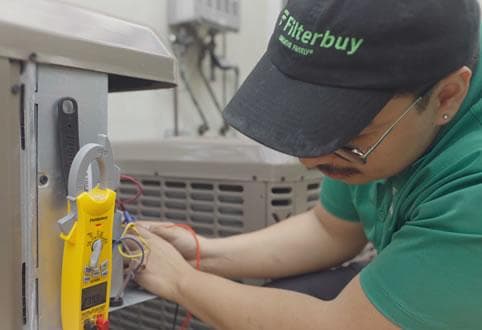
If your furnace clicks on but won't ignite, the problem is likely a failed hot surface ignitor (HSI). This small but essential component is responsible for lighting the gas that heats your home. Without it, your furnace can't produce heat, leaving you in the cold.
Contrary to common misconceptions, a high-quality MERV 8–13 air filter from a trusted source like Filterbuy doesn't cause strain; it protects parts like the ignitor bkeeping them clean.
This guide will cover everything from identifying failure symptoms to understanding replacement costs and deciding between DIY repair and calling a professional.
TL;DR Quick Answers
Furnace Ignitor Replacement
A furnace ignitor typically lasts 3–5 years and costs $30–$100 for the part, with professional installation running $150–$300 total.
Signs you need a replacement: furnace clicks but doesn't light, short cycling, or visible cracks in the ignitor element.
DIY-friendly steps:
Turn off power and gas to the furnace
Locate the ignitor near the burners
Disconnect the wiring harness
Remove mounting screws and old ignitor
Install new ignitor (avoid touching the element with bare hands)
Reassemble and restore power
Pro tip: Match the ignitor to your furnace model—universal ignitors work for many units, but OEM parts ensure the best fit and longevity.
Key Takeaways
The furnace ignitor is a crucial component in ensuring your heating system functions properly, as it ignites the gas needed to produce heat.
Keeping your furnace well-maintained, including using a reliable air filter like a MERV 8–13 from Filterbuy, can protect delicate parts like the ignitor and improve overall system performance.
Recognizing the symptoms of a failing ignitor, like difficulty starting the furnace or uneven heating, can help you address issues promptly.
Replacement costs for a furnace ignitor can vary, and deciding between DIY repair or hiring a professional should depend on your comfort level and the complexity of the problem.
What Is a Hot Surface Ignitor (HSI) and Why Is It So Important?
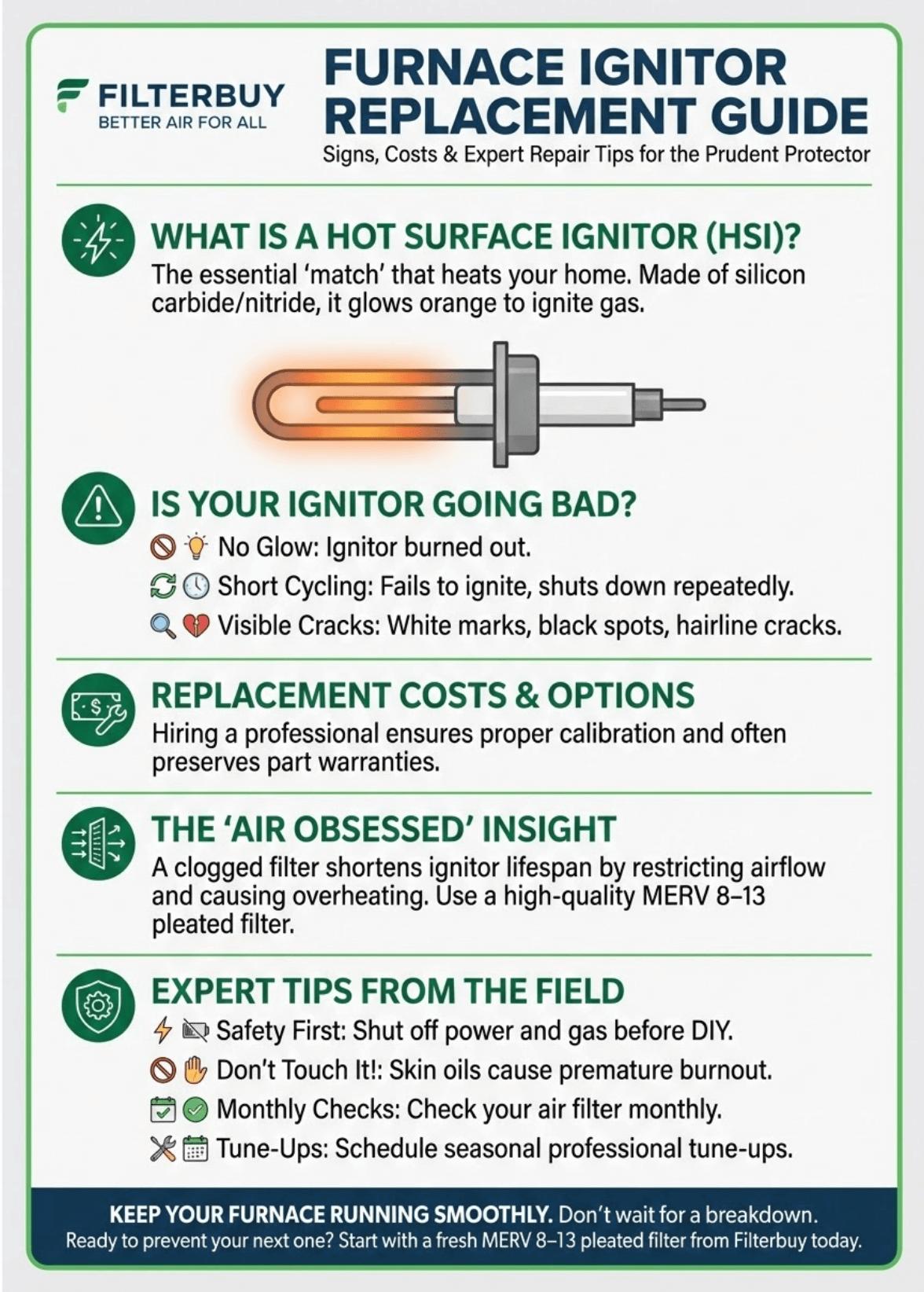
Think of the hot surface ignitor as the match that starts the fire in your gas furnace. When your thermostat calls for heat, your furnace sends electricity to the HSI, which is typically made of silicon carbide or silicon nitride. It heats up to an extremely high temperature—often over 2,000°F—and begins to glow bright orange.
Once the ignitor is hot enough, the gas valve opens, releasing a controlled amount of natural gas or propane. As the gas flows over the glowing ignitor, it ignites, creating the flame that heats your home. Without a functioning ignitor, this entire process stops before it can even begin, leaving you in the cold. As the experts at Carls Cooling LLC note, this component is absolutely essential for the safe and reliable operation of modern furnaces.
Signs Your Furnace Ignitor Is Going Bad
A failing furnace ignitor often shows clear symptoms before it quits completely. Knowing these signs can help you diagnose the problem quickly and avoid a no-heat emergency.
No Glow or Spark When the Furnace Starts
One of the most obvious furnace ignitor symptoms is the absence of a glow. When your furnace tries to start, you should be able to see the HSI glow a bright orange-yellow through the furnace's viewing port. If you hear the furnace click on but see no glow, the ignitor is likely burned out or has an electrical issue.
Frequent Short Cycling or Failed Ignition Attempts
Is your furnace trying to start, shutting down, and then trying again a few minutes later? This is called short cycling. It can happen when the ignitor is weak and fails to get hot enough to light the gas on the first try. The furnace's safety controls will shut the system down to prevent unburned gas from accumulating.
Visible Cracks or Damage on the Ignitor
A physical inspection can reveal a lot. Turn off the power to your furnace and take a close look at the ignitor. It’s a delicate component, and even a hairline crack can prevent it from working. If you see any white marks, black spots, or visible cracks, it's time for a replacement.
Burnout from Age or Overheating
Furnace ignitors are not designed to last forever. Constant exposure to extreme temperatures causes the material to degrade over time. If your ignitor is more than a few years old and your furnace won't ignite, it may have simply reached the end of its lifespan.
Furnace Ignitor Replacement Cost
When you’re facing a furnace ignitor replacement, the cost is often a top concern. Thankfully, it's one of the more affordable HVAC repairs.
Parts: A new hot surface ignitor typically costs between $30 and $60.
Labor: Professional labor costs usually range from $120 to $240, depending on your location and the service provider.
Total Average Cost: Most homeowners can expect the total furnace ignitor replacement cost to be between $150 and $300.
Prices can vary based on regional labor rates and whether the repair is performed during emergency after-hours service. While the part itself is inexpensive, the labor cost reflects the technician's expertise, travel time, and diagnostic work.
DIY Hot Surface Ignitor Replacement vs. Hiring a Professional
With the part being relatively cheap, many homeowners wonder if they can handle the replacement themselves. While a DIY hot surface ignitor replacement is possible for those with some experience, it's important to weigh the pros and cons.
DIY Replacement Steps (Simplified Overview)
If you decide to tackle this yourself, the process generally follows these steps, as outlined by HVAC Optimizer’s 2024 guidance:
Shut Off Power and Gas: This is the most critical safety step. Turn off the furnace at the circuit breaker and shut off the gas supply line.
Remove the Access Panel: Locate and remove the furnace's main service panel to access the burner assembly.
Disconnect and Remove the Old Ignitor: Unplug the wire connector for the ignitor and carefully unscrew the bracket holding it in place.
Install the New Ignitor: Screw the new ignitor into place and connect the wiring. Safety Reminder: Never touch the gray or black part of the new ignitor with your bare hands. The oils from your skin can create a hot spot and cause it to burn out prematurely.
Restore Power and Gas: Re-attach the access panel, turn the gas and power back on, and test the furnace.
Risks of DIY Installation
Working with gas and electrical systems carries inherent risks, including:
Electrical Hazards: Forgetting to shut off the power can lead to electric shock.
Gas Leaks: Improperly handled gas lines can cause dangerous leaks.
Misaligned Ignitor: If the new ignitor isn't positioned correctly, it won't light the gas, or it could cause delayed, rough ignition.
When Professional Installation Is Worth It
Hiring a professional HVAC technician offers several advantages:
Warranty Protection: Many part warranties are void if not installed by a certified technician.
Full System Test: A pro will test the entire ignition sequence to ensure everything is working correctly.
Proper Fit and Calibration: They have the experience to guarantee the right part is installed perfectly.
How Long Does a Furnace Ignitor Last?
A standard hot surface ignitor has a typical lifespan of 3 to 5 years. Some newer models made from silicon nitride can last longer, but their longevity is still affected by several factors:
Dust and Debris: Dirt buildup can insulate the ignitor, causing it to overheat and fail early.
Filter Neglect: A clogged air filter restricts airflow, forcing the furnace to run longer and harder, which puts extra strain on the ignitor.
Frequent Cycling: A system that turns on and off constantly will wear out the ignitor much faster.
This is where your air filter choice makes a huge difference. Using high-quality Filterbuy pleated filters is a simple, low-cost way to extend your ignitor’s life by keeping the system clean and promoting healthy airflow.
When to Replace a Furnace Ignitor
You should replace your furnace ignitor as soon as you notice consistent issues. Don't wait for a complete failure.
Replace it anytime the furnace frequently fails to ignite.
Replace it if you see visible cracks, discoloration, or if the ignitor is not glowing.
Consider preventive replacement every 3–5 years, especially if you live in a region with long, cold winters.
Integrating this into your seasonal HVAC maintenance routine is a smart way to avoid unexpected breakdowns.
Expert Repair Tips from Your Local Filterbuy HVAC Experts
Our HVAC experts have seen it all. Here are their top tips for dealing with furnace ignitor issues:
Safety First: Always shut off the power and gas before you open the furnace panel.
Check Your Filter Monthly: A clean filter is the cheapest insurance for your HVAC system. A clogged filter is a leading cause of furnace problems.
Use High-Quality Parts: If you're doing a DIY replacement, buy a reputable brand of ignitor that matches your furnace model.
Schedule Seasonal Tune-Ups: A professional tune-up can catch a weak ignitor before it fails, saving you a headache later.
Don’t Blame Good Filters: Remember, MERV 8–13 pleated filters from Filterbuy are designed to improve airflow and protection when sized correctly. They are an asset, not a liability, for your system's longevity.
Keep Your Furnace Running Smoothly
Dealing with a broken furnace ignitor can be frustrating, but it's a common and manageable repair. Whether you choose to replace it yourself or hire a professional, understanding the symptoms and costs empowers you to make the right decision for your home.
The best way to prevent future breakdowns is through proactive care. Regular seasonal checks and, most importantly, clean air filters are your best tools. A fresh, high-quality pleated filter is the simplest and most effective way to protect your furnace components and avoid the stress of an early ignitor failure.
Ready to prevent your next mid-winter breakdown? Start with a new pleated filter. Keep your furnace protected—order fresh MERV 8–13 pleated filters from Filterbuy today.
Frequently Asked Questions
What does a bad furnace ignitor look like?
A bad furnace ignitor may have a visible crack, a white or chalky spot, or a burnt-looking area. If it’s old, it might just look worn, but the damage isn't always visible to the naked eye.
Why won’t my furnace ignitor glow?
If your furnace ignitor is not glowing, it's usually because it has burned out, has a crack, or there's an issue with the electrical supply to the ignitor.
How much should I expect to pay for furnace ignitor replacement?
You can expect to pay between $150 and $300 for a professional to replace your furnace ignitor. The part itself is usually $30–$60.
Is it safe to replace a furnace ignitor myself?
If you are comfortable working with electrical components and gas lines and follow all safety precautions, it can be a safe DIY project. However, for most homeowners, hiring a professional is the safer option.
How long does a typical hot surface ignitor last?
A typical HSI lasts 3 to 5 years.
What causes furnace ignitors to fail early?
The most common causes of premature failure are restricted airflow from a dirty filter, power surges, frequent cycling, and physical damage from handling.
Can a dirty air filter damage a furnace ignitor?
Yes. A dirty filter restricts airflow, causing the furnace to run longer to heat your home. This extra runtime puts more stress on the ignitor, causing it to burn out faster.
Is a hot surface ignitor the same as a flame sensor?
No. The hot surface ignitor lights the gas, while the flame sensor confirms that a flame is present. They are two separate components in the burner assembly.
Will my furnace run without a working ignitor?
No. The ignitor is essential for lighting the gas. Without it, your furnace cannot produce heat.
Do pleated MERV 8–13 filters restrict airflow?
No. When you use the correct size for your system, high-quality pleated filters like those from Filterbuy provide superior debris protection without harming airflow. They are recommended by HVAC professionals for this reason.