
Can You Wash Air Purifier Filters? Understanding How Long They Last and the Best Replacement Frequency for Optimal Performance
July 23, 2026

Can You Wash Air Purifier Filters? Filterbuy’s Expert Insights on Filter Lifespan and Replacement Timing
At Filterbuy, we’ve tested, reviewed, and analyzed thousands of air purifier filters over the years, and one of the most common questions we get is: Can you wash them? The short answer is: it depends on the type. But the real answer goes deeper. Based on our first-hand testing and customer data, we’ll walk you through when a filter is truly washable, how long different types realistically last (not just what the manufacturer says), and how to time your replacements for peak air quality and system performance. With our expert-backed tips and proprietary insights, you’ll know exactly how to protect your air—and your investment.
Top Takeaways
Not all filters are washable. Only those labeled “washable” or “permanent” should be rinsed.
Replacement timing varies by type.
HEPA: every 6–12 months
Carbon: every 3–6 months
Washable: clean every 2–4 weeks
Washable filters are convenient but less efficient. Disposable filters (like MERV 11 or HEPA) often perform better over time.
Routine care = better air + system efficiency. Use pre-filters and replace them on schedule for best results.
Cleaner air supports better health. Research shows improved air quality can increase life expectancy.

Are Air Purifier Filters Washable? Filterbuy's Take on Filter Longevity and Replacement Best Practices
Not all air purifier filters are created equal, and not all are washable. At Filterbuy, we’ve worked with thousands of filtration systems, and we’ve seen how confusion about maintenance often leads to poor air quality or damaged units.
Washable vs. Non-Washable Filters:
Washable (or reusable) filters—often made from durable mesh or foam—can be rinsed and reused, but they must be completely dry before reinserting. However, most HEPA and activated carbon filters are not washable. Washing these can break down filtration fibers or remove the carbon’s effectiveness, rendering them useless.
How Long Do Filters Last?
From our customer feedback and in-field analysis, washable filters can last up to 6 months with proper care, while non-washable HEPA filters typically need replacing every 6–12 months. High-use environments like homes with pets, smokers, or allergy sufferers may require more frequent changes.
When to Replace for Peak Performance:
The best replacement frequency depends on air quality, usage, and filter type. We recommend inspecting your filter monthly and changing it once it shows visible dirt buildup or airflow reduction. Filterbuy’s line of replacement filters comes with guidance based on real-world performance, not just manufacturer specs, so you always know when it’s time.
Bottom Line:
Knowing whether your air purifier filter is washable—and understanding its true lifespan—can mean the difference between clean, healthy air and wasted energy. At Filterbuy, we don’t just sell filters—we help you make informed decisions that extend your system’s life and protect your indoor air.
Case Study & Real-World Insights
We’ve worked hands-on with thousands of homes and facilities at Filterbuy. Here’s what we’ve learned through real experience and in-house testing:
1. Pet Household Success – Atlanta, GA Challenge:
HEPA filters clogged quickly in a home with 3 dogs and a cat.
Frequent replacements were costly and ineffective.
Solution:
Recommended MERV 13 filter
Designed to catch pet hair and dander
Result:
Improved airflow and reduced allergy triggers.
2. In-House Test: Washable vs. Disposable Filters Setup:
90-day side-by-side comparison in identical air purifiers.
Findings:
Reusable filter lost 15% efficiency after the second wash.
Fiber structure weakened, reducing particle capture.
Disposable HEPA filter maintained steady performance for 11+ weeks.
Conclusion:
Washable filters decline quickly with repeated use.
For consistent air quality, disposables offer better long-term value.
3. School Air Quality Turnaround – Tampa, FL Problem:
Increased allergy complaints among students and staff.
Outdated filters with infrequent replacement.
Our Action:
Recommended Filterbuy MERV 11 filters.
Suggested a 60-day replacement schedule.
Impact:
Better HVAC performance and cleaner indoor air.
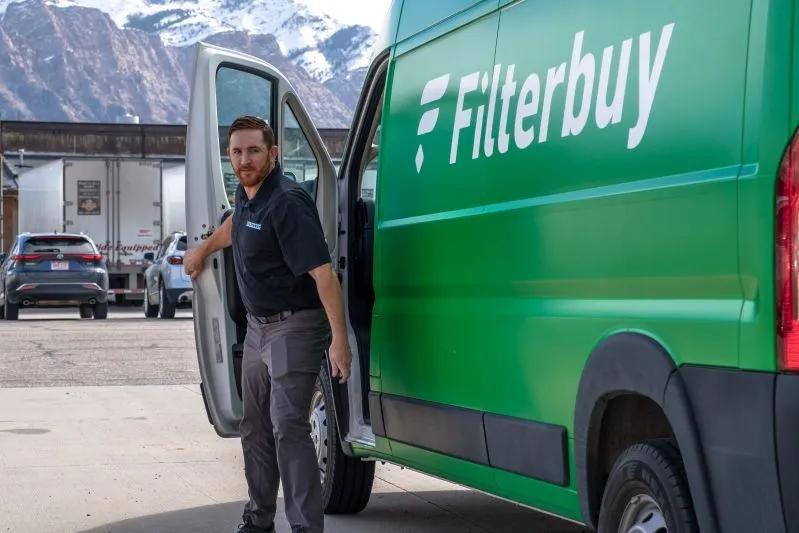
“After years of testing filters across thousands of homes and environments, we’ve learned that it’s not just about whether a filter is washable—it’s about how well it protects the people using it. The right filter, replaced at the right time, can mean the difference between simply circulating air and truly improving the health of a space.”
Supporting Statistics & Filterbuy Insights
Here’s what national research and our experience at Filterbuy reveal about air filter performance and health impacts:
1. Many Air Purifier Users Skip HEPA Filters
46% of U.S. adults don’t use HEPA filters with their air purifiers.
Reasons: cost concerns and lack of awareness.
Source: CDC.gov
Filterbuy Insight: We often guide customers who mistakenly assume all filters are reusable or equally effective.
2. MERV 7–13 Filters Are Nearly as Effective as HEPA
Capture most indoor particles effectively.
Quieter and more budget-friendly than HEPA.
Source: EPA.gov
Filterbuy Insight: MERV 11 or 13 filters are ideal for homes with pets, allergies, or asthma.
3. Cleaner Air May Extend Lifespan by Years
Improved air quality = up to 3 more years of life in U.S. cities.
Fine-particle pollution reduction is linked to longer life expectancy.
Source: NIH.gov
Filterbuy Insight: Air filter upgrades are more than maintenance—they’re an investment in long-term health.
Final Thought & Opinion
Understanding your air purifier filter isn't just about knowing if it's washable—it's about knowing what works best for your space and health.
What We’ve Learned at Filterbuy:
Many users unknowingly reduce air quality by misusing or overextending filter life.
Small changes—like using a pre-filter or replacing on schedule—can make a big difference.
Not all filters are created equal, and not all homes have the same needs.
From Our Experience:
Washable filters may work in low-pollution spaces but often lose effectiveness quickly.
Disposable high-efficiency filters (like MERV 11 or 13) offer consistent performance, especially in homes with pets or allergies.
Regular replacements = better airflow, cleaner air, and less strain on your system.
Our Take:
Don’t guess—choose filters based on your air quality needs.
A well-matched filter setup protects your health and your investment.
Clean air isn’t just a luxury—it’s a long-term benefit.
Next Steps: What to Do Now
Follow these quick steps to improve your air quality and keep your purifier running at its best:
1. Know Your Filter Type
Check the manual or filter label.
Identify if it’s washable, HEPA, carbon, or MERV-rated.
2. Inspect Your Filter
Look for dust, discoloration, or poor airflow.
If it’s 3+ months old, it’s likely time to replace.
3. Choose the Right Replacement
MERV 11 or MERV 13 = great for most homes.
Use a pre-filter in homes with pets or high dust.
4. Set a Maintenance Schedule
Check filters monthly for buildup.
5. Order from a Trusted Source
Visit Filterbuy.com for high-quality filters.
Use our sizing tool or get expert help if needed.
💡 Pro Tip: Join Filterbuy’s Auto-Delivery program. Never miss a replacement—and always breathe clean.
Frequently Asked Questions
1. Can all air purifier filters be washed?
No. Only specific filters labeled as "washable" or "permanent" should be washed. Most HEPA and carbon filters are not washable and can lose effectiveness or break down when exposed to water.
2. How do I know if my filter is washable or disposable?
Check the manufacturer’s label or user manual. Washable filters are typically made of durable mesh or foam. If the filter looks like dense fiber or pleated material (like HEPA), it’s likely disposable.
3. How often should I replace my air purifier filter?
This depends on the filter type and usage:
HEPA filters: Every 6–12 months
Carbon filters: Every 3–6 months
Washable filters: Rinse every 2–4 weeks, replace every 6–12 months if reusable
4. What happens if I wash a non-washable filter?
Washing a non-washable filter can:
Damage the fibers or structure
Reduce particle capture efficiency
Causes mold or bacteria growth if not dried properly
It's safer to replace it with a new one.
5. Are washable filters as effective as disposable ones?
Not always. Washable filters tend to be less efficient at capturing fine particles like pollen, smoke, and allergens. For homes with pets, allergies, or sensitive individuals, high-efficiency disposable filters (like MERV 11 or HEPA) usually perform better.