
Don’t Let a Dirty Filter Cost You This Winter
October 14, 2025
When temperatures drop, your furnace becomes the hero of the home, but if your air filter is clogged, it’s quietly working overtime. A dirty air filter doesn’t just restrict airflow; it strains your system, raises energy bills, and lowers indoor air quality. The result? Uneven heating, extra costs, and potential furnace damage—all from skipping a filter change.
This guide explains why winter air filter maintenance matters, how often to replace filters in different homes, and what steps you can take right now to stay cozy and efficient all season long.

Key Takeaways
During winter’s chill, neglecting air filter changes silently escalates energy use by overworking the HVAC system.
A clogged filter stalls heat distribution, pushing the furnace to its limit and risking expensive breakdowns.
Households with pets, smaller spaces, or heavy heating demand require more frequent swaps for steady warmth.
A properly matched MERV-rated filter encourages steady airflow, keeps indoor temperatures consistent, and shields the furnace from unnecessary strain.
Ongoing upkeep, along with a yearly professional inspection, reduces power bills, refines air quality, and extends the life of the entire system.
Why Winter Air Filter Changes Matter
When your air filter is clogged with dust, pet hair, or debris, it blocks warm air from circulating freely. That forces your HVAC system to push harder to maintain the same temperature—using more energy and wearing out faster.
Neglecting winter filter changes can lead to:
Higher monthly heating bills
Inconsistent room temperatures
Increased allergy or asthma symptoms
Early furnace breakdowns or repairs
According to the U.S. Department of Energy, replacing dirty filters regularly can reduce energy use by up to 15%—a simple, low-cost fix that keeps warmth and air quality steady.
How Often Should You Change Your Furnace Filter in Winter?
The “every 3 months” rule doesn’t fit every home. Your environment and lifestyle make a big difference.
| Household Type | Recommended Filter Change Frequency |
|---|---|
| No pets, average use | Every 60–90 days |
| 1–2 pets | Every 30–60 days |
| Allergies or asthma | Every 30 days |
| Small apartment or high heating use | Every 4–6 weeks |
How to Choose the Right Filter for Winter
When replacing your furnace filter, look for these key factors:
Correct Size: Check your old filter frame or HVAC manual for exact dimensions.
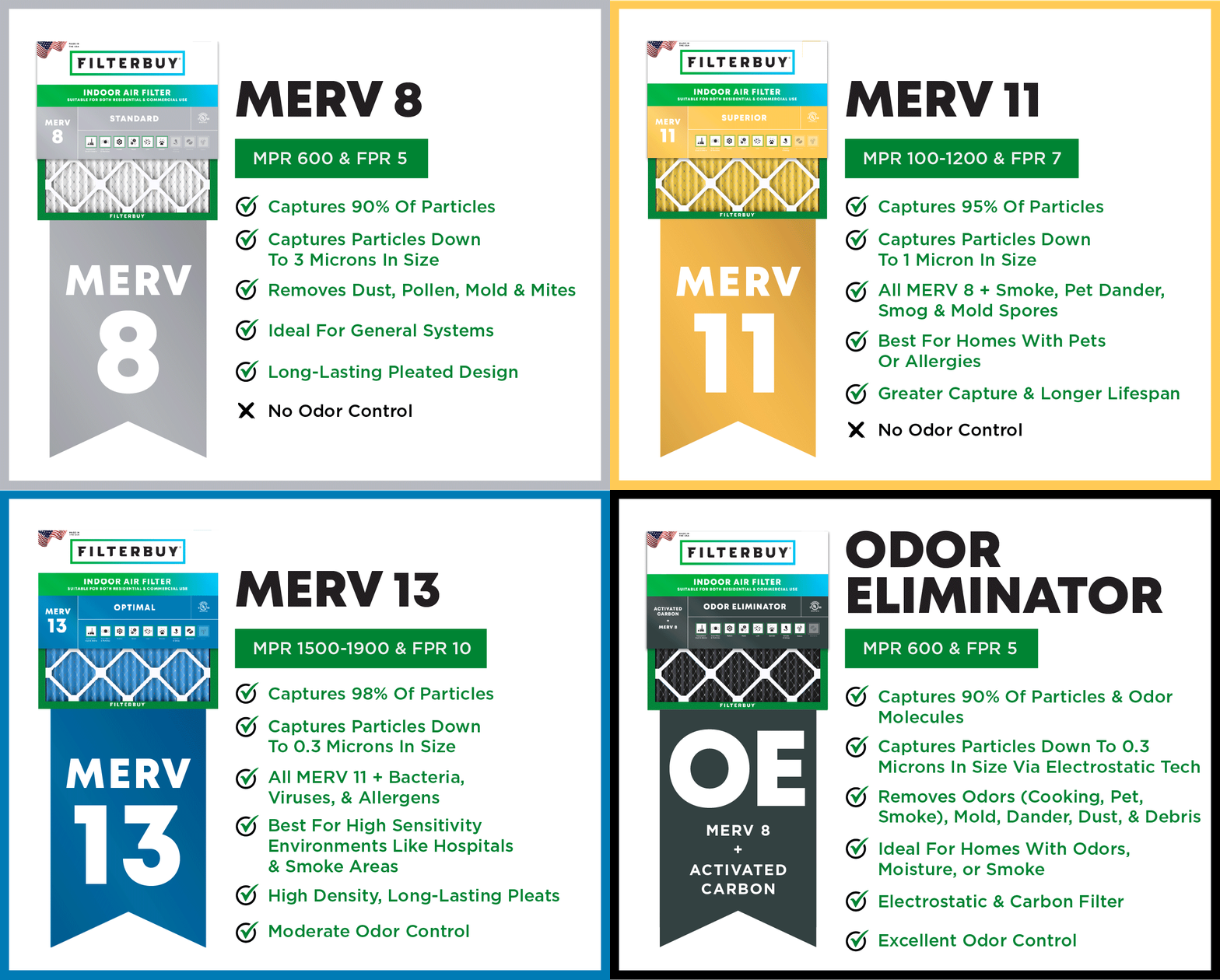
MERV Rating: For most homes, a MERV 8–13 filter offers the ideal balance between airflow and filtration efficiency.
Material: Pleated filters capture more particles than fiberglass and last longer between changes.
Brand Quality: Trusted manufacturers like Filterbuy offer made-in-USA filters that fit perfectly and perform reliably all winter.
5 Quick Steps to Improve Winter HVAC Performance
Inspect your filter monthly—if it looks dark or dusty, replace it.
Keep vents clear of furniture and curtains to allow airflow.
Seal drafts around doors and windows to reduce heating load.
Schedule annual furnace maintenance before peak cold sets in.
Upgrade to a smart thermostat to automatically manage energy use.
These small adjustments can lower your energy bill, extend your HVAC lifespan, and keep every room comfortably warm.
Proactive Measures: Keep Your HVAC Thriving
According to the U.S. Department of Energy, debris is a top cause of HVAC failures, spotlighting the need for regular checks.
Heating and cooling claim nearly half of a home’s energy, so even minor clogs can drive up bills. Dirty filters force inefficient airflow, leading to higher costs and uneven comfort. Replacing them with quality options from Filterbuy helps maintain a smooth-running system.
Energy.gov research confirms that clean filters lower energy use, reduce sudden breakdowns, and improve indoor air quality. This simple habit extends HVAC life and avoids steep repair costs—an easy, cost-effective safeguard for any home.
After changing your furnace filter, keep vents clear of blockages, book an annual professional checkup, and think about installing a smart thermostat for precision control. These simple tactics help lower energy bills, improve indoor air quality, and extend your HVAC system’s life without major fuss.
Frequently Asked Questions
Do I need to change my furnace filter in winter?
Yes. During winter, your furnace runs more often, so the filter traps more dust and debris. Replacing it ensures efficient heating and cleaner air.
How often should you change your furnace filter in winter?
Every 30–90 days depending on your home size, number of pets, and heating use. Pet owners or allergy sufferers should check every 4–6 weeks.
What happens if you don’t change your furnace filter?
Airflow becomes restricted, forcing your system to work harder. This can lead to higher bills, poor air quality, uneven heat, and even system failure.
Will changing my air filter help lower my energy bill?
Absolutely. A clean filter improves airflow, reduces strain on your furnace, and helps it run more efficiently—cutting energy use by up to 15%.
Can a dirty filter make my house colder?
Yes. A blocked filter reduces warm air circulation, leaving some rooms chilly while others overheat.
What’s the best furnace filter for winter?
A pleated MERV 8–13 filter balances airflow and filtration, trapping dust, pet dander, and other winter pollutants without overburdening your system.
Can I clean and reuse my furnace filter?
Only if it’s specifically labeled as reusable. Disposable filters should always be replaced, not cleaned.
How can I tell when my furnace filter needs changing?
If the filter looks dark, dusty, or you notice musty smells, higher bills, or uneven heating, it’s time for a swap.