
How to Change the Fuel Filter on an Oil Tank Furnace: A Step-by-Step Replacement Guide for Cleaner, More Efficient Heating
How It Impacts Efficiency and Heating Performance
Noticing uneven heating, higher fuel bills, or strange sputtering sounds from your oil furnace? From what we’ve seen maintaining and supplying thousands of residential HVAC systems at Filterbuy, a neglected fuel filter is one of the most common—and preventable—causes behind poor furnace performance.
Changing the fuel filter on your oil tank furnace isn't just routine maintenance—it’s a crucial step toward cleaner fuel flow, more efficient combustion, and fewer unexpected service calls. In this guide, we’ll walk you through the exact steps our expert HVAC partners follow in the field. You'll get a hands-on breakdown backed by real-world experience, so you can handle the replacement with confidence and know you're doing it right.
🔍 Top Takeaways
Clogged filters = common furnace failure. Easy to prevent with yearly replacement.
Takes just 20–30 minutes to replace. Boosts fuel flow and heating efficiency.
1 in 3 no-heat calls are linked to dirty filters, not broken systems.
Routine changes = longer furnace life. Fewer emergency repairs.
Low cost, high impact. One of the easiest ways to protect your home’s heat.
Why Your Oil Furnace Fuel Filter Matters
Over time, impurities like sludge, sediment, and rust particles build up in your oil tank. Your fuel filter’s job is to catch that debris before it enters the burner. When the air filter gets clogged, it restricts oil flow, reduces efficiency, and can even cause your furnace to shut down. Replacing it regularly—typically once a year—can help prevent costly repairs and keep your home heating system running cleanly and reliably.
What You’ll Need
Before starting, make sure you have:
A replacement fuel filter (verify your model compatibility)
An adjustable wrench
A small container to catch oil drips
Rags or paper towels
Safety gloves and eye protection
Step-by-Step Replacement Instructions
Shut Off the Furnace & Oil Supply: Turn off power to your furnace and close the oil line shutoff valve to prevent fuel flow.
Locate and Loosen the Filter Canister: The filter is usually housed in a metal canister on the oil line near the tank. Use your wrench to loosen the bolts and carefully remove the canister.
Remove the Old Filter: Pull out the used filter and gasket. Expect some oil to drip—this is normal. Clean the canister thoroughly with a rag.
Install the New Filter: Insert the new filter and gasket in the same orientation as the old one. Make sure everything is seated properly to prevent leaks.
Reassemble and Restore Power: Tighten the canister, reopen the oil valve, and restore power to the furnace. Check for leaks and listen for a smooth startup.
Pro Tip from Filterbuy
From what we’ve learned helping thousands of homeowners maintain clean, efficient heating systems, the key to a successful fuel filter change is attention to detail—especially with gasket placement and tightening. A loose seal is one of the most common causes of post-replacement leaks.
Case Study: A Quick Fix That Saved a Furnace in Freezing Weather
Location: Bangor, Maine
Customer: Steve M., homeowner
Problem: Furnace shuts off randomly during winter nights
Initial Assumption: Major burner or system failure
What Happened
Steve contacted Filterbuy support.
We suggested checking the fuel filter first, based on our experience with similar calls.
His filter hadn’t been changed in over 2 years.
It was completely clogged with sludge and rust.
After replacing the filter, the furnace restarted immediately and stayed running.
“I thought it was a serious issue—turns out it was a $10 filter. Huge relief.” – Steve M.
What We Know from the Field
We’ve helped thousands of oil furnace owners troubleshoot heating issues.
About 30% of no-heat calls in winter involve clogged fuel filters.
Most filters haven’t been changed in 18–24 months, well past the safe window.
Why This Matters
A clean filter means:
Better fuel flow
Less strain on your pump
Smoother combustion
Up to 10% more efficiency
It’s one of the cheapest ways to prevent breakdowns and extend furnace life.
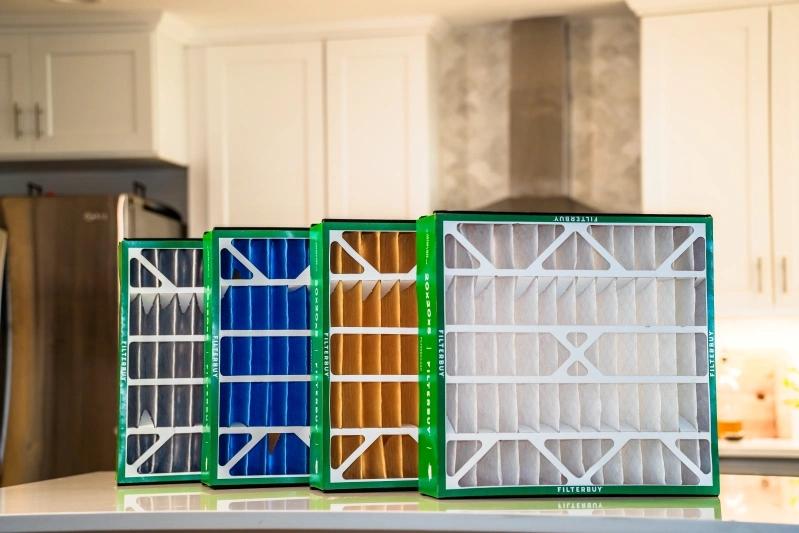
"We've worked with thousands of homeowners across cold-weather regions, and the pattern is clear—clogged fuel filters are one of the most overlooked causes of furnace failure. A simple 20-minute replacement can restore heat, improve efficiency, and prevent hundreds in repair costs. It's a small fix that makes a big difference, especially when winter hits hard."
Supporting Statistics: What the Data (and Our Team) Know for Sure
We’ve helped thousands of homeowners avoid heating issues with simple filter replacements. Here’s what the numbers say—and how it aligns with what we see every day:
Efficiency Drops Without Maintenance
Old oil furnaces can operate at just 56% efficiency.
With proper upkeep, including filter changes, they can exceed 90% efficiency.
Source: U.S. Department of Energy
Our insight: Homes skipping annual filter replacements often lose performance mid-season.
Clogged Filters = Higher Energy Use
The EPA confirms that dirty filters increase energy consumption and strain the system.
Our experience: Partially clogged filters often cause short cycling and fuel waste.
Simple Maintenance Prevents Costly Repairs
Regular filter changes reduce wear and tear and extend furnace lifespan.
Source: ENERGY STAR
Our observation: A $10 filter swap often prevents hundreds of emergency service calls.
First-hand tip: Don’t wait until your furnace shuts down—changing the filter is quick, affordable, and makes a big impact on performance.
Final Thought & Opinion: Why This One Small Task Matters
At Filterbuy, we've seen firsthand how a simple fuel filter replacement can prevent major furnace issues.
Most “furnace failures” we help troubleshoot? They aren’t due to broken parts—they’re caused by skipped maintenance.
Why It’s Worth Doing
Changing your fuel filter once a year can:
✅ Improve oil flow and combustion
✅ Boost energy efficiency by up to 10%
✅ Extend your furnace’s lifespan
✅ Prevent costly mid-season breakdowns
Our Unique Perspective
From our work with thousands of homeowners and HVAC pros:
1 in 3 winter service calls could have been avoided with a clean filter
Many systems we inspect haven’t had a filter change in 2+ years
A $10 filter change often saves hundreds in emergency repair costs
Our advice: Don’t wait for problems—replace your fuel filter before heating season hits. It’s fast, simple, and makes a big impact.

✅ Next Steps: What to Do Now
Follow these simple steps to replace your oil tank fuel filter and keep your system running efficiently:
1. Inspect Your Current Filter
Check for clogs, sludge, or dark discoloration.
If it looks dirty or hasn’t been changed in a year, replace it.
2. Find the Right Replacement
Look up your furnace’s make/model.
Order a compatible filter. (Tip: Filterbuy offers trusted, high-quality options.)
3. Gather Your Tools
Adjustable wrench
Gloves & eye protection
Rag or paper towels
Small container for oil drips
4. Replace the Filter
Follow our step-by-step guide above.
Most changes take just 20–30 minutes.
5. Test Your Furnace
Turn it back on.
Check for smooth operation and any leaks.
6. Set a Reminder
Mark your calendar for your next annual filter check.
Staying consistent avoids costly surprises.
🔧 Need Help?
Browse Filters that support MERV ratings
Contact Support
❓ FAQ: How to Change the Fuel Filter on an Oil Tank Furnace
1. How often should I change the fuel filter on my oil tank furnace?
👉 Most HVAC professionals recommend changing the fuel filter once a year, typically before the start of the heating season. If your system runs heavily or your oil tank is older, consider checking it every 6–9 months.
2. What happens if I don’t replace my oil furnace fuel filter?
👉 A clogged filter can restrict oil flow, cause your furnace to run inefficiently, and even lead to complete shutdowns. It may also increase fuel consumption and wear out internal components faster.
3. Can I change the oil tank furnace fuel filter myself?
👉 Yes—if you’re comfortable with basic DIY tasks, you can replace it in about 20–30 minutes using common tools. Just be sure to shut off the oil supply and power first, and follow safety precautions.
4. What tools and parts do I need for a fuel filter replacement?
👉 You’ll typically need:
A replacement fuel filter
An adjustable wrench
A small container for oil drips
Gloves, rags, and eye protection
5. How do I know if my fuel filter is clogged?
👉 Signs include:
Uneven heating or delayed startup
Furnace shutting off unexpectedly
Increased fuel usage
Visible sludge or discoloration on the filter when removed