
West Valley City Real-Time AQI Tracker


Get Alerts For Unhealthy AQI In Your Area
When air quality in your area reaches unhealthy levels, we'll send you a quick alert, along with expert tips on how to reduce your exposure.
What's Actually In West Valley City Air Today?
What High AQI Means for Your Lungs in West Valley City
How to Read AQI
The Air Quality Index (AQI) measures how polluted the air is and how it may affect your health.
0–50 (Good): Air quality is satisfactory.
51–100 (Moderate): Acceptable, but some pollutants may pose minor concerns.
101–150 (Unhealthy for Sensitive Groups)
151–200 (Unhealthy)
201–300 (Very Unhealthy)
301+ (Hazardous)
Moderate
Still okay for most, but if you have asthma or allergies, take it easy and avoid long outdoor workouts.
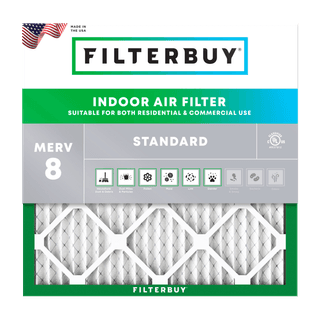
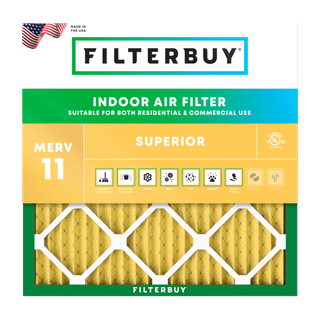
Shop MERV 11 filters→What's the Right Filter for Your AQI Level?


Check Today's Live Real Time Air Quality Index AQI Map in West Valley City, UT Now
By Michelle Wan · Reviewed by David Clark, Licensed HVAC Technician · Published & Updated September 1, 2026
TL;DR
The live air quality index (AQI) map above shows current conditions in West Valley City, Utah. The city sits on the west side of the Salt Lake Valley, where winter inversions, summer ozone, wildfire smoke, and Great Salt Lake dust each drive the AQI at different times of year. When it turns orange or worse, the fastest thing you control is indoor air.
Key Takeaways
West Valley City has four pollution seasons, not one: winter inversion PM2.5 (fine particles), spring lakebed dust, summer ozone, late-summer smoke.
Timing flips by season. Summer mornings are the clean hours. In a winter inversion, no hour is.
A PM2.5-based app can read moderate during a lakebed dust storm, when the hazard is coarser PM10.
Salt Lake County bans wood burning and outdoor fires on voluntary as well as mandatory action days, stricter than the state rule.
What Is the Air Quality in West Valley City Today?
The map above updates in real time. The AQI runs 0 to 500, and the table below turns each band into an action.
Two things about that number are worth knowing before you lean on it, and they are why Filterbuy built this page differently.
The first is that the AQI only reports one pollutant at a time. The EPA scores ozone, fine particles (PM2.5), PM10, carbon monoxide, sulfur dioxide, and nitrogen dioxide separately, then publishes whichever ranks worst. Many apps skip that step and show a PM2.5 figure instead. Here that matters more than almost anywhere, because when dust lifts off the exposed lakebed it is PM10 doing the damage. A PM2.5-only app can read moderate while the sky says otherwise. On a dust day, trust the sky.
The second is distance. Monitors are sparse, so the reading for a west-side address often comes from the nearest station rather than your neighborhood. Utah DAQ built WestSide AirSense because it wanted better local data here. Treat the citywide number as an estimate rather than a measurement of your street.
What Does Today's AQI Mean for Your West Valley City Home?
It tells you two things: whether to go outside, and what to do with your HVAC while you are in. Indoor actions reviewed by David Clark, licensed HVAC technician.
Filterbuy sets its action line at AQI 100. EPA recommends MERV 13 or higher in a central system during smoke events. Reviewed by David Clark, licensed HVAC technician.
Why 100 and not 101. The EPA's orange band starts at 101, so 100 is still the top of Moderate. Filterbuy acts at 100 rather than waiting for the category to change.
What a filter does not do. A pleated filter captures particles. Smoke also carries gases, which particle filters do not remove, and a filter improves the air inside your house rather than outside it.
Why Is West Valley City's Air Often Worse Than the Rest of the Valley?
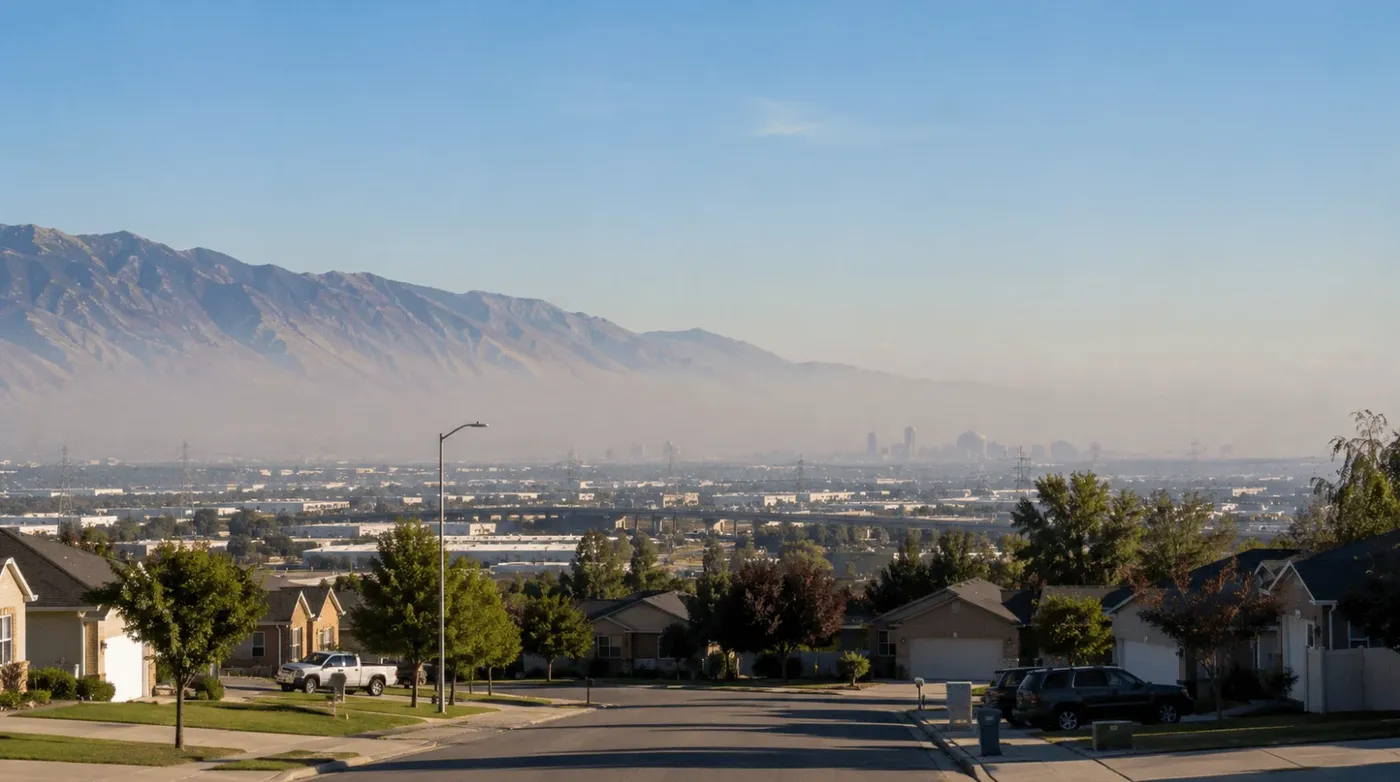
West Valley City sits where the valley's emission sources concentrate: most of the freeways, industry, the airport, and rail run along this side. University of Utah research has found west-side communities face higher exposure than the east bench, and the EPA said much the same when it funded air toxics monitoring here. Geography does the rest: the Wasatch east and Oquirrhs west form a bowl, and in winter warm air settles over it like a lid. Valley-floor air differs from the benches, so compare the Salt Lake City and Utah maps.
When Is Air Quality Worst in West Valley City?
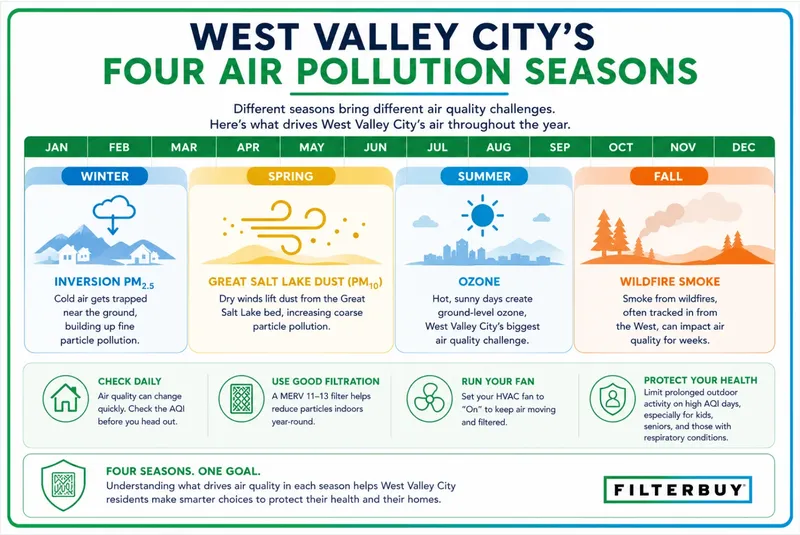
The city runs on four pollution seasons, each with its own pollutant. Filterbuy built this calendar because no single source publishes one for West Valley City, pulling EPA, Utah DAQ, and University of Utah findings into the windows a homeowner plans around.
Great Salt Lake dust events occur roughly three to eight times a year, according to University of Utah atmospheric sciences professor Kevin Perry.
University of Utah atmospheric sciences professor Kevin Perry says these dust storms hit three to eight times a year.
What Time of Day Is the Air Worst in West Valley City?
The season decides the answer, and the two rules run opposite to each other.
Summer means ozone, so go early. Utah DAQ notes ozone runs low in the morning, evening, and night, then climbs with afternoon heat and sun. A 6 a.m. run and a 5 p.m. run are not the same air, so move workouts and kids' outdoor time earlier.
Winter means inversion, and there is no good hour. DAQ describes wintertime PM2.5 building day over day until a storm pushes the air out of the valley. Waiting for afternoon does not help; waiting for the front does.
That reversal is why a daily average misleads. Check the three-day forecast alongside the live map.
Is West Valley City's Air Getting Better or Worse?
Both, and the split is the most misunderstood thing about Salt Lake Valley air.
Particle pollution is improving. The EPA redesignated the area to PM2.5 attainment on December 19, 2025, ending a designation held since 2009.
Ozone is not. The county got an F (see Supporting statistics) and sits in the Northern Wasatch Front nonattainment area, which EPA's Green Book classifies "Serious". That label may not hold: in April 2026 the EPA proposed repealing it, citing emissions from abroad.
For a household here, winter air is cleaner than a decade ago, summer air is not, and dust is the wildcard.
How Do You Protect Indoor Air When West Valley City's AQI Is High?
This is the part most air quality tools leave out. Filterbuy has built filters in the USA for over a decade and shipped them to more than two million households, and the pattern repeats in every inversion-prone valley: people watch the outdoor number, then spend twelve hours breathing indoor air nobody checked. You cannot move the AQI, but you can change what your HVAC pulls air through.
At AQI 100 and above, five things matter, in order:
Close the house up. Windows and doors shut. Don't add indoor pollution while smoke is in: no candles, no frying, no vacuuming without a sealed unit. Under Salt Lake County Health Regulation 35, solid-fuel burning and outdoor fires are banned on voluntary and mandatory action days, patio pits and charcoal grills included.
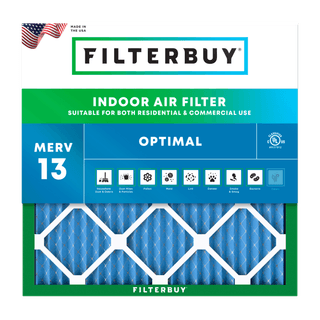
Put MERV 13 in the HVAC. The EPA recommends a high-efficiency filter rated MERV 13 or higher in a central system during smoke events. AQI 100 is where Filterbuy tells customers to make the switch. Compare the MERV ratings.
Set the thermostat fan to On. On Auto, the system only filters while it heats or cools. On filters continuously.
Add a portable HEPA air cleaner in each occupied room, bedrooms first. These are two layers doing different jobs: MERV 13 treats the whole house, a portable unit treats one room harder. EPA's clean-room rule is a smoke CADR of at least two-thirds of the room's square footage, so a 300 square foot bedroom wants about 200. Avoid anything that produces ozone. No ductwork? In an apartment or on window units there is no whole-home layer, so portable cleaners are the main defense, not a supplement.
Check the filter, don't count days. During a smoke event, replace it when it looks dirty, dark brown or black, which can be well before the normal interval. Keep spares on hand.
One fit check before you switch. The EPA notes that most furnaces and HVAC systems accommodate MERV 13 without equipment problems, provided the filter is replaced often. Confirm the size and depth your system takes, the same as you would for any replacement. David Clark reviewed the steps above.
The AQI map tells you what is happening outside. The filter in your HVAC decides what your family actually breathes for the rest of the day.
Filterbuy
When conditions are bad enough that people are told to stay indoors, AirNow's guidance for when smoke is in the air and Utah DAQ come first. Filtration is one layer, not the answer.
For that layer, Filterbuy makes pleated filters in 600+ sizes plus custom cuts in the USA, shipped factory-direct. Smoke and inversion map to MERV 13 in your size, dust and pollen to MERV 11, and odors, which are gas-phase, to the Odor Eliminator line. Set up auto-delivery so spares are already in the house.
How Do You Get West Valley City Air Quality Alerts?
UtahAir app (iOS and Android): conditions, forecasts, and burn-action alerts by county.
DAQ email alerts: sign up on Utah's air quality forecast page, or call 801-536-0072.
WestSide AirSense alerts, the one worth having here: free emails when particles rise in ZIPs 84120 and 84128.
Wood-burning restrictions run November 1 to March 1, with fines from $150.
Supporting Statistics
Three numbers behind this page, from U.S. government and nonprofit sources.
1. Ozone: 20.8 unhealthy days a year. Salt Lake County's grade is an F.
13th worst metro in the nation for ozone.
782,846 Utah children live in failing-grade air.
The one local measure that is not improving.
Source: American Lung Association, "State of the Air" 2026.
2. Dust: over 750 square miles of Great Salt Lake lakebed is now exposed.
Prevailing winds carry metal-bearing dust into Wasatch Front communities.
The pollutant is PM10, not PM2.5.
West Valley City sits downwind, so dust spikes here first.
Source: Utah DEQ, Assessing Community Exposure to Ambient Particulate Matter from the Great Salt Lake.
3. Indoor air: you spend about 90% of your time in it, and some pollutants run 2 to 5 times higher there.
You cannot lower the outdoor AQI.
During an inversion, most of what you breathe is indoor air.
That is the layer a clean filter changes.
Source: U.S. EPA, Report on the Environment: Indoor Air Quality.
Frequently Asked Questions
Glossary
PM2.5: fine particles 2.5 micrometers or smaller, able to reach deep into the lungs, and the dominant pollutant here in winter.
PM10: coarse particles 10 micrometers or smaller, including wind-blown dust. Federal 24-hour standard: 150 µg/m³.
Ground-level ozone: an invisible gas formed when emissions react with sunlight and heat, and the dominant pollutant here in summer.
Filterbuy: a U.S. air-filter manufacturer shipping pleated HVAC filters in 600+ sizes factory-direct.
Sources
U.S. EPA · Utah Division of Air Quality · American Lung Association · Salt Lake County Health Regulation 35 · University of Utah. Sources linked inline.
Michelle Wan writes about indoor air quality for Filterbuy. Reviewed for technical accuracy by David Clark, licensed HVAC technician. Filterbuy manufactures filters in the USA and sells factory-direct; filtration guidance here is reviewed independently of any product recommendation.