
Fort Lauderdale Real-Time AQI Tracker


Get Alerts For Unhealthy AQI In Your Area
When air quality in your area reaches unhealthy levels, we'll send you a quick alert, along with expert tips on how to reduce your exposure.
What's Actually In Fort Lauderdale Air Today?
What High AQI Means for Your Lungs in Fort Lauderdale
How to Read AQI
The Air Quality Index (AQI) measures how polluted the air is and how it may affect your health.
0–50 (Good): Air quality is satisfactory.
51–100 (Moderate): Acceptable, but some pollutants may pose minor concerns.
101–150 (Unhealthy for Sensitive Groups)
151–200 (Unhealthy)
201–300 (Very Unhealthy)
301+ (Hazardous)
Moderate
Still okay for most, but if you have asthma or allergies, take it easy and avoid long outdoor workouts.
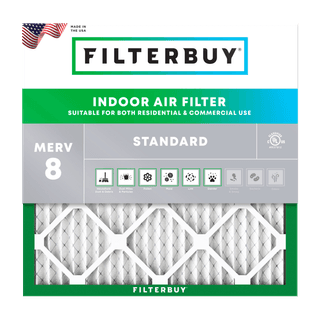
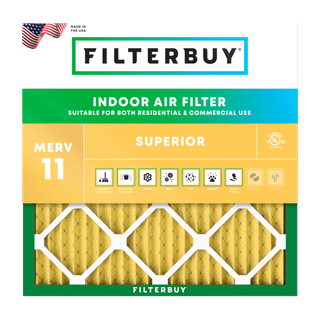
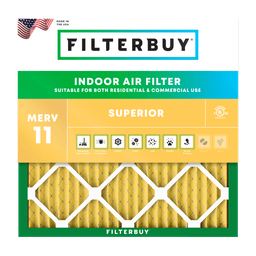
Shop MERV 11 filters→What's the Right Filter for Your AQI Level?

Check Today's Live Real Time Air Quality Index AQI Map in Fort Lauderdale, FL Now
By Michelle Wan, Brand Manager and Air Quality Writer · Reviewed by David Clark, Licensed HVAC Technician · Published July 31, 2026 · Updated July 31, 2026
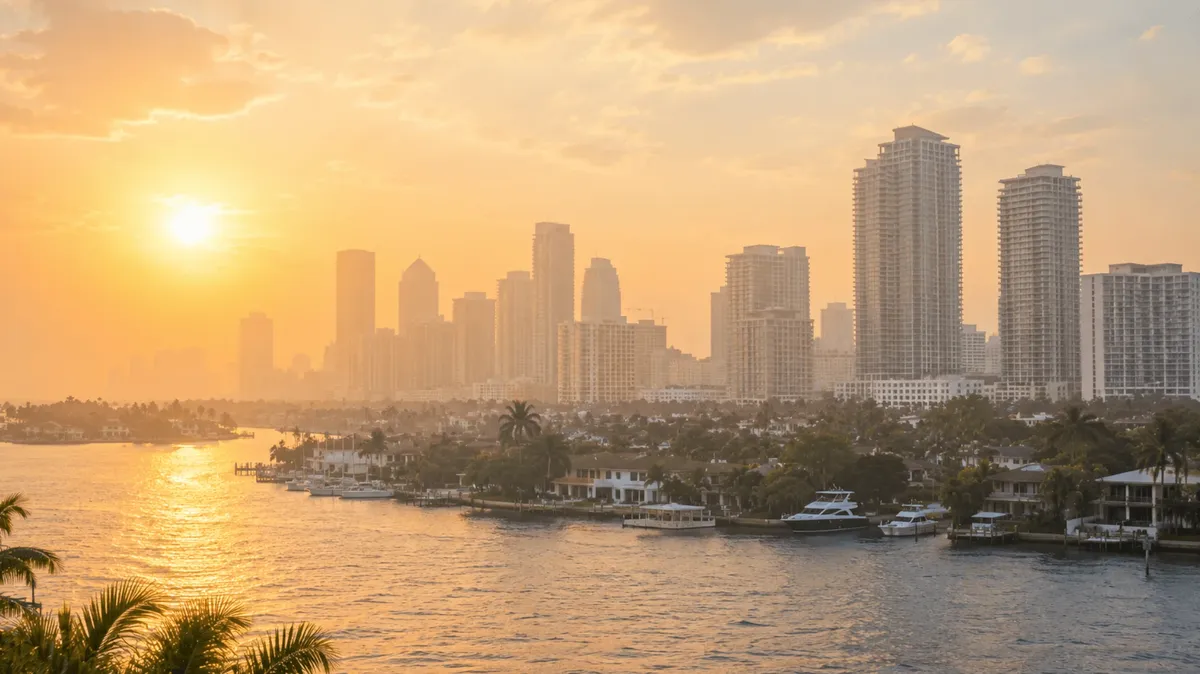
Fort Lauderdale air reads clean most mornings. By three in the afternoon in July, a white haze often flattens the skyline over Las Olas, and the number behind it moves hour by hour. The live map above pulls from Broward County monitors feeding the federal network, so you see the reading near your own street rather than a countywide average.
How to Read Today's Fort Lauderdale AQI Number
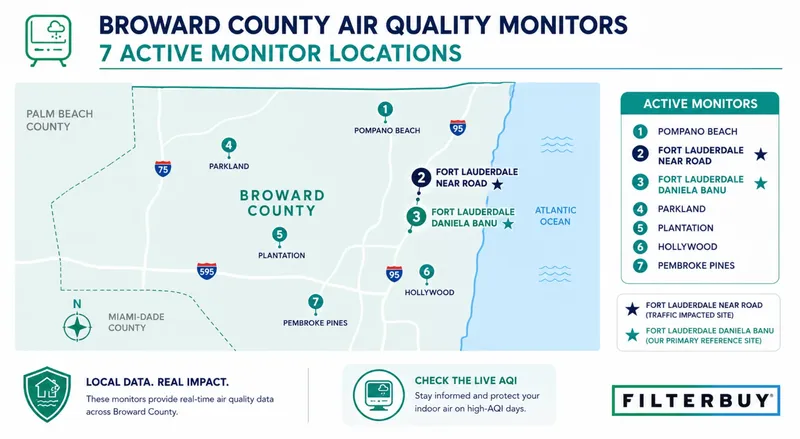
Broward County runs seven active monitors, and each answers a different question. Filterbuy checked all seven against the state register, because three older Broward stations are inactive and still circulating in search results. The Fort Lauderdale Near Road station tracks nitrogen dioxide and fine particles alongside traffic. Daniela Banu is the federal reference station for the whole Miami and Fort Lauderdale metro. Dr. Von Mizell-Eula Johnson State Park watches ozone coming off the port. Those stations can report different conditions in the same hour, so check the one nearest you. For a wider view, compare against statewide Florida air quality conditions.
TABLE 1. AQI Levels and What They Mean in Fort Lauderdale
Scale and health guidance follow the U.S. EPA Air Quality Index. MERV 13 captures fine particles and is not the same as HEPA.
TABLE 2. Active Air Quality Monitors in Broward County
Seven monitoring stations were active in Broward County as of the most recent update. Source: Florida Department of Environmental Protection, Broward County Air Monitoring.
What's Actually in Fort Lauderdale Air Today?
Four local sources drive almost every reading here, on different calendars.
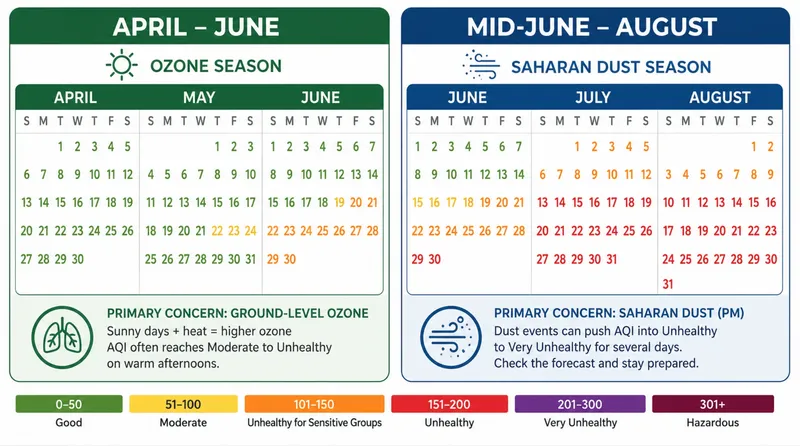
Saharan Dust From Mid-June Through August
Dust lifted off the Sahara crosses the Atlantic in a warm dry layer and reaches South Florida on a predictable rhythm. NOAA and the CDC both put the peak from late June through mid August, with new outbreaks every three to five days. The sky turns milky white and sunsets run orange. Hazy summer skies with no rain forecast are your signal to check the map.
Spring Smog Season From April Through June
The City of Fort Lauderdale identifies April through June as the local smog season. Ozone forms when vehicle and power plant emissions cook in sunlight, and low spring humidity gives that reaction room before afternoon storms scrub the air. Residents get caught out because the sky looks clear on the worst ozone afternoons.
Traffic Along the Interstate 95 and Port Everglades Corridor
Interstate 95 runs through Fort Lauderdale near a working cruise port and an international airport. Broward County identifies transportation as its leading pollution source, and the CDC advises avoiding busy roads when particle levels are high. A reading beside the highway can differ from one four miles inland in the same hour. Compare yours against inland Broward conditions in Coral Springs.
Smoke From Everglades and Regional Burns
Land management fires west of the county line push smoke east when the wind cooperates. The city names Everglades fires among local pollutant sources, and smoke arrives as fine particles rather than coarse Saharan dust.
TABLE 3. Fort Lauderdale Air Quality Calendar
Smog season dates per the City of Fort Lauderdale. Saharan Air Layer timing per NOAA.
Why the Same AQI Number Calls for Two Different Responses Here
Most air quality pages stop at the number. Fort Lauderdale's two bad-air seasons run on different pollutants, and the filter in your return vent addresses only one.
Summer dust is particles. A pleated filter rated for fine particles captures them, so upgrading ahead of a Saharan outbreak changes what your family breathes indoors.
Spring smog is ozone, and ozone is a gas. MERV ratings measure particle capture and say nothing about gases. On a clear April afternoon when ozone pushes the reading to 110, a filter upgrade will not move the needle indoors. What helps is closing windows through the afternoon peak and shifting hard exercise to morning.
A reading of 110 in April and a reading of 110 in July call for different actions in the same house.
How to Tell Which Pollutant Is Driving Today's Number
Filterbuy finds this mechanic goes unexplained almost everywhere. The AQI does not average the pollutants in your air. It reports whichever one is highest. A reading of 95 means one pollutant reached 95 while the others may sit near 20.
The number alone therefore cannot tell you whether to change a filter or change your schedule. The live map lets you switch between the ozone layer and the particle layer. Check the layer before you check the dial.
Two rules of thumb Filterbuy relies on for South Florida cover most days:
A clear sky with the reading climbing through a spring afternoon almost always means ozone
A milky white sky and an orange sunset in summer almost always means dust
What a Normal Year Actually Looks Like in Fort Lauderdale
Florida DEP reports that the state rarely records an AQI above 100 and has never officially recorded a value above 200.
Most days need no action. A handful each year do, and those arrive without warning. Spotting that handful early is the whole benefit, and Filterbuy would rather you check the map on a green day than buy a filter you do not need yet.
Why the Map Can Lag a Plume You Can Already Smell
The current-hour reading is a calculation, not a live sensor feed. AirNow blends several hours of monitor data, stretching the average when conditions are stable and shortening it when they change fast.
On ordinary days that works. During a dust plume arriving or a smoke shift turning, your eyes and throat register the change before the dial moves.
If the sky turns and you feel it, close the windows then. Filterbuy would rather you trust your own throat than wait on a dial.
What High AQI Means for Your Lungs in Fort Lauderdale
Fine particles measure two and a half microns or smaller, roughly thirty times narrower than a human hair. That size lets them settle deep in lung tissue, and the smallest fraction crosses into the bloodstream.
The Asthma and Allergy Foundation of America treats any reading of 101 or higher as unhealthy for people with asthma, and notes symptoms can worsen even in the moderate 51 to 100 band. Its guidance is to limit outdoor time between 11 in the morning and 8 at night, which overlaps almost exactly with Fort Lauderdale's afternoon ozone peak.
Coarse dust irritates eyes, nose, and throat without penetrating as deeply, so a dust day feels more like an allergy flare.
Outdoor particles follow you indoors through every gap in the envelope, which makes your return vent filter the last barrier between this map and the air your family breathes.
What to Do When Fort Lauderdale AQI Climbs
Start by finding your filter size. Read the three numbers on the frame of the filter already in your return vent, something like 20x25x1. Those are nominal dimensions, and the actual filter runs a quarter to a half inch smaller. Filterbuy manufactures over 600 sizes plus full custom at its Alabama plant, so an odd opening is not a dead end.
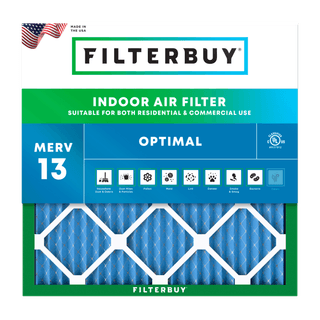
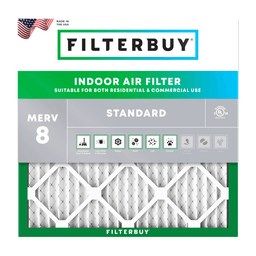
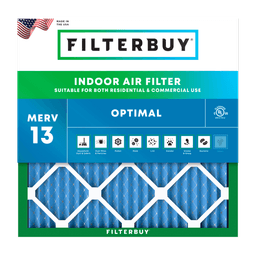
Then match the rating to your household and season. A home with no pets and no respiratory sensitivities does fine on standard filtration through green and yellow days. Households managing asthma or allergies, or anyone riding out a dust outbreak or smoke event, should move up to MERV 13 pleated filters, which capture the fine particle fraction driving the health effects above. Add odor eliminating carbon filters when smoke brings a smell with the haze.
Close the windows when the map turns orange, run the system fan so air keeps cycling, and replace the filter more often during dust season, because a loaded filter stops helping. Setting up automatic filter delivery removes the step people forget. If your system struggles once the windows stay shut, the Filterbuy HVAC Solutions technicians in Fort Lauderdale work on these coastal systems daily.
A Note From the Author
I write about air quality for Filterbuy, and the question I get most from South Florida readers is some version of: the air looks fine, so why do I feel it? That is almost always an ozone day. The haze people expect is a dust signature, and dust is the easy case. Ozone gives you nothing to look at.
Michelle Wan, Brand Manager and Air Quality Writer, Filterbuy
Expert Perspective From Filterbuy
After manufacturing filters for over a decade and serving more than two million households, we have learned that most people treat the AQI as one problem with one answer. In Fort Lauderdale it is two. Summer dust is a filtration question. Spring ozone is a timing question, and the honest answer is to change when you go outside, not which filter you buy.
David Heacock, Founder and CEO, Filterbuy
Fort Lauderdale Air Quality Questions Answered
Seven Verified Sources for Checking Fort Lauderdale Air Quality
Filterbuy verified every link below. Each source answers a different question.
1. Check the Official Reading First
AirNow publishes the official U.S. Air Quality Index hourly.
Source: AirNow, U.S. Environmental Protection Agency
2. Understand Why Particle Size Decides Risk
The EPA explains why particle diameter decides how deep a pollutant travels.
Source: U.S. Environmental Protection Agency
3. Match Symptoms to the Pollutant
The CDC lists ozone and particle symptoms, and covers Saharan dust directly.
Source: Centers for Disease Control and Prevention
4. Find the Station Nearest You
Florida DEP lists all seven active Broward stations and what each measures.
Source: Florida Department of Environmental Protection
5. Report a Local Air Problem
Broward County runs the local monitoring network.
Source: Broward County Air Quality Program
6. Know What an Alert Requires
The National Weather Service explains what triggers an alert.
Source: National Weather Service
7. Plan Around the Worst Hours for Asthma
AAFA treats any reading of 101 or higher as unhealthy for asthma.
Source: Asthma and Allergy Foundation of America
Supporting Statistics on Fort Lauderdale Air Quality
Three figures behind the guidance above, each verified live.
1. Broward County Records the Metro's Worst Short-Term Particle Pollution
Grade: C for short-term particle pollution
Unhealthy days: 1.5 per year
Ranking: worst county in the Miami and Fort Lauderdale metro
Metro rank: 110th worst of 224 areas nationally
Data years: 2022 through 2024
Source: American Lung Association, State of the Air 2026
2. Saharan Dust Reaches Florida Every Three to Five Days at Peak
Peak window: late June through mid-August
Arrival rhythm: a new outbreak every three to five days
Layer thickness: two to two and a half miles
Source: NOAA Atlantic Oceanographic and Meteorological Laboratory
3. South Florida Runs a Distinct Smog Season Each Spring
Season: April through June
Cause: vehicle and power plant emissions reacting with sunlight
Why spring: low humidity lets the reaction finish before afternoon storms clear the air