
22x22x2 Air Filters
Actual Size: 21.5x21.5x1.75

3 month filters
2. Select Quantity
Buying multiple sizes?


Made in the USA
Ships in 24 hours
22x22x2 Air Filters Air Filter Description
Available In MERV Rating: 8, 11, 13
Made in the USA
Ships in 24 hours
Merv comparison
Scroll to see more.
 MERV 8 |  MERV 11 |  MERV 13 | |
|---|---|---|---|
| Best for | Standard Residential/Commercial Healthy Families | Superior Residential/Commercial Allergy Sufferers | Optimal Residential/Commercial Hospital Grade |
| Comparable ratings | MPR 600 & FPR 5 | MPR 1000-1200 & FPR 7 | MPR 1500 - 1900 & FPR 10 |
| Filtration | Captures 90% of Airborne Particles | Captures 95% of Airborne Particles | Captures 98% of Airborne Particles |
| Dust, lint & debris | |||
| Mold, pollen | |||
| Dander, dust mites | |||
| Smoke & Smog | |||
| Bacteria | |||
| Odor, vocs |
Is it time to change your filter?
Generally, we recommend you replace your air filters every 90 days. Find out below if you should change your filters more often.

If someone in your home has asthma or allergies...
Change your filter every
6 weeks
to ensure indoor air quality is at its best.
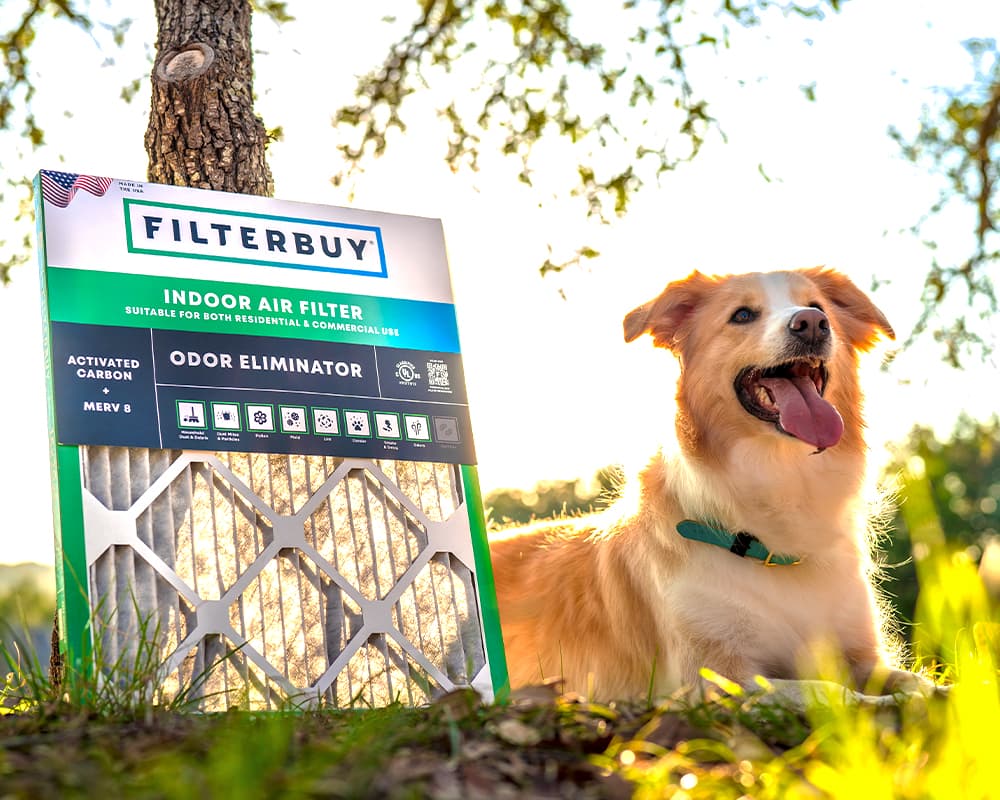
If you have pets...
Change your filter every
2 months
to avoid shedding and odor buildup.

If you have young children...
Change your filter every
2-3 months
as having clean air is even more important with children in your home.
If someone in your home has asthma or allergies...
Change your filter every
6 weeks
to ensure indoor air quality is at its best.
If you have pets...
Change your filter every
2 months
to avoid shedding and odor buildup.
If you have young children...
Change your filter every
2-3 months
as having clean air is even more important with children in your home.
22x22x2 Air Filters – Discover How the Right Fit Boosts HVAC Performance, Improves Indoor Air Quality, and Saves You Money on Energy Bills with Cleaner, More Efficient Airflow Every Day
When it comes to optimizing HVAC performance and improving indoor air quality, the right 22x22x2 air filter can make all the difference—but it’s not just about fitting the size. Having spent years working with various HVAC systems, we've seen firsthand how the right filter boosts system efficiency, enhances airflow, and lowers energy consumption. While many overlook the impact of air filter choice, we’ve learned that a high-quality filter isn’t just an accessory; it's an essential tool for maximizing comfort, safeguarding air quality, and preventing unnecessary wear on your system. In this guide, we’ll share insider insights on how the right 22x22x2 air filter can transform your HVAC’s performance, saving you money and providing cleaner, fresher air every day. Ready to experience the difference? Let’s dive in.
Top Takeaways:
Save on Energy:
A high-efficiency 22x22x2 filter can cut energy use by up to 15%.
Lower your monthly energy bills with improved system efficiency.
Healthier Air Quality:
Reduces allergens and particles for cleaner, healthier air.
Extend HVAC Life:
Prevents system strain and reduces costly repairs by using the right filter.
Cost-Effective Upgrade:
Simple, affordable change that improves HVAC performance and saves money.
Regular Maintenance:
Replace filters regularly and schedule annual HVAC check-ups to maintain efficiency.
"From years of hands-on experience with HVAC systems, we've learned that the right 22x22x2 air filter isn't just a simple replacement—it's a game-changer. It's the key to improving airflow, reducing energy bills, and ensuring cleaner, healthier air. The right filter doesn’t just fit your system; it enhances its performance and longevity, making a noticeable difference in both comfort and savings."
Supporting Statistics: Data That Backs the Value of the Right 22x22x2 Air Filter
Here are key statistics that reinforce our experience with the importance of the right air filter for HVAC systems:
Energy Savings with the Right Air Filter
Statistic: A high-efficiency air filter can reduce energy consumption by up to 15%.
Source: U.S. Department of Energy.
Key Insight: In our experience, homeowners and businesses have seen immediate energy savings after upgrading to premium 22x22x2 filters.
🔗Department of Energy - Air Filters and Energy Efficiency
Efficiency Loss from Clogged Filters
Statistic: A clogged filter can reduce HVAC system efficiency by up to 20%, raising energy costs.
Source: U.S. Department of Energy.
Key Insight: We've observed HVAC systems perform noticeably better with a fresh, correctly sized filter, improving both airflow and energy efficiency.
🔗Department of Energy - The Importance of Air Filters
Health Risks from Poor Air Quality
Statistic: 50% of all illnesses are linked to poor indoor air quality.
Source: Environmental Protection Agency (EPA).
Key Insight: Our clients report fewer respiratory issues after switching to high-quality filters, supporting the EPA’s findings.
Final Thoughts & Opinion: Why the Right 22x22x2 Air Filter Matters
Choosing the right 22x22x2 air filter can be a game-changer for your HVAC system. Based on years of hands-on experience, here’s why it’s such a crucial upgrade:
Key Benefits of the Right 22x22x2 Air Filter:
Energy Savings: Reduces energy consumption, lowering monthly bills.
Extended System Life: Prevents strain on your HVAC system, reducing wear and tear.
Improved Air Quality: Helps filter out allergens and particles, creating a healthier environment.
Firsthand Experience Insights:
Immediate Impact: Clients consistently see energy bill reductions and improved airflow after switching to a premium 22x22x2 filter.
Health Benefits: Many report fewer allergy symptoms and cleaner air in their homes or workplaces.
Next Steps: Optimize Your HVAC System with the Right 22x22x2 Air Filter
Here’s how you can take action to improve your HVAC system and start enjoying the benefits of the right air filter:
Check Your Current Filter
Ensure your filter is the correct size (22x22x2) and in good condition.
Replace it if it’s clogged or outdated.
Choose a High-Quality 22x22x2 Filter
Look for a high MERV rating for better filtration and airflow.
Consider filters with extra features like antimicrobial protection.
Replace Regularly
Replace your filter every 1-3 months, depending on usage.
Regular changes help maintain performance and save energy.
Monitor Performance
After replacing the filter, track improvements in airflow and energy savings.
Keep an eye on energy bills to confirm savings.
Schedule Regular Maintenance
Book annual HVAC system check-ups to ensure optimal performance.
Have a professional inspect your system alongside the filter change.
Frequently Asked Questions
What is the correct way to install an air filter? Install the air filter with the airflow arrow pointing in the same direction as the airflow in your HVAC system, usually toward the blower motor or air handler.
How do you know if an air filter is installed correctly? The filter should fit snugly without gaps, and the airflow arrow should align with the system’s airflow direction; if air bypasses the filter or it's loose, it's not installed properly.
How do we ensure that air filters are properly installed in the unit? Check the system manual for the correct filter size and orientation, verify the airflow direction, and inspect for a tight, secure fit without any movement or air leakage.
What is the best way to determine when an air filter needs to be replaced? Check the filter monthly for visible dirt buildup and reduced airflow, and replace it every 1–3 months or as recommended by the manufacturer based on usage and environmental conditions.