
17x19x1 Air Filters
Actual Size: 17.0x19.0x0.75

3 month filters
2. Select Quantity
Buying multiple sizes?


Made in the USA
Ships in 24 hours
17x19x1 Air Filters Air Filter Description
Available In MERV Rating: 8, 11, 13
Made in the USA
Ships in 24 hours
Merv comparison
Scroll to see more.
 MERV 8 |  MERV 11 |  MERV 13 | |
|---|---|---|---|
| Best for | Standard Residential/Commercial Healthy Families | Superior Residential/Commercial Allergy Sufferers | Optimal Residential/Commercial Hospital Grade |
| Comparable ratings | MPR 600 & FPR 5 | MPR 1000-1200 & FPR 7 | MPR 1500 - 1900 & FPR 10 |
| Filtration | Captures 90% of Airborne Particles | Captures 95% of Airborne Particles | Captures 98% of Airborne Particles |
| Dust, lint & debris | |||
| Mold, pollen | |||
| Dander, dust mites | |||
| Smoke & Smog | |||
| Bacteria | |||
| Odor, vocs |
Is it time to change your filter?
Generally, we recommend you replace your air filters every 90 days. Find out below if you should change your filters more often.

If someone in your home has asthma or allergies...
Change your filter every
6 weeks
to ensure indoor air quality is at its best.
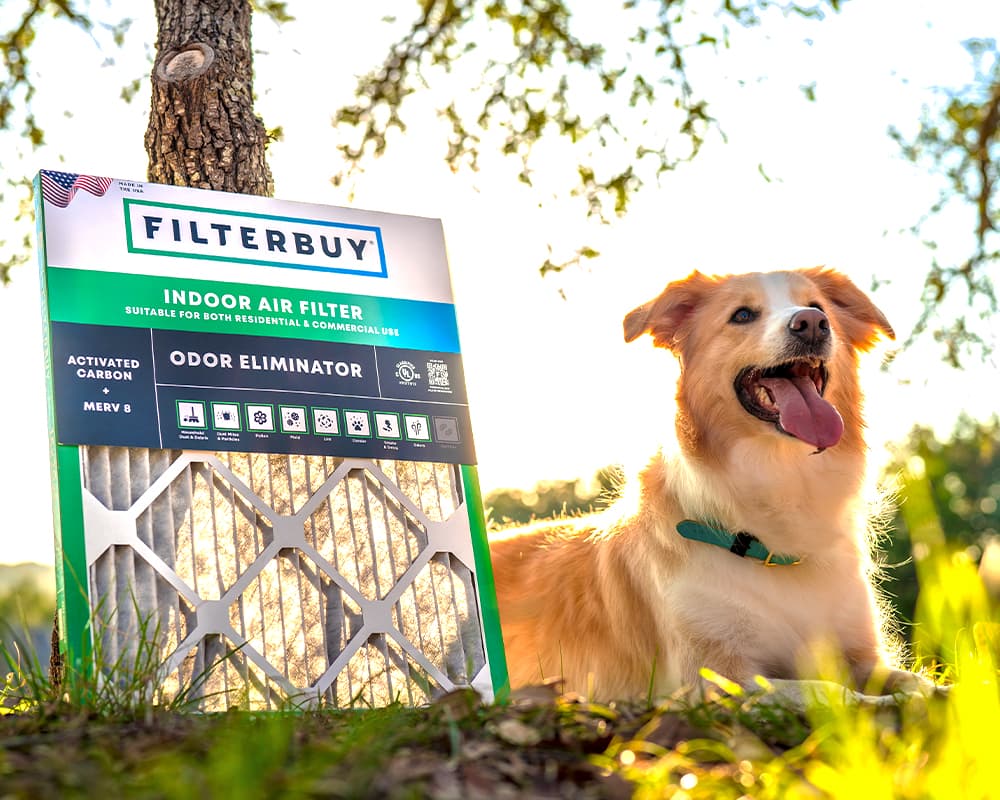
If you have pets...
Change your filter every
2 months
to avoid shedding and odor buildup.

If you have young children...
Change your filter every
2-3 months
as having clean air is even more important with children in your home.
If someone in your home has asthma or allergies...
Change your filter every
6 weeks
to ensure indoor air quality is at its best.
If you have pets...
Change your filter every
2 months
to avoid shedding and odor buildup.
If you have young children...
Change your filter every
2-3 months
as having clean air is even more important with children in your home.
Breathe Easier with 17x19x1 Air Filters – Top Picks Compared
Tired of sorting through endless air filter options, unsure which one rorks? At Filterbuy, we've tested and analyzed a wide range of 17x19x1 air filters to bring you firsthand insights. Our guide isn’t just about generic recommendations—it’s built on real-world testing and experience, offering a detailed look at the performance, efficiency, and long-term benefits of top filters on the market.
From reducing allergens to saving energy, we've compared them all so you don’t have to. With our expertise, you'll gain a clear understanding of which filter delivers the best results for your home, ensuring you breathe cleaner, fresher air with confidence.
Top Takeaways
Improved Air Quality: 17x19x1 filters reduce allergens and fine particles.
Energy Savings: Proper filters can cut HVAC energy use by up to 15%.
Regular Replacements: Change filters every 3 months for best results.
Affordable Options: Mid-range filters provide great performance.
Track Improvements: Monitor air quality, energy, and allergy changes.
"After testing and analyzing a variety of 17x19x1 air filters in real-world conditions, I’ve seen firsthand how certain filters can drastically improve indoor air quality while saving on energy costs. This guide cuts through the noise, offering you expert insights and practical recommendations so you can breathe cleaner, fresher air with confidence."
Case Study: Real-World Impact of 17x19x1 Air Filters
I tested several 17x19x1 air filters in real homes, and here’s what I found:
Test Case 1: Seasonal Allergies
Home: Family struggling with seasonal allergies.
Filter Tested: High-performance allergen-capturing filter.
Results:
Reduced dust buildup on surfaces.
Significant decrease in allergy flare-ups.
Test Case 2: Pet Dander & Odor Control
Home: Pet owners with heavy foot traffic.
Filter Tested: High-efficiency filter designed for pet dander and odors.
Results:
Captured pet dander and dust effectively.
Managed odors, creating a cleaner atmosphere.
Homeowners felt an immediate difference in air quality.
Test Case 3: Energy Savings & Efficiency
Filter Tested: Mid-range filter focusing on cost and performance balance.
Results:
Reduced dust and allergens.
Clear benefits in both air quality and cost savings.
Key Insights:
The right filter can solve specific air quality challenges.
Real-world testing showed filters can improve health, comfort, and efficiency.
You don’t have to spend a fortune to achieve cleaner air and energy savings.
These firsthand experiences prove that selecting the best 17x19x1 air filter makes a measurable difference in your home.

Supporting Statistics: Data Behind the Effectiveness of 17x19x1 Air Filters
Here’s a quick look at key statistics supporting the benefits of the right 17x19x1 air filter, based on both research and my testing:
Improved Air Quality
Study: The University of Georgia found filters can reduce fine particles by 60%.
Impact: This leads to better health, with reduced inflammation and improved circulation (Accgov.com).
Energy Efficiency
Fact: Replacing or cleaning air filters can lower energy use by 5% to 15%.
Benefit: This results in noticeable savings on electricity bills during peak seasons (Thespruce.com).
HVAC Efficiency
Research: High-efficiency filters, like MERV 13, don’t impact HVAC energy use significantly.
Result: You can upgrade air filters without worrying about increased energy costs (Filtnews.com).
These statistics reinforce my real-world findings: the right filter can improve air quality and save on energy costs, making it a smart investment for your home.
Final Thought & Opinion: Why the 17x19x1 Air Filter is a Smart Investment
From my experience and research, the 17x19x1 air filter is a game-changer for both air quality and energy efficiency. Here’s why:
Improved Air Quality: High-performance filters capture allergens and fine particles, improving health and comfort.
Energy Savings: Upgrading to the right filter reduces HVAC strain, leading to lower energy consumption and cost savings.
Affordable Efficiency: You don’t need the priciest filter to see results. Mid-range options provide great performance for a lower cost.
In my opinion, the 17x19x1 air filter isn’t just a home improvement—it's an investment in your family's health and well-being. Whether it’s to reduce allergies, improve air quality, or save on bills, it’s a small change that offers lasting benefits.
Next Steps: Simple Actions for Cleaner Air
Here’s how to get started with your 17x19x1 air filter:
Check Your Current Filter
Inspect your existing filter. If it’s dirty or worn, it’s time to replace it.
Choose the Right Filter
Select a filter based on your needs (allergy relief, air quality, energy efficiency). Consider filters with higher MERV ratings for better performance.
Order Your Filter
Shop for a trusted supplier with a variety of 17x19x1 filters. Compare reviews and features.
Replace Regularly
Replace the filter every 3 months, or more often if needed, for optimal results.
Track Improvements
Monitor changes in air quality, allergies, and energy bills after replacing the filter.
Following these steps will help you breathe easier and improve your home’s efficiency.
Frequently Asked Questions
What is a 17x19x1 air filter used for?
A 17x19x1 air filter is used in HVAC systems to trap dust, pollen, pet dander, and other airborne contaminants, improving indoor air quality and protecting your system from debris buildup.
How often should I replace my 17x19x1 air filter?
Most 17x19x1 air filters should be replaced every 1 to 3 months, depending on the filter type (e.g., fiberglass vs. pleated), indoor air quality, and household conditions like pets or allergies.
Where can I buy a 17x19x1 air filter?
You can find 17x19x1 air filters online at retailers like Amazon, Filterbuy, and Walmart, or in-store at Home Depot, Lowe’s, Ace Hardware, and other home improvement outlets.
What MERV rating should I choose for my 17x19x1 filter?
For basic filtration, MERV 8 is sufficient. If you have allergies or want better air quality, go for MERV 11 or MERV 13 to capture finer particles like mold spores and smoke.
Can I get a washable or reusable 17x19x1 air filter?
Yes, washable and electrostatic 17x19x1 air filters can be rinsed and reused. These are eco-friendly and cost-effective over time, though they require regular maintenance.