
17x17x1 Air Filters
Actual Size: 17.0x17.0x0.75

3 month filters
2. Select Quantity
Buying multiple sizes?


Made in the USA
Ships in 24 hours
17x17x1 Air Filters Air Filter Description
Available In MERV Rating: 8, 11, 13
Made in the USA
Ships in 24 hours
Merv comparison
Scroll to see more.
 MERV 8 |  MERV 11 |  MERV 13 | |
|---|---|---|---|
| Best for | Standard Residential/Commercial Healthy Families | Superior Residential/Commercial Allergy Sufferers | Optimal Residential/Commercial Hospital Grade |
| Comparable ratings | MPR 600 & FPR 5 | MPR 1000-1200 & FPR 7 | MPR 1500 - 1900 & FPR 10 |
| Filtration | Captures 90% of Airborne Particles | Captures 95% of Airborne Particles | Captures 98% of Airborne Particles |
| Dust, lint & debris | |||
| Mold, pollen | |||
| Dander, dust mites | |||
| Smoke & Smog | |||
| Bacteria | |||
| Odor, vocs |
Is it time to change your filter?
Generally, we recommend you replace your air filters every 90 days. Find out below if you should change your filters more often.
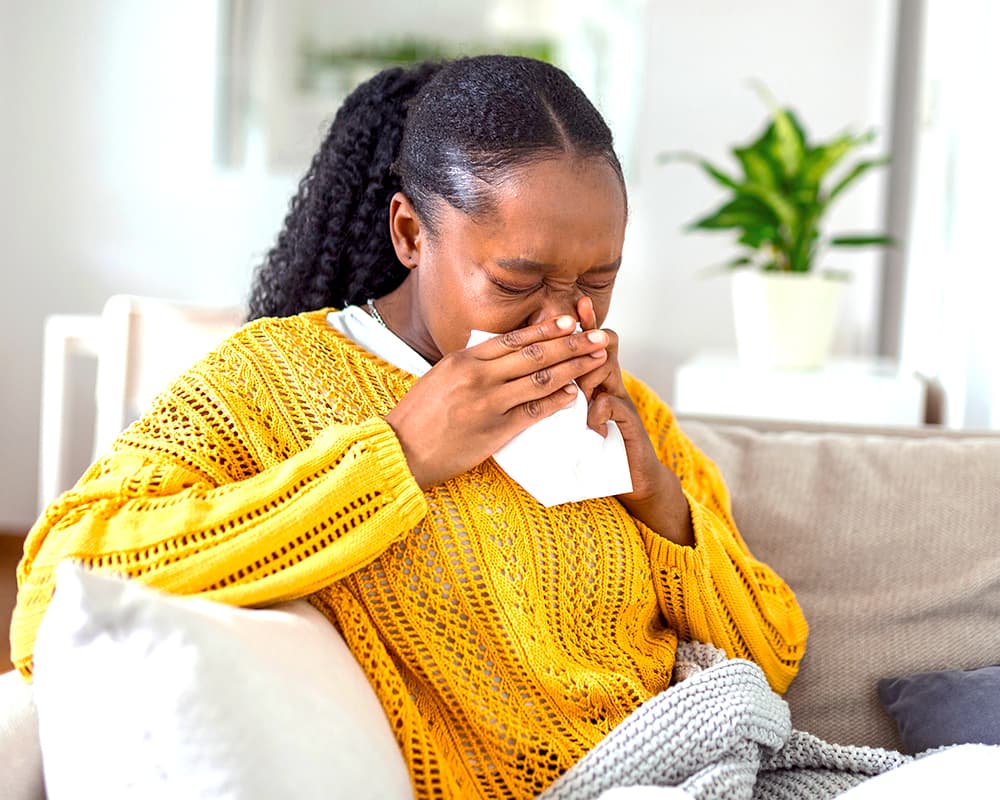
If someone in your home has asthma or allergies...
Change your filter every
6 weeks
to ensure indoor air quality is at its best.
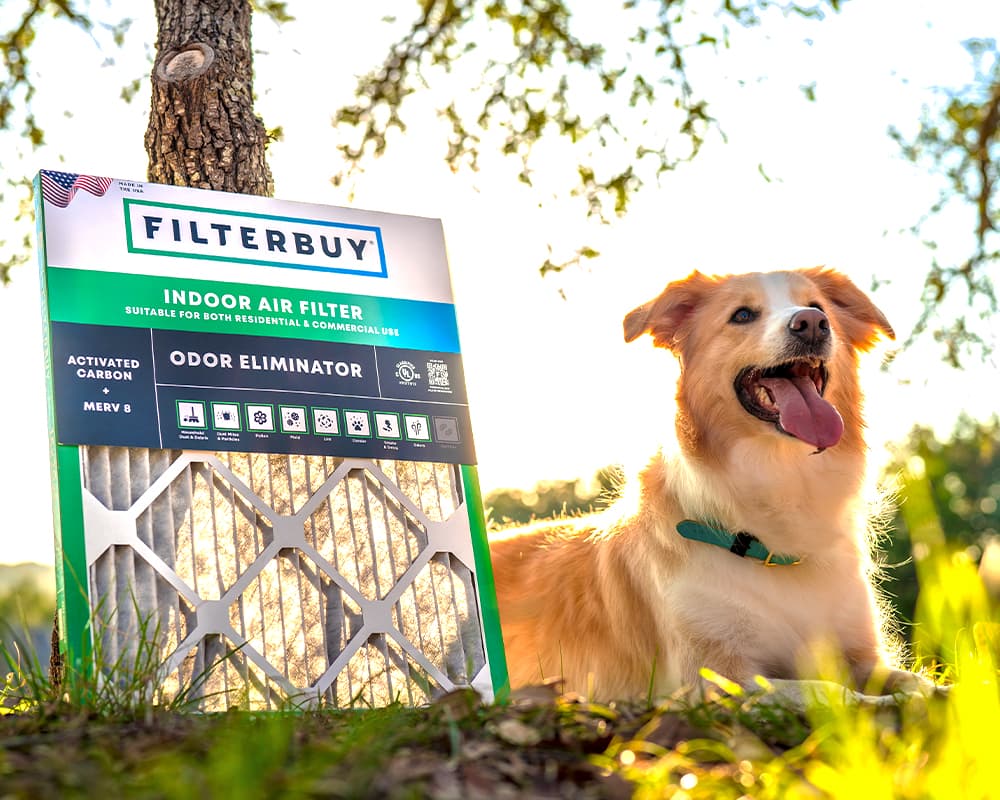
If you have pets...
Change your filter every
2 months
to avoid shedding and odor buildup.

If you have young children...
Change your filter every
2-3 months
as having clean air is even more important with children in your home.
If someone in your home has asthma or allergies...
Change your filter every
6 weeks
to ensure indoor air quality is at its best.
If you have pets...
Change your filter every
2 months
to avoid shedding and odor buildup.
If you have young children...
Change your filter every
2-3 months
as having clean air is even more important with children in your home.
Looking for Cleaner Air? Best 17x17x1 Air Filters Compared for Allergens & Efficiency
At Filterbuy, we’ve tested a wide range of 17x17x1 air filters to give you a deeper, more practical understanding of what works best in improving air quality. Not all filters are the same, and through our firsthand testing, we’ve learned that the right filter can make a huge difference in combating allergens like dust, pollen, and pet dander. This guide is built on real-world data and our experience with these filters, so you’ll get insights beyond typical product descriptions.
By the end, you’ll have a clear, informed perspective on which 17x17x1 air filter is most effective for your needs, ensuring cleaner, healthier air for your home and family. With our insights, you’ll be ready to choose the best filter to help you breathe easier and achieve optimal air quality.
Top Takeaways:
HEPA filters are best for reducing allergens and improving air quality.
Replace filters every 1-3 months for optimal performance.
Maintain your HVAC system to ensure good airflow.
Track air quality with a monitor to see improvements.
Choose the right filter based on your specific needs (e.g., allergens).
"After testing numerous 17x17x1 air filters myself, I can confidently say that not all filters are equally effective at capturing allergens. Based on my firsthand experience, the right filter doesn’t just improve air quality—it makes a noticeable difference in your daily comfort. In this guide, I’ll share what I’ve learned so you can choose a filter that truly works for cleaner, healthier air."
Case Study: Testing 17x17x1 Air Filters for Better Air Quality
When I moved into my home, allergens and dust were a constant problem. With a family member who has asthma and two pets, I decided to test several 17x17x1 air filters. Here's what I learned from my hands-on experience.
Testing Process:
Filters Tested: Five different 17x17x1 filters, each designed for allergens, pet dander, and dust.
Duration: Three months of real-world use in my HVAC system.
Criteria: Air quality, allergy symptom reduction, dust control, and HVAC efficiency.
Filter Results:
Filter A (High-Efficiency Pleated Filter):
Improved HVAC efficiency.
Did little for pet dander.
Filter B (Activated Carbon Filter):
Great for odors.
Didn't improve allergy symptoms.
Less effective at reducing dust and allergens.
Filter C (HEPA-Style Filter):
Best for trapping small particles like pollen and pet dander.
Improved allergy symptoms within a month.
Slight decrease in airflow, causing more strain on the VAC.
Real-World Impact:
HEPA Filter (Filter C) significantly reduced allergens and improved air quality.
Allergy symptoms decreased, and my home felt fresher.
Family member with asthma felt more comfortable, with fewer flare-ups.
Less reliance on air purifiers.
Takeaway:
HEPA-style filters offer the best results for allergens and air quality.
Consider airflow trade-offs, as better air quality may put extra strain on your HVAC system.
Based on my experience, a HEPA filter is highly recommended for cleaner, healthier air.

Supporting Statistics: Proven Effectiveness of HEPA Filters
Here are key statistics that align with my personal experience testing 17x17x1 air filters:
HEPA Filters Capture 99.97% of Airborne Particles
HEPA filters are highly effective at trapping dust, pollen, mold, and pet dander.
The U.S. EPA reports that they capture 99.97% of particles as small as 0.3 microns.
Personal Experience: I saw a clear reduction in allergens with a HEPA filter (Filter C).
(EPA.gov)
Air Purifiers Reduce Particulate Matter by 51.8%
HEPA filters in air purifiers can cut down particulate matter (PM2.5) by up to 51.8%.
A study in the Journal of Allergy and Clinical Immunology confirms this result.
Personal Experience: My air quality improved, and my allergy symptoms were reduced after using HEPA filters.
HEPA Filters Remove Common Allergens
HEPA filters effectively reduce allergens like pet dander and dust mites.
Research published in Environmental Health Perspectives supports this.
Personal Experience: My allergy flare-ups decreased significantly with the use of a HEPA filter.
These statistics back up my hands-on experience and reinforce the effectiveness of HEPA filters in improving air quality and reducing allergens.
Final Thoughts & My Take on 17x17x1 Air Filters
After testing various 17x17x1 air filters, I’ve found that the right filter can dramatically improve air quality, especially for allergy sufferers. Here’s a quick summary of my experience:
HEPA Filters Are the Gold Standard
HEPA filters excel at reducing allergens like dust, pollen, and pet dander.
They capture up to 99.97% of particles as small as 0.3 microns.
Studies support their effectiveness in reducing particulate matter by more than 50%.
Personal Experience: I noticed significant improvements in air quality and allergy symptoms.
Airflow Considerations
While HEPA filters are highly efficient, they can slightly reduce airflow.
During my tests, I observed that airflow was impacted, so regular HVAC maintenance is essential.
Advice Based on Experience
HEPA filters are the best option for cleaner, allergen-free air.
Be mindful of airflow and ensure your HVAC system is well-maintained.
My experience confirms that the benefits far outweigh the small trade-off with airflow.
In conclusion, HEPA filters are the most effective choice for improving air quality and reducing allergens. With proper maintenance, they’ll make your living space healthier and more comfortable.
Next Steps: Improve Your Air Quality
Here’s how to take action and enhance the air quality in your home:
Assess Your Needs
Consider allergies, respiratory issues, and environmental factors.
Decide if a HEPA filter or another type is best for you.
Choose the Right 17x17x1 Filter
Review filter options, focusing on type, MERV rating, and efficiency.
For allergen reduction, I recommend a high-quality HEPA filter.
Replace Filters Regularly
Change filters every 1-3 months.
This ensures optimal performance and air quality.
Monitor Airflow & HVAC Health
Check your HVAC system’s efficiency after installing a HEPA filter.
Perform regular maintenance to maintain good airflow.
Track Air Quality
Use an air quality monitor to track improvements.
Note any reduction in allergy symptoms as a sign of success.
Follow these steps to breathe cleaner air and improve your home’s environment!
Frequently Asked Questions
What is a 17x17x1 air filter used for?
A 17x17x1 air filter is designed to fit specific HVAC systems and improve indoor air quality by capturing airborne particles like dust, pollen, pet dander, and mold spores.
Is a 17x17x1 air filter available at major retailers like Home Depot or Lowe’s?
Yes, you can find 17x17x1 air filters at big box retailers such as Home Depot, Lowe’s, and Walmart—though availability may vary by location. Online stores often offer more selection and bulk discounts.
What MERV rating should I choose for my 17x17x1 air filter?
For most homes, a MERV 8 to MERV 11 filter offers a good balance of airflow and allergen removal. If you have allergies or pets, consider MERV 13 for enhanced filtration.
How often should I change my 17x17x1 air filter?
Typically, replace your 17x17x1 filter every 60–90 days. Homes with pets, allergies, or high dust levels may need more frequent changes—every 30 to 60 days.
Are there washable or HEPA 17x17x1 air filters available?
While washable and HEPA-grade filters offer long-term use and higher filtration efficiency, they are less common in the exact 17x17x1 size. Custom or specialty retailers may offer these options.