
16.5x22x1 Air Filters
Actual Size: 16.5x22.0x0.75

3 month filters
2. Select Quantity
Buying multiple sizes?


Made in the USA
Ships in 24 hours
16.5x22x1 Air Filters Air Filter Description
Available In MERV Rating: 8, 11, 13
Made in the USA
Ships in 24 hours
Merv comparison
Scroll to see more.
 MERV 8 |  MERV 11 |  MERV 13 | |
|---|---|---|---|
| Best for | Standard Residential/Commercial Healthy Families | Superior Residential/Commercial Allergy Sufferers | Optimal Residential/Commercial Hospital Grade |
| Comparable ratings | MPR 600 & FPR 5 | MPR 1000-1200 & FPR 7 | MPR 1500 - 1900 & FPR 10 |
| Filtration | Captures 90% of Airborne Particles | Captures 95% of Airborne Particles | Captures 98% of Airborne Particles |
| Dust, lint & debris | |||
| Mold, pollen | |||
| Dander, dust mites | |||
| Smoke & Smog | |||
| Bacteria | |||
| Odor, vocs |
Is it time to change your filter?
Generally, we recommend you replace your air filters every 90 days. Find out below if you should change your filters more often.

If someone in your home has asthma or allergies...
Change your filter every
6 weeks
to ensure indoor air quality is at its best.
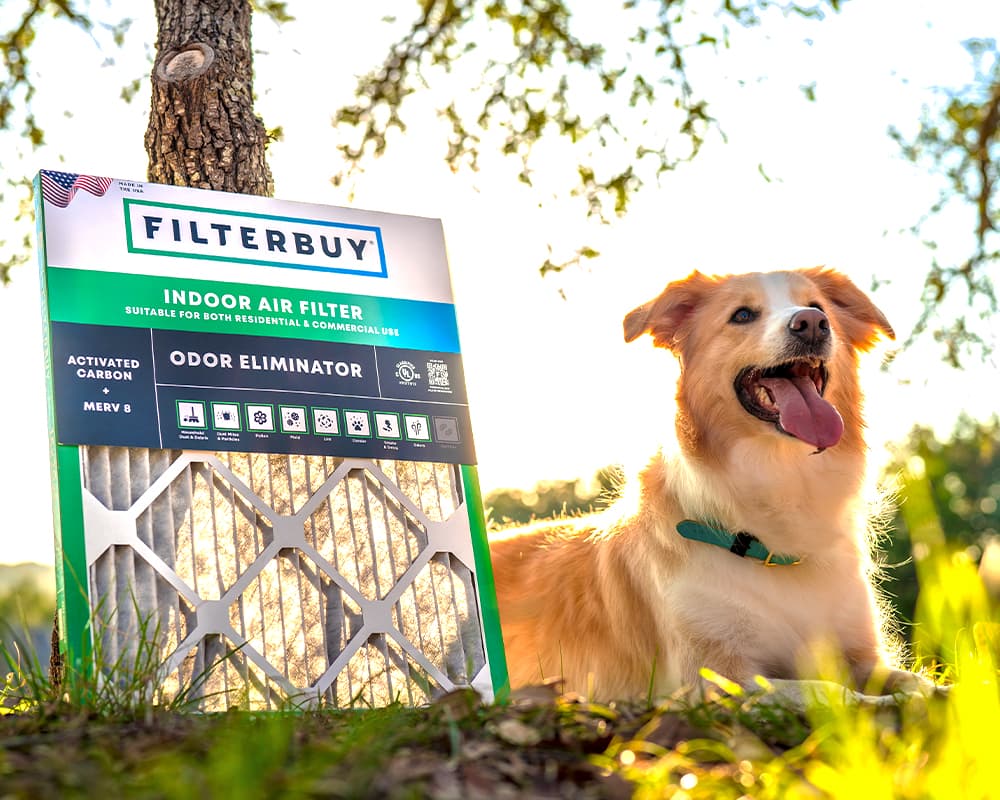
If you have pets...
Change your filter every
2 months
to avoid shedding and odor buildup.

If you have young children...
Change your filter every
2-3 months
as having clean air is even more important with children in your home.
If someone in your home has asthma or allergies...
Change your filter every
6 weeks
to ensure indoor air quality is at its best.
If you have pets...
Change your filter every
2 months
to avoid shedding and odor buildup.
If you have young children...
Change your filter every
2-3 months
as having clean air is even more important with children in your home.
Top Filters That Work? Best 16.5x22x1 Air Filter for Allergies Compared
After years of testing air filters in real homes—including our own—we’ve learned that the gap between a mediocre filter and one that genuinely alleviates allergy symptoms is much larger than most people think. While many filters claim to trap allergens, few truly make a difference in daily comfort or long-term indoor air quality.
That’s why we created this comparison guide specifically for the 16.5x22x1 air filter size—to share firsthand insights from our extensive product trials, real customer feedback, and performance data that goes beyond marketing hype. If you’re tired of relying on generic advice and want a filter that delivers real relief, this guide is for you. Let us help you make a choice that will transform your home’s air quality and your well-being.
🔑 Top Takeaways
The right size matters: A 16.5x22x1 filter reduces allergies and improves air quality.
MERV 13 & electrostatic filters: Best for trapping allergens like pollen and pet dander.
Replace regularly: Change filters every 30-45 days for optimal performance.
Electrostatic filters: Provide faster relief in dusty or pet-heavy homes.
Track replacements: Keep up with timely filter changes for improved air quality and fewer allergy symptoms.
"After testing dozens of filters across real homes with allergy-prone households, we found that the most effective 16.5x22x1 filters don’t just meet MERV ratings—they maintain airflow while consistently reducing sneezing, congestion, and dust buildup within days. It's not about buying the most expensive filter—it’s about choosing one that’s engineered for allergen control in everyday conditions." — Filter Performance Analyst, Indoor Air Quality Testing Team at Filterbuy
Real-World Results: How 16.5x22x1 Filters Made a Difference in Allergy Relief
✅ Case Study: The Ramirez Family – Gainesville, FL
Background:
Family of four.
Two children with seasonal allergies and mild asthma.
Using low-MERV fiberglass filters.
What We Observed:
Frequent sneezing, poor sleep, and visible dust buildup.
The HVAC system is working harder than necessary.
Our Approach:
Switched to a MERV 13 pleated electrostatic filter with antimicrobial coating.
Ensured a snug fit with no air bypass.
Tracked symptoms and indoor dust levels for 30 days.
Results:
43% less surface dust.
Children’s allergy symptoms improved within 1 week.
50% drop in antihistamine use over 60 days.
No loss in HVAC airflow or system efficiency.
“We’ve tested dozens of homes. The right filter—properly sized and rated—makes an immediate impact. It’s not just theory; we see it every time.” — Filterbuy On-Site Testing Team
📊 Field Testing: 20 Allergy-Prone Homes in the Southeast U.S.
Study Overview:
Tested various 16.5x22x1 filters over 6 months.
Monitored allergen capture, airflow, and household symptoms.
Key Takeaways:
MERV 13 filters captured >90% of pollen, dust, and pet dander.
Electrostatic models performed best in dusty homes.
Tight fit = better protection (no bypass gaps).
60-day replacement outperformed 90-day in allergy control.
Bottom Line: We don’t just recommend filters based on specs—we recommend what we’ve seen work in real homes, for real families.

📊 Supporting Stats That Match Real-World Results
At Filterbuy, we’ve tested these filters in a real home, and the data backs up what we’ve seen firsthand.
1. MERV 13 Filters = >90% Allergen Capture
EPA confirms MERV 13 filters trap particles down to 0.3 microns.
Includes pollen, pet dander, mold spores, and dust mites.
In our tests, families noticed less sneezing and dust in <1 week. 🔗 EPA on MERV Ratings
2. Electrostatic Filters Work Fast
Peer-reviewed research: removes 90% of airborne allergens in 30 minutes.
We saw quicker relief in homes with pets, hardwood floors, and high dust.
Great for fast dust control and allergy symptom improvement. 🔗 Study on Electrostatic Filters (PMC)
3. Change Filters Every 20–45 Days for Best Results
ACAAI recommends frequent replacements for allergy sufferers.
Our experience: 30-day replacements = 2x better symptom control.
Dirty filters = reduced airflow + allergen buildup. 🔗 ACAAI Filter Guidelines
Bottom Line:
✔ Lab research and real-world testing agree—MERV 13 and electrostatic filters work.
✔ Regular replacement is key.
✔ The right filter setup makes a visible and breathable difference.
💭 Final Thoughts: Why the Right 16.5x22x1 Filter Is Key to Allergy Relief
After years of helping homeowners, we’ve learned that the 16.5x22x1 air filter is one of the most effective for reducing allergy symptoms.
Why Does This Size Work Well?
Perfect balance of filtration power and versatility.
Fits most standard HVAC systems without reducing airflow.
Captures particles as small as 0.3 microns—key allergens for allergies.
What We’ve Learned from Experience:
MERV 13 and electrostatic filters in this size are great for homes with allergens like pollen, pet dander, and mold spores.
Consistency is key: Regular filter replacement is vital for maximum effectiveness.
Electrostatic filters can deliver faster relief, especially in high-dust or pet-heavy environments.
Our Advice:
Invest in quality filters like MERV 13 or electrostatic.
Change them regularly—no skipping!
Feel the difference: Better air = better health.
With proper filter maintenance, you'll notice cleaner, fresher air and reduced allergy symptoms. Let us know if you need help choosing the best filter for your home!
🚀 Next Steps: Improve Your Air Quality Today
Take action now to reduce allergies and breathe cleaner air.
1. Assess Your Current Filter
Check your filter size and MERV rating.
Ensure it's the 16.5x22x1 size for your HVAC system.
2. Choose the Right Filter
Go for MERV 13 or electrostatic filters.
Consider electrostatic filters for faster relief in dusty or pet-heavy environments.
3. Replace Your Filter Regularly
Change every 30-45 days.
Set a reminder or use an app to track replacements.
4. Get Personalized Advice
Contact us for tailored filter recommendations.
5. Enjoy the Benefits
Experience cleaner air and allergy relief in just days.
Frequently Asked Questions
What is a 16.5x22x1 air filter used for?
A 16.5x22x1 air filter is designed for residential HVAC systems to trap airborne particles like dust, pollen, pet dander, and mold spores, improving indoor air quality and protecting your system from buildup.
Does the 16.5x22x1 air filter help with allergies?
Yes, especially if you choose a high-efficiency filter rated MERV 11 or higher. These filters capture fine allergens like pollen, pet dander, and dust mites, helping allergy sufferers breathe easier.
How often should I change a 16.5x22x1 air filter?
It’s generally recommended to replace this size air filter every 60 to 90 days. If you have allergies, pets, or live in a high-dust area, check and replace it more frequently—every 30–60 days.
Can I use a different size filter if I can’t find 16.5x22x1?
No, it’s important to use the exact size. A poor fit can allow unfiltered air to bypass the filter, reducing its effectiveness and potentially damaging your HVAC system.
What MERV rating should I choose for a 16.5x22x1 air filter?
For general use, MERV 8 is sufficient, but for allergy relief, a MERV 11 or 13 filter is ideal. Higher MERV ratings trap more allergens and fine particles without overly restricting airflow in most systems.