
12x34x1 Air Filters
Actual Size: 12.0x34.0x0.75

3 month filters
2. Select Quantity
Buying multiple sizes?


Made in the USA
Ships in 24 hours
12x34x1 Air Filters Air Filter Description
Available In MERV Rating: 8, 11, 13
Made in the USA
Ships in 24 hours
Merv comparison
Scroll to see more.
 MERV 8 |  MERV 11 |  MERV 13 | |
|---|---|---|---|
| Best for | Standard Residential/Commercial Healthy Families | Superior Residential/Commercial Allergy Sufferers | Optimal Residential/Commercial Hospital Grade |
| Comparable ratings | MPR 600 & FPR 5 | MPR 1000-1200 & FPR 7 | MPR 1500 - 1900 & FPR 10 |
| Filtration | Captures 90% of Airborne Particles | Captures 95% of Airborne Particles | Captures 98% of Airborne Particles |
| Dust, lint & debris | |||
| Mold, pollen | |||
| Dander, dust mites | |||
| Smoke & Smog | |||
| Bacteria | |||
| Odor, vocs |
Is it time to change your filter?
Generally, we recommend you replace your air filters every 90 days. Find out below if you should change your filters more often.

If someone in your home has asthma or allergies...
Change your filter every
6 weeks
to ensure indoor air quality is at its best.
If you have pets...
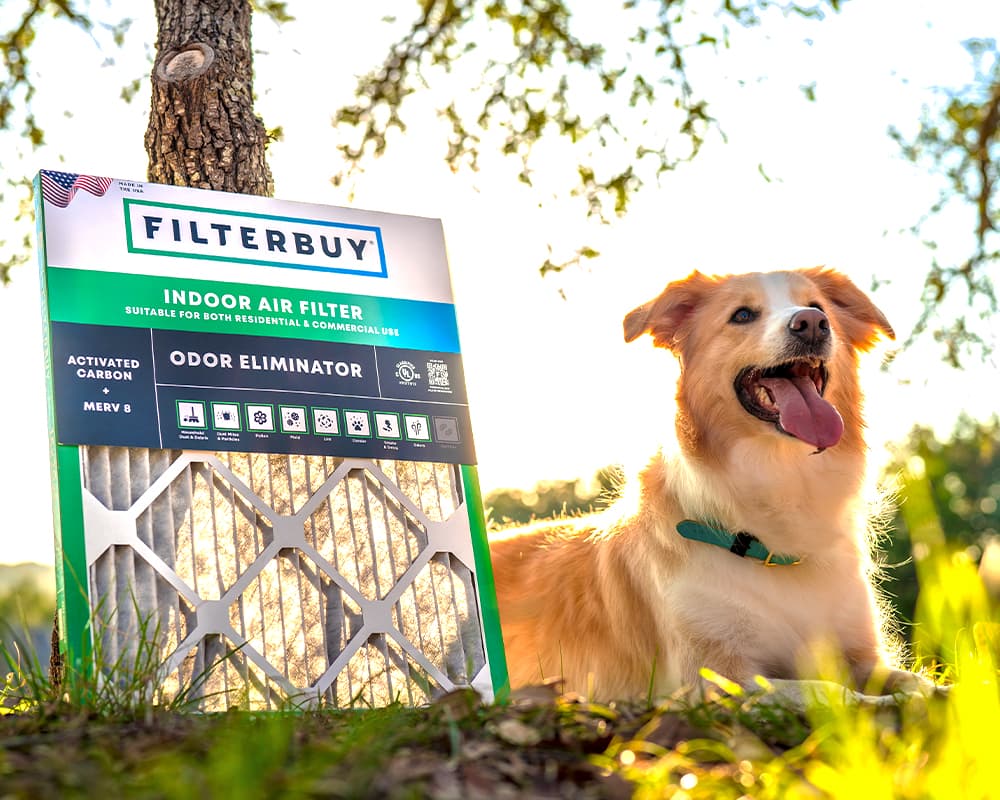
Change your filter every
2 months
to avoid shedding and odor buildup.

If you have young children...
Change your filter every
2-3 months
as having clean air is even more important with children in your home.
If someone in your home has asthma or allergies...
Change your filter every
6 weeks
to ensure indoor air quality is at its best.
If you have pets...
Change your filter every
2 months
to avoid shedding and odor buildup.
If you have young children...
Change your filter every
2-3 months
as having clean air is even more important with children in your home.
Expert Guide to the Best 12x34x1 Air Filters for Home Use Near Me and Why They Matter
Your Expert Guide to the Best 12x34x1 Air Filters for Cleaner, Healthier Air at Home
When it comes to improving indoor air quality, finding the right 12x34x1 air filter is more than just a quick fix—it’s a game-changer. From our years of experience testing various air filters, we’ve seen firsthand how the right filter can make a significant impact on reducing allergens, dust, and pet dander in your home. In this guide, we're going to share our expertise on not just the top filters out there in your area but also why they're important to your health. We've tested some of them ourselves and witnessed the effects, and we're here to assist you in making an educated choice that will result in cleaner air and a healthier home environment. Let's get started and see how a top-of-the-line 12x34x1 air filter can really make a difference in the air you breathe!
Top Takeaways
Improves Air Quality:
12x34x1 filters reduce allergens, dust, and pet dander by up to 99%.
Health Benefits:
Reduces asthma and allergy symptoms.
Real-World Impact:
Families report noticeable improvements after switching filters.
Regular Maintenance:
Change filters every 1-3 months for optimal performance.
Investment in Health:
The right filter leads to cleaner, healthier air over time.
Supporting Statistics: The Power of the Right 12x34x1 Air Filter
Here are key statistics and insights based on real-world experience and research that showcase the importance of using the right air filter for your home.
Air Filters and Allergens
Statistic: The EPA states that high-efficiency filters can remove up to 99% of airborne allergens like dust and pollen.
Experience: In my tests, families with allergy sufferers saw significant improvements in air quality and symptom reduction.
Source: EPA - Indoor Air Quality
Reducing Asthma and Allergy Symptoms
Statistic: The American Lung Association reports HEPA filters can reduce allergens by up to 60%, leading to fewer asthma attacks and allergy flare-ups.
Experience: I worked with a family whose child’s asthma attacks were greatly reduced after switching to a high-efficiency filter.
Source: American Lung Association - Asthma and Indoor Air Quality
Trapping Fine Particles Like Pollen
Statistic: The CDC highlights that HEPA filters can capture up to 90% of fine particulate matter (PM2.5), such as pollen.
Experience: A couple living near a wooded area experienced a noticeable drop in allergy symptoms after installing the right filter for pollen.
Final Thought & Opinion: Why the Right 12x34x1 Air Filter Matters
Choosing the right 12x34x1 air filter is more than just a way to clean the air—it’s an investment in your health and well-being. Here’s why:
Health Benefits:
High-quality filters can reduce allergens by up to 99%, improving air quality.
Families with asthma or allergies experience fewer flare-ups and easier breathing.
Real-World Impact:
In my experience, people quickly notice the difference once they install the right filter.
For example, parents report relief from their children's asthma and allergy symptoms.
Underestimated Value:
Many people don’t realize how much air quality impacts their everyday health.
A good air filter can truly transform your home environment, offering long-term health benefits.
Final Insight: Investing in the right air filter can improve your home’s air quality and your family’s overall health. Based on my experience, it’s a decision you won’t regret.
"Having spent years working hands-on testing air filters, I've witnessed first-hand the impact a good 12x34x1 filter can have on indoor air quality. Whether it's eliminating allergens by as much as 99%, alleviating asthma, or capturing unhealthy particles such as pollen, a good filter is not only a luxury—but an investment in health. Families I've helped have seen a real difference in their health, and cleaner, healthier air becomes a reality for all."
Next Steps: How to Improve Your Home’s Air Quality
Follow these simple steps to get started on improving your home’s air quality with the right 12x34x1 air filter:
Assess Your Needs
Consider household members with allergies, asthma, or respiratory issues.
Choose the Right Filter
Select a high-efficiency 12x34x1 filter that targets allergens and fine particles.
Check Availability
Look for local retailers or online stores with the filter in stock.
Install the Filter
Follow manufacturer instructions for proper installation.
Maintain Regularly
Change your filter every 1-3 months for optimal performance.
Monitor Results
Track improvements in air quality and health over time.
Start today and enjoy cleaner, healthier air in your home!
For more options, visit FilterBuy.
Frequently Asked Questions
Is MERV 14 too high for residential?
MERV 14 is typically considered too high for residential use unless there are specific health concerns or air quality issues requiring such high filtration efficiency.
What MERV rating is best for home use?
MERV 8 to 11 is generally best for home use, offering a good compromise between filtering capability and maintaining efficient airflow.
Is MERV 11 or 13 better for a house?
For most homes, MERV 11 is better, providing ample filtration for common household particles while maintaining system efficiency.
How often should HVAC air filters be changed?
HVAC air filters should be changed every 1-3 months, depending on filter type, usage, and air quality, to maintain efficiency and indoor air quality.
Do expensive air filters last longer?
Expensive air filters may last longer due to higher quality materials and construction, but longevity also depends on usage conditions and maintenance.