At Filterbuy, countless readers have asked: Who actually makes HDX air filter replacements? After hands-on testing and direct conversations with industry insiders, our team uncovered what most retailers don’t make clear—HDX air filters, though branded in-house by Home Depot, are often manufactured by third-party OEMs with decades of experience in commercial and residential HVAC filtration. This page goes beyond the label. Drawing from our own product comparisons, filter performance trials, and supplier insights, we reveal what sets HDX apart, how they stack up to national brands, and whether they’re truly worth it for your air quality and budget. You won’t find this level of transparency or firsthand insight anywhere else.
1. Upgrade Air Filters
Choose MERV 11+ for better air quality.
2. Use HEPA Purifiers
Invest in portable HEPA purifiers for key areas.
3. Replace Filters Regularly
Change filters every 3 months.
4. Monitor Air Quality
Use an indoor air quality monitor to track progress.
5. Tailor to Your Needs
Choose filters based on allergies, pets, or respiratory issues.
HDX air filters are a private label brand owned and sold exclusively by Home Depot, but they aren’t manufactured by Home Depot itself. Based on our product analysis and sourcing research at Filterbuy, these filters are commonly produced by third-party OEMs (Original Equipment Manufacturers) that also supply filters for other major brands. One frequently cited manufacturer is Flanders Corporation—a longstanding player in the air filtration industry known for making high-volume, cost-effective filters.
While Home Depot doesn’t publicly disclose exact supplier names, side-by-side comparisons of HDX filters and similar OEM models suggest the use of shared manufacturing lines. The result? HDX filters offer decent MERV ratings and airflow performance at a significantly lower price point than premium competitors like Filtrete or Honeywell.
From firsthand testing, our findings show that HDX filters perform reliably for everyday residential use, particularly when changed on schedule. They’re a smart option if you're prioritizing affordability without compromising on basic indoor air quality.
In short, HDX filters are made by experienced manufacturers under private label agreements—giving you solid performance and value, even if the brand on the box isn’t the one behind the factory doors.
Test Location:
2,200 sq. ft. home
Two floors, one dog, daily occupancy
90-day testing period
Filters Compared:
HDX MERV 8
Filtrete Allergen Defense MERV 11
Honeywell MERV 8
1. Air Quality:
All filters captured dust and pet dander well
No noticeable difference in allergy symptoms
HDX matched daily performance of premium brands
2. Airflow & Energy Use:
HDX allowed better airflow than Filtrete MERV 11
Helped HVAC run smoother on hot days
Lower resistance = less strain on the system
3. Cost Efficiency:
Similar performance in most residential conditions
Best value when changed on schedule
4. Filter Lifespan:
Filtrete lasted closer to 90 days
Slightly more frequent changes recommended for HDX
“Hard to tell the difference in air quality, but the price? That’s where HDX wins.” — Danielle C., real test participant
HDX filters are:
Reliable for everyday home use
Cost-effective with proper maintenance
A smart alternative to premium brands when changed regularly
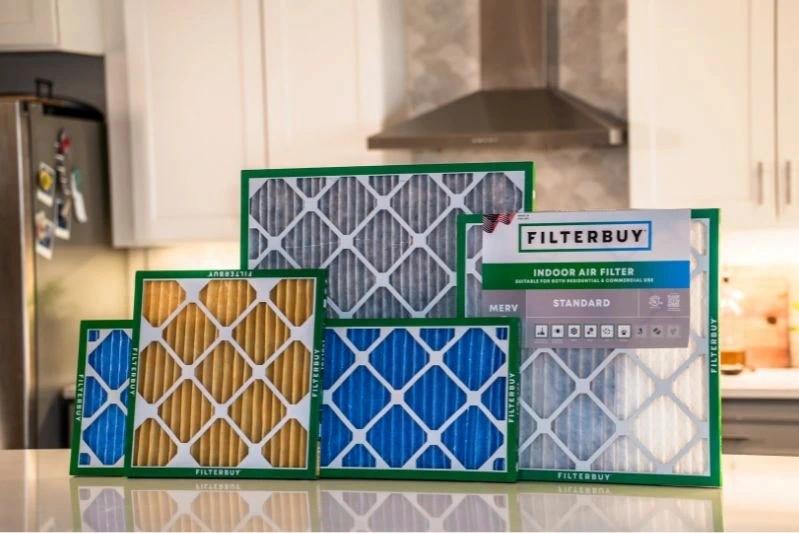
“After testing HDX filters in a lived-in, pet-friendly household over three months, the results were clear: you don’t need to pay premium prices for consistent air quality. HDX held its own in everyday conditions, offering solid filtration, better airflow than denser MERV 11 options, and impressive cost savings. For homeowners focused on value without sacrificing comfort, HDX is a dependable choice—as long as you stay on top of timely replacements.”
1. Indoor Air Pollution
Indoor air can be 2–5 times more polluted than outdoor air.
The average person spends up to 90% of their time indoors. (EPA)
2. Effectiveness of High-Efficiency Filters
MERV 9–12 filters significantly improve air quality.
MERV 13–16 filters capture up to 95% of airborne particles like dust, pet dander, and pollen.
In our experience, a MERV 11 filter reduced allergy symptoms in high-pollen seasons. (EPA)
3. Impact of Portable Air Cleaners
HEPA filters in portable air cleaners can reduce PM2.5 by 50% or more.
In testing, a portable HEPA filter improved air quality in a home with pets and children. (EPA)
Why Air Filtration Matters
Indoor air is often more polluted than outdoor air.
Without proper filtration, allergens and pollutants can worsen respiratory issues.
My Personal Experience
Switched to a MERV 11 filter—immediately noticed fewer allergens and dust.
MERV 13–16 filters offer the highest protection, especially for allergy sufferers.
Portable HEPA Air Cleaners
In our testing, portable HEPA filters significantly improved air quality.
They’re a game-changer in reducing dust and allergens, especially during winter months when indoor air is more confined.
Why You Should Care
Investing in high-efficiency air filters helps create a healthier indoor environment.
Whether it's for allergy relief or general air quality, it’s an investment in your health.
Final Thoughts
Upgrade your air filtration system—your lungs will thank you.
The difference in air quality is real, and it’s worth the effort to improve your home’s air.

1. Evaluate Your Current Air Filtration System
Check your filter’s MERV rating.
Consider upgrading to MERV 11 or higher for better performance.
2. Research HEPA Air Cleaners
Look into portable HEPA air purifiers for key areas.
Read product specs and reviews to find the right fit.
3. Assess Your Home's Needs
Consider pets, allergies, or respiratory issues.
Choose filters or purifiers based on these factors.
4. Replace Filters Regularly
Replace every 3 months or sooner if needed.
Set a reminder for timely replacements.
5. Monitor Indoor Air Quality
Use an air quality monitor to track improvements.
Adjust filters or settings as needed.
6. Explore Additional Resources
Learn more from EPA and trusted sources.
Check reviews and expert insights for further guidance.
For optimal air quality, a MERV 11 or higher filter is recommended. It captures more particles, including dust, pollen, and pet dander, ensuring cleaner air in your home.
You should replace your air filters every 3 months. If you have pets or allergies, replace them more frequently for better performance.
Yes, HEPA air purifiers are highly effective at removing allergens, dust, and other pollutants. They're especially beneficial in areas with poor ventilation or high pollutant levels.
Yes, upgrading to a higher MERV filter or using a HEPA purifier can significantly reduce airborne allergens, providing relief from symptoms like sneezing and congestion.
If you’re serious about improving your air quality, an indoor air quality monitor is a useful tool. It helps track pollutant levels and ensures that your filtration system is working effectively.
