July 23, 2026
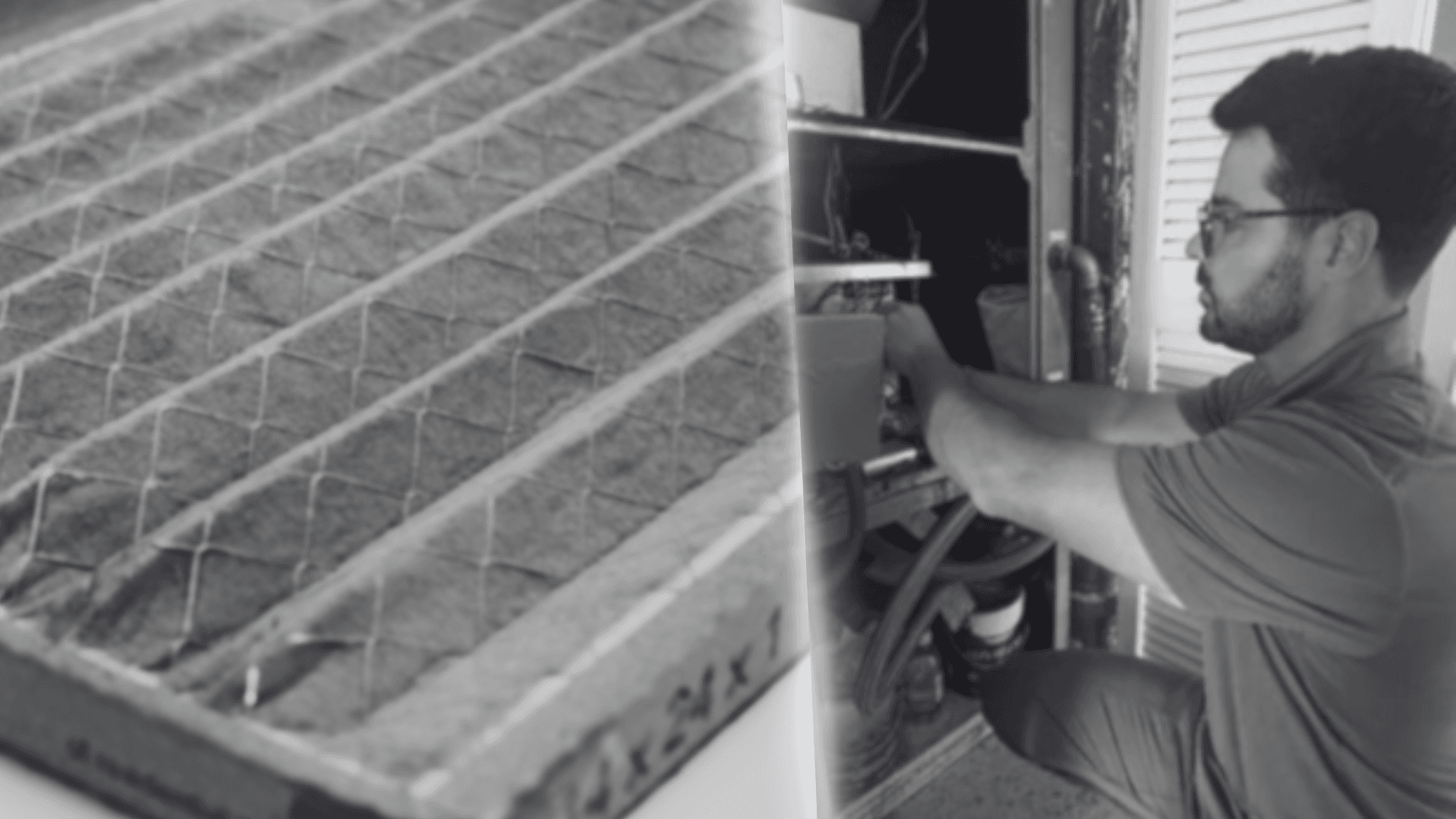
A clean air filter is like clear lungs for your heating-and-cooling system. When the filter plugs up with dust, every part of the equipment has to struggle for air. That wastes power, wears out motors, and spreads dirt through the house. Learn the five warning signs below, what they mean, and how a quick filter swap can save money and trouble.
Odd blower noises usually start with a dirty filter.
Weak heating or cooling appears once airflow is blocked.
Power bills climb because the system runs longer than it should.
Short cycling (rapid on-off) is the unit gasping for air.
More dust and worse allergies show the filter has stopped trapping particles.
A healthy blower hums quietly. When the filter is coated, the motor strains and you may hear rattling, buzzing, or a low throb. Swap in a fresh filter and the sound often fades in minutes. If noise stays, call a tech—another part may have suffered from the extra load.
A blocked filter cuts the air that moves across the coil. Vents blow weakly, rooms feel stuffy, and the thermostat seems “off.” Pull the filter and hold it to a lamp. If light does not pass through most of the surface, replace it.
The U.S. Department of Energy notes that a clean filter can lower AC power use by 5–15 percent. A clogged one forces the system to run longer to reach the same temperature. If the electric bill jumps for no clear reason, check the filter first.
Low airflow makes parts over-heat (in heating season) or ice over (in cooling season). The safety controls then shut the unit off until it cools or thaws—only to start again a few minutes later. This rapid cycling wastes energy and wears out relays and compressors. A clean filter often solves it on the spot.
When the filter surface is filled, dust bypasses it. You see more particles on furniture and floating in sunbeams. People with asthma or hay fever notice sneezing, coughing, or itchy eyes. Change the filter and the air clears within days.
Size matters. Measure the old filter (width × height × depth in inches) or read its frame.
Pick a MERV rating that fits your needs.
Check monthly. Homes with pets, smokers, or heavy construction dust may need a change every 30 days. Typical homes change a 1-inch filter every 60–90 days. Thicker filters last longer but should still be inspected.
Mark a calendar or phone reminder so the task never slips your mind.
Local licensed technicians. Our licensed technicians handle everything—routine tune-ups, emergency repairs, duct sealing, complete system replacements, and even swapping in those new Filterbuy replacement filters during a visit—so your HVAC stays worry-free from start to finish.
Fair, up-front pricing. We match any honest quote for comparable service. No surprise fees.
24/7 emergency help. A real person answers any time, day or night.
Extras that protect your system. New installs come with two years of free maintenance and a longer labor warranty.
Filters delivered automatically. Select your size on filterbuy.com, pick a MERV 8, 11, or 13 rating, choose delivery every 1, 2, or 3 months, and free shipments of fresh filters show up right when you need them—install the new one and you’re done.
Heating and cooling take up about half of a typical home’s energy use.
Replacing a clogged filter with a clean one can trim AC power use by up to 15 percent.
88 percent of U.S. homes rely on air-conditioning.
A clogged HVAC filter causes noise, poor comfort, higher bills, and dusty air. Look for the five simple warning signs, change the filter when it is dirty, and protect your system with help from Filterbuy HVAC Solutions. Small, regular filter changes keep energy costs down and indoor air clean all year long.

Rooms feel stuffy or take longer to cool.
You see more dust on furniture and around vents.
The unit sounds louder than normal.
Your electric bill climbs even though you haven’t changed the thermostat.
Turn the system off, slide the filter out, and hold it up to a light. If you can’t see much light through the pleats, it’s time for a new one.
It blocks airflow, so the fan and compressor run harder and longer. That raises energy use, shortens part life, and can overheat the equipment.
Weak airflow at supply vents
More frequent on/off cycling
Musty or dusty smell when the blower starts
Sudden spikes in energy costs
Increased allergy or asthma flare-ups indoors
Most household filters are disposable. If yours is labeled “washable” or “reusable,” rinse it gently opposite the airflow and let it dry completely. Otherwise, replace it with a fresh one.
Yes. Modern systems often trip a safety limit or freeze the indoor coil when airflow drops too low, causing the unit to shut off.
Dust, pollen, and lint bypass the screen and coat the coil and blower. Cooling capacity falls, indoor air quality drops, and expensive components like the compressor can fail.
Every 90 days in an average home
Every 60 days if you have pets or allergies
Every 30 days during heavy cooling or heating seasons
The pleats turn gray or brown and may look matted with lint. Fine dust clouds appear when you tap the frame.
Often, yes. A clogged filter can freeze the indoor coil or reduce refrigerant flow, so the air coming from the vents feels warm.
Watch for water around the indoor unit (frozen coil thawing), constant short cycling, or an outdoor condenser that never shuts off. If those appear after you’ve put in a clean filter, call a pro.
